
How Much Does a Wedding Really Cost?
Disclosure: Some of the links in this post are affiliate links. This means if you click on the link and purchase an item, I will receive an affiliate commission at no extra cost to you.
How Much Does a Wedding Really Cost? It is one of the first questions many couples ask after getting engaged. While it would be nice to have one simple answer, the truth is that wedding costs can vary greatly depending on your location, guest count, personal style, and the kind of experience you want to create.
Some couples spend just a few thousand dollars on an intimate celebration, while others invest tens of thousands in a larger event.
The good news is that a memorable wedding does not have to drain your savings. Understanding where your money goes, what expenses to expect, and how to create a realistic budget can help you make informed decisions from the very beginning.
Instead of guessing or relying on outdated estimates, you can plan with confidence and keep your finances under control.
In this guide, you will discover the biggest wedding expenses, hidden costs that often catch couples by surprise, and practical ways to make every dollar count without sacrificing the celebration you have always imagined.
Why How Much Does a Wedding Really Cost? Has No Single Answer
Many people expect to find one average price that applies to every wedding. Unfortunately, wedding planning is not that simple.
Every couple has different priorities, and every wedding is unique. A small backyard ceremony with twenty guests will naturally cost far less than a luxury ballroom reception for three hundred people.
Instead of asking how much a wedding costs, a better question is:
What kind of wedding do you want, and how much are you comfortable spending?
Answering this question first makes every budgeting decision much easier.
How Much Does a Wedding Really Cost? Depends on Your Vision
Before creating your budget, spend time discussing your expectations as a couple. Think about the atmosphere you want to create.
Would you love an elegant formal celebration? A relaxed garden wedding? A destination wedding?
Or something small and intimate surrounded by your closest family and friends?
Your vision shapes every financial decision that follows.
If you are still planning the overall journey, our The Ultimate Wedding Planning Checklist from Engagement to “I Do” can help you organize every stage from your engagement until your wedding day.
The Biggest Factors That Affect Wedding Costs
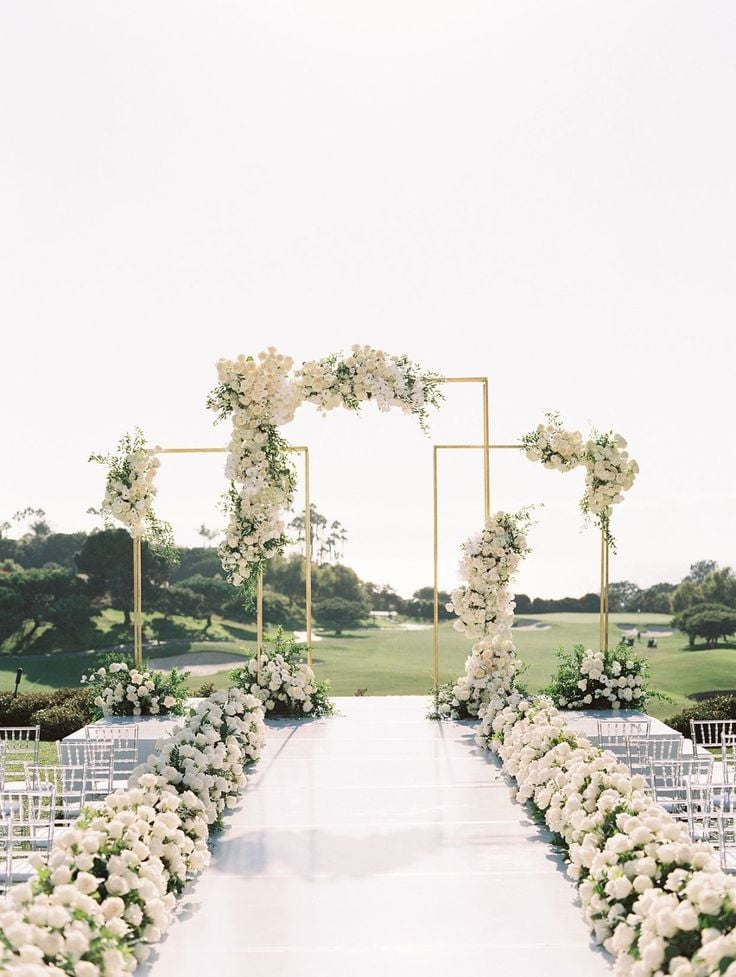
Not every wedding expense has the same impact on your budget. Some decisions increase costs dramatically, while others have very little effect.
Understanding these factors allows you to spend wisely.
Guest Count
Guest count is usually the biggest factor affecting your wedding budget. Every additional guest increases expenses.
More guests usually mean:
- More meals
- More drinks
- More tables and chairs
- Larger venue requirements
- Additional invitations
- Extra wedding favors
- Bigger cake
- More rentals
Adding just twenty extra guests can increase your total budget by hundreds or even thousands of dollars.
Before finalizing your guest list, decide how many people you can realistically afford to host.
Wedding Location
Where you choose to marry also influences your costs. Major cities usually have higher venue prices than smaller towns.
Popular tourist destinations often charge premium rates because demand is higher.
Even local taxes and service fees can affect your final bill.
Time of Year
Wedding season also plays an important role.
Spring and summer are usually the busiest months for weddings. Because demand is higher, venues and vendors often charge more during these seasons.
Choosing an off season wedding or even a weekday celebration can help reduce costs significantly.
Venue Costs Often Take the Largest Share
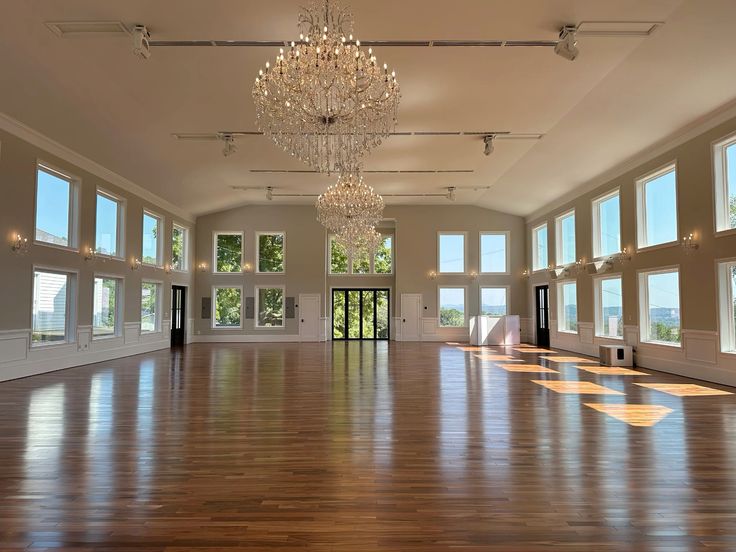
For most couples, the venue is the biggest single expense.
It also affects many other parts of the budget.
Venue Rental Fees
Some venues simply provide the space. Others include tables, chairs, linens, catering, lighting, staff, and coordination.
Comparing venues based only on rental price can be misleading. Always ask exactly what is included before making comparisons.
A venue with a higher rental fee may actually save money if several services are already included.
Ceremony and Reception Locations
Some couples choose separate locations for the ceremony and reception.
While this creates variety, it can also increase transportation, decoration, and setup costs.
Holding both events at one venue often saves money and simplifies logistics.
Hidden Venue Expenses
Many venues charge additional fees that couples overlook during the early planning stages.
These may include:
- Cleaning fees
- Security deposits
- Overtime charges
- Corkage fees
- Parking costs
- Service charges
- Vendor access fees
Always request a complete breakdown before signing any contract.
Food and Drinks Can Quickly Add Up

After the venue, catering is usually the second largest expense.
Food is one part of your wedding that guests always remember, making it worth careful planning.
Catering Style
Different meal styles come with different price points. A buffet usually costs less than a plated dinner. Family style meals fall somewhere in between.
Cocktail receptions with light appetizers may reduce catering costs if they suit your wedding style.
Beverage Service
Alcohol can significantly increase your budget.
Some venues require couples to purchase drinks through their bar service. Others allow outside beverages for an additional corkage fee.
If your budget is limited, offering a smaller selection of drinks can still provide an enjoyable experience for your guests.
Wedding Cake
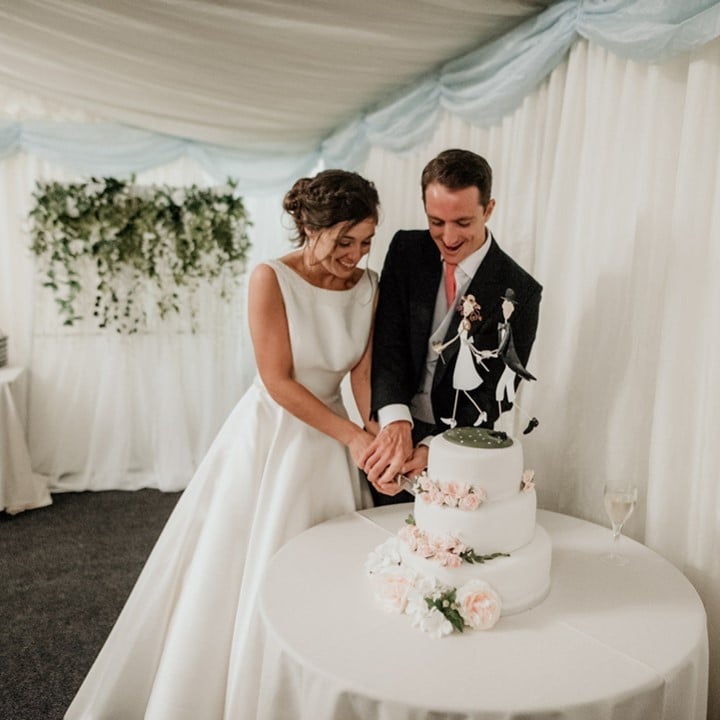
Wedding cakes vary just as much as venues. The final price depends on size, flavor, decoration, and design complexity.
Simple cakes often look just as elegant as elaborate multi tier creations.
Photography and Videography Are Long Term Investments

Flowers eventually fade.
The food gets eaten.
The music ends.
Your photographs and videos remain for decades.
This is one area where many couples prefer quality over the lowest price.
Choose Experience Over Discounts
Professional photographers know how to work with changing weather, difficult lighting, and unexpected situations.
Experience often matters more than finding the cheapest package.
Review complete wedding galleries instead of only looking at highlight photos on social media.
Understand What Is Included
Photography packages vary widely.
Some include:
- Engagement sessions
- Two photographers
- Full day coverage
- Online galleries
- Printed albums
Others provide only digital images.
Comparing package details helps you understand the true value of each quote.
Wedding Attire Costs More Than Many Couples Expect
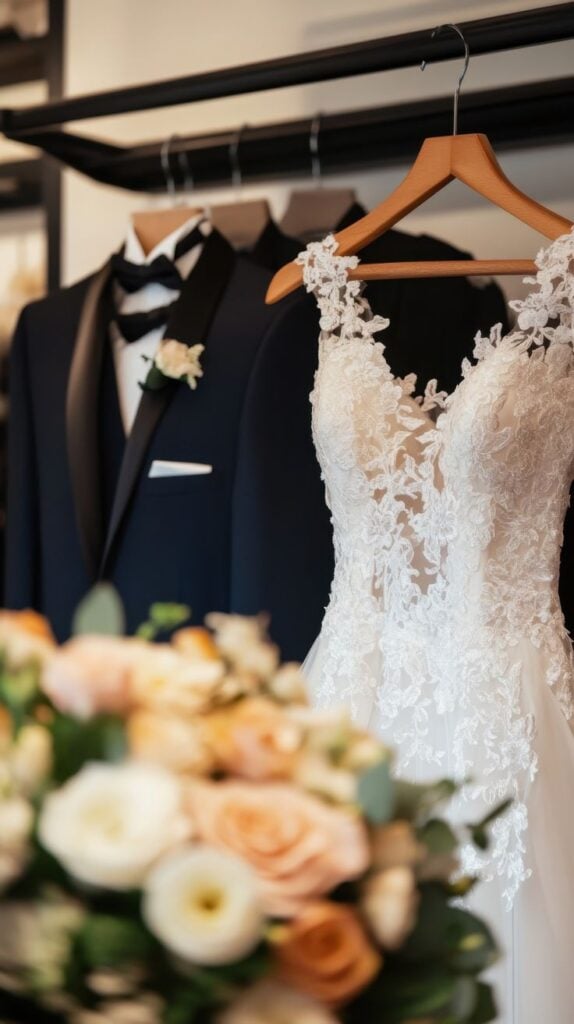
Wedding attire includes much more than the dress or suit. Many smaller purchases add up over time.
Bridal Attire
A bridal budget may include:
- Dress
- Alterations
- Shoes
- Veil
- Jewelry
- Hair accessories
Alterations alone can become a significant expense depending on the design.
Groom’s Attire
The groom’s budget may include:
- Suit or tuxedo
- Shoes
- Tie or bow tie
- Pocket square
- Belt
- Cufflinks
Renting formal wear usually costs less than purchasing custom clothing, although buying may offer better long term value.
Decorations and Flowers
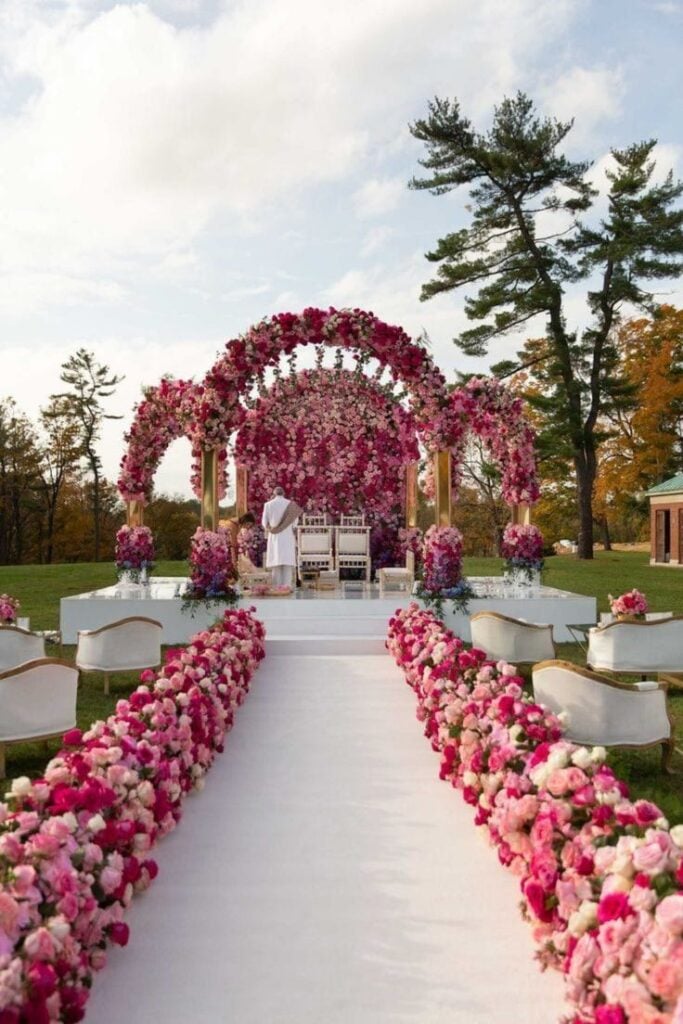
Beautiful decorations help create the atmosphere you imagined, but they can also become one of the easiest areas to overspend.
Fresh Flowers
Fresh floral arrangements often include:
- Bridal bouquet
- Bridesmaids’ bouquets
- Boutonnieres
- Ceremony flowers
- Reception centerpieces
Seasonal flowers usually cost less than imported varieties.
Working with your florist to choose flowers that are naturally available during your wedding season can help reduce expenses.
Decorative Details
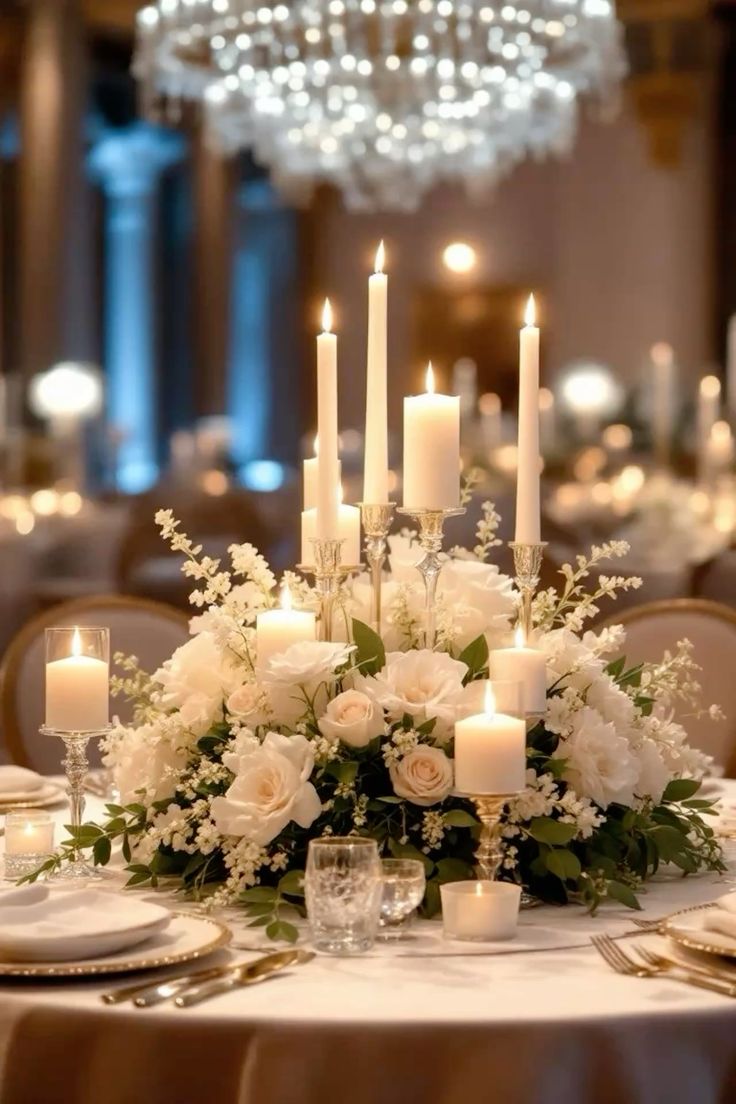
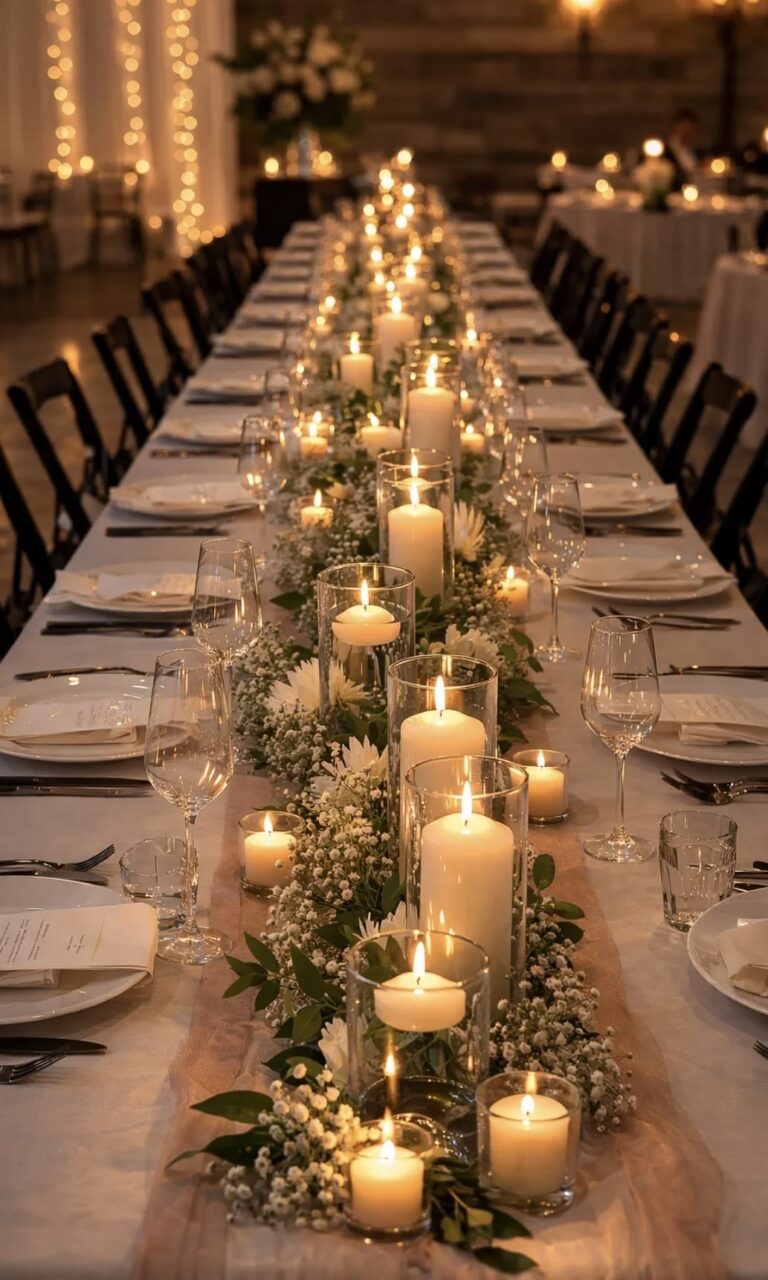
Candles, signage, table runners, chair decorations, arches, and lighting all contribute to the overall look.
Instead of filling every corner with decorations, focus on the spaces your guests will notice the most.
A few thoughtfully designed areas often create a stronger impression than decorating everything.
Entertainment Is More Than Just Music
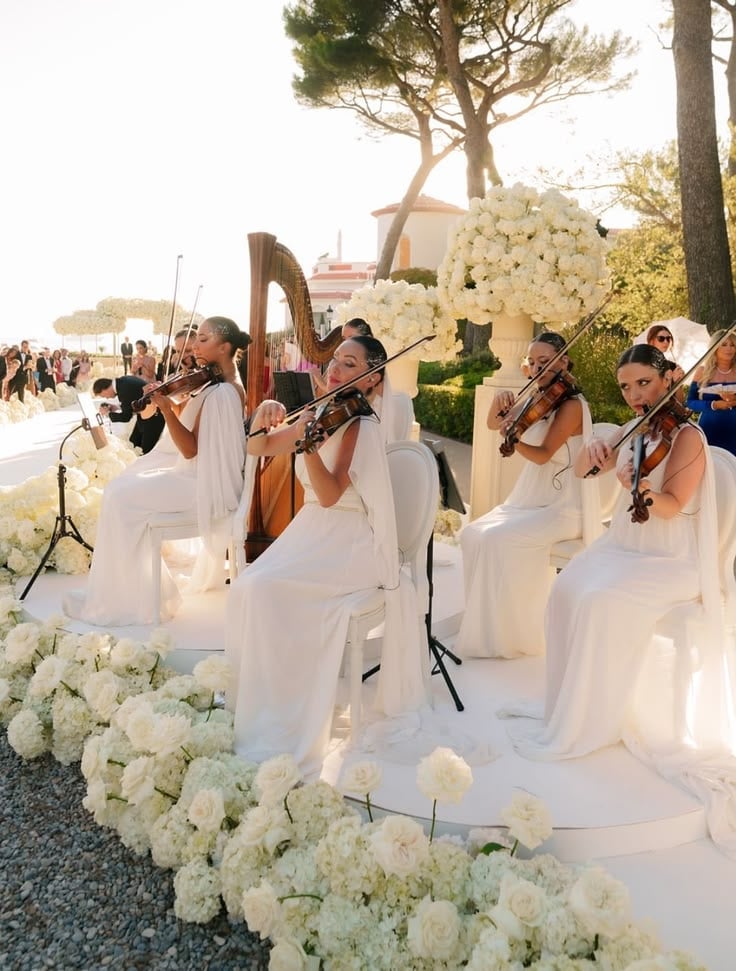
Entertainment plays a huge role in creating the atmosphere of your wedding. The right entertainment keeps guests engaged and helps everyone enjoy the celebration from start to finish.
Live Band or DJ
One of the first entertainment decisions is choosing between a live band and a DJ.
A live band creates an energetic and memorable experience but usually comes with a higher price tag.
A professional DJ is often a more budget friendly option while still providing excellent entertainment and a wide variety of music.
Think about the experience you want your guests to have before making your choice.
Additional Entertainment
Some couples also include extra entertainment such as:
- Photo booths
- Live painters
- String quartets
- Fireworks
- Dance performers
- Lawn games for outdoor weddings
These additions are optional, so include them only if they fit comfortably within your budget.
Invitations and Stationery

Wedding stationery may seem like a small expense, but several pieces come together throughout the planning process.
What to Include in Your Budget
Your stationery budget may include:
- Save the date cards
- Wedding invitations
- RSVP cards
- Ceremony programs
- Place cards
- Table numbers
- Welcome signs
- Thank you cards
Choosing elegant but simple designs can help reduce costs without making your wedding feel less special.
Digital Invitations
Many couples now choose digital invitations for smaller weddings or pre wedding events.
Digital invitations can save money on printing and postage while still looking beautiful.
Transportation and Accommodation
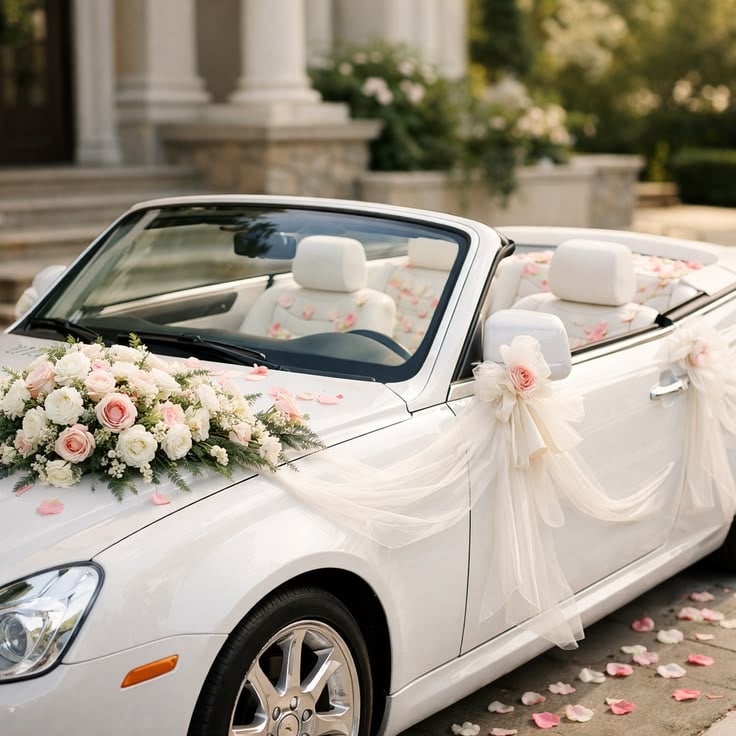
Transportation is another expense that many couples forget during the early planning stages.
Transportation Costs
Depending on your plans, transportation may include:
- Wedding car
- Limousine
- Shuttle service for guests
- Transportation for the wedding party
If your ceremony and reception are held at the same venue, transportation costs are often much lower.
Guest Accommodation
If many guests are traveling from another city, consider arranging a hotel room block.
Many hotels offer discounted rates for wedding guests when several rooms are reserved together.
Do Not Forget the Hidden Wedding Costs
Many couples prepare for the obvious expenses but overlook the smaller costs that gradually increase the total budget.
Planning for these surprises makes your financial plan much more realistic.
Common Hidden Costs
Some commonly forgotten expenses include:
- Marriage license fees
- Vendor tips
- Dress alterations
- Suit alterations
- Cake cutting fees
- Delivery charges
- Overtime fees
- Postage
- Wedding insurance
- Beauty trials
- Meals for vendors
- Extra décor rentals
Individually these costs may seem small.
Together, they can add hundreds or even thousands of dollars to your final spending.
Create an Emergency Fund
A simple way to avoid unnecessary stress is setting aside around five to ten percent of your total budget for unexpected expenses.
If you never need it, that is great. If something unexpected happens, you will already have the money available.
How Much Does a Wedding Really Cost? Build a Budget That Works for You
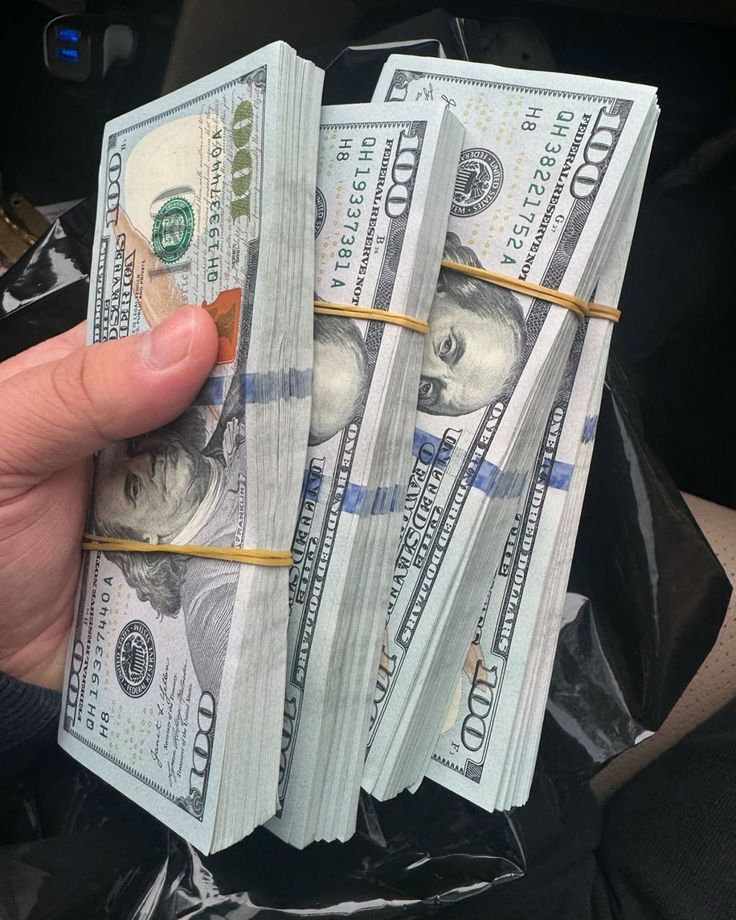
Many couples make the mistake of copying someone else’s budget. The truth is that no two weddings are exactly alike.
Your budget should reflect your own priorities instead of someone else’s expectations.
Decide What Matters Most
Ask yourselves which parts of the wedding are most important.
You may value photography more than flowers. Another couple may choose exceptional food instead of elaborate decorations.
There is no correct answer. Spend more on the things that mean the most to both of you.
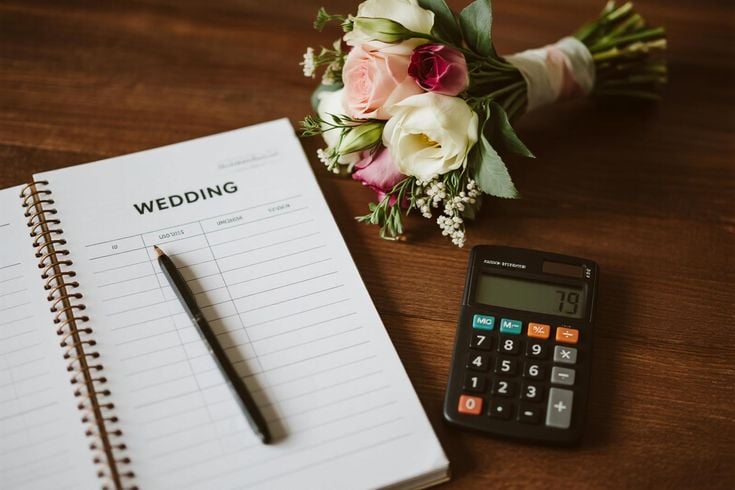
Track Every Expense
Create a spreadsheet or use a wedding planning app to record every payment. Update it regularly.
Tracking your spending helps prevent unpleasant surprises later.
If you are just beginning your planning journey, Everything You Need to Do During Your First Month of Wedding Planning explains how to build a realistic budget from the very beginning.
Smart Ways to Save Money Without Sacrificing Quality
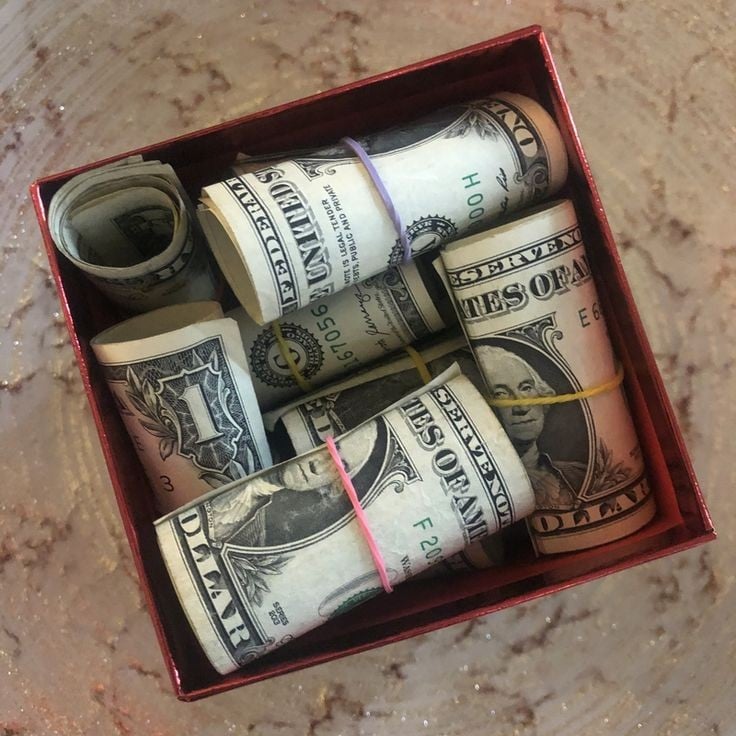
Saving money does not mean your wedding has to feel less beautiful.
Small adjustments often make a big difference.
Limit the Guest List
Every guest increases several parts of your budget.
Keeping your guest list smaller allows you to invest more in the experience for everyone attending.
Choose Seasonal Flowers
Flowers that are naturally available during your wedding season are usually more affordable than imported blooms.
They also tend to stay fresher throughout the celebration.
Book Early
Popular vendors often increase their prices as demand grows. Booking early gives you more choices and sometimes better rates.
If you are planning over the course of a year, our The Perfect 12 Month Wedding Planning Timeline can help you schedule important bookings at the right time.
Consider a Weekday Wedding
Many venues and vendors offer lower prices for weekday celebrations.
If your guests can attend, this can reduce your overall costs significantly.
Focus on What Guests Remember
Guests are far more likely to remember:
- Great food
- Fun entertainment
- A welcoming atmosphere
- Time spent celebrating with loved ones
Very few people will remember every decorative detail.
Invest your money where it creates the greatest impact.
Wedding Budget Mistakes to Avoid
Even the most organized couples can make budgeting mistakes.
Learning from others can save both money and stress.
Starting Without a Budget
Never begin booking vendors before deciding how much you can comfortably spend.
Your budget should guide every decision.
Ignoring Contracts
Always read contracts carefully before signing.
Understand payment schedules, cancellation policies, and exactly what services are included.
Comparing Your Wedding to Social Media
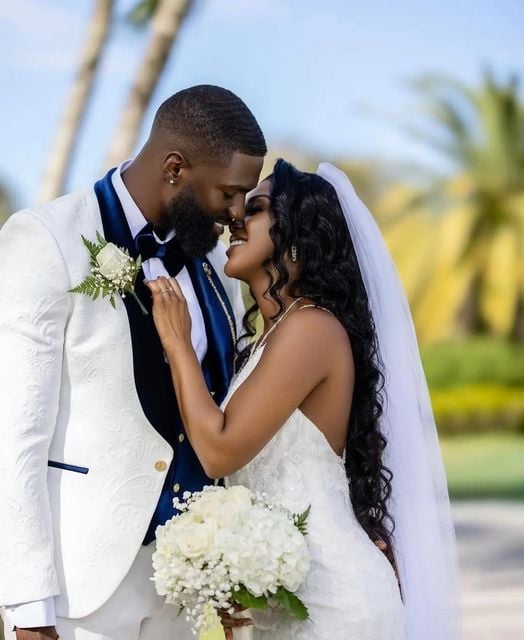
Social media often highlights luxury weddings with unlimited budgets. Your celebration does not have to look identical to someone else’s to be meaningful.
Focus on creating memories instead of chasing perfection.
If you are looking for ideas on creating a beautiful celebration without unnecessary pressure, our guide on How to Plan a Beautiful Wedding Without Feeling Overwhelmed offers practical advice that keeps the experience enjoyable from start to finish.
Estimated Wedding Budgets by Wedding Size

While every wedding is different, these examples provide a general idea of how guest count can affect spending.
Small Wedding
A wedding with around 20 to 50 guests often allows couples to spend more per guest while keeping the total budget relatively manageable.
Medium Wedding
A celebration with 75 to 150 guests usually requires a balanced budget across venues, catering, photography, entertainment, and décor.
Large Wedding
Weddings with more than 150 guests often have the highest overall costs because almost every expense increases as the guest list grows.
Remember that these are only examples. Your actual budget depends entirely on your location, priorities, and personal choices.
Plan Your Wedding With Confidence
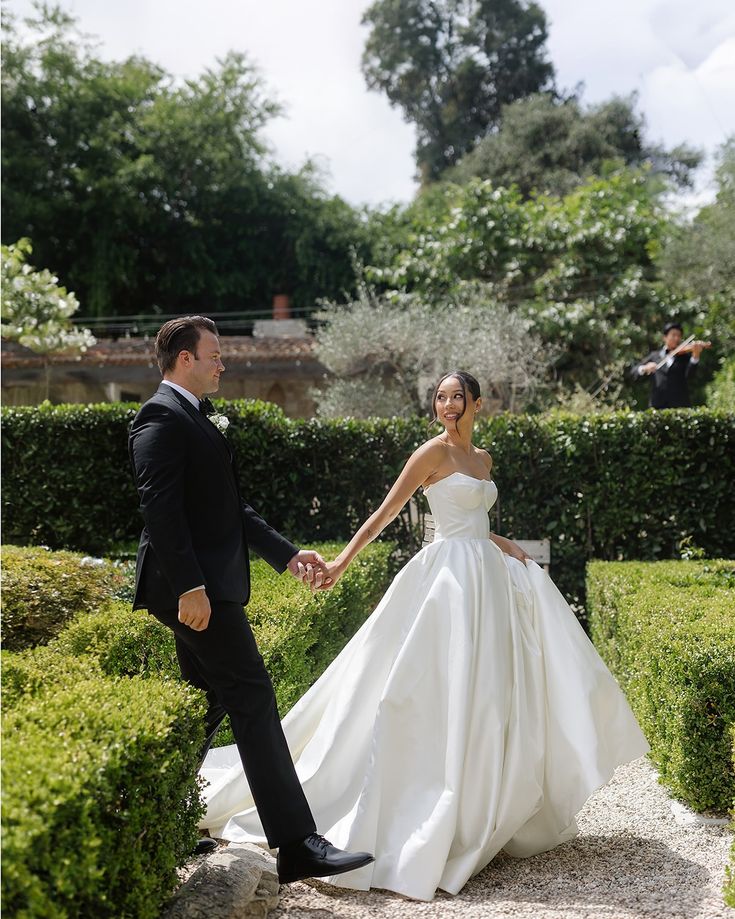
Understanding How Much Does a Wedding Really Cost? is not about finding one magic number. It is about understanding where your money goes and making decisions that reflect your priorities as a couple.
A realistic budget gives you the freedom to enjoy the planning process instead of worrying about every expense.
Focus on what matters most, keep track of your spending, and remember that the most memorable weddings are created through love, thoughtful planning, and the people who share your special day with you.