The Complete Petite Fashion Guide: How to Dress, Shop and Style Your Body Proportionally
There is a common misconception in the fashion world that being petite simply means being short. ‘Petite’ tag on clothes is automatically assumed to be exclusively for women under 5’4”. But the reality is far more nuanced. Our Petite Fashion Guide will provide clarity and insightful recommendations on how to shop, dress and style your body proportionally as a petite individual.
Petite is neither a weight descriptor nor a height metric. It is entirely about scaling and body proportions. You can be a size 2 or a size 22, an hourglass or a rectangle and still be petite. The defining factor is your inseam, your torso length and your shoulder width.
Dressing a petite frame is not about trying to look six feet tall unless you want to. We can say that it is more about balance, harmony and structural design that honors your build rather than overwhelming it. Our Petite Fashion Guide skips the generic, outdated rules and breaks down the actual science and art of styling a shorter frame beautifully and confidently.
The Core Philosophy: The Rule of Thirds in Petite Fashion
The golden rulelet it be the golden ratio of fashion: the Rule of Thirds. Derived from art and architecture, this rule dictates that a visual presentation is most appealing when divided into three equal parts rather than halves.
When we split our outfits directly down the middle (a 1:1 ratio, like a standard t-shirt worn over mid-rise jeans), we cut our height in half. For shorter frames, this emphasizes brevity. Instead, aim for a 1:2 or a 2:1 visual ratio.
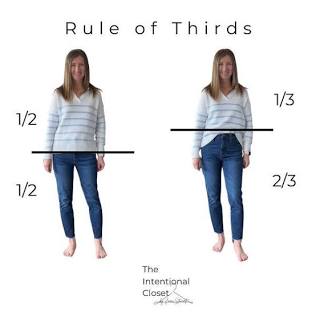
The 1:3 Top to 2:3 Bottom Split
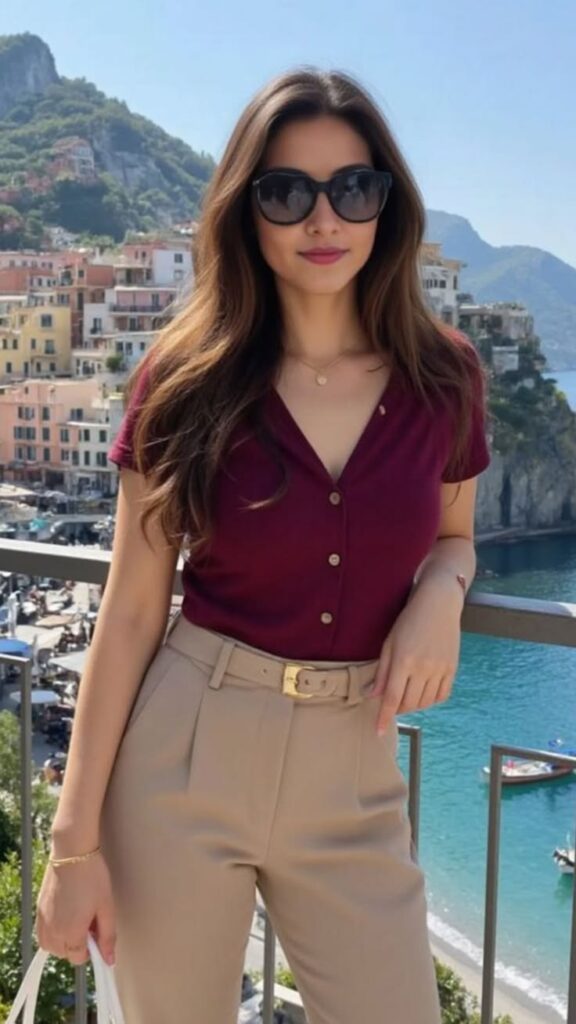
Being the most universally flattering ratio for petite frames, the 1:3 top to 2:3 bottom split is crucial to petite fashion enlightenment. By wearing a high-waisted skirt or trouser paired with a tucked-in or cropped top, your upper body occupies the top third of your silhouette, while your legs occupy the remaining two-thirds. This creates an instant visual anchor that makes legs look incredibly long.
The 2:3 Top to 1:3 Bottom Split
Think of a structural tunic worn over tailored cigarette pants, or a blazer dress. Here, the focus is on a sleek, lengthened torso, with the lower third showcasing the legs. The key to making this work without looking swallowed up is ensuring the long piece is highly tailored and does not flare out excessively.
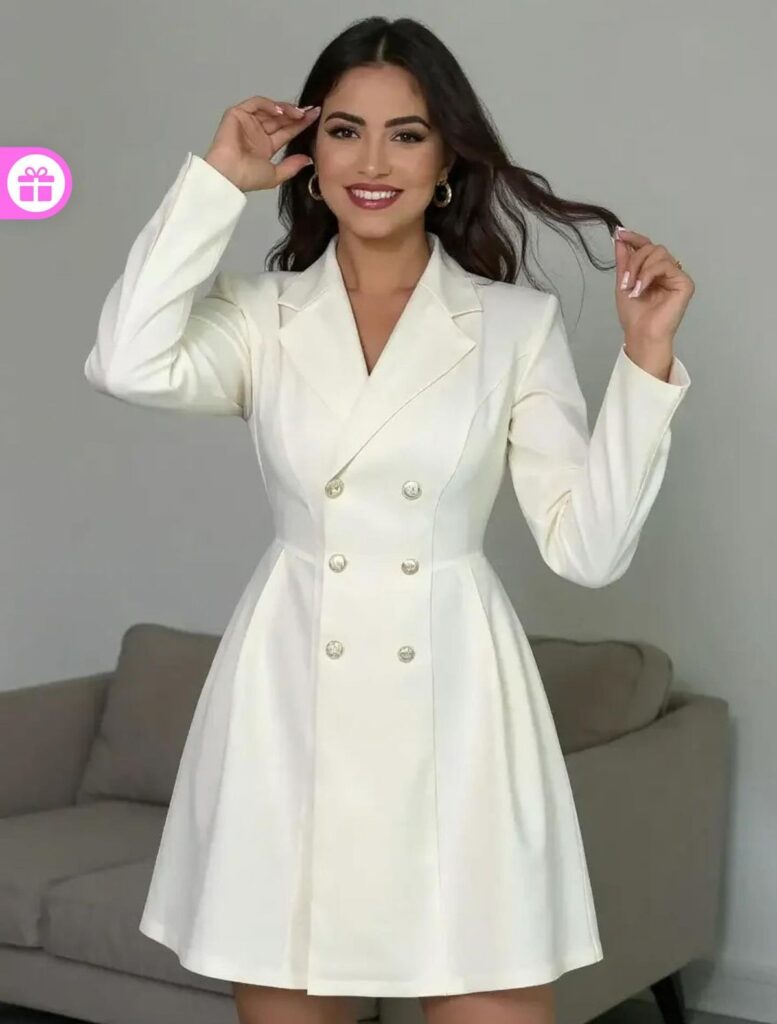
Deconstructing the Silhouette: Tops, Bottoms, and Layers For Petite Fashion
The space between your chin and your chest plays a massive role in how tall you appear. High, closed necklines like heavy turtlenecks can occasionally compress the frame if not balanced correctly. To instantly open up your silhouette, look for vertical or diagonal necklines: V-necks, scoop necks, wrap styles, and sweetheart necklines. They draw the eye upward and expose the collarbone, creating a sense of breathing room.
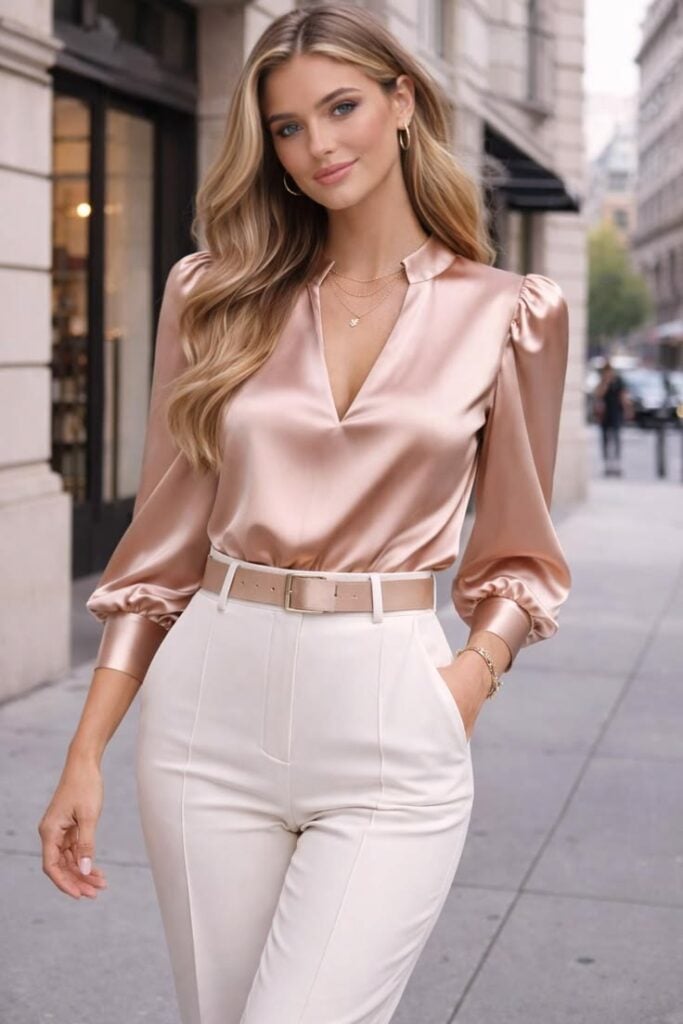
Trousers and Jeans: The Inseam Anatomy
Finding the right pants is often the ultimate challenge. Keep these cuts in mind:
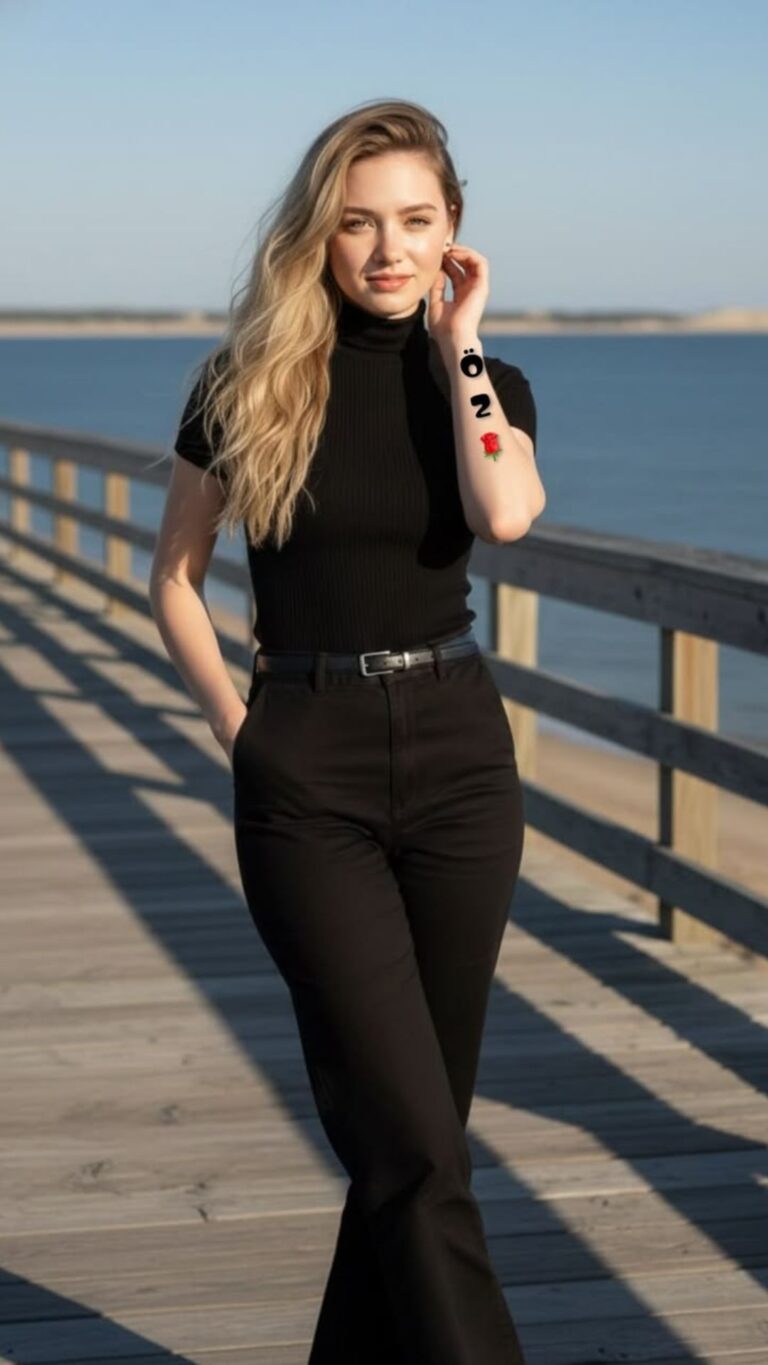
• High-Rise Always Wins: Always introduce a for a rise of 10 inches or higher as this sits above your natural waist and resets the starting point of your legs higher up on your torso as seen in Image Credit
• Straight-Leg and Bootcut Advantage: Straight legs create an uninterrupted vertical column. A subtle bootcut or baby bell-bottom mimics a flare but starts widening lower down the leg while keeping the thigh area clean and elongated.
• Cropped Myth: Cropped pants are fine so long as they hit just above the ankle bone. If they cut off mid-calf, they slice your leg line in an awkward spot and make you look shorter.
Dresses and Skirts: Managing the Hemline
When it comes to dresses and skirts, extremes work best. Monolithic lengths are your best ally. A true mini length (hitting mid-thigh) shows plenty of skin and naturally extends the leg line.
Conversely, a true maxi dress that gracefully skims the floor creates a singular continuous line of color that stretches the frame. You may view the danger zone is the midi length if a skirt hits right at the thickest part of your calf creating a harsh horizontal break.
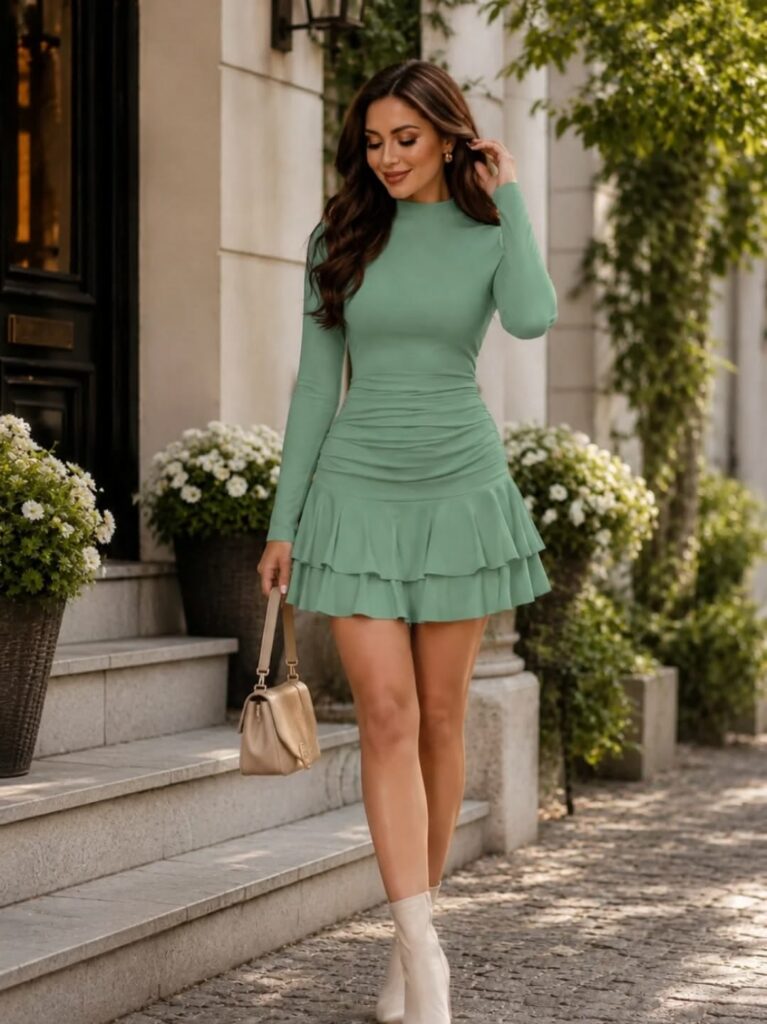
Outerwear and Layering Without Bulking
Layering can easily overwhelm a shorter frame if it is not managed structurally. Whenever you shop for blazers and jackets, pay attention to the shoulder seam as it must align precisely with your natural shoulder bone.
A dropped shoulder can easily make you look like you’re wearing someone else’s clothes. For length, choose a cropped jacket that either stops at the waist or a long, duster-style coat that falls past the knee. Avoid jackets that end precisely at the widest part of your hips.
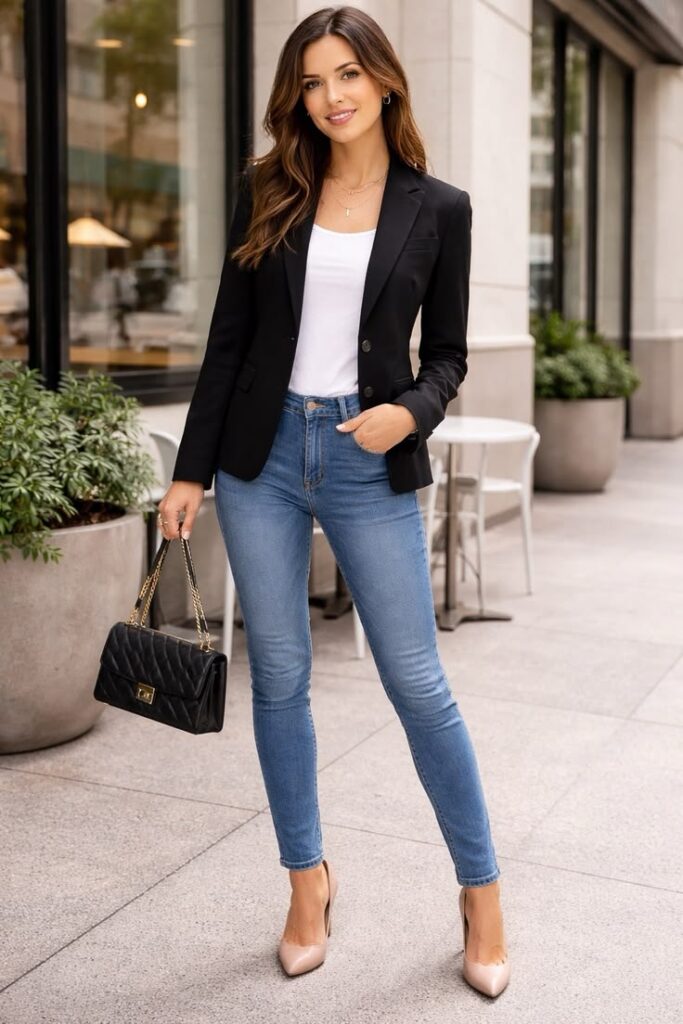
Pro-Tip on Sleeves: The 3/4 sleeve length or a casual sleeve cuff is incredibly powerful for petites. Showing the wrists breaks up heavy fabric blocks and adds immediate lightness to an outfit.
Navigating the Retail Landscape: Where and How to Shop
Shopping off-the-rack in standard sizes can be demoralizing. Standard sizing is mapped out for women between 5’5” and 5’8”. When a garment is scaled down to a dedicated Petite range, brands do not just chop off the bottom hem; they shift the armholes upward, shorten the torso, narrow the shoulders and raise the knee placement on pants.
Key Retail Destinations in North America
In North America, several prominent brands offer excellent and highly functional petite ranges:
• Anthropologie Petite: Exceptional for statement dresses, bohemian skirts and uniquely tailored pieces that do not lose their artistic detail when scaled down. See more at https://www.anthropologie.com/petite-clothes
• J.Crew & Banana Republic: The ultimate destinations for professional workwear, structured blazers, tailored trousers, and outerwear built specifically for smaller frames as seen at https://www.jcrew.com/.
• ASOS Petite: Ideal for contemporary trends, fast fashion, and affordable casual wear with a highly expansive petite database. For further reading, visit https://www.asos.com/us/women/petite/cat/?
• Abercrombie & Fitch: Known for offering short and extra-short lengths across almost their entire denim line, without changing the rise of the jeans. Visit https://www.abercrombie.com/shop/wd/womens for more information.
The Essential Tailoring Budget
If you are petite, a local tailor is your most valuable asset. Budget an extra $15 to $30 per garment for adjustments when buying investment pieces. Hemming jeans, shortening jacket sleeves from the shoulder and taking in a gaping waistband can transform a decent off-the-rack find into a custom-fitted masterpiece. Shop for the hardest parts to change (shoulders and hips) and let a tailor handle the lengths.
Styling Hacks: Visual Illusion and Footwear
Styling hacks you must learn to improve your petite fashion style are indicated below;
The Power of Monochrome
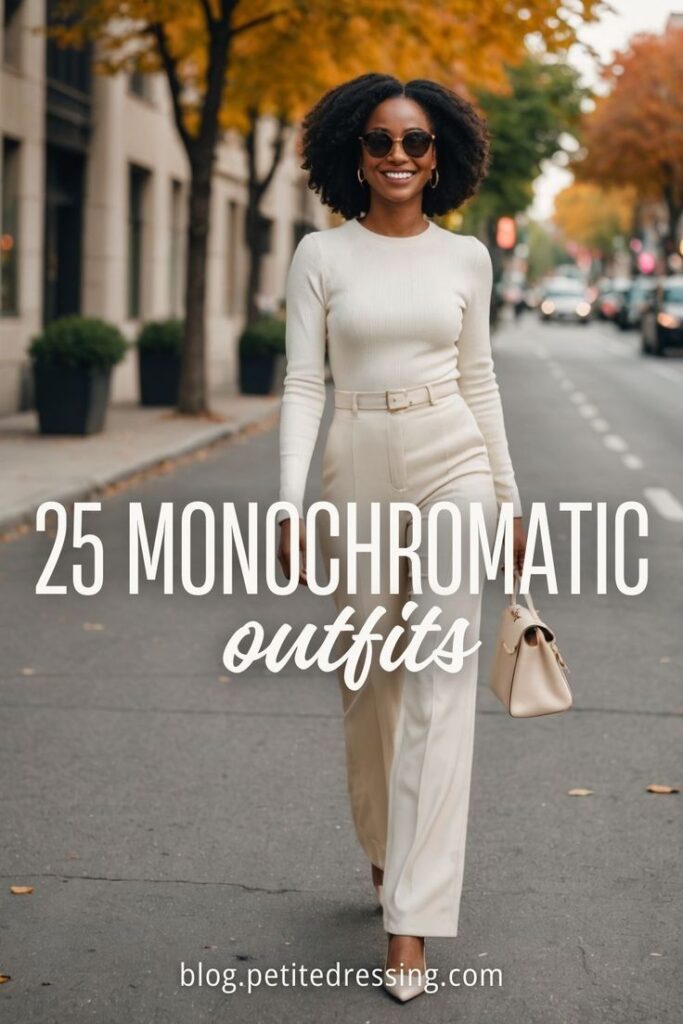
Wearing a single color or varying shades of the same tonal family from head to toe removes severe visual boundaries. The eye travels seamlessly from your neck down to your feet without stopping. You do not have to wear all black; rich creams, deep navy, olives, and warm terracottas work beautifully for creating a column of color.
Prints and Patterns: The Question of Scale
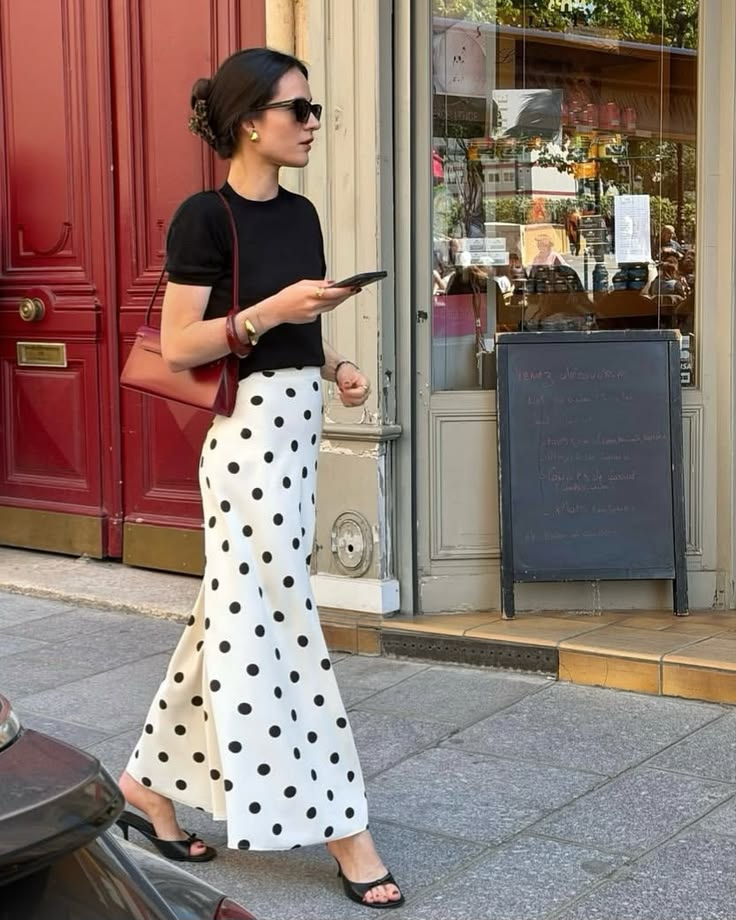
Petite women can absolutely wear prints but scale is vital. Massive, oversized abstract prints can swallow up a delicate frame, making the clothes look like they are wearing you. Opt for small-to-medium prints instead. Delicate florals, vertical pinstripes, houndstooth, and small polka dots are highly proportional and complement your frame effortlessly.
Footwear Dynamics
You do not need to suffer in five-inch stilettos to look elegant. Footwear shape matters far more than heel height:
• Pointed and Almond Toes: A pointed or gently tapered toe naturally extends the visual line of the foot, making legs look longer, whether you are wearing flats or heels. Square or round toes cut the foot off horizontally.
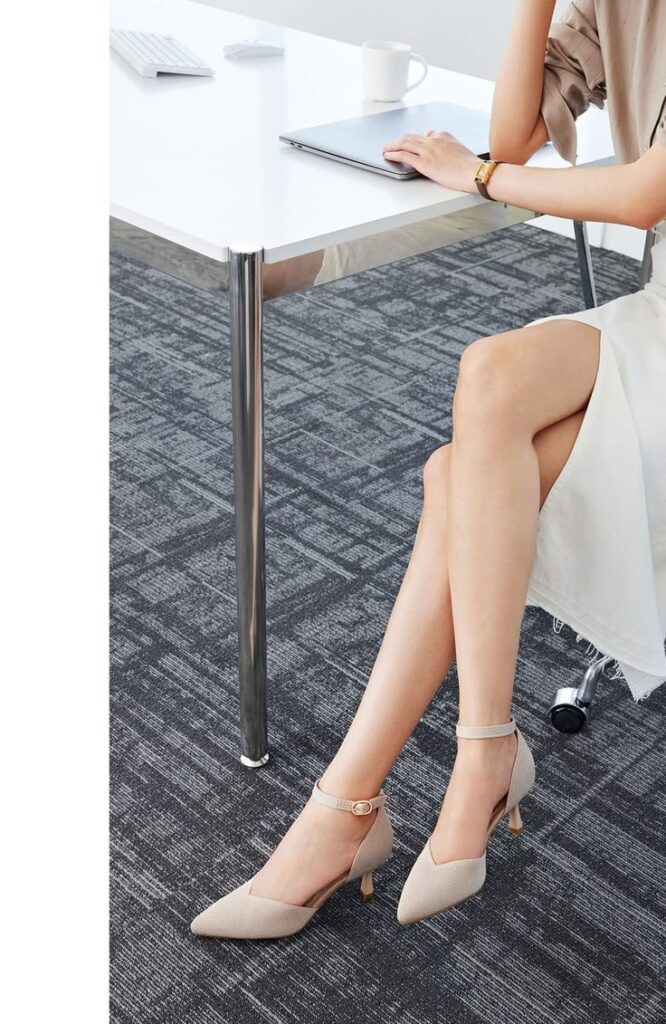
• Nude-to-You Footwear: When wearing skirts or shorts, choosing shoes that closely match your skin tone avoids an abrupt color break at the ankle, preserving a continuous leg line.
• Beware of Thick Ankle Straps: A thick, dark strap cutting across your ankle bone creates a clear horizontal line that visually shortens the lower leg. If you love ankle straps, look for delicate, thin ties or clear acrylic styles.
Wear the Clothes, Don’t Let Them Wear You
Fashion rules, at the end of the day, are merely guideposts, not laws. The ultimate goal of understanding your petite proportions is not to conform to a rigid standard of symmetry. It is simply to give you the upper hand when walking into a clothing store.
When you understand how lines, scales and cuts interact with your body, you take control of your style. Find the brands that fit your unique proportions, build a relationship with a trusted tailor, and choose clothes that make you feel confident, balanced, and entirely yourself.
Strategic Styling Tricks for Petite Women
- Define Your Natural Waist: High-waisted trousers, skirts, and jeans are a petite person’s best friend. They pull the visual starting point of your legs upward.
- Show a Little Skin (The Ankle/Wrist Rule): Standard long sleeves and full-length pants can look like they are wearing you. Showing the slimmest parts of your limbs like rolling up sleeves to the forearm or wearing cropped/ankle-length pants instantly lightens up the silhouette.
- Embrace Monochromatic Outfits: Wearing matching tones or a single color gradient from head to toe creates an uninterrupted vertical line, which naturally elongates your body.
- V-Necks and Open Necklines: Deep V-necks, scoop necks, or button-downs with the top couple of buttons undone draw the eye vertically and make your neck look longer.
Smart Shopping Tactics For Petite Women
Shopping off the rack when you are petite requires a shift in how you look at clothing tags and structure.
- Look for Scale, Not Just Length: True “Petite” lines aren’t just shorter in the hem. They feature scaled-down details: narrower shoulders, shorter rises (the distance from the crotch to the waistband), smaller armholes, and higher knee placements on jeans.
- Repurpose Regular “Cropped” Items: If you are shopping in standard sizes, look for items labeled “cropped” or “7/8 length.” On a petite frame, a regular cropped pant often hits perfectly as a full-length trouser, and a cropped boxy tee sits exactly at your natural waist without needing a tuck.
- Prioritize Tailoring: Find a great local tailor. Budgeting an extra bit of money to have standard trousers hemmed or sleeves shortened transforms an average outfit into looking custom-made for your exact proportions.
| Style Element | What to Look For | What to Tweak/Avoid |
| Pants & Jeans | High-rise, straight leg, bootcut, or ankle-length. | Low-rise, ultra-baggy drop-crotches, or wide cuffs. |
| Dresses & Skits | Mini lengths, high-slit maxis, or asymmetrical hems. | Awkward calf-length midis that cut your legs in half. |
| Footwear | Pointed toes, nude-to-you tones, low-vamp shoes. | Thick, chunky ankle straps that visually slice your ankle. |
| Patterns & Prints | Micro-prints, vertical pinstripes, small florals. | Massive, oversized graphics that overwhelm your frame. |
For further reading, view https://satinsandsparkle.com/the-complete-petite-fashion-guide-how-to-shop-dress-and-style-your-body-proportionally/
Emem Ekwere