
How to Plan a Wedding Step by Step for Beginners
Disclosure: Some of the links in this post are affiliate links. This means if you click on the link and purchase an item, I will receive an affiliate commission at no extra cost to you.
How to Plan a Wedding Step by Step for Beginners is a question almost every newly engaged couple asks. If this is your first time planning a wedding, it is completely normal to feel excited one minute and overwhelmed the next.
There are so many decisions to make that it can be difficult to know where to begin.
The truth is, planning a wedding is not about getting everything perfect from day one. It is about making one good decision after another until everything comes together.
When you approach the process step by step, it becomes much easier to stay organized, manage your budget, and actually enjoy this exciting chapter of your life.
Whether you are planning a simple ceremony or a grand celebration, this beginner friendly guide will help you understand exactly where to start and what to do next.
Why Learning How to Plan a Wedding Step by Step for Beginners Is Important
Many couples think wedding planning starts with booking a venue or shopping for a dress. In reality, it starts with having a plan.
Without one, it is easy to spend money on things you later regret or overlook important details that become stressful as the wedding gets closer.
Planning Gives You Confidence

When you understand what comes first and what can wait, every decision becomes easier.
Instead of reacting to every new idea you see online, you can focus on building a wedding that reflects your personality and fits your budget.
It Helps You Stay Organized
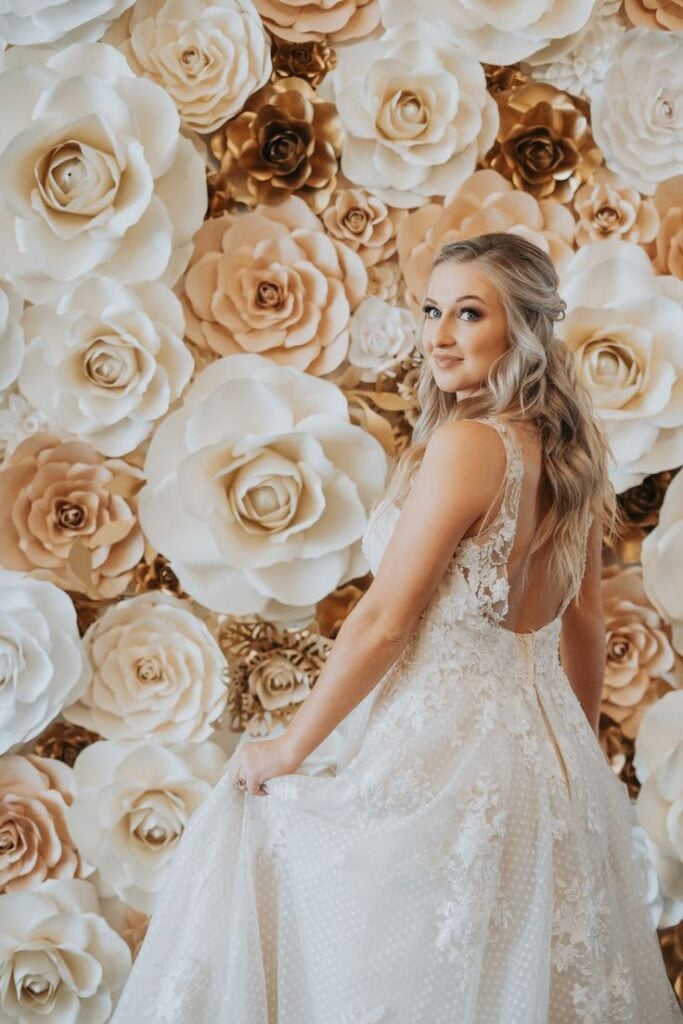
Wedding planning involves many moving parts, from choosing vendors to managing guest lists and timelines.
Staying organized from the beginning saves time, reduces stress, and helps you avoid last minute surprises.
If you would like a practical guide to keep track of every task, our Wedding Planning Checklist is a great resource to use alongside this beginner’s guide. It breaks the planning process into manageable stages, making it easier to stay on top of every detail.
Step 1: Decide What You Want Your Wedding to Feel Like
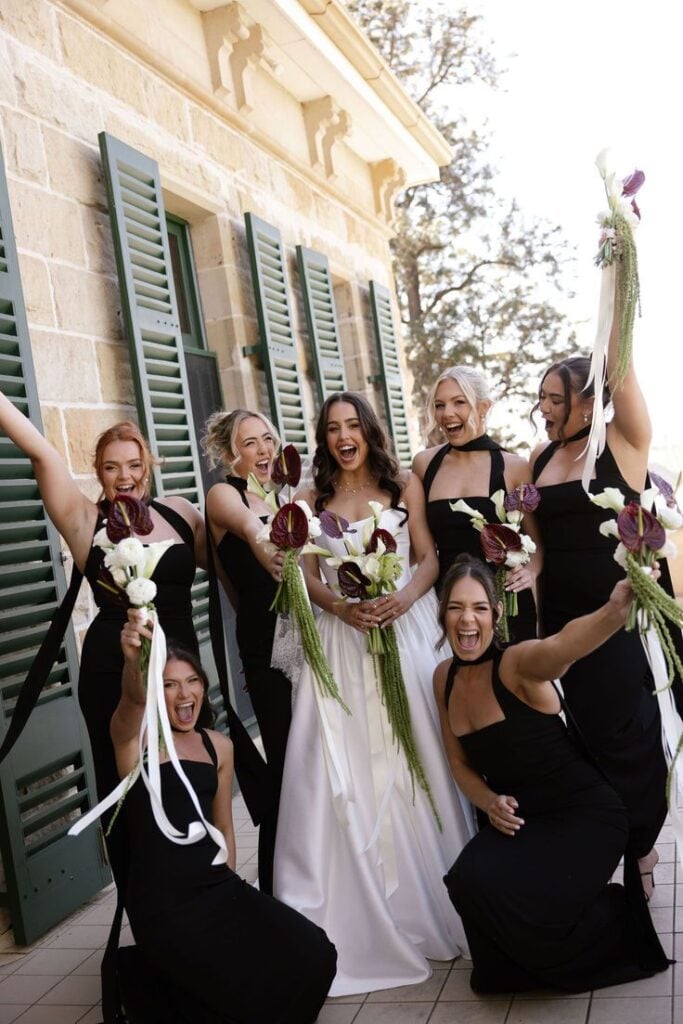
Before spending money or making reservations, think about the kind of experience you want to create.
Many couples spend hours saving beautiful wedding photos online without asking themselves whether those ideas actually suit their personalities.
Forget Trends for a Moment
Wedding trends come and go, but your memories will last forever.
Instead of copying what everyone else is doing, ask yourselves what feels right.
Do you picture an elegant evening reception, a relaxed outdoor celebration, or an intimate gathering with your closest family and friends?
Your answers will shape every decision you make later.
Talk About Your Expectations
Sit down with your partner and have an honest conversation.
Talk about the size of the wedding, the atmosphere you want, any traditions you would like to include, and what you definitely do not want.
These conversations may seem simple, but they help prevent disagreements later in the planning process.
Step 2: Set Your Priorities Before Your Budget

One of the biggest mistakes beginners make is trying to spend equally on everything.
The truth is that every couple values different parts of their wedding.
Decide What Matters Most
Ask yourselves what you want guests to remember.
Is it amazing food?
Beautiful photographs?
A lively dance floor?
A stunning venue?
Knowing your priorities makes it much easier to decide where your money should go.
Accept That You Cannot Have Everything
Every budget has limits.
Instead of trying to include every wedding trend you have ever seen, focus on the details that will have the greatest impact on your day.
A wedding that reflects your personality will always feel more meaningful than one filled with expensive extras you never truly wanted.
Step 3: Create a Budget That Works for You
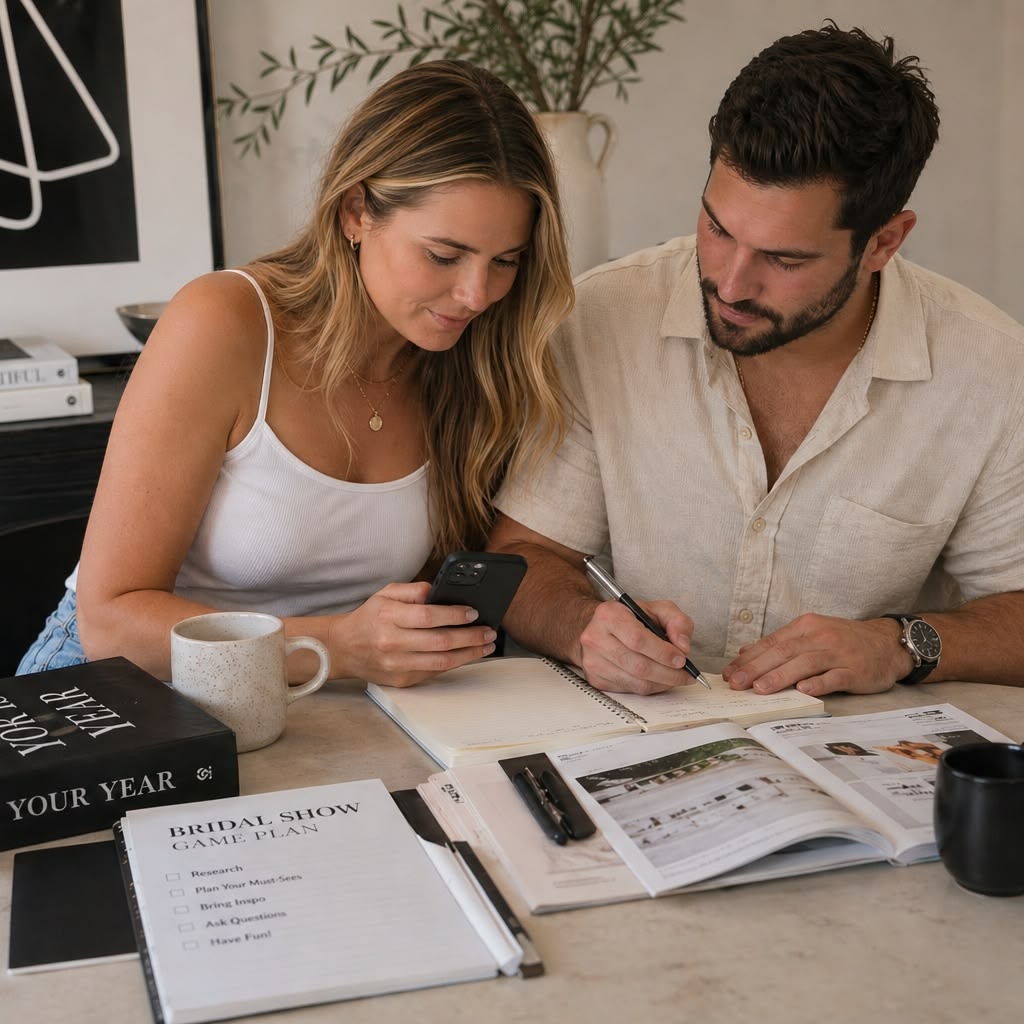
Now that you know what matters most, it is time to create a realistic budget.
This does not mean choosing the cheapest options. It means understanding what you can comfortably afford.
Be Honest About Your Finances
Start by discussing how much you and your partner can contribute.
If parents or family members have offered financial support, talk openly about expectations before making any bookings.
Having these conversations early prevents confusion later.
Divide Your Budget Into Categories
Instead of looking at one large amount of money, break it into smaller sections.
Allocate funds for your venue, catering, photography, attire, flowers, entertainment, invitations, transportation, decorations, and other important expenses.
Doing this gives you a clearer picture of where your money is going.
Always Leave Room for Surprises
Even carefully planned weddings come with unexpected expenses.
You may need extra alterations, additional flowers, or last minute transportation.
Setting aside a small emergency fund means these surprises will not disrupt your plans.
Once you have your budget in place, following The Perfect 12 Month Wedding Planning Timeline can help you schedule each planning task at the right time, making the entire process feel much more manageable.
Step 4: Build Your Guest List Before Booking Anything
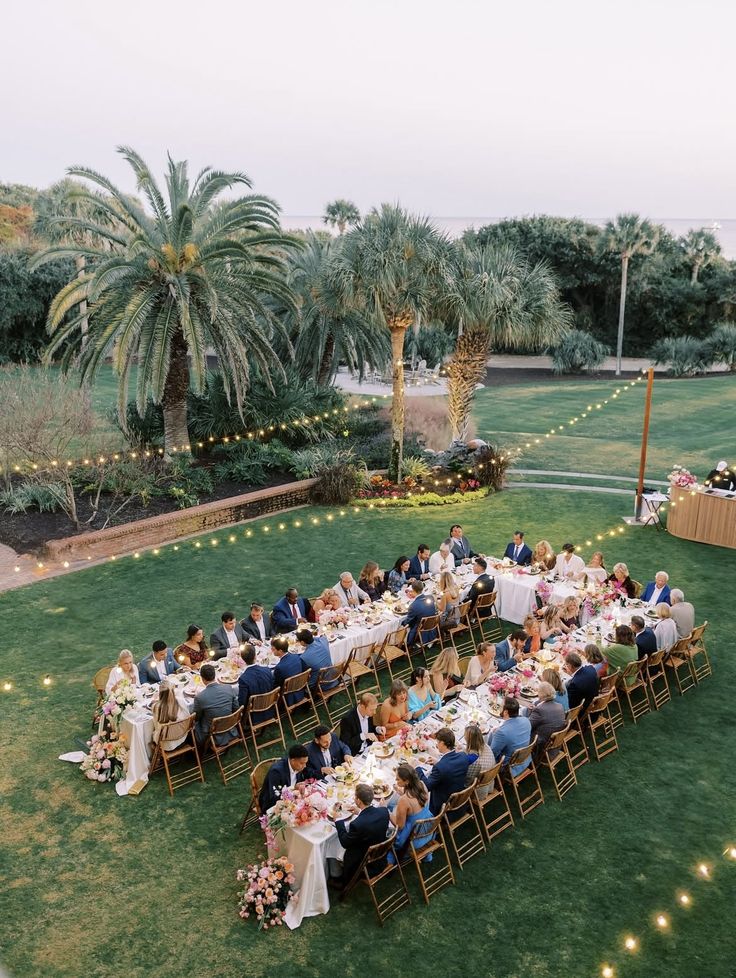
Many beginners fall in love with a venue before knowing how many people they actually want to invite.
This often creates unnecessary problems later.
Start With Your Must Have Guests
Write down the people you cannot imagine celebrating without.
Immediate family, close friends, and loved ones usually make up this first list.
Once that is complete, you can decide whether there is room for additional guests.
Think About Quality Over Quantity
A bigger wedding is not always a better wedding.
Many couples discover that smaller celebrations allow them to spend more meaningful time with each guest instead of rushing from table to table.
Choose the guest list that feels right for you rather than trying to meet other people’s expectations.
Remember That Every Guest Affects Your Budget
Each additional invitation increases costs.
Food, seating, invitations, wedding favors, and even venue size all depend on your final guest count.
Keeping this in mind makes it easier to make thoughtful decisions.
Step 5: Choose a Venue That Matches Your Vision
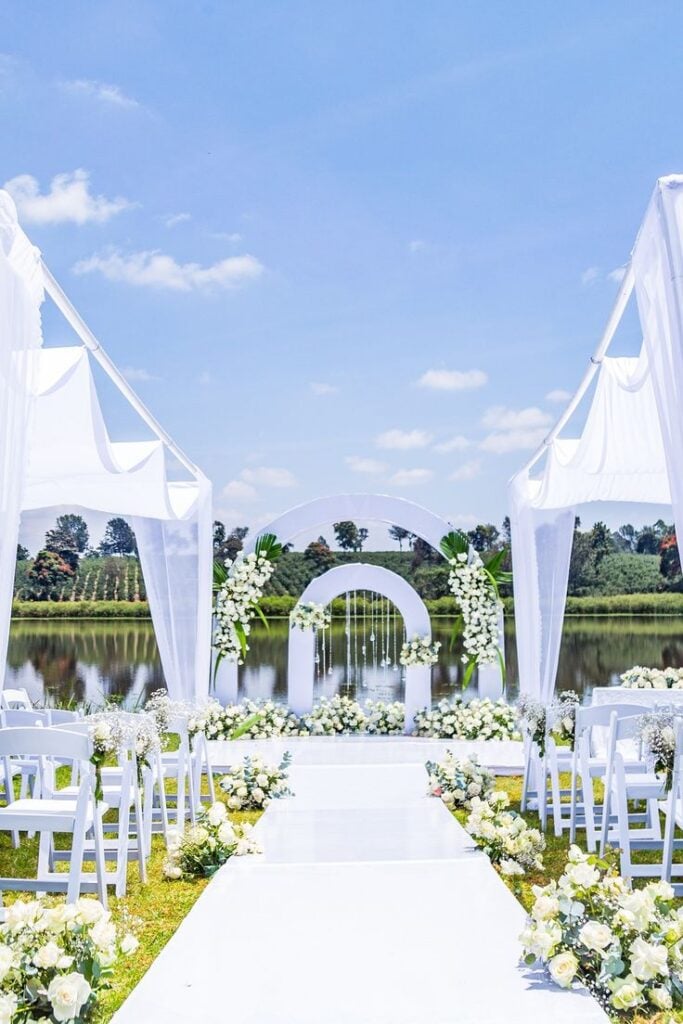
Once you know your budget and guest count, you can begin searching for the perfect venue.
This is one of the most exciting parts of wedding planning because everything starts to feel real.
Look Beyond Beautiful Pictures
A venue may look stunning online, but photographs do not tell the whole story.
Visit your top choices in person whenever possible.
Pay attention to the atmosphere, cleanliness, layout, and how welcoming the space feels.
Ask Practical Questions
Find out exactly what is included in the venue package.
Some venues provide tables, chairs, catering, and event coordination, while others only provide the space.
Knowing these details helps you compare options more accurately.
Imagine Your Wedding Day
As you walk through each venue, picture your ceremony and reception taking place there.
Can you imagine greeting your guests?
Can you picture your first dance?
Sometimes the right venue is not just the most beautiful one. It is the one that feels like the perfect setting for your story.
Step 6: Book Your Vendors in the Right Order
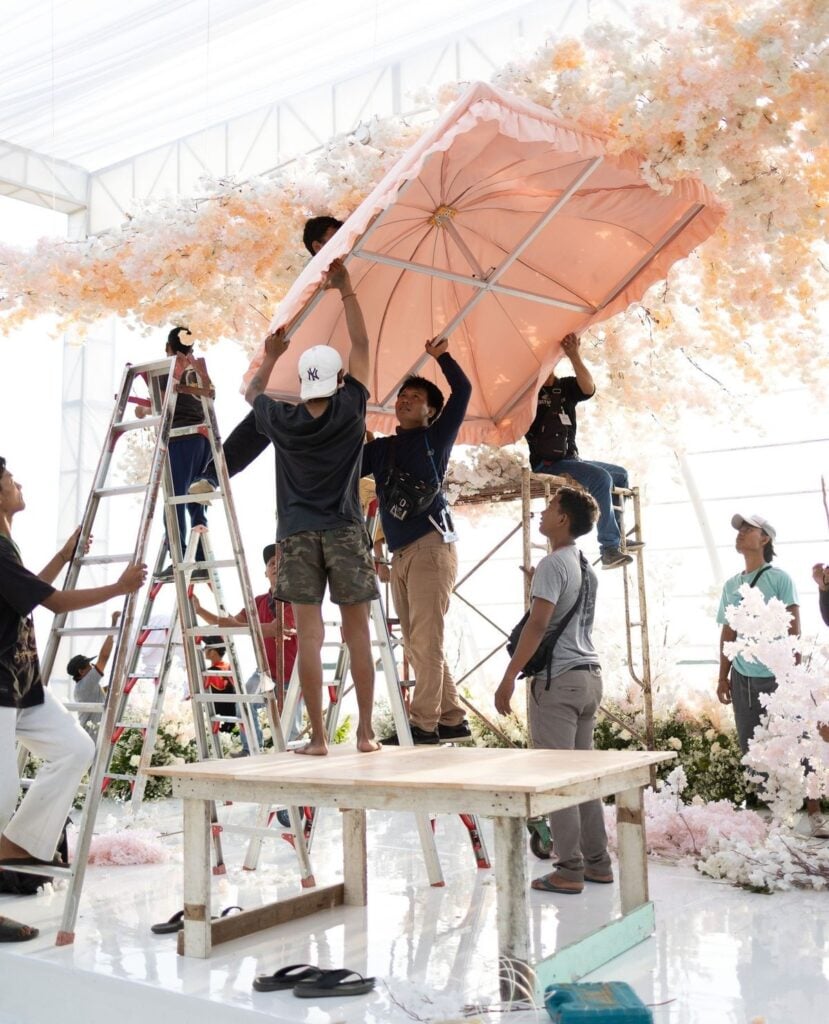
Once your venue is secured, it is time to build the team that will bring your wedding to life.
Choosing the right vendors is about more than finding the lowest price. It is about finding professionals you trust.
Start With the Most Important Vendors
Some vendors book months or even years in advance.
Photographers, videographers, caterers, and entertainment are often in high demand, so they should be among your first bookings.
Securing them early gives you more options and reduces the risk of disappointment.
Do Your Research
Before signing any contracts, read reviews, ask questions, and request to see previous work.
A great vendor will communicate clearly, understand your vision, and make you feel confident about your decision.
Remember that you are not simply hiring a service. You are choosing people who will play an important role on one of the biggest days of your life.
Step 7: Find Wedding Attire That Makes You Feel Your Best
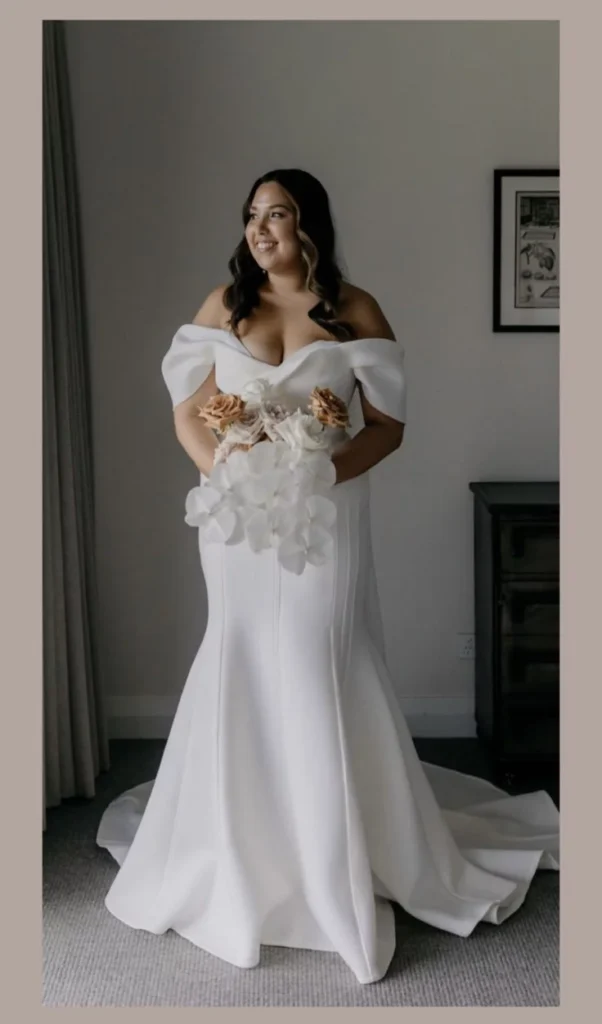
Now that the biggest decisions are taking shape, it is time to think about what you and your partner will wear. Choosing your wedding attire should be an enjoyable experience, not a stressful one.
Start Shopping Early
One mistake many beginners make is waiting until the last minute to shop for wedding attire. Dresses and suits often need alterations, and those adjustments can take weeks or even months.
Starting early gives you enough time to explore different styles without feeling pressured into making a quick decision.
Dress for Your Wedding, Not Someone Else’s
It is easy to fall in love with a dress or suit because it looks amazing on social media, but your wedding outfit should suit your venue, the season, and most importantly, your personality.
If you are having a beach wedding, a heavy gown may not be the most comfortable choice. Likewise, a very casual outfit may not suit a formal ballroom celebration.
Choose something that allows you to move comfortably, smile confidently, and enjoy every moment of your day.
Do Not Forget the Finishing Touches
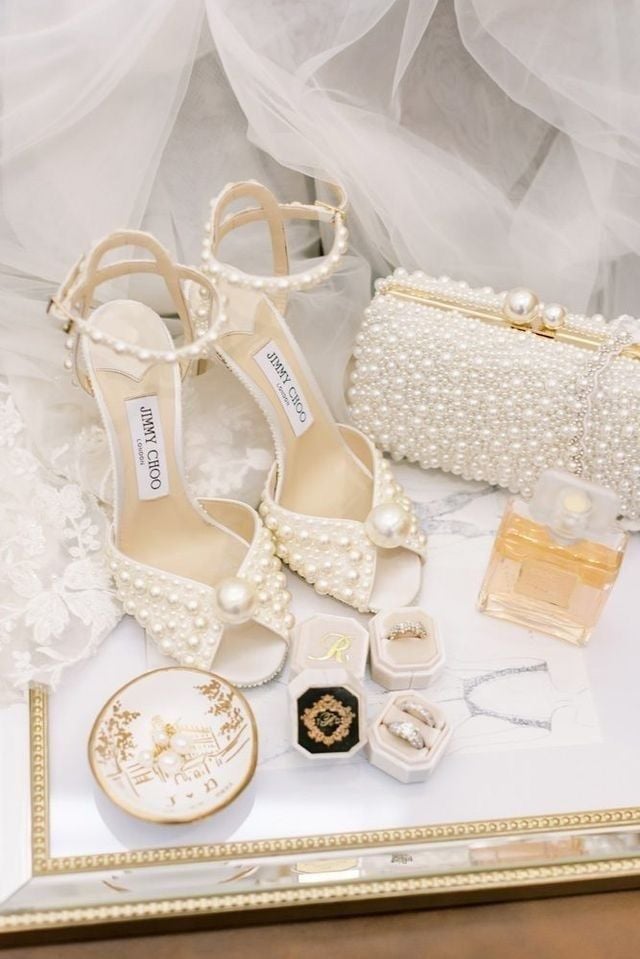
Your shoes, jewelry, veil, tie, cufflinks, and other accessories complete your overall look. Instead of treating them as an afterthought, choose pieces that complement your outfit without overpowering it.
Remember that comfort matters just as much as style. You will be wearing these items for several hours, so make sure they feel as good as they look.
Step 8: Plan a Ceremony That Feels Personal
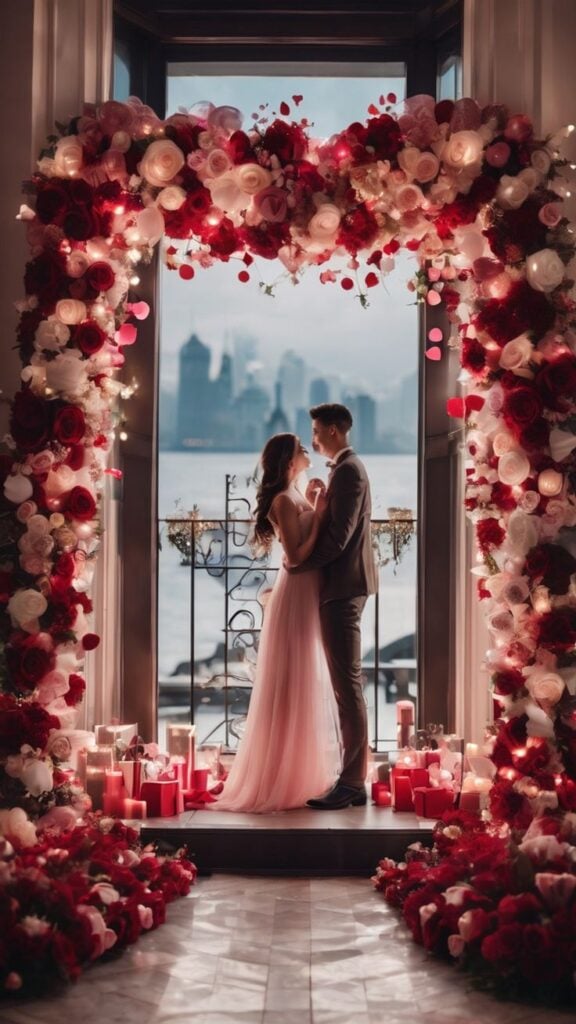
The ceremony is the heart of your wedding. It is the moment when you make lifelong promises to each other, so it deserves just as much attention as the reception.
Think Beyond Tradition
Traditional ceremonies are beautiful, but they are not your only option.
You can include meaningful readings, personal vows, cultural traditions, or special music that reflects your relationship.
Small personal touches often make the ceremony more memorable for both you and your guests.
Work Closely With Your Officiant
Meet with your officiant well before the wedding day to discuss the order of events and any special requests.
This conversation helps everyone understand what to expect and allows you to make adjustments before the ceremony.
Practice Before the Big Day
A rehearsal may seem unnecessary, but it helps everyone feel more confident.
Walking through the ceremony with your wedding party reduces nerves and ensures everyone knows where to stand, when to walk, and what to do.
Step 9: Create a Reception Your Guests Will Enjoy
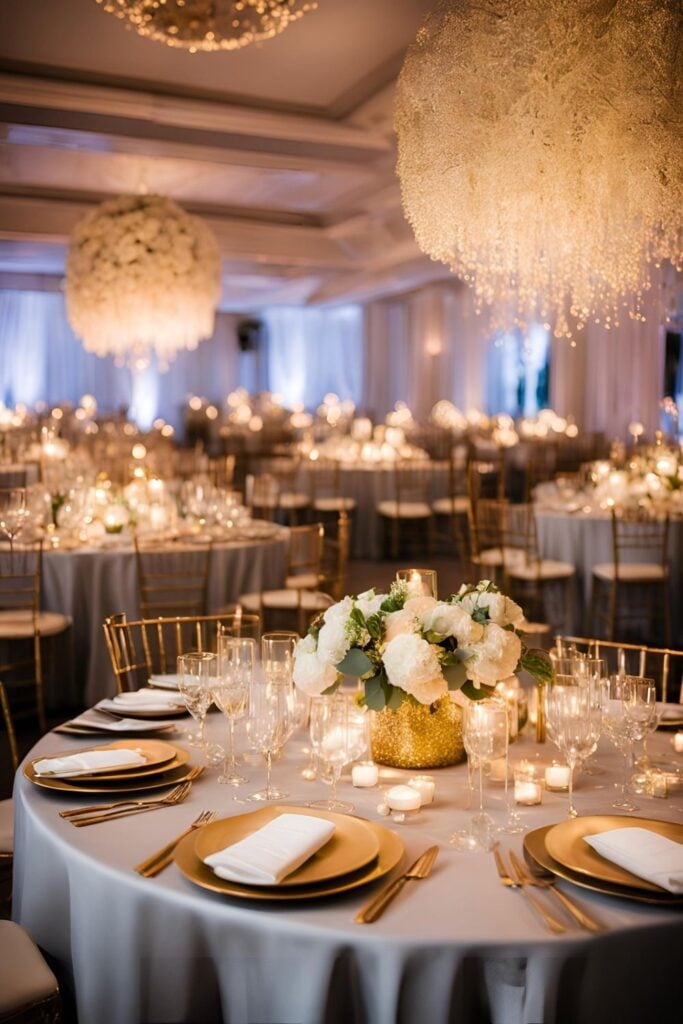
After the ceremony comes the celebration, and this is where everyone gets to relax, laugh, and make memories together.
Focus on the Guest Experience
Beautiful decorations are wonderful, but your guests are more likely to remember how they felt during the celebration.
Think about comfortable seating, delicious food, good music, and enough time for everyone to socialize.
When guests feel welcomed and included, they naturally enjoy themselves.
Keep Your Timeline Realistic
Avoid squeezing too many activities into one evening.
Leave enough time for dinner, speeches, dancing, photographs, and simply enjoying the company of your loved ones.
A relaxed schedule creates a much more enjoyable atmosphere than one where everyone feels rushed.
Add Personal Details
The best receptions often include little touches that tell your story.
This could be a signature drink inspired by your first date, a display of childhood photographs, a favorite dessert instead of a traditional cake, or songs that hold special meaning for both of you.
These thoughtful details make your celebration feel unique without requiring a huge budget.
Step 10: Stay Organized During the Final Weeks

As your wedding day approaches, excitement usually increases, but so does the number of small tasks that need your attention.
The key is staying calm and focusing on one thing at a time.
Confirm Every Booking
Contact each of your vendors to confirm arrival times, services, and payment schedules.
This simple step helps avoid misunderstandings and gives you confidence that everyone is prepared.
Pack Ahead of Time
If you are leaving for your honeymoon shortly after the wedding, pack your bags a few days in advance.
Gather important documents, wedding accessories, and anything else you will need so you are not rushing at the last minute.
Prepare for the Unexpected
No wedding goes exactly according to plan, and that is perfectly normal.
Weather changes, minor delays, or forgotten items can happen.
Instead of worrying about every possible scenario, accept that small surprises are part of the experience. Most guests will never notice them.
Common Mistakes Beginners Should Avoid
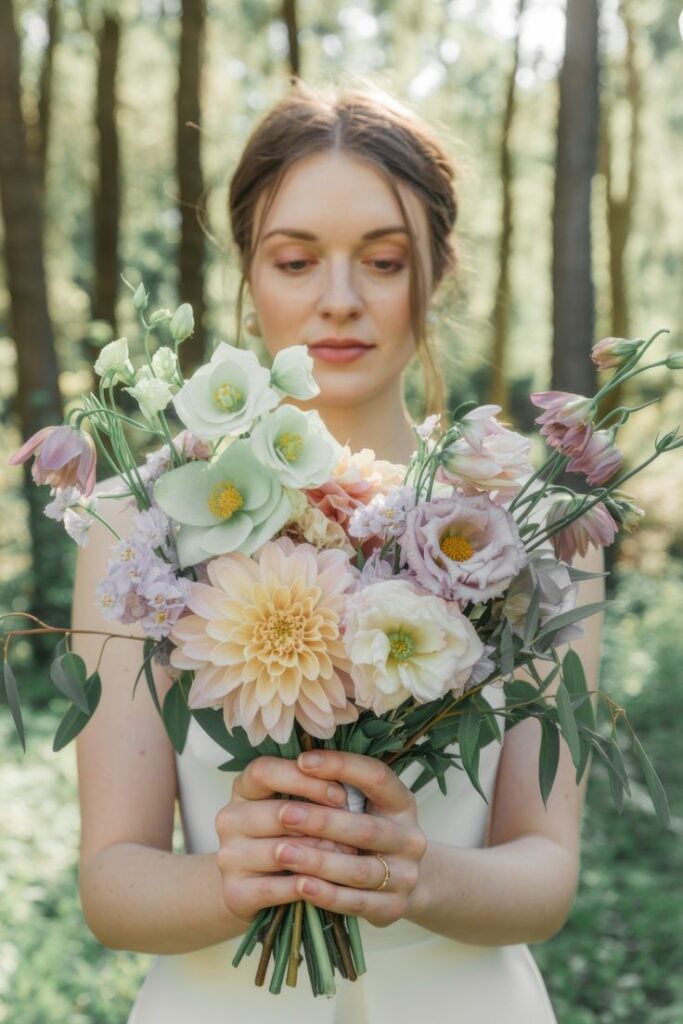
Even with careful planning, there are a few mistakes that many first time couples make.
Learning from them now can save you time, money, and unnecessary stress.
Trying to Please Everyone
Family members and friends often have strong opinions about weddings.
While listening to advice can be helpful, remember that this celebration belongs to you and your partner.
Make decisions based on what feels right for both of you rather than trying to satisfy everyone else.
Comparing Your Wedding to Social Media
It is easy to believe every wedding should look like the perfectly edited photos you see online.
In reality, those images rarely show the challenges behind the scenes.
Focus on creating meaningful memories instead of chasing perfection.
Leaving Everything Until the Last Minute
Procrastination creates unnecessary pressure.
Breaking your planning into smaller tasks over several months makes the process much more enjoyable and helps you make better decisions.
Remember to Enjoy the Journey
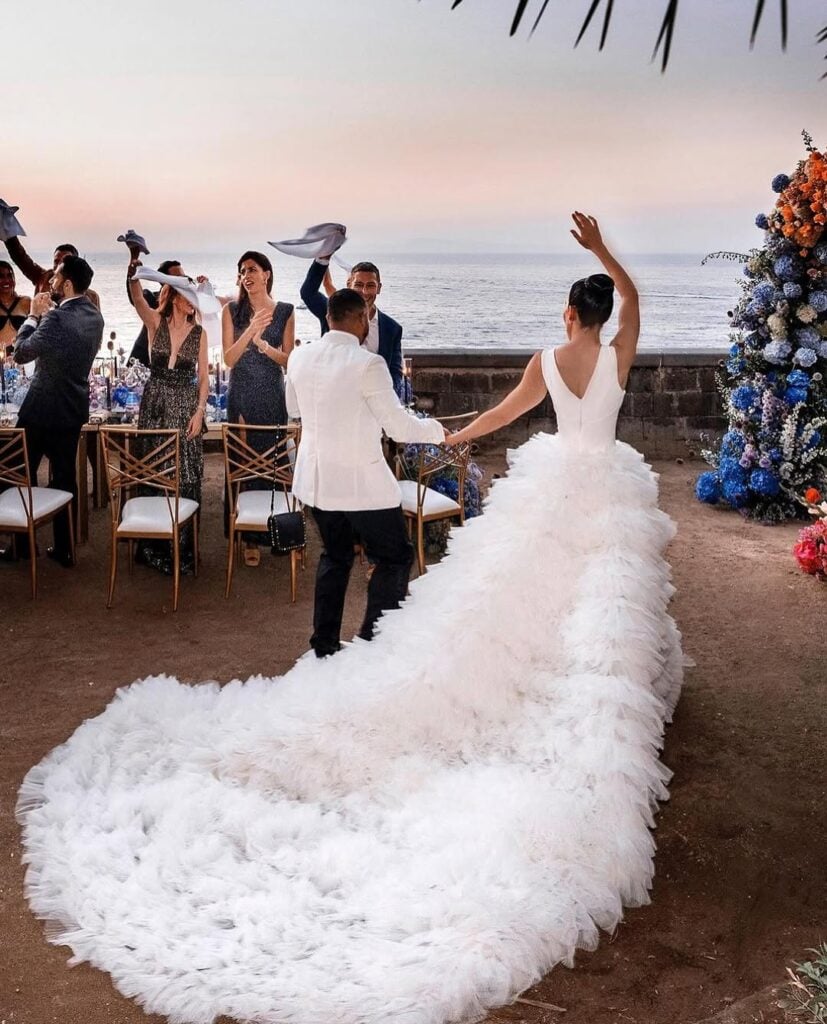
It is easy to become so focused on planning that you forget why you are planning the wedding in the first place.
Your engagement is a special season that deserves to be enjoyed.
Make Time for Each Other
Not every date night has to involve discussing seating charts or wedding flowers.
Spend time together doing the things you loved before planning began.
These moments strengthen your relationship and remind you that your marriage is more important than the wedding itself.
Celebrate Small Milestones
Every completed booking, every finished decision, and every crossed off task is progress.
Celebrate those moments instead of only looking ahead to the wedding day.
Doing so makes the entire journey feel more rewarding.
Accept That Perfection Is Not the Goal
The most unforgettable weddings are not perfect.
They are filled with genuine laughter, heartfelt emotions, happy tears, and unexpected moments that become cherished memories.
If something does not go exactly as planned, do not let it overshadow everything else that is going right.
Your First Steps Toward a Beautiful Wedding

Planning your first wedding may seem overwhelming at the beginning, but every confident couple once stood exactly where you are now.
The secret is not knowing everything from the start. It is taking one step, learning as you go, and trusting the process.
As you continue your planning journey, remember that every decision should bring you closer to creating a wedding that reflects your relationship, your values, and your future together.
Do not feel pressured to follow every trend or meet every expectation.
The most meaningful weddings are the ones that feel authentic to the couple at the center of the celebration.
Whenever you feel unsure about what comes next, return to the basics and focus on one task at a time.
Most importantly, enjoy every moment of this chapter. Before you know it, you will be standing beside the person you love, surrounded by family and friends, ready to begin a lifetime of new memories together.