The Most Popular Wedding Flowers by Season
Disclosure: Some of the links in this post are affiliate links. This means if you click on the link and purchase an item, I will receive an affiliate commission at no extra cost to you.
The time of year you get married can have a big effect on your wedding flowers. Spring brings soft blooms and fresh colors. Summer gives you bright, cheerful options. Fall is perfect for warm tones, while winter works beautifully with rich colors, greenery, and elegant white flowers.
Your wedding season can also affect flower availability and price. Some blooms are easy to find during certain months but harder to source at other times of the year. Knowing what naturally works with your season can make your decisions much easier.
If you are still trying to understand which flowers work best for different parts of your wedding, [Wedding Flowers Explained for Beginners] is a useful place to start.
Now let’s look at the most popular wedding flowers for each season and where you can use them throughout your wedding day.
1. Spring Wedding Flowers

Spring weddings have a naturally fresh and romantic feel. This is the season when many beautiful flowers begin appearing, giving you plenty of options for bouquets, ceremony arrangements, and reception decorations.
Some of the most popular spring wedding flowers include peonies, tulips, ranunculus, sweet peas, lilacs, hyacinths, and daffodils.
Peonies
Peonies are one of the most loved wedding flowers for a reason. Their large, soft blooms make a bridal bouquet look full and luxurious.
They work especially well for romantic weddings. You can use them on their own or combine them with roses, ranunculus, or delicate greenery.
Keep in mind that peonies have a shorter natural season. If you are getting married outside their usual growing period, your florist may need to source them from another region.
Tulips
Tulips are simple but incredibly elegant. Their clean shape works well for both modern and classic weddings.
They are available in many colors, including white, pink, yellow, peach, and deeper shades. This makes them easy to work into different wedding color palettes.
Tulips can also be beautiful in tall arrangements because their stems have a naturally graceful shape.
Ranunculus
Ranunculus has layers of delicate petals that give arrangements plenty of texture. They are especially pretty in smaller bouquets where you want several flowers to create a soft, full appearance.
They also pair beautifully with roses, sweet peas, and greenery.
2. Summer Wedding Flowers

Summer gives you a wide range of wedding flower choices. Bright colors, soft pastels, and lush arrangements can all work beautifully during this season.
Popular summer wedding flowers include roses, dahlias, hydrangeas, lisianthus, garden roses, delphiniums, and sunflowers.
Roses are a reliable favorite because they work with almost every wedding style. You can use them in a classic bouquet, a large ceremony arrangement, or simple reception centerpieces.
Hydrangeas are another popular choice. Their large flower heads can add volume to arrangements without requiring as many individual stems.
Dahlias are perfect when you want something more dramatic. Their detailed petals make them stand out in bouquets and larger floral displays.
Think About Your Wedding Colors
Summer flowers can work with almost any color palette. Soft pink and cream can create a romantic look, while peach, coral, yellow, and orange can make the wedding feel brighter.
Your flowers do not need to match every detail of your wedding. Instead, they should complement the overall palette.
If your bridesmaids are wearing different shades, your flowers can also bring the colors together.
How to Pick Bridesmaid Dress Colors That Match Your Wedding can give you more ideas for creating a balanced color scheme.
3. Fall Wedding Flowers

Fall weddings give you a chance to bring deeper, warmer colors into your floral arrangements. Think terracotta, burgundy, rust, orange, dusty pink, cream, and deep red.
Some of the most popular fall wedding flowers include dahlias, chrysanthemums, roses, carnations, cosmos, amaranthus, and celosia.
Dahlias
Dahlias are one of the standout flowers for fall weddings. Their large blooms can make a bouquet feel rich and dramatic without needing too many different flowers.
They work especially well with warm colors. You can pair burgundy dahlias with cream roses or add blush flowers for a softer look.
Dahlias also work beautifully in reception centerpieces and ceremony arrangements.
Chrysanthemums
Chrysanthemums come in many shapes and colors, making them surprisingly versatile for weddings.
They can create a full, layered arrangement when mixed with roses and greenery. They are also useful when you want beautiful flowers without making every arrangement extremely expensive.
Amaranthus
Amaranthus has a flowing shape that can make wedding arrangements feel more natural and relaxed. The long hanging blooms add movement to bouquets and centerpieces.
It works particularly well for rustic, romantic, and garden inspired weddings.
If you want your fall flowers to feel connected to your overall wedding style, you can also explore How to Plan a Beautiful Wedding Without Feeling Overwhelmed for ideas on keeping your choices simple and intentional.
4. Winter Wedding Flowers

Winter weddings can look incredibly elegant with the right flowers. You do not have to use traditional Christmas colors or make your wedding look overly seasonal.
Popular winter wedding flowers include roses, anemones, ranunculus, amaryllis, hellebores, orchids, and carnations.
White flowers are especially beautiful during this season. A bouquet filled with white roses, ranunculus, and greenery can create a clean and sophisticated look.
Anemones
Anemones have a distinctive dark center that makes them easy to notice in a bouquet. White anemones with dark centers can look particularly elegant when paired with greenery.
They are a good choice if you want your flowers to have some visual contrast.
Amaryllis
Amaryllis has a bold, dramatic bloom that works well for winter celebrations. A few stems can make a simple arrangement feel much more impressive.
You can use them in ceremony flowers, reception arrangements, or even as part of a statement bouquet.
Hellebores
Hellebores have a delicate appearance and work beautifully in romantic winter arrangements. Their slightly unusual shape can also make a bouquet feel more personal.
They pair well with other soft flowers and greenery.
5. Consider the Flower Season Before Finalizing Your Bouquet

Your favorite flower may not naturally bloom during your wedding season. That does not always mean you have to remove it from your plans.
Your florist may be able to source the flower from another growing region. However, this can sometimes increase the cost.
This is why it helps to have a few flower options in mind instead of becoming attached to one exact bloom.
For example, if you love the full look of peonies but they are not available when you are getting married, your florist may suggest another flower with a similar shape and feel.
You can also look at 30 Beautiful Bridesmaid Bouquet Ideas if you want more inspiration for combining different flowers, colors, and greenery.
6. Think About Your Wedding Budget

Flowers can become one of the larger parts of a wedding budget, especially when you want large ceremony installations, elaborate centerpieces, and several bouquets.
The season can affect this cost because flowers that are naturally available may be easier to source than flowers that need to be imported or specially ordered.
Your florist can help you find alternatives that give you a similar appearance without pushing your budget too far.
It is also worth remembering that you do not need every part of your wedding venue covered in flowers. A few well placed arrangements can often have more impact than lots of small decorations.
If you want to understand some of the costs couples often miss when planning their wedding, Wedding Expenses Couples Forget to Budget For is worth reading.
7. Match Your Flowers to Your Wedding Style

Your wedding season should guide your flower choices, but it does not have to control them.
A summer wedding can still have soft, romantic flowers. A winter wedding can have colorful arrangements. A fall wedding can have light and airy flowers.
The important thing is to create a combination that feels like your wedding.
For a classic celebration, roses and hydrangeas can work beautifully. For a relaxed garden wedding, you might prefer sweet peas, cosmos, ranunculus, and loose greenery.
If you want a more timeless approach to the overall wedding look, Classic Groom Style Ideas That Never Go Out of Fashion can also give you inspiration for keeping different parts of the wedding cohesive.
8. Choose Flowers That Fit Your Wedding Colors

Your wedding flowers do not need to match your colors perfectly. In fact, using flowers in slightly different shades can make your arrangements look more natural and interesting.
For a soft wedding palette, consider flowers in cream, blush, peach, pale pink, or white. If you prefer something richer, burgundy, rust, deep red, and plum can create a beautiful look.
Greenery can also play an important role. It can add depth to an arrangement without introducing another strong color.
Think about your flowers alongside your bridesmaid dresses, table linens, stationery, and other major details. The goal is for everything to feel connected.
9. Think About the Size of Your Wedding

The size of your wedding can influence how many flowers you actually need.
A small wedding may only need a bridal bouquet, a few bridesmaid bouquets, ceremony flowers, and simple table arrangements. A large celebration may require flowers for several areas of the venue.
This does not mean a larger wedding needs more elaborate flowers everywhere.
Instead, think about the places your guests will notice most. Your ceremony entrance, altar, sweetheart table, and guest tables may deserve more attention than areas guests will barely see.
If you are still working through the many details of your wedding, The Ultimate Wedding Planning Checklist from Engagement to “I Do” can help you keep track of the bigger picture.
10. Use Greenery to Add Volume

Flowers do not have to do all the work.
Greenery can make bouquets and arrangements look fuller while adding texture and movement. Eucalyptus, olive branches, ruscus, ferns, and other greenery can all create different effects.
For a romantic wedding, soft greenery can make an arrangement feel loose and natural.
For a modern wedding, you might prefer a cleaner arrangement with less greenery and more focus on the flowers themselves.
Greenery is also useful when you want a beautiful arrangement without filling every space with expensive blooms.
11. Think About Where Your Flowers Will Go

Before ordering flowers, make a simple list of the places that need them.
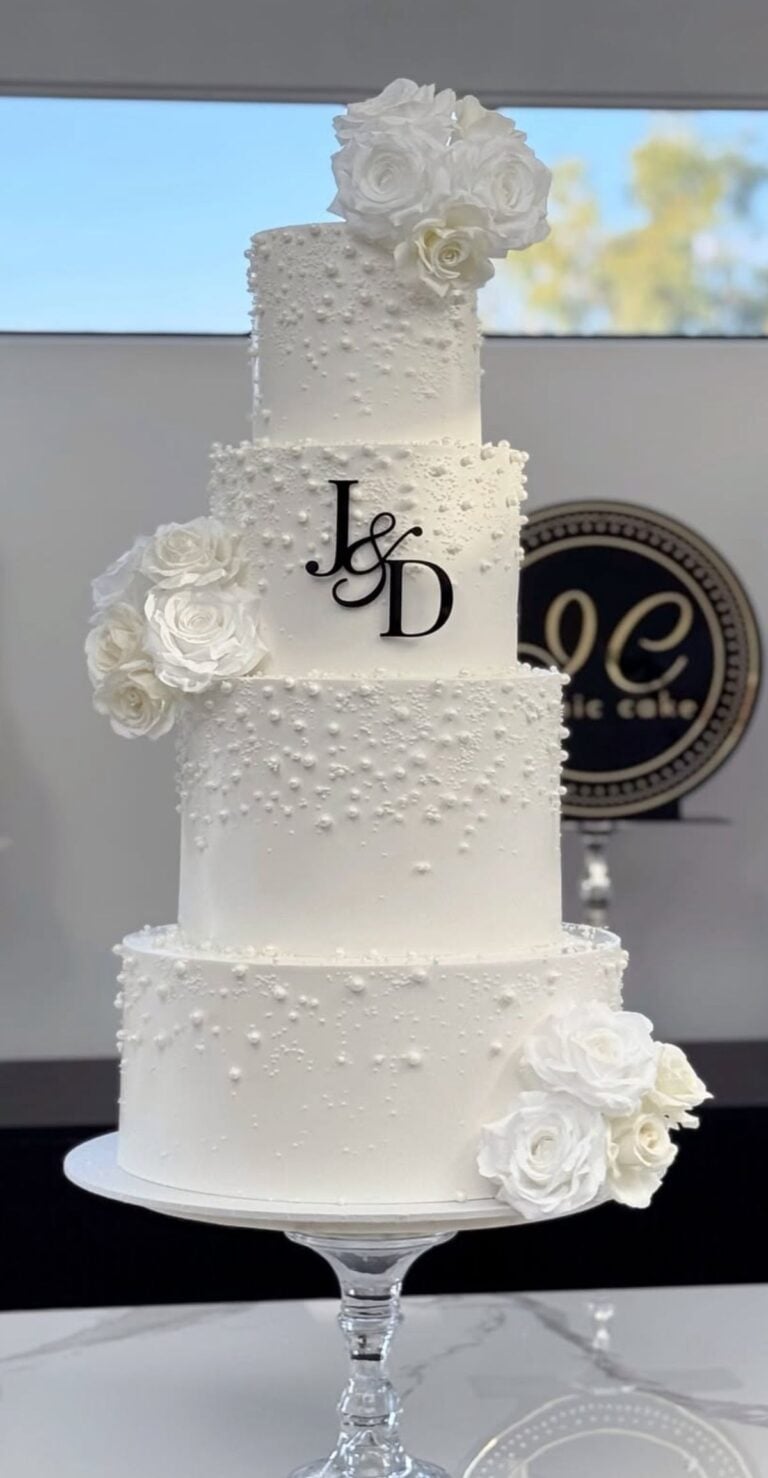
Your bridal bouquet is usually one of the most important arrangements. You may also need bouquets for your bridesmaids, flowers for the ceremony, reception centerpieces, flowers for the cake, and arrangements for other important areas.
Do not forget smaller details such as the welcome table, seating chart, bar, gift table, or guest book table if you plan to decorate them.
Your florist can help you decide which areas need fresh flowers and which ones can look beautiful with candles, greenery, fabric, or other decorations.
This can make your floral budget much easier to manage.
12. Let Your Favorite Flowers Take the Lead

You do not need to use every popular wedding flower just because other couples are using them.
If roses have always been your favorite, build your flowers around roses. If you love tulips, let tulips be part of the design. If you have always dreamed about walking down the aisle with a colorful bouquet, there is no reason to choose an all white arrangement simply because it is traditional.
Your flowers should feel personal.
You can also use different flowers for different parts of the wedding. Your bridal bouquet might contain your favorite blooms, while the reception arrangements use more affordable flowers that complement them.
This approach can make the overall floral design feel thoughtful without making every arrangement identical.
13. Give Your Florist Room to Be Creative

Once you know your preferred colors, flowers, season, and general style, give your florist some creative freedom.
You may have a clear idea of what you want, but florists understand how different flowers behave together. They also know which blooms are available, which ones will last well, and which combinations create a balanced arrangement.
Show your florist a few examples that capture the feeling you want. You do not need to find one photograph that contains every detail.
Be clear about what you love in each example. Maybe you like the colors in one arrangement, the shape of another, and the greenery in a third.
Then let your florist bring those ideas together.
14. Consider the Flowers Beyond Your Bouquet

It is easy to spend most of your time thinking about the bridal bouquet because it is such an important part of the wedding day.
However, your other floral arrangements also affect the overall look.
Your ceremony flowers can create the first big floral impression. Your reception flowers can make the tables feel warm and inviting. Bridesmaid bouquets can add another layer of color and texture.
The flowers should work together without looking exactly the same.
For example, your bridal bouquet could be fuller and more detailed, while your bridesmaid bouquets use fewer flowers from the same color family.
If you want to coordinate the bridal party as a whole, The Ultimate Bridesmaid Checklist can help you think through the different details that need to come together before the wedding day.
15. Choose What Feels Right for Your Wedding

There is no single list of flowers that every bride needs to follow.
The best wedding flowers are the ones that suit your season, budget, venue, colors, and personal taste.
You might choose classic roses for a timeless celebration. You might prefer colorful dahlias for a fall wedding. You might love soft peonies for a romantic spring ceremony or elegant orchids for a modern winter celebration.
You can also mix traditional and unexpected choices.
The important thing is to make decisions that feel right for you instead of trying to recreate another couple’s wedding exactly.
Your florist can help you turn your ideas into arrangements that work beautifully in the real setting of your wedding.
And if you are trying to keep the planning process manageable, How to Plan a Beautiful Wedding Without Feeling Overwhelmed is another useful resource to keep nearby.
Frequently Asked Questions
What are the most popular wedding flowers?
Roses, peonies, ranunculus, tulips, dahlias, hydrangeas, orchids, and lilies are some of the most popular wedding flowers. The best choice depends on your wedding season, color palette, style, budget, and availability.
Which wedding flowers are best for spring?
Peonies, tulips, ranunculus, sweet peas, lilacs, and hyacinths are beautiful choices for spring weddings. They can create a fresh, soft, and romantic look.
What flowers are popular for summer weddings?
Roses, hydrangeas, dahlias, garden roses, lisianthus, delphiniums, and sunflowers are popular summer choices. You can use them in bright colors or soft shades depending on your wedding style.
What are the best flowers for a fall wedding?
Dahlias, chrysanthemums, roses, carnations, cosmos, celosia, and amaranthus work well for fall weddings. Warm shades such as burgundy, orange, rust, cream, and deep red can make the arrangements feel especially seasonal.
What flowers work well for winter weddings?
Roses, anemones, ranunculus, amaryllis, hellebores, orchids, and carnations are good winter choices. White flowers combined with greenery can create a beautiful and elegant winter look.
Can I use a flower that is not in season?
Yes. Your florist may be able to source flowers from another region. However, this can increase the price. If your favorite flower is unavailable, ask your florist about similar alternatives.
Should all my wedding flowers be the same?
Not at all. Your bridal bouquet, bridesmaid bouquets, ceremony flowers, and reception arrangements can have different designs while still sharing colors or a few key flowers.
Your bridesmaid flowers can also complement their dresses without looking identical. If you want more inspiration for coordinating different looks, 29 Bridesmaid Dress Trends You’ll See Everywhere This Year can give you ideas.
How can I make my wedding flowers look more expensive?
Focus on a few areas instead of trying to decorate every space with flowers. A beautiful bridal bouquet, statement ceremony arrangement, and well designed reception centerpieces can make a strong impression.
You can also mix expensive flowers with more affordable blooms and greenery.
Do bridesmaid bouquets need to match the bridal bouquet?
They do not need to match exactly. Using some of the same flowers or colors can make the bridal party look coordinated while allowing the bride’s bouquet to feel more special.
Your bridesmaids’ overall appearance can also be coordinated through their hairstyles, dresses, and bouquets. 33 Bridesmaid Hairstyles Everyone Will Love can give you more ideas for creating a complete bridal party look.
When should I talk to a florist?
It is a good idea to speak with a florist once you have a general idea of your wedding date, venue, colors, and style.
You do not need to know every flower you want before your first conversation. A professional florist can help you narrow down your options and suggest flowers that suit your season and budget.
Can I mix different types of flowers?
Yes. Mixing flowers can make an arrangement feel fuller and more interesting.
Try combining flowers with different sizes, shapes, and textures. For example, you could pair large roses with smaller ranunculus and soft greenery.
Do I need flowers for every part of my wedding?
No. You can decide where flowers will have the most impact.
Your ceremony, bridal bouquet, reception tables, and sweetheart table may be your priorities. Other areas can use candles, greenery, fabric, or simple decorations instead.
Final Thoughts
The most popular wedding flowers by season can give you a useful starting point, but you do not have to follow a strict list.
Your wedding flowers should reflect your personality and the kind of atmosphere you want your guests to experience.
Start with your season. Then think about your colors, venue, wedding style, budget, and favorite flowers. From there, your florist can help you create arrangements that make sense for your celebration.
Remember that beautiful wedding flowers do not have to be the most expensive flowers available. The right combination of seasonal blooms, greenery, colors, and textures can create something that feels thoughtful and special.
Your wedding is also about more than the flowers. Every little detail contributes to the overall experience. Even something as simple as a thoughtful moment with your bridesmaids can become part of the memories you keep.
If you are still planning those special moments, 23 Creative Bridesmaid Proposal Ideas can give you inspiration for making your bridesmaids feel appreciated from the beginning.
Call to Action
Now that you know which wedding flowers work beautifully across different seasons, it is time to start creating your own floral vision.
Save a few flower arrangements you love, write down your favorite colors, and make a simple list of the flowers you would like to discuss with your florist.
You do not need to have everything figured out right away. Start with what you love, stay realistic about your budget, and let your florist help you bring the pieces together.
The right wedding flowers are not simply the ones that are popular. They are the ones that make you look at your wedding day and think, “These feel exactly like us.”