
How to Create a Realistic Wedding Budget
Disclosure: Some of the links in this post are affiliate links. This means if you click on the link and purchase an item, I will receive an affiliate commission at no extra cost to you.
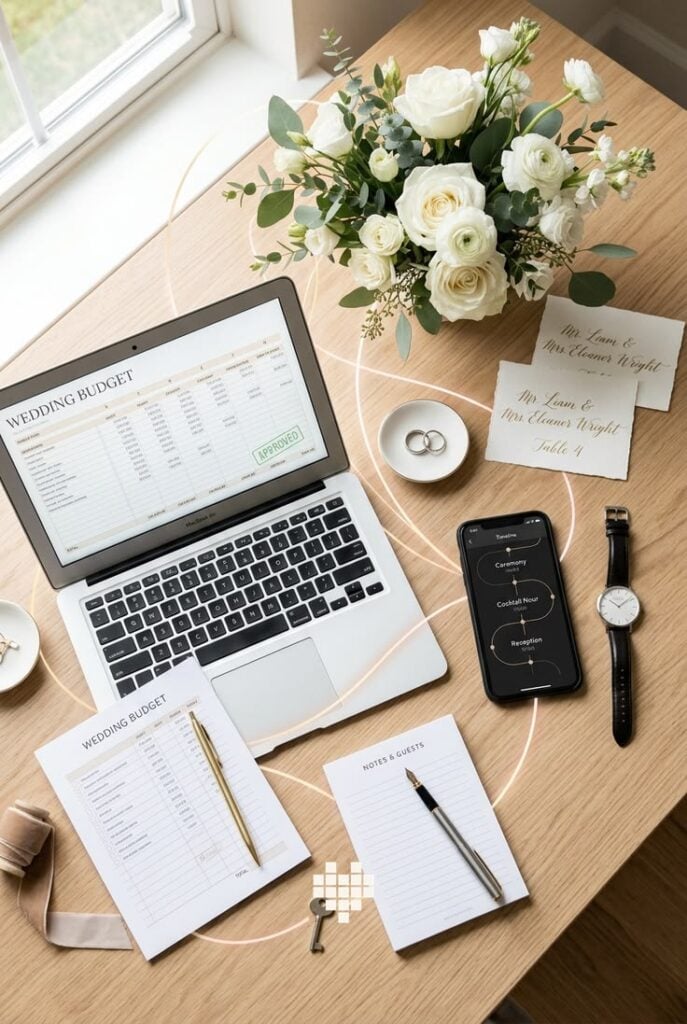
Planning a wedding is exciting, but it can quickly become stressful if money is not managed carefully. Learning how to create a realistic wedding budget is one of the smartest steps you can take after getting engaged.
A well-planned budget helps you make confident decisions, avoid unnecessary debt, and focus your spending on the details that matter most.
Many couples begin planning with a rough number in mind, only to discover hidden costs along the way. The good news is that building a practical wedding budget does not have to be complicated.
By understanding your finances, setting priorities, and tracking every expense, you can plan a beautiful celebration without spending more than you can comfortably afford.
In this guide, you will learn exactly how to create a realistic wedding budget, allocate your funds wisely, prepare for unexpected expenses, and stay on track from engagement to your wedding day.
If you are just starting your planning journey, begin with The Ultimate Wedding Planning Checklist from Engagement to “I Do” to understand the complete planning process before diving into your finances.
Why Learning How to Create a Realistic Wedding Budget Matters

A wedding budget is much more than a spending limit. It is a financial roadmap that guides every decision you make throughout the planning process.
Without one, it is easy to overspend on small purchases that add up quickly or commit to expensive vendors before understanding your overall financial picture.
Learning how to create a realistic wedding budget gives you control over your finances while allowing you to enjoy the planning experience.
Instead of constantly worrying about money, you will know exactly what you can afford and where your money should go.
A realistic budget also helps you:
- Avoid unnecessary debt after the wedding.
- Prioritize the parts of the day that matter most.
- Compare vendor quotes more confidently.
- Prevent disagreements about spending.
- Leave room for unexpected expenses.
If you have only recently become engaged, reading Everything You Need to Do During Your First Month of Wedding Planning can help you organize your finances alongside the other important first-month tasks.
How to Create a Realistic Wedding Budget Before Booking Anything
One of the biggest mistakes couples make is booking a venue before creating a budget.
Since the venue often determines catering costs, décor needs, guest capacity, and rental expenses, choosing one too early can throw your finances off balance.
Instead, begin by answering four simple questions.
How Much Can You Comfortably Afford?
Start with the amount you can realistically spend not the amount you hope to spend.
Consider:
- Personal savings
- Monthly income
- Contributions from family
- Existing financial commitments
- Emergency savings that should remain untouched
Avoid financing your wedding with large amounts of debt. Your wedding lasts one day, but financial stress can last much longer.
Who Is Contributing?
Many weddings involve financial support from parents or other family members.
Before creating your budget, have honest conversations about:
- Who is contributing
- How much each person plans to give
- Any expectations attached to the contribution
- Which wedding expenses they would like to cover
Knowing these details early prevents confusion later.
What Is Your Maximum Spending Limit?
Your wedding budget should include every expense not just the obvious ones.
Think beyond the venue and dress.
Include costs such as:
- Invitations
- Marriage license
- Transportation
- Alterations
- Hair and makeup
- Vendor tips
- Gifts
- Taxes
- Service fees
- Welcome bags
- Postage
- Wedding insurance
- Honeymoon if included
The more complete your budget is from the beginning, the fewer surprises you will face.
How to Create a Realistic Wedding Budget by Setting Priorities

Not every wedding expense deserves the same amount of money.
Every couple values different parts of the celebration. Some dream of incredible photography, while others care more about live entertainment or an unforgettable dining experience.
Before spending anything, each partner should list the five most important aspects of the wedding.
Examples include:
- Venue
- Photography
- Videography
- Food
- Entertainment
- Flowers
- Guest experience
- Fashion
- Décor
Compare your lists and identify shared priorities.
Once you know what matters most, you can confidently allocate more money toward those categories while reducing spending on less important details.
This simple exercise helps prevent regret later because your budget reflects your personal values instead of current wedding trends.
Common Wedding Budget Categories
One reason couples overspend is that they underestimate the number of expenses involved. Creating detailed categories makes tracking much easier.
Typical wedding budget categories include:
Venue
For many weddings, the venue is the largest expense.
This may include:
- Rental fees
- Ceremony space
- Reception space
- Tables
- Chairs
- Basic linens
- Parking
- Cleanup
Always ask vendors exactly what is included before comparing prices.
Catering
Food and beverages usually account for a significant portion of the budget.
Include:
- Meals
- Drinks
- Cocktail hour
- Dessert
- Cake
- Late-night snacks
- Service charges
- Taxes
- Bartenders
Small changes to the guest count can dramatically affect catering costs.
Photography and Videography
These preserve memories long after the wedding ends. Instead of choosing the cheapest option, focus on quality, experience, and style.
Review full wedding galleries not just social media highlights.
Wedding Attire
Budget for more than the wedding dress and suit.
Remember to include:
- Alterations
- Shoes
- Accessories
- Veil
- Jewelry
- Undergarments
- Groom accessories
- Steam cleaning
- Dress preservation
These smaller purchases can easily add hundreds of dollars.
Flowers and Décor
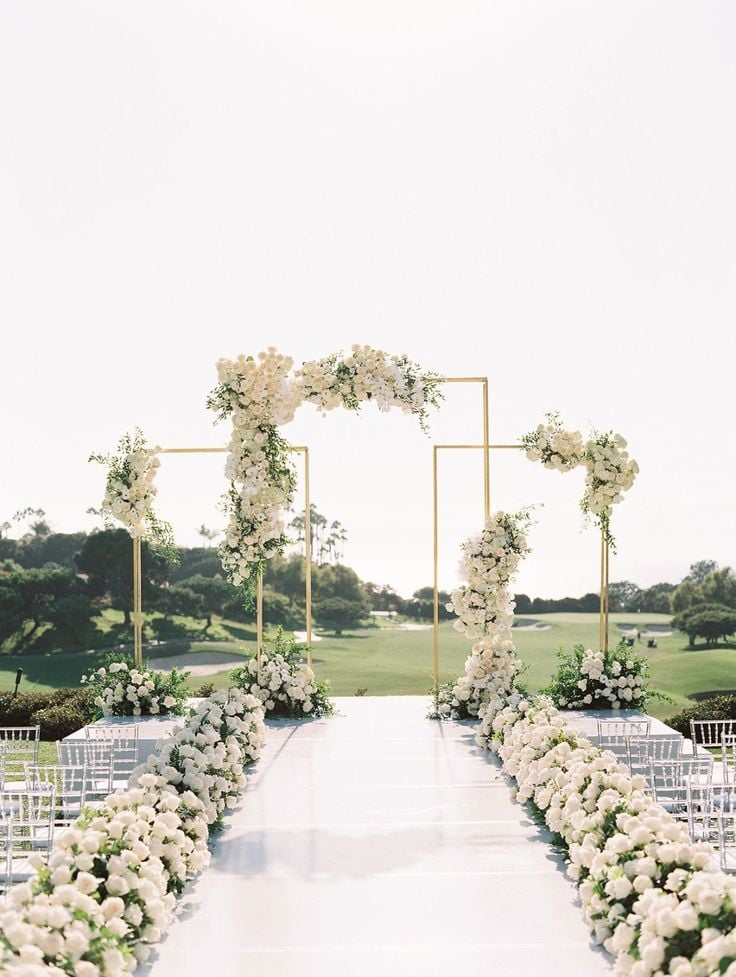
Décor costs vary greatly depending on your vision.
Include:
- Bouquets
- Boutonnieres
- Ceremony arrangements
- Reception centerpieces
- Candles
- Table décor
- Signage
- Rentals
- Lighting
- Installation
- Breakdown
Choosing seasonal flowers can often reduce costs without sacrificing beauty.
Entertainment
Entertainment helps shape the atmosphere throughout the celebration.
This category may include:
- DJ
- Live band
- Ceremony musicians
- Sound equipment
- Lighting
- Dance floor
- Photo booth
Ask vendors about overtime fees before signing contracts.
Stationery
Printed materials often cost more than couples expect.
Include:
- Save the dates
- Invitations
- RSVP cards
- Programs
- Menus
- Seating charts
- Welcome signs
- Thank-you cards
- Postage
Digital invitations can reduce costs if printed stationery is not a priority.
Transportation
Do not overlook transportation expenses.
You may need transportation for:
- The wedding party
- Family members
- Guests
- Airport transfers
- Getaway car
Fuel charges and waiting time can increase the final bill.
Beauty

Beauty costs extend beyond the wedding day.
Budget for:
- Hair trials
- Makeup trials
- Wedding-day styling
- Groom grooming
- Nails
- Skincare treatments
Scheduling trials ahead of time helps avoid last-minute surprises.
Miscellaneous Expenses
Every wedding includes unexpected purchases.
Examples include:
- Vendor meals
- Marriage license
- Emergency supplies
- Tips
- Cake-cutting fees
- Corkage fees
- Extra rentals
- Weather backup plans
Creating a miscellaneous category keeps your overall budget realistic.
How to Divide Your Wedding Budget
There is no universal formula for every wedding, but many couples use percentage guidelines to keep spending balanced.
For example:
| Category | Suggested Percentage |
|---|---|
| Venue & Catering | 40–50% |
| Photography & Videography | 10–15% |
| Attire | 8–10% |
| Flowers & Décor | 8–12% |
| Entertainment | 8–10% |
| Stationery | 2–4% |
| Transportation | 2–4% |
| Beauty | 2–3% |
| Miscellaneous & Emergency Fund | 5–10% |
Use these percentages as a starting point rather than strict rules.
For example, couples planning an intimate wedding may spend less on catering and more on photography or décor.
Track Your Spending From Day One

Creating a budget is only the beginning. The next step is tracking every expense throughout your wedding planning journey.
Small purchases may not seem significant at first, but they can quickly add up if they are not recorded.
Updating your budget regularly gives you a clear picture of how much you have spent and how much remains available.
Use a Spreadsheet or Budget App
Choose a budgeting method that you will actually use consistently.
Many couples prefer a spreadsheet because it allows them to customize categories, payment dates, and remaining balances. Others enjoy using wedding planning apps that automatically organize expenses.
Whichever method you choose, make it a habit to update your budget every time you make a payment.
Record Deposits and Final Payments
Many vendors require deposits months before the wedding, followed by a final payment closer to the date.
Instead of recording only the total cost, track:
- Deposit amount
- Remaining balance
- Payment due date
- Payment status
This helps prevent missed deadlines and unexpected financial pressure.
Review Your Budget Together
Set aside time every few weeks to review your budget with your partner.
These conversations help both of you stay informed and make financial decisions as a team.
How to Create a Realistic Wedding Budget Without Forgetting Hidden Costs
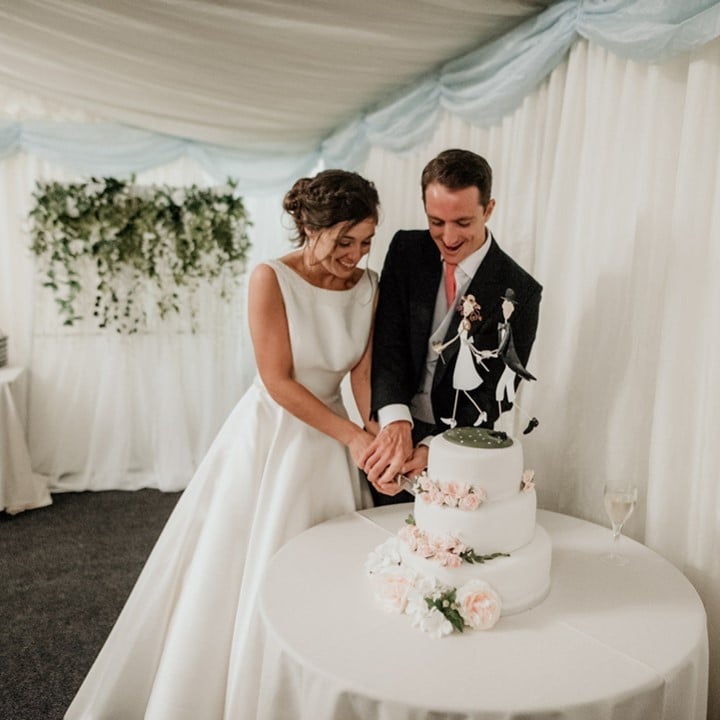
One of the biggest budgeting mistakes is planning only for obvious expenses.
Hidden costs often catch couples by surprise because they are spread throughout the planning process.
Common Hidden Wedding Expenses
Examples include:
- Marriage license fees
- Dress alterations
- Suit alterations
- Vendor gratuities
- Delivery charges
- Postage
- Cake cutting fees
- Corkage fees
- Hotel accommodations
- Welcome bags
- Wedding insurance
- Extra décor rentals
- Overtime charges
- Vendor meals
Adding these costs to your budget from the beginning creates a much more accurate financial plan.
Build an Emergency Fund
Unexpected expenses happen at almost every wedding.
A florist may recommend additional flowers.
A dress may require extra alterations.
You may decide to add another hour of photography.
Setting aside five to ten percent of your budget for unexpected costs gives you flexibility without disrupting your overall plan.
Practical Ways to Save Money
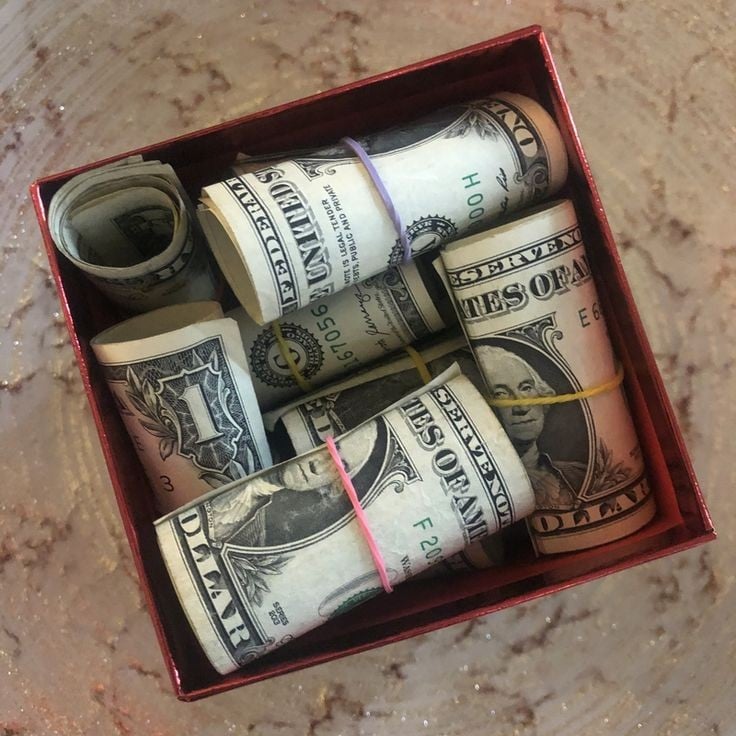
Saving money does not mean sacrificing the quality of your wedding.
Many of the smartest savings come from making thoughtful decisions instead of cutting important details.
Keep Your Guest List Manageable
Every guest affects several areas of your budget.
A smaller guest list usually reduces costs for:
- Catering
- Rentals
- Invitations
- Wedding favors
- Cake
- Seating
Inviting the people who truly matter often creates a more personal celebration as well.
Choose an Off Season Date
Wedding prices are often higher during peak wedding months.
Choosing a less popular season or even a weekday celebration may help you secure lower prices from venues and vendors.
Prioritize Quality Over Quantity
Instead of trying to include every popular wedding trend, focus your budget on the experiences that will matter most.
Many guests will remember the atmosphere, food, music, and meaningful moments far longer than expensive decorations.
Compare Vendor Quotes
Never hire the first vendor you speak with. Request several quotes, compare services carefully, and ask questions before making a final decision.
The cheapest option is not always the best value.
If you are unsure when to begin booking vendors, our The Perfect 12 Month Wedding Planning Timeline explains the ideal time to secure each service throughout your engagement.
Budget Mistakes That Can Cost You More

Avoiding common mistakes is just as important as creating a budget.
Learning from other couples can save both money and stress.
Booking Vendors Too Quickly
Excitement often leads couples to make quick decisions.
Take your time.
Compare options, review contracts carefully, and ask plenty of questions before committing.
Ignoring Contracts
Always read every contract thoroughly.
Pay close attention to:
- Payment schedules
- Cancellation policies
- Overtime fees
- Delivery charges
- Services included
Understanding every detail protects you from unexpected costs later.
Forgetting About Taxes and Service Charges
Many vendor quotes do not include taxes or mandatory service fees.
Always ask for the final estimated total before making comparisons.
Trying to Impress Everyone
Your wedding should reflect your relationship, not someone else’s expectations.
Spending beyond your comfort level simply to impress guests rarely leads to long term satisfaction.
If your goal is creating an elegant celebration without unnecessary pressure, our guide on How to Plan a Beautiful Wedding Without Feeling Overwhelmed shares practical ideas for keeping the planning process enjoyable.
Review and Adjust Your Budget Regularly

A wedding budget is not something you create once and forget.
As your plans develop, some categories may require adjustments.
Check Your Progress Every Month
Review your spending at least once each month.
Ask yourselves:
- Are we staying within budget?
- Have any new expenses appeared?
- Do we need to move money from one category to another?
Small adjustments made early are much easier than major changes later.
Celebrate Small Financial Wins
Every time you stay within budget or find a smart way to save money, celebrate that achievement.
These small victories help keep you motivated throughout the planning process.
Frequently Asked Questions About Wedding Budgets
How much should I save before planning a wedding?
There is no universal number. The right amount depends on your financial situation, your guest count, and the style of wedding you want.
Start by deciding what you can comfortably afford before contacting vendors.
Should I use credit cards to pay for my wedding?
Credit cards can be useful for earning rewards or managing short term payments, but relying on debt to finance your wedding can create financial pressure after the celebration.
Aim to stay within a budget you can comfortably manage.
What is the biggest wedding expense?
For most couples, the venue and catering represent the largest portion of the wedding budget. Guest count has a significant impact on both of these expenses.
How can I avoid overspending?
Track every expense, review your budget regularly, compare vendor quotes, and keep an emergency fund for unexpected costs.
If you are still learning the overall planning process, our How to Plan a Wedding Step by Step for Beginners guide explains how budgeting fits into every stage of planning.
Make Your Wedding Budget Work for You
Learning How to Create a Realistic Wedding Budget is one of the best investments you can make before planning your wedding.
A thoughtful budget gives you the confidence to make informed decisions, prioritize what matters most, and enjoy the journey without constant financial stress.
Remember that a successful wedding is not measured by how much you spend. It is measured by the memories you create, the people who celebrate with you, and the love you share.
With careful planning, regular budget reviews, and realistic expectations, you can create a beautiful wedding that fits both your vision and your finances.