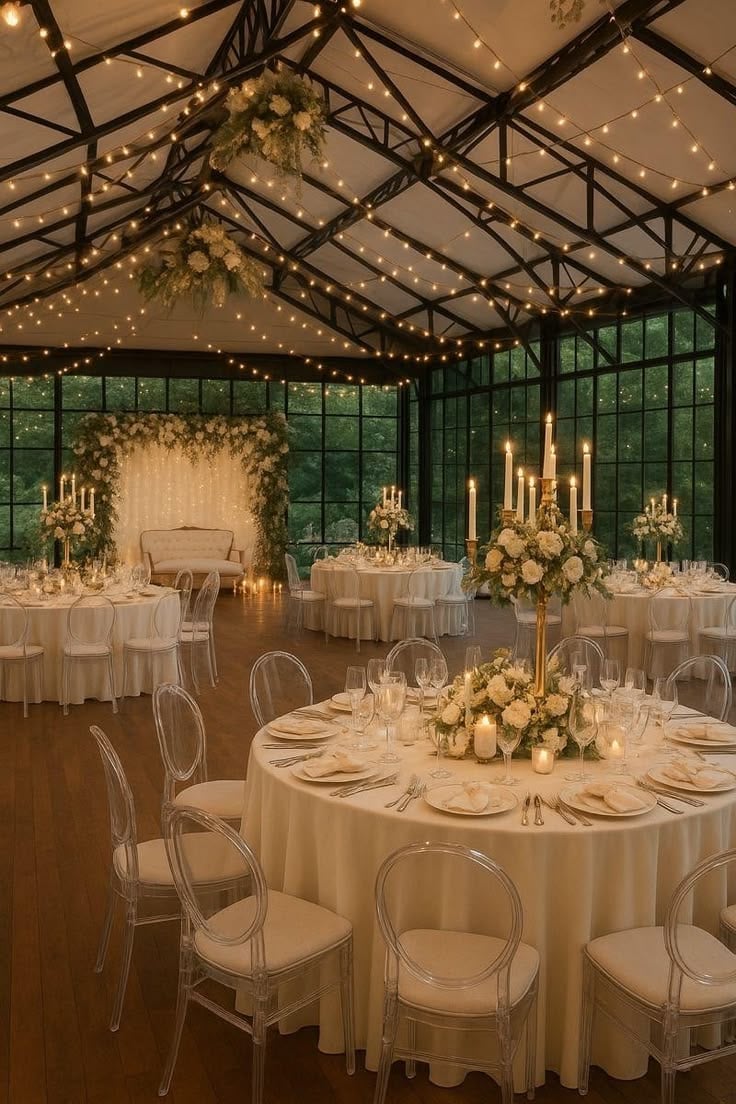

15 Wedding Planning Mistakes That Can Cost You Thousands
Disclosure: Some of the links in this post are affiliate links. This means if you click on the link and purchase an item, I will receive an affiliate commission at no extra cost to you.
Planning a wedding can be exciting, but it can also become expensive very quickly.
One small decision may not seem like a big deal. Then another expense appears. Before you know it, your original budget has changed completely.
The good news is that many expensive wedding mistakes can be avoided with a little planning.
If you have been working on your wedding stationery too, 25 Minimalist Wedding Invitations can give you simple ideas that look beautiful without adding unnecessary details.
Now, let’s look at some common wedding planning mistakes that can cost you more than expected.
15 Wedding Planning Mistakes That Can Cost You Thousands
1. Planning Without a Realistic Budget

One of the biggest mistakes is starting the wedding planning process without knowing how much you can actually spend.
It is easy to look at beautiful venues, dresses, flowers, and decorations online and assume you can make everything work later.
Unfortunately, the costs can add up quickly.
Before booking anything, sit down and create a realistic wedding budget. Write down your total amount and divide it between the major parts of the wedding.
Include your venue, catering, attire, photography, flowers, entertainment, stationery, transportation, and other important expenses.
Also leave room for unexpected costs.
A budget is not meant to stop you from having the wedding you want. It helps you understand where your money is going.
If you are also choosing outfits for your wedding party, How to Pick Bridesmaid Dress Colors That Match Your Wedding can help you think about your bridesmaid look before making purchases.
2. Booking the Venue Before Checking All the Costs
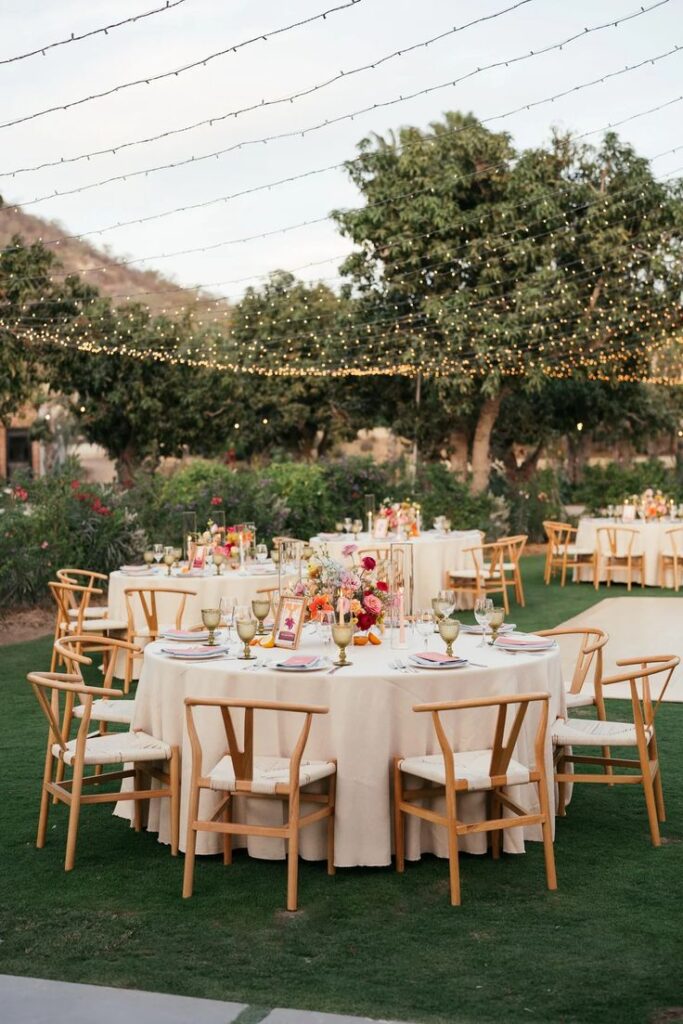
A venue price can look reasonable until you discover everything that is not included.
Some venues charge separately for tables, chairs, linens, security, cleaning, parking, or overtime.
Others may have preferred vendors that you are required to use.
This is why you should ask for a complete list of venue costs before signing a contract.
Ask what is included in the rental price and what will cost extra.
Also ask about setup and cleanup times.
A venue that looks affordable at first can become much more expensive once all the additional charges are added.
Take your time before making the booking.
Save this post: When Should You Send Wedding Invitations?
3. Forgetting to Include Vendor Taxes and Service Fees

The price you see on a vendor’s website or brochure may not always be the final amount.
Taxes, delivery charges, service fees, setup fees, and other costs can increase the total.
This is especially important when you are comparing several vendors.
Do not compare vendors using only their advertised starting prices.
Ask each vendor for a clear estimate based on what you actually need.
Then add those numbers to your budget.
Knowing the full cost early can prevent unpleasant surprises later.
You will love this: 15 Luxury Wedding Bouquet Ideas to Fall In Love With
4. Inviting More Guests Than Your Budget Can Handle
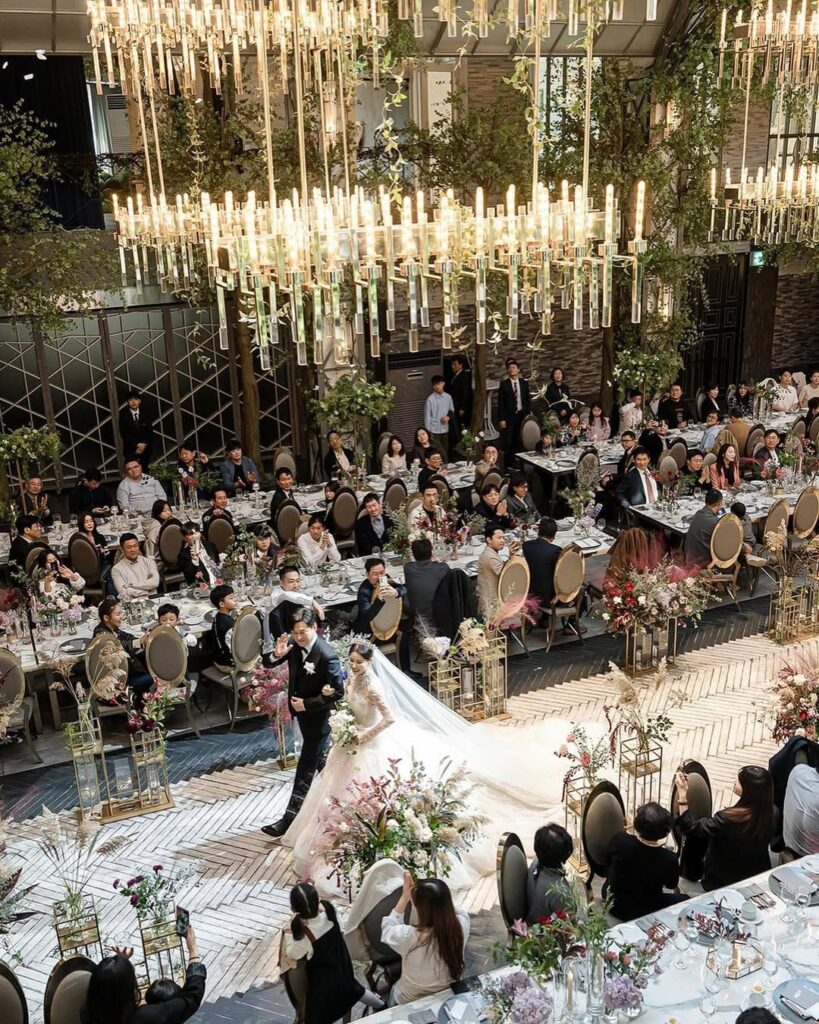
Your guest list affects almost every part of your wedding budget.
More guests usually mean more food, drinks, chairs, tables, invitations, favors, and sometimes a larger venue.
It can be tempting to invite everyone you know.
However, adding another 30 or 50 guests can make a significant difference to your total cost.
Start with the people who are genuinely important to you and your partner.
Then consider how many additional guests your budget can comfortably accommodate.
If you are working on your wedding party as well, remember that adding bridesmaids can create additional expenses for dresses, bouquets, gifts, and other details. 30 Beautiful Bridesmaid Bouquet Ideas can help you explore bouquet options before deciding what fits your budget.
5. Choosing Vendors Based Only on Price
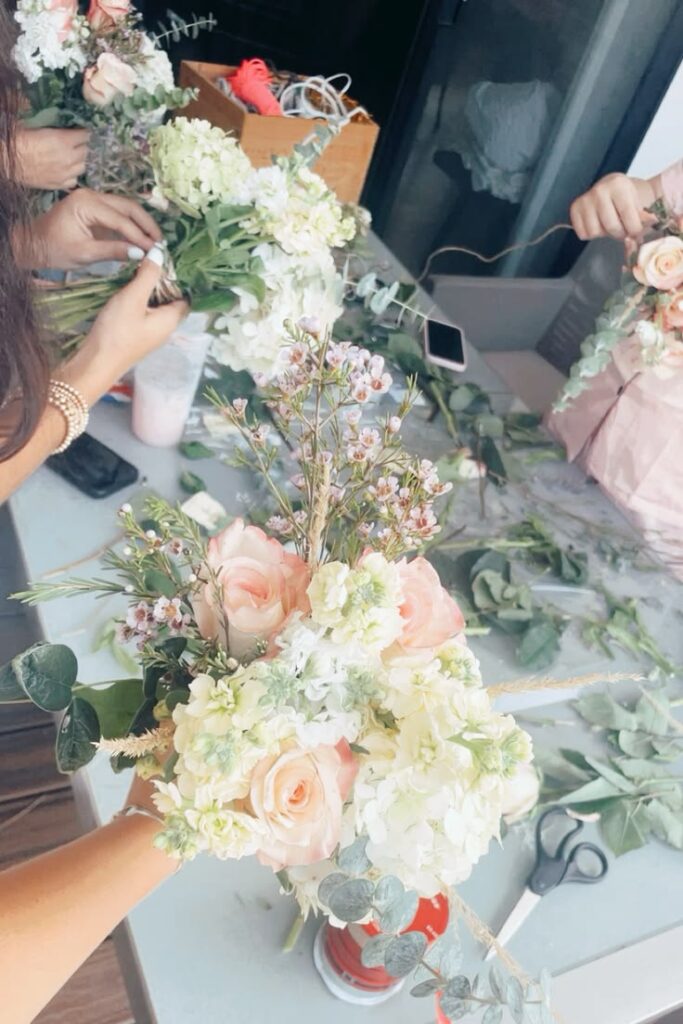
Saving money is important, but choosing the cheapest vendor without doing proper research can sometimes create additional costs.
A photographer, caterer, florist, or planner may offer a very low price but provide fewer services than you expected.
You may then need to pay another vendor for something you thought was included.
Look carefully at what each package contains.
Read reviews, ask questions, and compare the actual services.
A slightly higher price may sometimes include important things that another vendor charges separately.
The goal is not to spend the most. It is to understand exactly what you are paying for.
Bookmark this post: The Most Popular Wedding Flowers by Season
6. Not Reading Vendor Contracts Carefully

Wedding contracts can contain important information about deposits, cancellations, overtime, delivery, changes, and refunds.
Skipping the fine print can become an expensive mistake.
Before signing, read the contract carefully.
Make sure you understand when payments are due and what happens if plans change.
Pay attention to cancellation policies and additional charges.
If something is unclear, ask the vendor before signing.
Do not rely on a verbal promise if it is not included in the contract.
Having the important details in writing can protect you from misunderstandings later.
Check this out: How to Choose Wedding Flowers You’ll Actually Love
7. Changing Your Wedding Plans Too Often
It is normal to change your mind during wedding planning.
However, constantly changing decisions can become expensive.
You might order one style of invitations and then decide you want something completely different.
You might change your flowers after already paying a deposit. You could also change your bridesmaid dresses after everyone has ordered theirs.
Every change can create additional costs.
Try to make major decisions carefully before placing orders or paying deposits.
Create a clear wedding vision early.
If you want inspiration for your groom’s outfit before making a final decision, How to Choose the Perfect Wedding Suit can help you compare different suit styles before purchasing.
8. Buying Wedding Items Too Early
Buying early can sometimes save money, but buying too early can also create problems.
Your wedding style may change.
Your guest count may change.
You may even find something better after you have already purchased an item.
This is especially common with decorations and stationery.
Before buying large quantities, make sure you understand your final wedding style and requirements.
For clothing, check measurements and ordering timelines carefully.
For décor, think about whether the items will actually be needed once the venue layout is finalized.
Buying fewer things that you truly need can often save more money than buying everything you see during the early planning stages.
9. Forgetting About Wedding Day Overtime
Wedding days rarely run exactly according to schedule.
Your ceremony may start late. Photos may take longer than expected. The reception may continue beyond the time included in your venue or vendor contract.
Overtime charges can become expensive when you have not planned for them.
Check how many hours are included with your venue, photographer, DJ, videographer, planner, and other vendors.
Ask what happens if you need an extra hour.
You can then decide whether it is better to budget for possible overtime or create a tighter schedule.
Your wedding timeline should also include some breathing room.
Trying to fit every activity into a schedule with no extra time can make delays more likely.
10. Spending Too Much on Wedding Favors
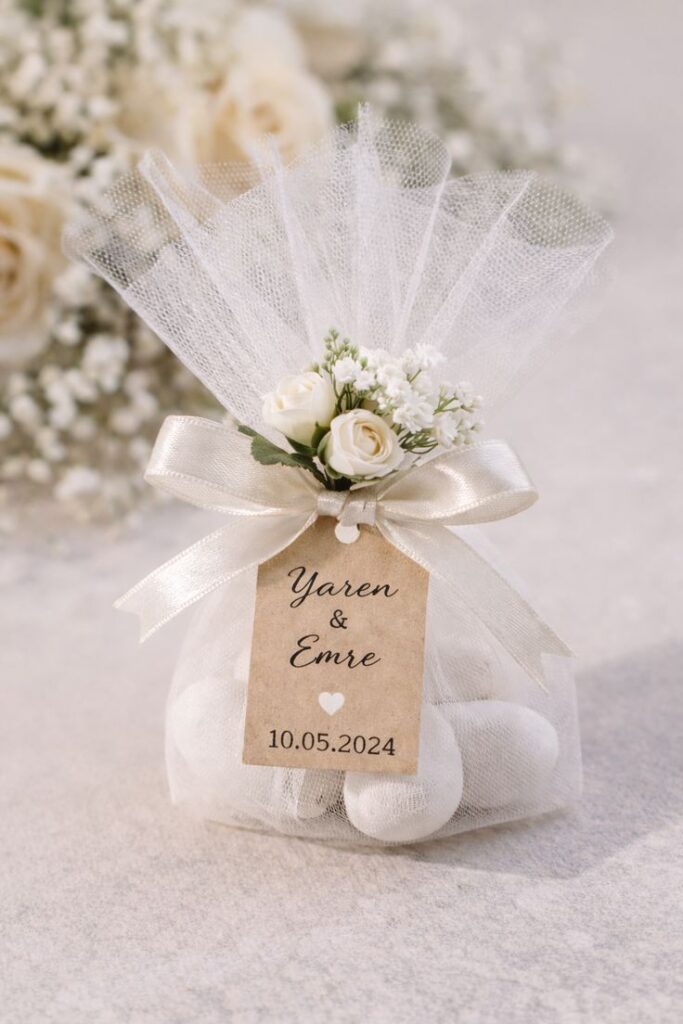
Wedding favors can be a lovely way to thank your guests, but they are not essential.
When you have 100, 150, or 200 guests, even a small favor can become a large expense.
For example, an item that costs $5 may not seem expensive until you need 150 of them.
Before ordering favors, ask yourself whether your guests will actually use them.
If you want to include something, choose a simple and useful item.
You could also skip individual favors and put that money toward something guests will experience during the wedding, such as better food, drinks, or entertainment.
There is nothing wrong with having no favors at all.
11. Ordering Too Many Wedding Invitations
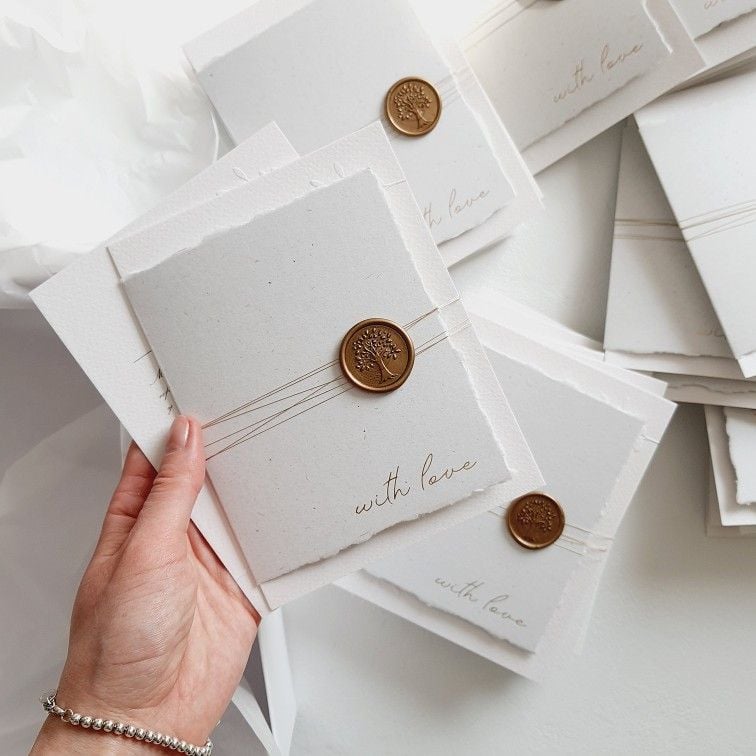
It is smart to order a few extra invitations, but ordering far more than you need can waste money.
Remember that you usually need one invitation per household rather than one for every individual guest.
Before placing your order, organize your guest list and count how many households will receive invitations.
Then add a small number of extras.
You should have enough for mistakes, address changes, or a few unexpected additions without ending up with a large stack of unused stationery.
If you are trying to keep your stationery simple, Wedding Invitation Wording Examples can also help you decide what information actually needs to appear on the invitation.
12. Choosing Too Many Different Wedding Décor Elements

It can be tempting to buy everything you love.
You might see beautiful candles, signs, table numbers, centerpieces, arches, hanging flowers, welcome boards, and other decorations online.
But adding every idea can quickly increase your budget.
Instead, choose a few decorative elements that will have the biggest visual impact.
For example, you could focus on the ceremony backdrop, reception tables, and sweetheart table.
Then keep smaller areas simple.
This can make the wedding feel more intentional while keeping your spending under control.
If you are planning a classic wedding style, Classic Groom Style Ideas That Never Go Out of Fashion can also help you think about how timeless details can work together instead of adding too many competing trends.
13. Ignoring the Cost of Wedding Attire Accessories
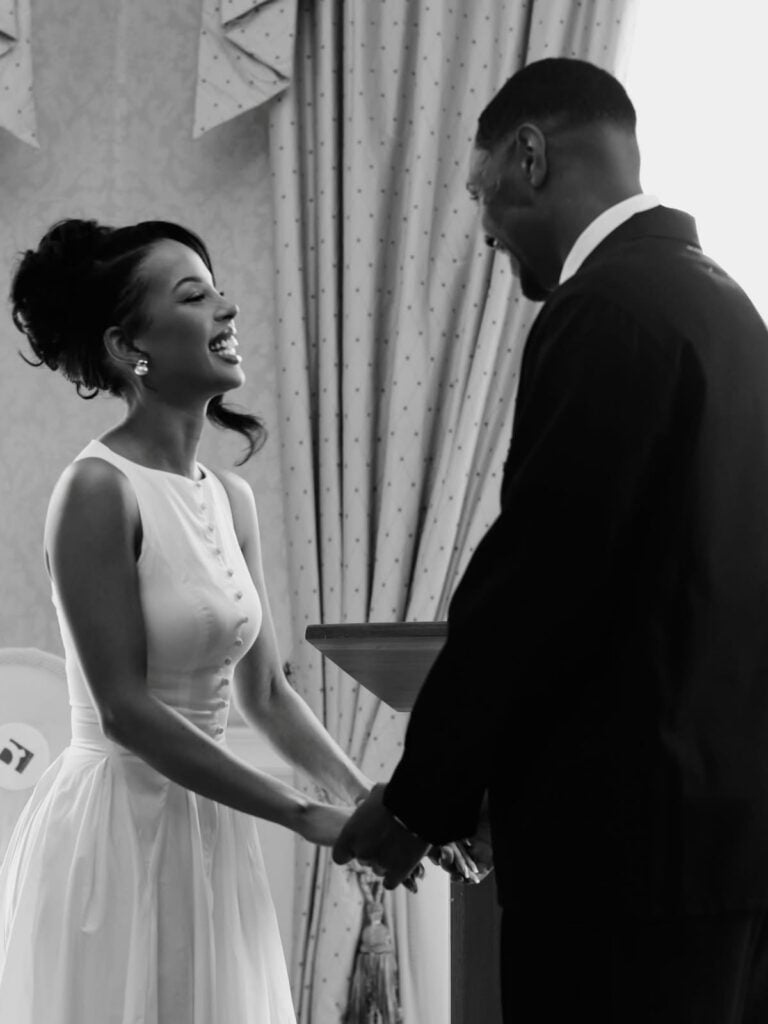
The wedding dress or suit is usually included in the main clothing budget, but couples sometimes forget about everything else.
Shoes, jewelry, veils, ties, cufflinks, belts, alterations, undergarments, and other accessories can add up.
Alterations can be particularly important.
A dress or suit may fit well when purchased but still need adjustments before the wedding.
Create a separate attire category in your budget.
List the main clothing item and all the accessories you expect to buy.
If the groom is planning a seasonal wedding, 21 Best Wedding Suit Colors by Season can also help you explore suit colors before buying the outfit.
14. Not Having a Backup Plan for Outdoor Events
Outdoor weddings can be beautiful, but weather can create unexpected expenses.
If your ceremony, cocktail hour, or reception is outside, you need to know what happens if the weather changes.
A backup plan might involve an indoor space, tent, additional equipment, or a different layout.
Ask your venue about its weather policy before booking.
Find out whether moving indoors costs extra.
If a tent is required, ask about the rental price, flooring, lighting, fans, heaters, or other equipment.
A backup plan may feel like an unnecessary expense when the weather looks perfect.
But having one can prevent a stressful and expensive last minute decision.
15. Trying to Do Everything Yourself
DIY projects can save money, but they can also become expensive when you underestimate the time, materials, and effort involved.
Making invitations, centerpieces, signs, favors, decorations, and other wedding details yourself may sound affordable.
Then you realize you need special tools, printing equipment, packaging, supplies, and several weekends to finish everything.
Before starting a DIY project, calculate the actual cost.
Include materials and your time.
If the project will take 20 hours to save a relatively small amount of money, you may decide that the time is not worth it.
DIY can be a wonderful choice when you genuinely enjoy the project.
Just make sure you are doing it because it works for your wedding, not because you feel you have to make everything yourself.
How to Avoid Expensive Wedding Planning Mistakes
The easiest way to avoid unnecessary wedding costs is to slow down before making major decisions.
Do not book a vendor simply because the price looks attractive.
Do not buy something just because it is trending.
Do not add another wedding detail without asking whether it actually matters to you.
Create your budget first.
Then keep track of every deposit, payment, and additional charge.
Review your spending regularly so you know where you stand.
It can also help to separate your wedding needs from your wants.
Your venue, food, photography, attire, and ceremony details may be priorities.
Extra decorations, favors, or small accessories may be things you can reduce if the budget becomes tight.
You do not need to have every wedding detail you see online.
Your celebration can still feel beautiful, personal, and memorable without spending money on things that do not matter to you.
Frequently Asked Questions
What is the biggest wedding planning mistake couples make?
One of the biggest mistakes is planning without a realistic budget.
It is easy to focus on the advertised price of major vendors while forgetting taxes, service fees, alterations, delivery, overtime, and other smaller expenses.
A complete budget should account for both expected and unexpected costs.
How can I avoid going over my wedding budget?
Start by setting a realistic total budget before booking major vendors.
Then divide the amount between your main wedding expenses and keep track of every payment.
It also helps to leave some money aside for unexpected costs instead of spending your entire budget in advance.
What wedding expenses do couples often forget?
Commonly forgotten expenses can include vendor tips, alterations, delivery fees, transportation, overtime, stationery postage, beauty services, and last minute purchases.
These costs may seem small individually but can add up quickly.
Is it cheaper to plan a wedding yourself?
Not always.
DIY can reduce the cost of certain services, but you still need to pay for materials and supplies. You also need to consider the amount of time the project will take.
DIY works best when the project is realistic for your budget, skills, and available time.
Should I book wedding vendors based on the lowest price?
Price should not be the only factor.
Look at what is included in the package, the vendor’s experience, reviews, contract terms, and additional charges.
A cheaper package may not actually cost less if important services are excluded.
How much should I budget for unexpected wedding expenses?
There is no single amount that works for every wedding, but leaving part of your overall budget uncommitted can give you room for unexpected costs.
Avoid allocating every dollar to planned expenses.
Can a large guest list make a wedding much more expensive?
Yes.
Guest numbers can affect catering, drinks, rentals, invitations, favors, seating, and sometimes the venue.
Reducing the guest list can therefore affect several areas of your budget at the same time.
When should I start creating my wedding budget?
Create your budget at the beginning of the planning process.
Before booking a venue or paying large deposits, you should have a clear idea of how much you can comfortably spend.
This gives you a financial limit to work with as you make other decisions.
Should I pay wedding vendors in full before the wedding?
That depends on the vendor’s contract.
Many vendors require a deposit followed by additional payments before the wedding.
Read the payment schedule carefully and make sure you understand when each payment is due.
What should I look for in a wedding vendor contract?
Pay attention to the total cost, deposit, payment schedule, cancellation policy, refund policy, overtime charges, delivery fees, setup requirements, and what happens if you need to change your date.
Make sure any important promises are included in the written contract.
How can I save money on wedding decorations?
Choose a few areas that will have the biggest visual impact instead of decorating every part of the venue.
You can also reuse décor throughout the day.
For example, ceremony flowers may be moved to the reception after the ceremony.
Are wedding favors necessary?
No.
Wedding favors are optional.
If favors are putting pressure on your budget, you can skip them and put that money toward something more important to you.
Is it cheaper to get married on a weekday?
A weekday wedding can sometimes have different pricing from a weekend wedding, but costs vary by venue, location, season, and vendor.
Ask your preferred venue about its weekday and weekend rates before making a decision.
What is the best way to keep wedding spending under control?
Track your spending from the beginning.
Keep a record of deposits, balances, additional fees, and purchases.
Review the budget regularly and avoid making major purchases simply because something looks beautiful or is currently popular.
How do I know which wedding expenses are worth paying for?
Start with what matters most to you and your partner.
If photography is important, you may choose to put more of your budget toward a photographer.
If food is your priority, you may prefer to spend more on catering.
There is no single list of wedding expenses that every couple needs to prioritize. Your budget should reflect your own priorities.
Final Thoughts
Wedding planning mistakes can become expensive when small costs are ignored or decisions are made too quickly.
A realistic budget, careful vendor research, clear contracts, and thoughtful guest planning can help you avoid many unnecessary expenses.
You do not need to cut everything that makes your wedding special.
Instead, spend intentionally on the things that matter most to you and your partner.
A well planned wedding is not about avoiding every expense. It is about knowing where your money is going and making sure it supports the celebration you actually want.