
Why Your Wedding Still Feels Disorganized (Even With a Planner)
Disclosure: Some of the links in this post are affiliate links. This means if you click on the link and purchase an item, I will receive an affiliate commission at no extra cost to you.
Having a wedding planner can make the planning process much easier, but it does not always make everything feel organized. You can have professional help and still feel like there are too many things happening at once. Vendors are sending emails, payments have different deadlines, your guest list keeps changing, and there always seems to be another decision waiting for you.
Sometimes, the problem is not that you need to do more. Your planning system may simply need a little structure.
If you have also been thinking about your wedding finances, The Hidden Reason Weddings Go Over Budget can help you understand how small decisions can gradually affect your overall wedding plans and spending.
1. You Are Trying to Remember Everything
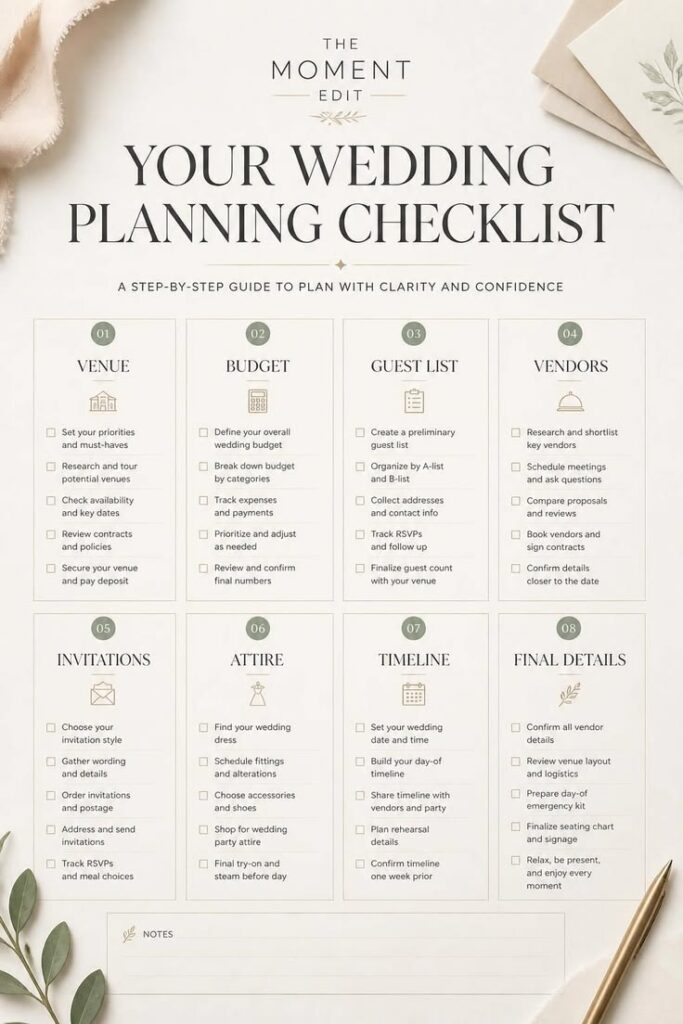
Wedding planning involves too many details to keep everything in your head. You may remember that your florist needs a final answer, your photographer needs a shot list, and your venue payment is due soon. Then another task comes up and pushes those details out of your mind.
This can make you feel like you are constantly behind, even when you have already completed a lot of work.
Create one central place for your important wedding information. This could be a spreadsheet, planning document, wedding planning app, or physical binder. The important thing is that you know exactly where to find everything.
Keep your vendor contacts, contracts, payment dates, guest information, appointments, important decisions, and outstanding tasks together. When you need to check something, you should not have to search through old emails, text messages, and different notebooks.
This system can also make your planner’s job easier. Instead of repeatedly asking you for information, they can access the details they need and keep the planning process moving.
2. Your Planning Information Is Scattered Everywhere
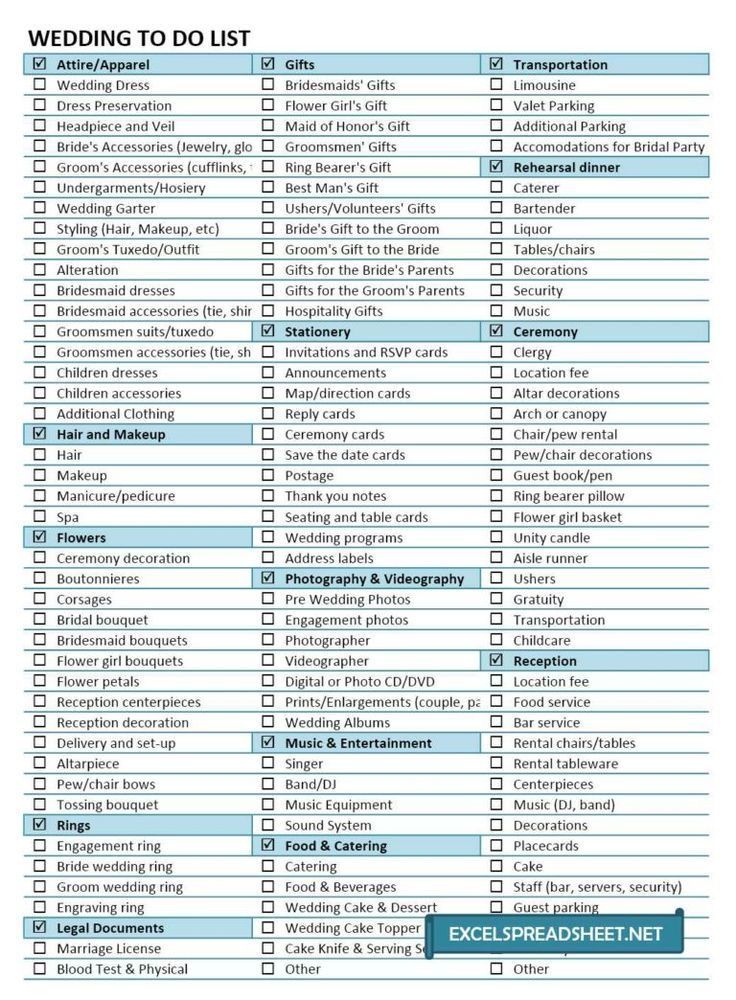
Having a wedding checklist is helpful, but having several different checklists in different places can create more confusion.
You might have one list in your phone, another in a notebook, another in your email, and another that your planner created. A task may be marked as completed on one list while still appearing unfinished somewhere else.
Instead of keeping several unrelated lists, create one main planning system. You can still organize it into categories such as your budget, guest list, vendors, payments, attire, décor, stationery, and wedding timeline. The important thing is that everything connects back to one central place.
This also helps when you are working with other people. Your planner, partner, or family members can refer to the same information instead of working from different versions.
The same approach can help with your invitations. If you are unsure what information belongs on the invitation itself, Wedding Invitation Wording Examples can give you ideas for keeping your wording clear without trying to fit every wedding detail onto one card.
3. You and Your Planner Have Not Clearly Divided the Responsibilities

A planner can manage many parts of your wedding, but they cannot automatically know which decisions you want to handle yourself.
This can create confusion when both of you assume the other person is responsible for something.
For example, your planner may think you are confirming a vendor because they need your approval. You may think the planner is taking care of it because you already discussed the vendor together. The task then remains unfinished until someone realizes there is a problem.
At the beginning of the planning process, talk openly about responsibilities. Ask your planner which tasks they will manage from start to finish and which ones require your approval.
It is also useful to agree on how you will communicate. You might prefer email for important decisions and a shared planning platform for tasks and documents. Whatever system you choose, try to keep most wedding communication in one place.
This prevents important information from getting lost in casual conversations or long message threads.
Pin this post: Everything You Need to Do During Your First Month of Wedding Planning
4. You Are Trying to Make Too Many Decisions at Once

There are hundreds of decisions involved in planning a wedding. You may need to choose your venue, photographer, flowers, invitations, attire, menu, music, décor, transportation, and countless smaller details.
Trying to deal with all of these decisions at the same time can make planning feel much more complicated than it needs to be.
Start with decisions that affect other parts of the wedding. Your venue can affect the guest capacity, ceremony setup, catering, décor, and timeline. Your wedding date affects vendor availability. Your guest count affects food, seating, stationery, and sometimes the venue itself.
Once those larger decisions are settled, the smaller choices become easier.
You can also create deadlines for yourself. Instead of thinking about every decision that still needs to be made, focus on what needs your attention this week.
For example, you might spend one week comparing photographers and another week reviewing invitation designs. This gives your planning process a clear direction instead of making every decision feel urgent.
If you are working on your wedding party’s look, 33 Bridesmaid Hairstyles Everyone Will Love can provide inspiration, but you do not need to settle every beauty detail while major wedding decisions are still unfinished.
5. Your Guest List Keeps Changing
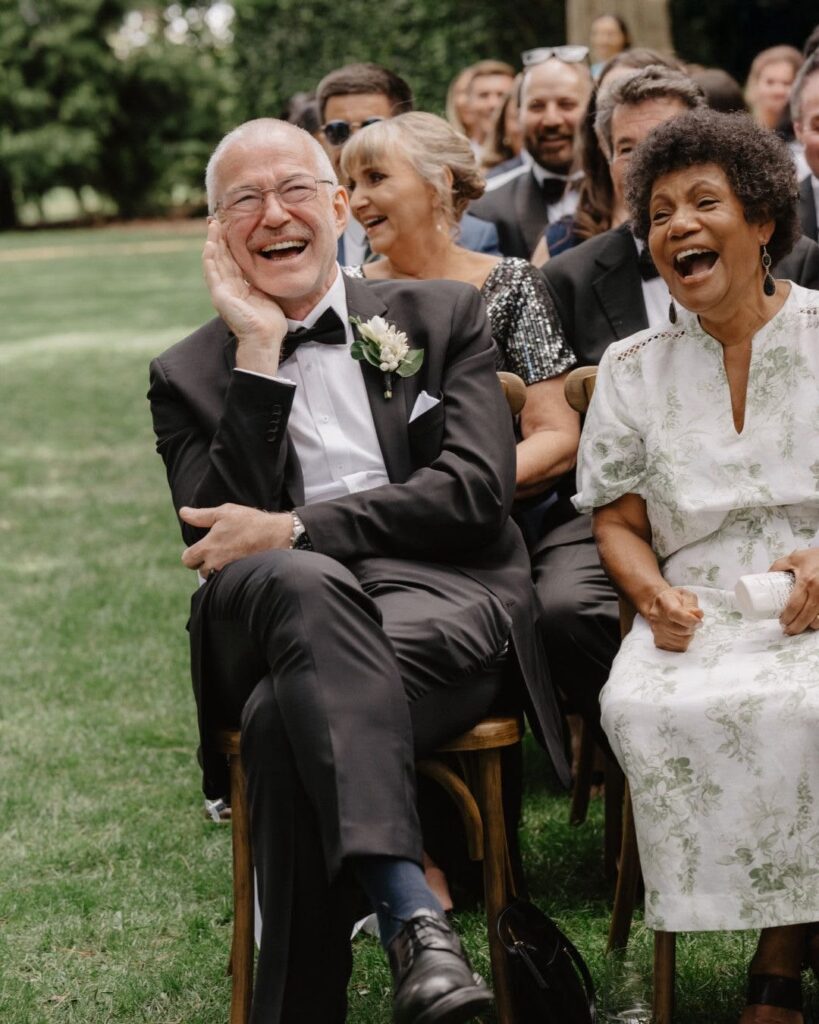
A constantly changing guest list can cause problems throughout the entire planning process.
When you add or remove guests, you may need to update your catering numbers, seating arrangements, invitations, transportation, favors, and sometimes even your venue.
The problem becomes worse when different people are working from different versions of the guest list.
You might have one version on your computer while your planner has another. Your partner may have added a few names to their phone, and someone else may have already sent an invitation based on an older list.
Choose one master guest list and make sure everyone who needs access is working from it.
You should also set a reasonable deadline for major guest list changes. Unexpected changes can still happen, but having a clear point where the list becomes mostly final can make the rest of the planning process much easier.
If you are also managing your bridesmaids, The Ultimate Bridesmaid Checklist can help you keep track of their important responsibilities, deadlines, and wedding-related tasks without mixing those details into your main guest list.
6. Your Wedding Vision Keeps Changing
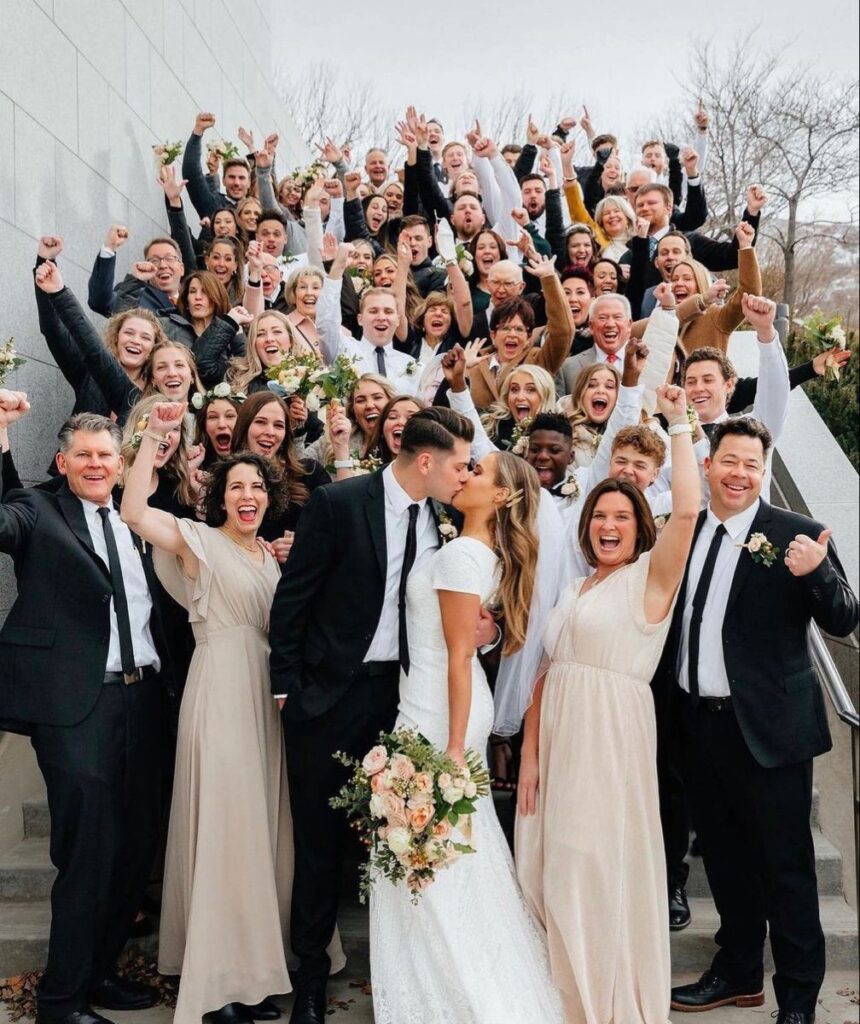
Changing your mind during wedding planning is completely normal. However, constantly changing the overall direction of your wedding can create both confusion and unnecessary work.
Maybe you originally wanted a classic celebration but later decided you wanted something more modern. Then your flowers change, your stationery changes, your bridesmaid dresses change, and your décor no longer matches the original plan.
Major changes can affect more than one part of the wedding. Your planner may need to contact vendors again, your budget may need to be adjusted, and items you have already purchased may no longer work.
This is why it helps to create a general wedding vision early.
Think about the atmosphere you want, the type of venue, your main colors, the level of formality, your floral style, and the overall feeling you want guests to experience.
You do not need to have every detail decided immediately. You simply need enough direction to make consistent choices.
If you want your wedding to have a timeless feel, Classic Groom Style Ideas That Never Go Out of Fashion can also help you think about how the groom’s attire fits into the wider style of the celebration.
7. You Are Saying Yes to Too Many Ideas
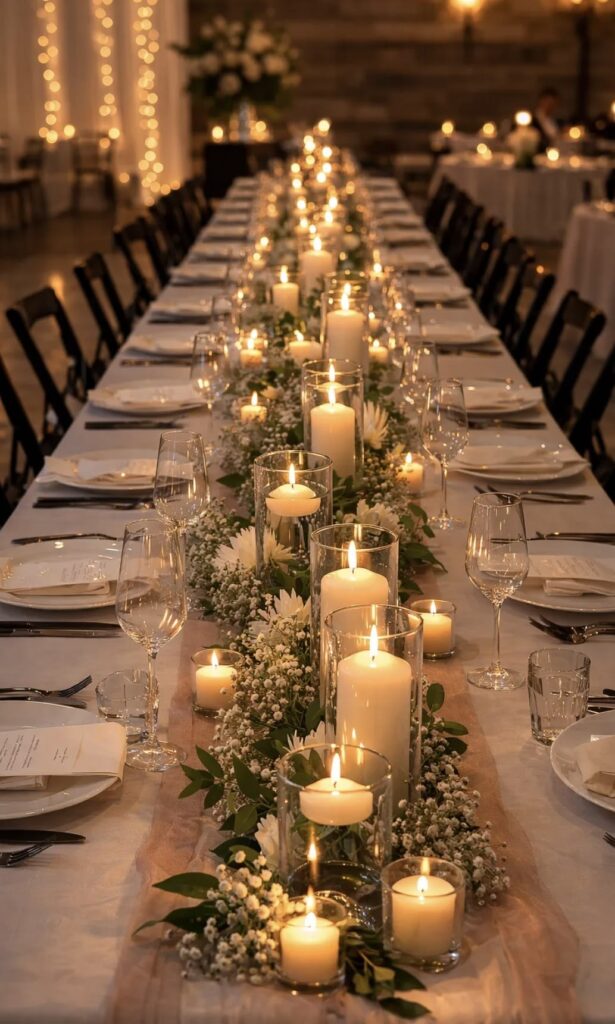
Wedding inspiration is everywhere. You can find hundreds of beautiful ideas online within minutes, and that can make it difficult to decide what actually belongs at your wedding.
You may save one centerpiece idea, then find another you like even more. You see a beautiful ceremony backdrop and add it to your plans. Then you discover a different invitation style, a new table setting, and another floral arrangement that you suddenly want.
Before long, your wedding has too many different ideas competing for attention.
Instead of trying to use everything you like, create a simple inspiration board. Choose the colors, textures, flowers, stationery style, and overall mood that best represent your wedding.
Then use that vision as a filter whenever you find something new.
Ask yourself whether the idea fits the wedding you have already planned. If it does, you can consider adding it. If it does not, you do not have to include it simply because it looks beautiful online.
A well organized wedding is not one where you use every idea you find. It is one where the different parts work together and support the celebration you actually want.
You should this: How Much Does a Wedding Really Cost?
8. Your Planner Does Not Have All the Information

Your wedding planner can only work with the information they have.
If you are receiving vendor emails, making decisions with your partner, and having conversations with family members without keeping your planner updated, important details can easily get missed.
For example, you might agree to a change with your florist but forget to tell your planner. Your planner may then continue working with the original plan. The same thing can happen with the venue, caterer, photographer, or entertainment team.
Try to keep your planner informed whenever a decision affects another part of the wedding. You do not need to send them every small conversation, but important changes should always be shared.
It can also help to have regular check ins. Use these meetings to review what has been completed, what is waiting for your approval, and what needs to happen next.
Clear communication does not mean your planner needs to be involved in every decision. It simply means everyone is working from the same information.
You will love this: How to Find the Perfect Wedding Dress
9. You Are Not Tracking Payments and Deadlines Properly

Wedding payments can quickly become confusing because different vendors have different schedules.
One vendor may require a deposit when you book. Another may want a second payment three months before the wedding. Someone else may require the final balance two weeks before the event.
If you are not tracking these dates carefully, it is easy to forget a payment or suddenly realize that several large amounts are due at the same time.
Create a payment schedule as soon as you begin booking vendors. Record the total cost, deposit already paid, remaining balance, and exact payment deadline for each vendor.
Do the same with other important deadlines. Include your invitation order, attire fittings, menu selections, final guest count, transportation arrangements, and any other task that has a fixed date.
You can also set reminders several days before each deadline. This gives you time to deal with a problem if something changes.
If your budget already feels difficult to manage, 15 Wedding Planning Mistakes That Can Cost You Thousands can help you identify some of the common decisions that can cause wedding expenses to increase unexpectedly.
10. You Keep Leaving Important Decisions Until the Last Minute
Some decisions may seem small when you first start planning, so you keep putting them off.
Then several weeks pass and suddenly you have a long list of unfinished tasks.
Last minute planning can make your wedding feel disorganized because you are making decisions under pressure. You may also have fewer options because vendors become unavailable or certain items need to be rushed.
Try to identify decisions that have long lead times.
Wedding attire, invitations, photography, flowers, entertainment, and transportation can all require advance planning. Some custom items may also take longer than expected.
Your planner can help you create a timeline for these decisions.
Instead of asking yourself what still needs to be done, ask what needs to be done next and when it needs to be completed.
This simple change can make your planning feel much more manageable.
Save this post: How to Plan a Wedding Step by Step for Beginners
11. Too Many People Are Making Decisions

Family and friends can be helpful during wedding planning, but too many opinions can make the process confusing.
You may have one person recommending a florist, another suggesting a different venue, and someone else telling you what colors or food you should choose.
Your planner may then have to work around decisions that were made without their knowledge.
You and your partner should decide who has the final say on major wedding choices.
That does not mean you have to ignore everyone else. You can still ask for advice and listen to suggestions.
However, advice should not automatically become another task or requirement.
When several people are making decisions, it becomes difficult to know which version of the plan is actually final.
Keep the final decision making process simple. You and your partner should know what has been approved, your planner should know what has been approved, and vendors should receive the final information.
Check this post: 31 Luxury Wedding Dresses That Inspire
How to Make Wedding Planning Feel More Organized
You do not need a complicated system to feel more in control.
Start by choosing one central place for your wedding information. Keep your budget, guest list, vendor details, contracts, payment dates, and important deadlines there.
Then create a simple weekly planning routine.
Once a week, sit down with your partner and review what has been completed, what needs attention, and what is coming up next.
Your planner can also use this time to raise questions or highlight decisions that need your approval.
Most importantly, do not try to solve everything at once.
A wedding may contain hundreds of individual tasks, but you do not need to complete all of them today.
Focus on the next few priorities and work through them one at a time.
This can make the planning process feel much calmer.
Your planner is there to support the process, but you still need a system that allows everyone to communicate, track decisions, and stay updated.
When the system works, you can spend less time wondering what has been forgotten and more time enjoying the process.
Bookmark this post: Wedding Expenses Couples Forget to Budget For
Frequently Asked Questions
Why does my wedding still feel disorganized when I have a planner?
A planner can manage many responsibilities, but they cannot control every decision or piece of information.
If communication is unclear, your guest list keeps changing, payments are not tracked, or several people are making decisions, the planning process can still feel chaotic.
What should my wedding planner be responsible for?
This depends on the type of planning package you have.
Some planners manage the entire planning process, while others focus mainly on coordination or specific services.
Read your agreement carefully and ask your planner to explain exactly what they will handle.
How often should I communicate with my wedding planner?
There is no single schedule that works for every couple.
Early in the planning process, communication may be less frequent. As the wedding approaches, you may need more regular check ins.
The important thing is to agree on a communication schedule that works for both of you.
How do I organize all my wedding information?
Choose one central system and use it consistently.
You can use a spreadsheet, planning app, digital folder, or physical binder. Keep your contracts, payment information, guest details, vendor contacts, and deadlines organized there.
How do I stop my guest list from becoming confusing?
Use one master guest list.
Include each guest’s name, household, RSVP status, meal information, contact details, and any other information you need.
Avoid maintaining separate lists in different places.
What should I do when family members keep changing my wedding plans?
Listen to their suggestions if you want their input, but remember that you and your partner are planning the wedding.
Decide which areas you are comfortable receiving help with and which decisions should remain between you and your partner.
How can I stop feeling overwhelmed by wedding planning?
Focus on what needs to happen next instead of looking at every unfinished task at once.
Choose a few priorities for each week and keep track of them in one central planning system.
You do not need to solve the entire wedding in one day.
Can a wedding planner actually save money?
A planner may help you stay organized, understand contracts, manage timelines, and avoid certain mistakes, but the financial result depends on your wedding, vendors, contract terms, and planning choices.
It is useful to discuss your budget and spending priorities with your planner from the beginning.
Final Thoughts
A wedding can still feel disorganized even when you have professional help.
The issue is often not the absence of a planner. It is unclear communication, scattered information, changing decisions, missed deadlines, or too many people becoming involved in the planning process.
The goal is to create a system where everyone knows what has been decided, who is responsible for each task, and what needs to happen next.
Keep your information in one place, communicate important changes, track your deadlines, and give yourself enough time to make decisions.
You do not need a perfect planning system. You simply need one that keeps the important details from getting lost.