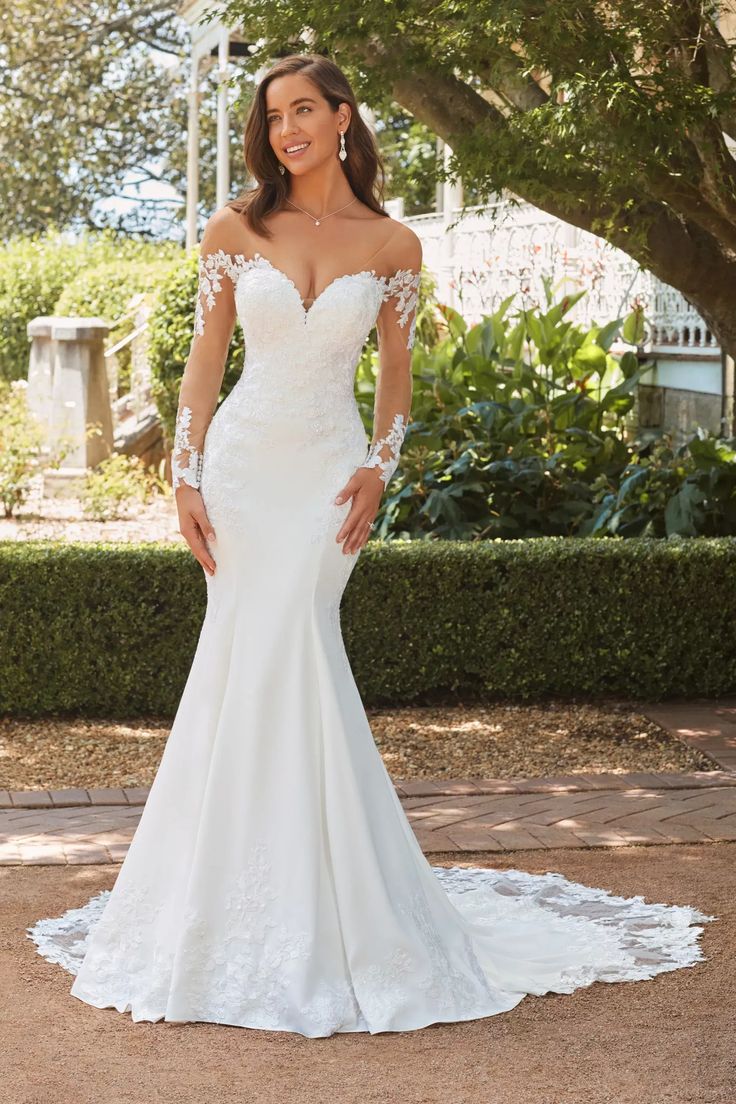

How to Choose the Perfect Wedding Venue
Disclosure: Some of the links in this post are affiliate links. This means if you click on the link and purchase an item, I will receive an affiliate commission at no extra cost to you.
How to Choose the Perfect Wedding Venue is one of the most important decisions you’ll make during your wedding planning journey.
Your venue isn’t just where your ceremony or reception takes place. It sets the atmosphere, influences your décor, affects your budget, determines your guest experience, and becomes the backdrop for memories you’ll cherish forever.
With countless venues to choose from, narrowing down your options can feel overwhelming. From elegant ballrooms and luxury hotels to charming gardens, rustic barns, beachfront resorts, and historic estates, every venue offers something unique.
The challenge is finding one that aligns with your vision while also meeting your practical needs. The perfect venue isn’t necessarily the biggest or the most expensive.
Instead, it’s the place that reflects your personality as a couple, accommodates your guests comfortably, and allows your wedding day to unfold smoothly.
A beautiful location may catch your attention, but thoughtful planning ensures it remains the right choice long after the excitement of booking has passed.
Before you sign any contracts, take time to consider your priorities. Think about your budget, guest list, preferred wedding style, and the overall experience you want everyone to enjoy.
The more prepared you are before visiting venues, the easier it becomes to recognise the one that truly feels right.
If you’re already gathering inspiration for your wedding style, our guides on 41 Romantic Wedding Decoration Ideas, 31 Minimalist Wedding Decor Ideas, and 35 Luxury Wedding Decor Trends can help you imagine how different venues can be transformed to match your dream celebration.
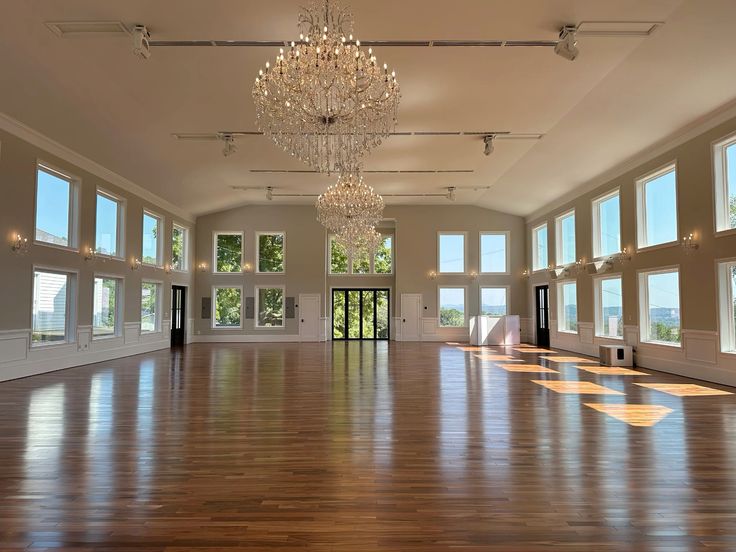
Essential Tips to Help You Choose the Perfect Wedding Venue
1. Start with a Clear Wedding Vision
Before booking venue tours, spend time deciding what you want your wedding to look and feel like. Having a clear vision helps you eliminate venues that don’t fit your style and keeps you focused during the planning process.
Ask yourselves a few simple questions:
- Do you want a formal or relaxed celebration?
- Are you dreaming of an indoor or outdoor wedding?
- Do you prefer a modern, rustic, romantic, luxury, or classic setting?
- Will your ceremony and reception take place in the same location?
The answers will guide almost every venue decision that follows.
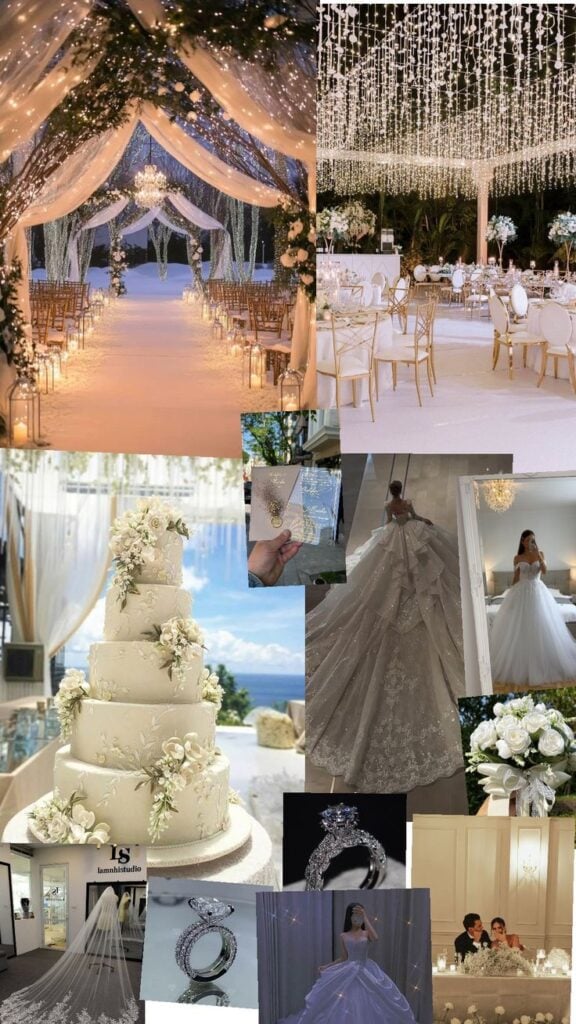
Create a Wedding Mood Board
One of the easiest ways to define your vision is by collecting inspiration.
Save images that immediately catch your eye, whether they’re elegant ballroom receptions, garden ceremonies, beachfront vows, or candlelit dinners under the stars.
After a while, you’ll notice patterns in the colours, architecture, décor, and overall atmosphere you’re naturally drawn to.
Having these images available also makes it easier to communicate your ideas with venue coordinators and vendors.
Think Beyond Today’s Trends
Wedding trends come and go, but your photographs will last a lifetime.
Instead of choosing a venue simply because it’s currently popular on social media, think about whether you’ll still love it years from now.
Classic venues with timeless architecture often age beautifully in wedding albums, while personalised styling allows you to incorporate current trends without making your entire wedding feel dated.
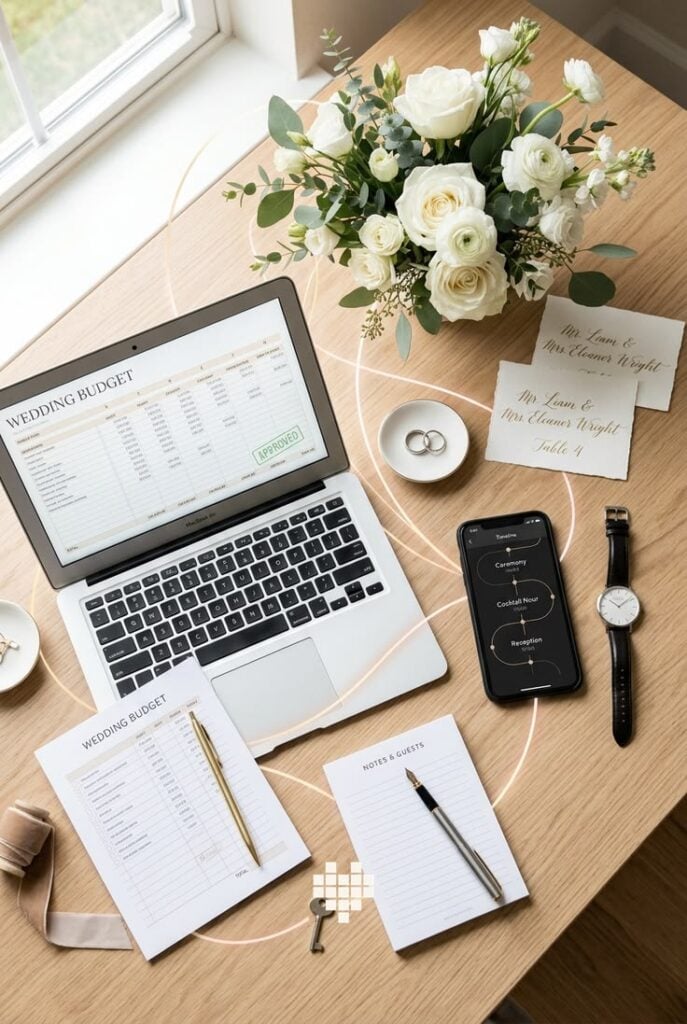
2. Establish Your Budget Before Visiting Venues
One of the biggest mistakes couples make is touring venues before deciding how much they’re comfortable spending.
Falling in love with a venue that’s well beyond your budget only creates unnecessary disappointment later.
Instead, determine your overall wedding budget first, then decide how much you’re willing to allocate to the venue.
Since the venue often represents one of the largest wedding expenses, having a realistic figure in mind helps narrow your options considerably.
Understand What the Price Includes
Venue prices vary dramatically because every package includes different services. Some venues simply rent out the space, while others include valuable extras such as:
- Tables and chairs
- Catering
- Basic décor
- Linen hire
- Lighting
- Sound equipment
- Wedding coordination
- Setup and cleanup
Although an all-inclusive venue may seem more expensive initially, it can actually save money by reducing the number of vendors you need to hire separately.
Watch for Hidden Costs
Always request a complete breakdown of fees before making comparisons.
Ask about:
- Service charges
- Taxes
- Security deposits
- Corkage fees
- Cleaning fees
- Overtime charges
- Generator or power costs
- Vendor access fees
Knowing these expenses in advance helps you avoid unexpected surprises.
3. Finalise Your Guest List Early
Your guest count directly affects almost every aspect of your venue search.
A venue that’s too small can leave guests feeling cramped, while one that’s far too large may make your celebration feel less intimate.
Although you don’t need an exact final number immediately, creating a realistic estimate before touring venues makes the entire process much easier.
Choose Comfort Over Maximum Capacity
Many venues advertise their maximum capacity, but that number doesn’t always reflect a comfortable layout.
Ask venue coordinators how many guests they recommend for your preferred seating style.
A venue that comfortably seats 150 people may technically fit 180, but the experience could feel crowded once the dance floor, buffet, and entertainment are added.
Consider Future Changes
Guest lists often change throughout wedding planning. Some people decline invitations, while others may need to be added later.
Choosing a venue with a little flexibility provides peace of mind and prevents unnecessary stress as your wedding day approaches.

4. Choose the Right Location
Location plays a much bigger role than many couples initially realise. Beyond simply looking beautiful, your venue should be convenient for both you and your guests.
Think about travel time, accommodation options, parking, and accessibility before making your decision.
Make Travel Easy for Guests
If many guests are travelling from another city or country, consider venues close to:
- Hotels
- Airports
- Public transport
- Major roads
Reducing travel time allows everyone to relax and enjoy the celebration.
Consider Ceremony and Reception Logistics
Holding both your ceremony and reception at the same venue often creates a smoother experience.
Guests won’t need to drive between locations, vendors can remain in one place, and your timeline becomes much easier to manage.
If you choose separate locations, allow enough travel time between each event to keep the day running comfortably.
5. Think About the Season and Weather
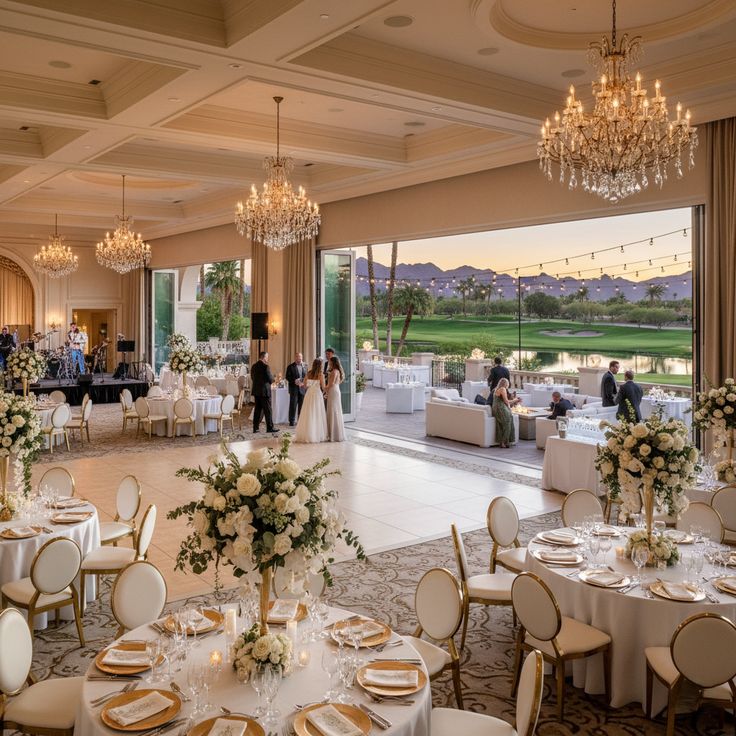
Every venue changes throughout the year. A garden filled with spring flowers may look completely different during autumn, while a beachfront ceremony could become uncomfortable during extremely hot weather.
Choosing a venue that complements your wedding season helps create a more enjoyable experience for everyone.
Ask to See Seasonal Photos
Don’t rely solely on promotional images. Request photographs from real weddings held during the same season as yours.
This gives you a much better understanding of:
- Landscaping
- Lighting
- Weather conditions
- Outdoor ceremony spaces
- Reception setup
You’ll have a much more realistic idea of what your wedding could look like.
Always Have a Backup Plan
Outdoor weddings are beautiful, but weather remains unpredictable. Ask every outdoor venue about their contingency plans.
Important questions include:
- Is there an indoor ceremony option?
- How quickly can the backup location be prepared?
- Will additional charges apply?
- Can all guests be accommodated comfortably indoors?
A reliable backup plan gives you confidence no matter what the forecast predicts.
6. Visit Every Venue Before Making a Decision
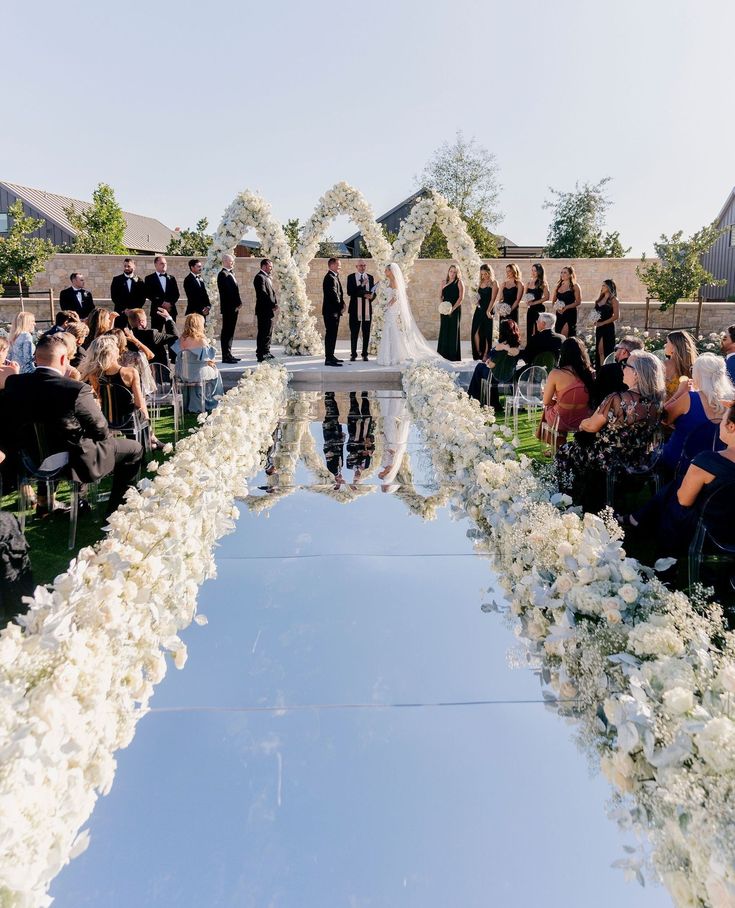
No matter how impressive a venue looks online, nothing compares to seeing it in person.
Professional photos are often taken under perfect lighting and from carefully selected angles, so they don’t always show the full picture.
When you visit a venue, pay attention to how the space actually feels. Imagine yourself walking down the aisle, greeting your guests, and celebrating your reception there.
Sometimes a venue that looked average online turns out to be perfect in person, while another that looked stunning in photos may not meet your expectations.
Visit at the Right Time of Day
If possible, schedule your tour around the same time your wedding will take place.
For example, if you’re planning an evening ceremony, visit during the late afternoon or evening to see how the lighting changes.
Natural light can dramatically affect both the atmosphere and your wedding photographs. This simple step helps you make a more informed decision.
Look Beyond the Décor
During venue tours, don’t let temporary decorations distract you.
Instead, focus on permanent features such as:
- Architecture
- Ceiling height
- Flooring
- Windows
- Outdoor spaces
- Overall maintenance
Flowers, candles, and table settings can transform almost any venue, but the building itself remains the foundation of your wedding design.
7. Ask the Right Questions Before Booking
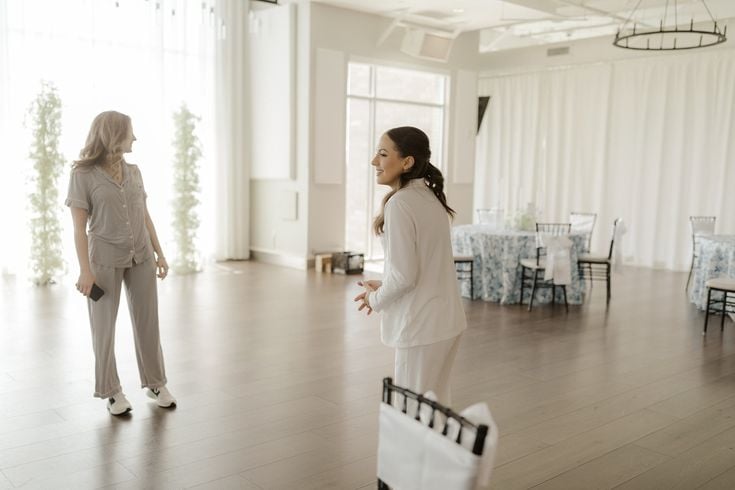
A venue may seem perfect until you discover important details after signing the contract.
Preparing a list of questions before every tour helps you compare venues fairly and prevents costly surprises.
Find Out What’s Included
Never assume two venues offer the same package. Ask whether the rental includes:
- Tables and chairs
- Linens
- Catering
- Bar service
- Bridal suite
- Sound system
- Setup and cleanup
- On-site coordinator
Knowing exactly what’s included makes comparing prices much easier.
Understand Vendor Policies
Some venues allow you to choose any vendors you like, while others require you to work from an approved supplier list.
Before booking, ask whether you can hire your preferred:
- Photographer
- Florist
- DJ or live band
- Caterer
- Wedding planner
- Cake designer
Having flexibility gives you more freedom to personalise your wedding.

8. Think About Your Wedding Photography
Long after your wedding day has ended, your photographs will preserve every memory. That’s why it’s worth choosing a venue with beautiful photo opportunities.
Walk around the property and imagine where portraits, family photos, and couple sessions could take place.
Gardens, grand staircases, elegant entrances, balconies, lakes, courtyards, and historic architecture often create stunning backdrops without requiring additional travel.
Consider Natural Lighting
Natural light is one of the biggest factors in beautiful wedding photography.
Large windows, open gardens, shaded pathways, and outdoor ceremony spaces often produce soft, flattering light that photographers love.
If you’re planning an indoor ceremony, ask whether the venue has enough natural light or if additional lighting is typically needed.
Picture Your Wedding Album
Rather than looking only at individual spaces, imagine your complete wedding album.
Can you picture yourself getting ready there?
Will your ceremony backdrop still look beautiful years from now?
Does the reception space create the atmosphere you’ve always imagined?
Thinking this way helps you focus on lasting memories instead of temporary trends.
9. Make Guest Comfort a Priority
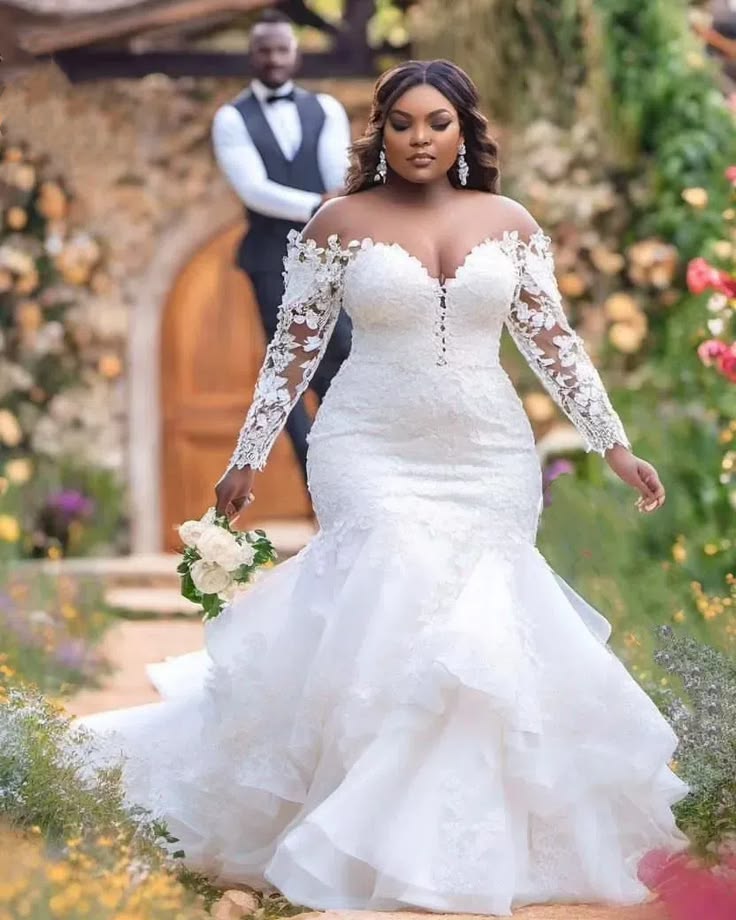
Your guests may not remember every flower arrangement, but they’ll certainly remember how comfortable they felt throughout the day.
Choosing a venue that’s easy to navigate helps everyone enjoy your celebration.
Check Accessibility
Ask whether the venue offers:
- Accessible entrances
- Ramps or lifts
- Comfortable seating
- Clean restrooms
- Climate control
- Adequate parking
These features make a significant difference, especially for elderly guests, young children, and anyone with mobility challenges.
Think About the Reception Layout
A beautiful reception also needs to function well.
Picture where you’ll place:
- Guest tables
- Dance floor
- Cake table
- DJ or band
- Bar
- Gift table
- Photo booth
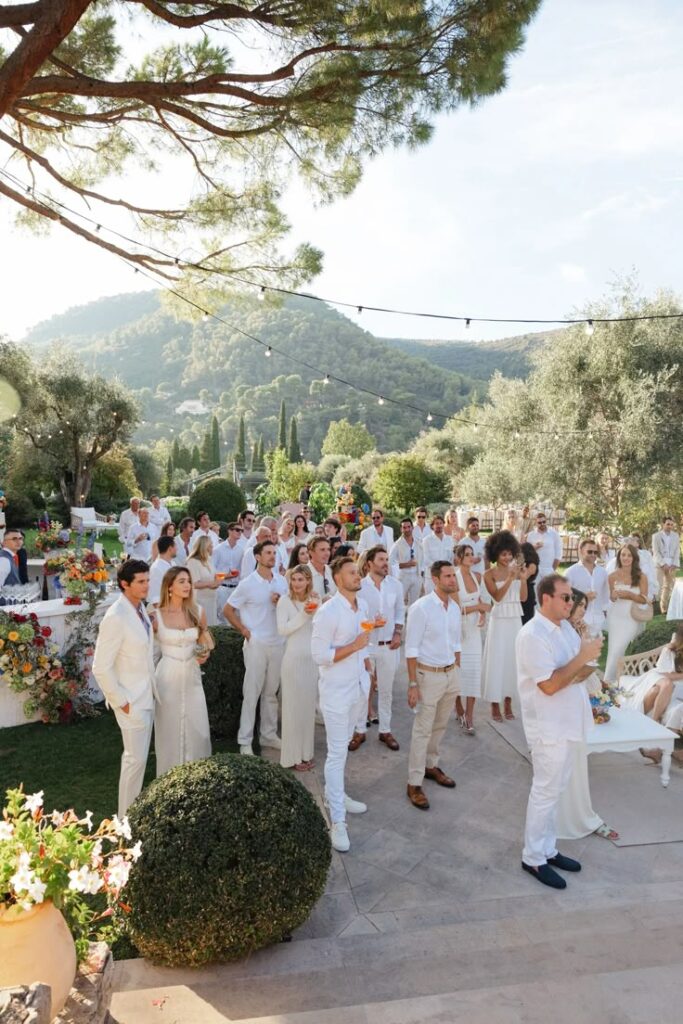
A thoughtful layout allows guests to move comfortably throughout the evening without feeling crowded.
10. Read the Contract Carefully
Once you’ve found a venue you love, don’t rush into signing the agreement. Take time to read every section carefully and ask questions whenever something isn’t clear.
Understanding the contract now can prevent unnecessary stress later.
Pay Attention to Important Details
Review information about:
- Payment schedule
- Cancellation policy
- Refund terms
- Overtime fees
- Security deposits
- Insurance requirements
- Venue responsibilities
Every detail matters.
Understand Venue Rules
Every venue has its own policies regarding decorations, entertainment, and event timings. Ask about restrictions involving:
- Candles
- Fireworks
- Confetti
- Music curfews
- Alcohol service
- Pets
- Outside catering
Knowing these rules early allows you to adjust your plans without disappointment.
If you’re already planning your wedding timeline, The Ultimate Bridal Beauty Timeline for Your Big Day can help you schedule your beauty appointments around your ceremony and reception without feeling rushed.
11. Choose a Venue That Matches Your Wedding Style
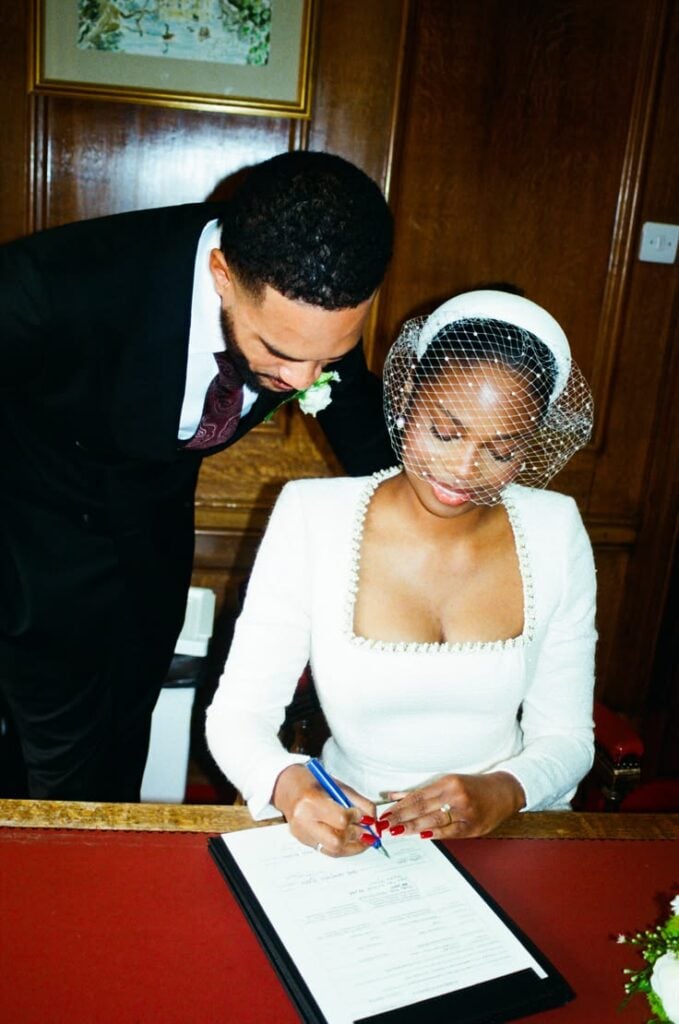
One of the easiest ways to create a beautiful wedding is by choosing a venue that already reflects the style you love.
While decorations can completely transform a space, it’s much easier and often more affordable to work with a venue’s existing character rather than trying to change it entirely.
For example, a grand hotel naturally suits a formal celebration, while a botanical garden creates a romantic atmosphere with very little additional décor.
Match the Venue to Your Theme
Think about the overall mood you want your guests to experience. A few examples include:
- Historic estates for timeless elegance
- Modern venues for minimalist weddings
- Barns for rustic celebrations
- Beach resorts for relaxed destination weddings
- Vineyards for sophisticated outdoor receptions
- Gardens for romantic ceremonies
When your venue complements your wedding theme, every detail feels more cohesive.
If you’re still deciding on your decorating style, our guides on 41 Romantic Wedding Decoration Ideas and 31 Minimalist Wedding Decor Ideas offer plenty of inspiration to help you visualise your dream day.
Think About Decorating Costs
A venue with beautiful architecture, landscaped gardens, or elegant interiors often requires fewer decorations.
Instead of spending a large portion of your budget transforming a plain space, you may be able to invest in other areas such as photography, entertainment, or your honeymoon.
Sometimes choosing the right venue is the best decoration of all.
12. Consider the Getting-Ready Experience
Your wedding day begins long before the ceremony.
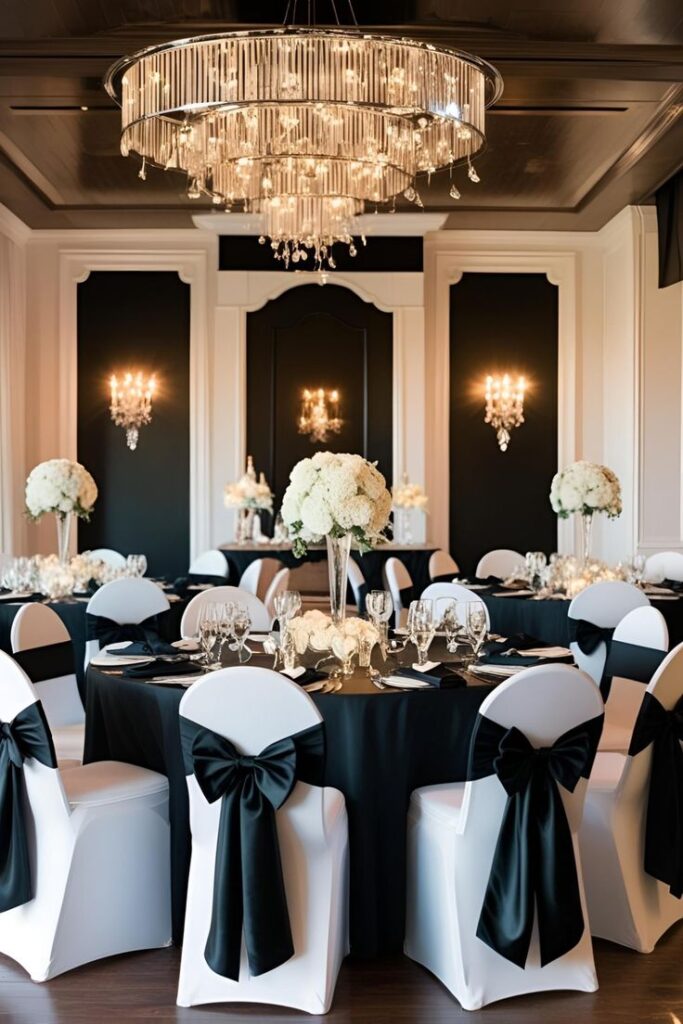
Many couples spend several hours getting ready with their closest family members and friends, so it’s worth checking whether the venue provides comfortable preparation spaces.
A spacious bridal suite allows everyone to relax while hair, makeup, and photography take place.
Look for Practical Features
An ideal bridal suite should include:
- Plenty of natural light
- Large mirrors
- Comfortable seating
- Enough space for your bridal party
- Private restrooms
- Easy access to the ceremony area
These small details help create a calm and enjoyable start to your wedding day.
If you’re planning your beauty schedule, don’t miss our guide on How to Start Your Wedding Skincare Routine 12 Months Before. Preparing your skin well in advance helps your makeup look even more radiant on the big day.
13. Compare Your Top Choices Carefully
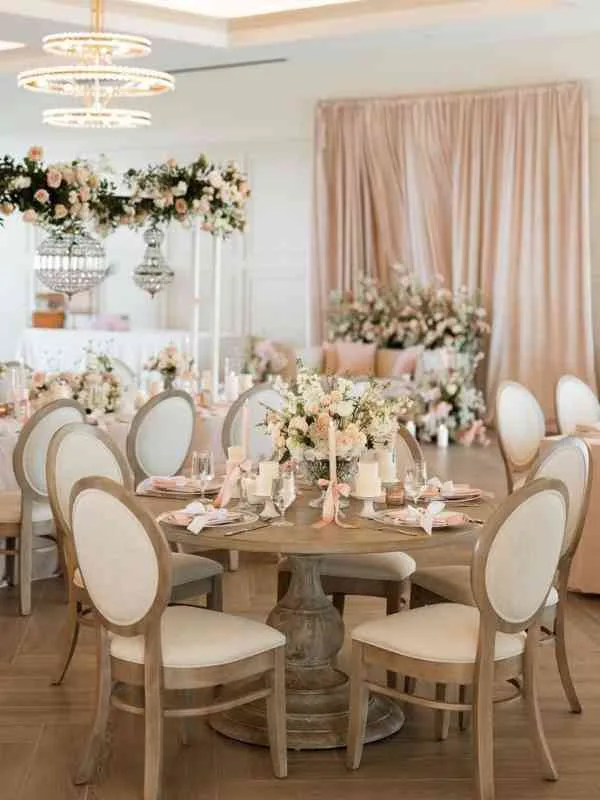
After touring several venues, it’s common for two or three favourites to stand out. Instead of making a quick decision, compare them side by side.
Create a simple checklist that includes:
- Price
- Location
- Guest capacity
- Included services
- Parking
- Flexibility
- Backup weather plans
- Overall atmosphere
Looking at everything together often makes the best choice much clearer.
Discuss the Decision Together
Both partners should feel equally excited about the venue. Take time to talk through the advantages and disadvantages of each option before making your final decision.
Sometimes one person notices practical details the other overlooked, leading to a more confident choice.
14. Trust Your Instincts
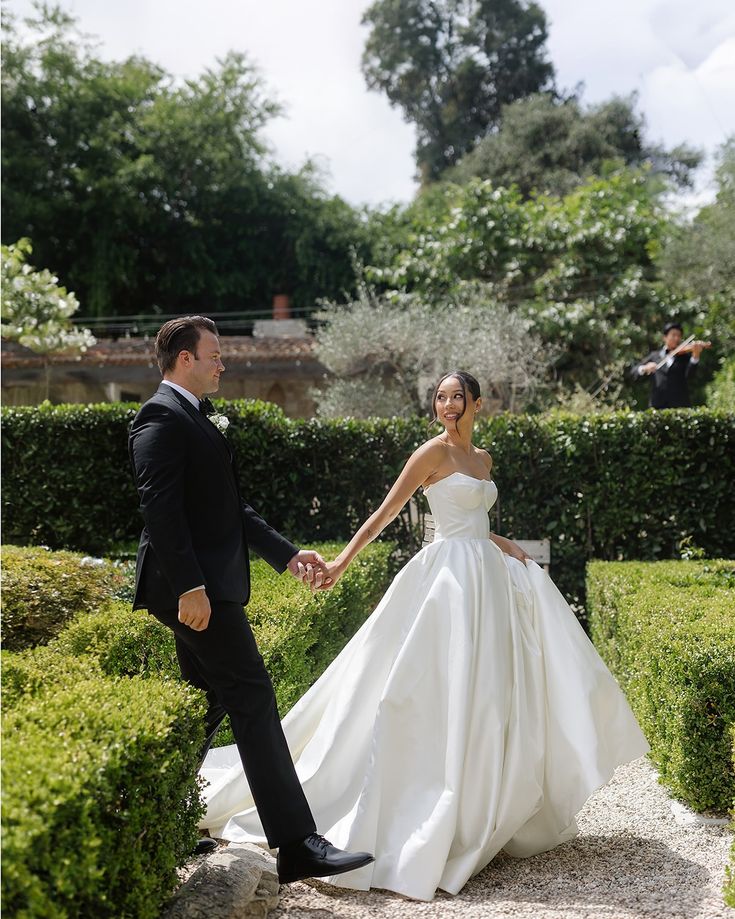
After comparing prices, reading contracts, and visiting multiple venues, there comes a point when you simply need to trust your instincts.
Many couples describe walking into their venue and immediately feeling that it was the right place.
While practical considerations should always come first, that emotional connection matters too.
I remember attending a wedding where the couple chose a smaller garden venue instead of a grand ballroom they had originally considered.
They said it simply felt more like them, and throughout the day you could see how relaxed and happy they were.
If a venue checks the important boxes and you can genuinely picture celebrating there, you’re probably closer to making the right decision than you think.
15. Book with Confidence and Enjoy the Journey
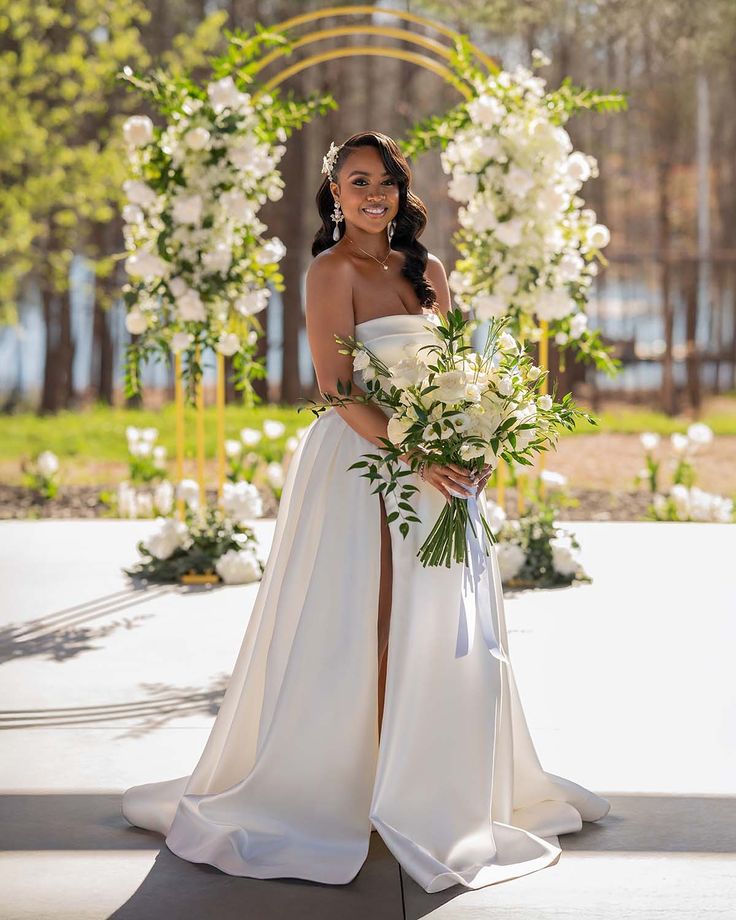
Once you’ve found the venue that fits your vision, budget, guest list, and practical needs, don’t spend weeks second-guessing yourself.
Wedding planning comes with countless decisions, and it’s easy to wonder whether another venue might have been slightly better.
Instead, focus on making the most of the wonderful space you’ve chosen.
After booking, you can confidently move on to planning your décor, flowers, photography, entertainment, attire, and beauty appointments.
Every decision after this one becomes much easier because your venue provides the foundation for the rest of your wedding plans.
Your Dream Wedding Starts with the Right Venue
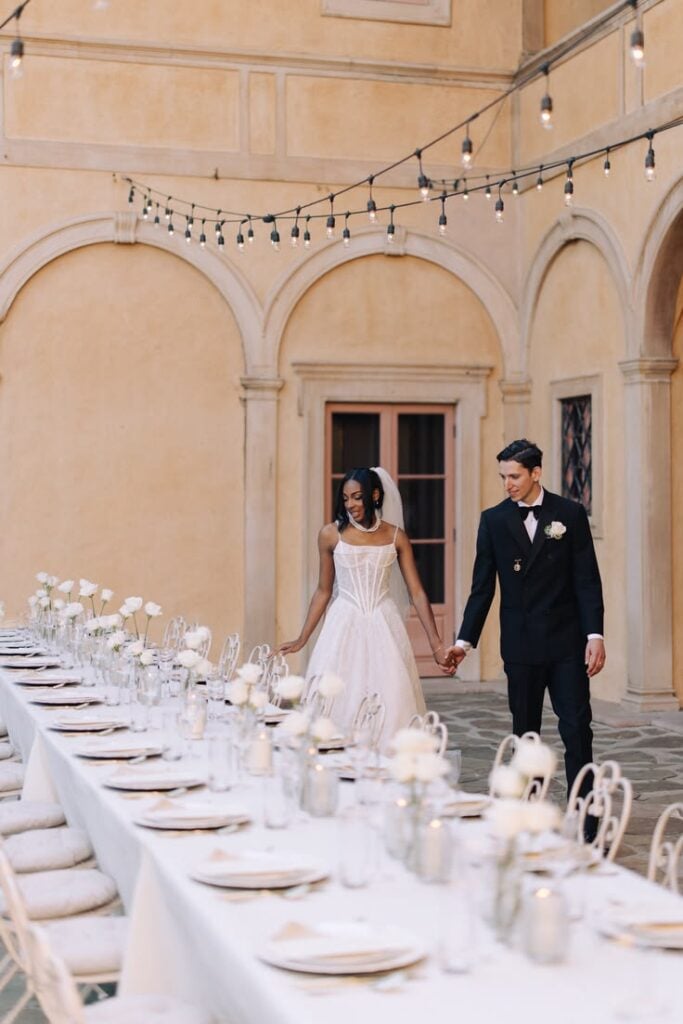
Learning How to Choose the Perfect Wedding Venue takes more than falling in love with beautiful photographs.
It involves balancing your vision with your budget, considering your guests’ comfort, asking the right questions, and choosing a place where your celebration can unfold naturally.
Take your time during the search, visit venues with an open mind, and compare your options carefully before making a final decision.
Once you find a venue that feels right both practically and emotionally, you’ll have the perfect setting to celebrate one of the most meaningful days of your life.
Most importantly, remember that it’s the love shared within the venue not just the venue itself that creates unforgettable memories.
Frequently Asked Questions
When should I start looking for a wedding venue?
It’s best to begin your search 12 to 18 months before your wedding, especially if you’re planning to marry during peak wedding season. Popular venues often book well in advance.
Should I book my venue before other vendors?
Yes. Booking your venue first secures your wedding date and location, making it much easier to hire photographers, florists, caterers, entertainers, and other vendors.
What should I bring to a venue tour?
Bring a notebook, your estimated guest count, a list of questions, your wedding budget, and photos that reflect your preferred wedding style. Taking photos during the tour can also help you compare venues later.
How many venues should I visit before deciding?
Most couples benefit from visiting three to five venues. This gives you enough variety to compare prices, services, and layouts without making the decision feel overwhelming.
Is an all-inclusive wedding venue a good choice?
For many couples, yes. All-inclusive venues can simplify planning by including services such as catering, furniture, coordination, and setup.
However, if you prefer complete flexibility, a venue that allows outside vendors may suit you better.