

The Complete 4C Hair Guide: Growth, Moisture, Styling & Maintenance for Healthy Hair
If you have 4C hair, just like me, you already know it is not just hair care; it is a routine you learn, forget, relearn, and adjust over time.
Some days your hair feels soft, defined, and easy to manage. Other days it feels dry, tangled, and like it has a mind of its own. And then there is breakage, the frustrating part where you start seeing short broken strands on your clothes, comb, and pillow.
When that happens, it can feel like your hair is not growing at all.
But here is the truth: 4C hair usually is growing. The real issue is length retention, meaning your hair is breaking faster than it is growing.
The good news is that once you understand how 4C hair works and what it actually needs, everything becomes easier.
This guide breaks everything down into four core areas:
- Growth (length retention)
- Moisture (hydration system)
- Styling (low-breakage methods)
- Maintenance (daily + weekly care)
By the end, you will understand exactly how to build a healthy, simple routine for 4C hair that actually works in real life.
Understanding 4c Hair
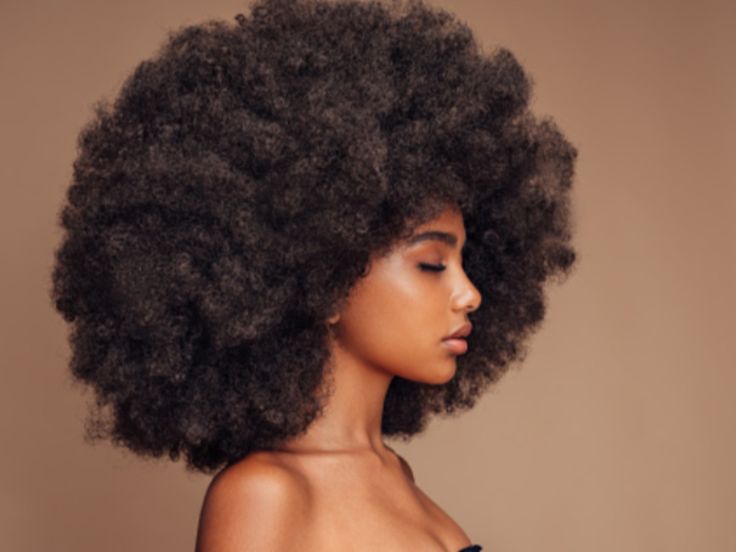
Before talking about routines, you need to understand your hair type properly.
Before you can build a healthy hair routine, you need to understand what makes 4C hair unique. One of the biggest mistakes people make is treating 4C hair exactly like other hair types. While many hair care principles apply across the board, 4C hair has specific needs that require a different approach.
4C hair is known for its tightly coiled pattern and significant shrinkage. In some cases, hair can shrink up to 75% of its actual length. This is why your hair may appear short even when it has grown several inches. The tight coil pattern is beautiful and versatile, but it also creates challenges when it comes to moisture retention and breakage prevention.
Because of these tight curls, natural oils produced by the scalp have a harder time traveling down the hair shaft. As a result, 4C hair tends to become dry much faster than straighter hair types. Dryness can then lead to tangles, brittleness, and eventually breakage if not addressed properly.
Understanding this simple fact changes everything. Instead of fighting your hair or believing it is “difficult,” you begin to realize that your hair simply needs the right care. Once you learn how to work with your texture rather than against it, maintaining healthy 4C hair becomes much easier.
Your 4C hair is not weak or stubborn. It simply requires consistent moisture, gentle handling, and patience.
Understanding this is the foundation of everything else in this guide.
How to Grow 4C Hair (Length Retention)
One of the most searched questions in the natural hair community is, “How do I make my 4C hair grow?” The answer may surprise you.
For most people, hair growth is not actually the problem. Hair naturally grows from the scalp. The challenge is retaining that growth long enough to see noticeable length.
Imagine filling a bucket with water while there is a hole in the bottom. Even though water is entering the bucket, it never appears full because water is escaping at the same time. Breakage works in a similar way. So when people say, “My hair is not growing,” what is usually happening is: Growth is happening, but retention is low.
The key to longer hair is therefore not chasing miracle products but reducing the factors that cause breakage.
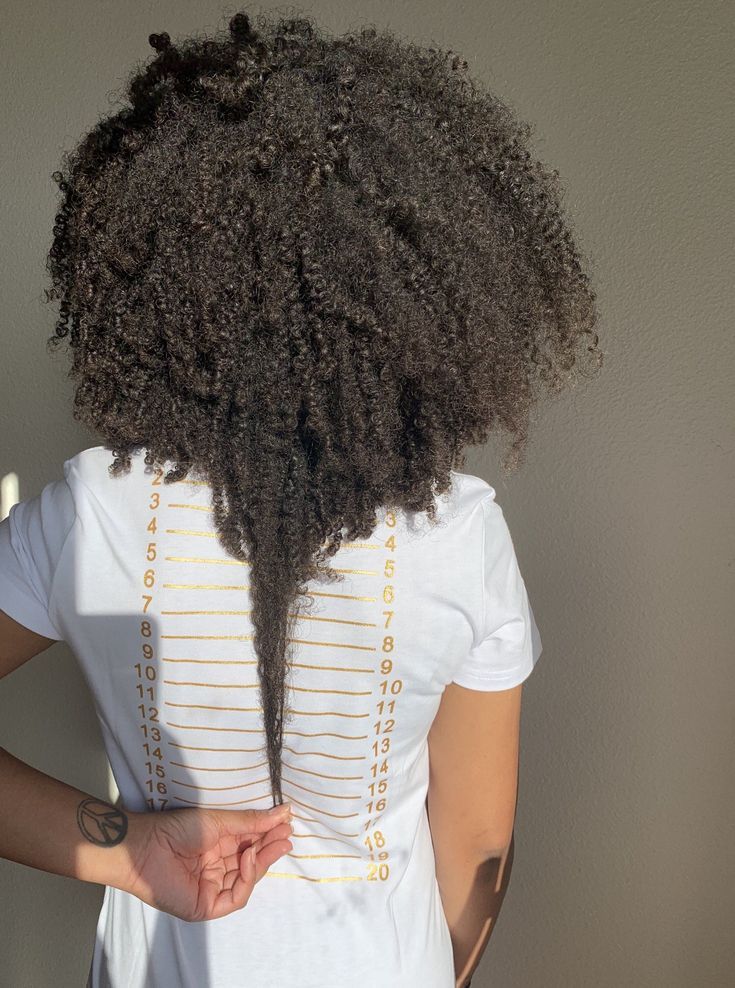
Why your 4c hair may not retain length
Hair retention problems often develop through everyday habits. Constant manipulation, dryness, rough detangling, and tight hairstyles all contribute to breakage over time.
Many people unknowingly damage their hair during routine activities. For example, aggressively detangling knots on dry hair, skipping deep conditioning treatments, or constantly changing hairstyles can weaken the hair shaft.
The frustrating part is that these habits may not show immediate consequences. Instead, the damage accumulates gradually until one day you notice excessive breakage or thinning. Even if your hair is growing from the scalp, you may not see progress.
The good news is that small improvements in your routine can produce significant results over time. So the goal is not just growth; it is keeping the length you already have.
Habits that improve length retention
Some habits that can support better retention include:
- Keeping hair moisturized regularly: Dry hair breaks easily, especially 4C hair. Keeping your hair moisturized helps maintain softness and elasticity so it can handle daily styling without snapping. Focus on water-based products and seal lightly to prevent dryness.
- Reducing unnecessary manipulation: Constant styling weakens the hair over time. Try to keep styles simple and long-lasting so your hair is not combed or restyled every day. The less you manipulate it, the more length you retain.
- Detangle only when hair is soft and wet: Never detangle dry hair. Always work on damp hair with conditioner so the strands can glide apart easily. This reduces breakage and makes the process much smoother.
- Wearing low-tension protective styles: Protective styles should reduce stress, not add it. Choose styles that are not tight on your scalp or edges so your hair can rest while still being protected.
- Protecting hair at night with satin or silk: Sleeping on cotton causes friction that leads to breakage and dryness. Satin or silk helps keep moisture in and reduces tangling while you sleep.
- Trimming split ends regularly: Split ends travel upward and cause more breakage if ignored. Light, regular trims keep your ends healthy and help you retain length over time.
Small habits, but with repeated consistency, make the biggest difference in your 4c hair journey.
Scalp care for growth
Healthy hair begins with a healthy scalp. While products often receive most of the attention, the condition of your scalp plays a major role in overall hair health.
A scalp that is overloaded with product buildup, dirt, and dead skin can become uncomfortable and difficult to maintain. Regular cleansing helps keep the scalp balanced and creates a healthier environment for hair growth.
Scalp massages can also be a helpful addition to your routine. Although they are not a magical growth solution, they can feel relaxing and encourage blood circulation to the scalp.
Think of scalp care as part of a complete hair health routine rather than a quick fix for growth.
Moisture Routine For 4c Hair
If there is one thing that can completely change the health of your 4C hair, it is moisture. In fact, many of the problems people experience with natural hair- breakage, tangles, rough texture, excessive shedding, and difficulty retaining length, which can often be traced back to a lack of moisture.
Unlike straighter hair types, 4C hair has very tight curls that make it difficult for natural oils from the scalp to travel down the length of the hair strand. This means that even if your scalp is producing enough oil, your ends may still be dry. Over time, that dryness can lead to brittleness and breakage.
The good news is that keeping 4C hair moisturized does not have to be complicated. You do not need dozens of products or a lengthy routine. What matters most is understanding how moisture works and building simple habits that help your hair stay hydrated consistently.
Once moisture becomes a priority, you may notice that your hair feels softer, tangles less, breaks less often, and becomes much easier to manage.
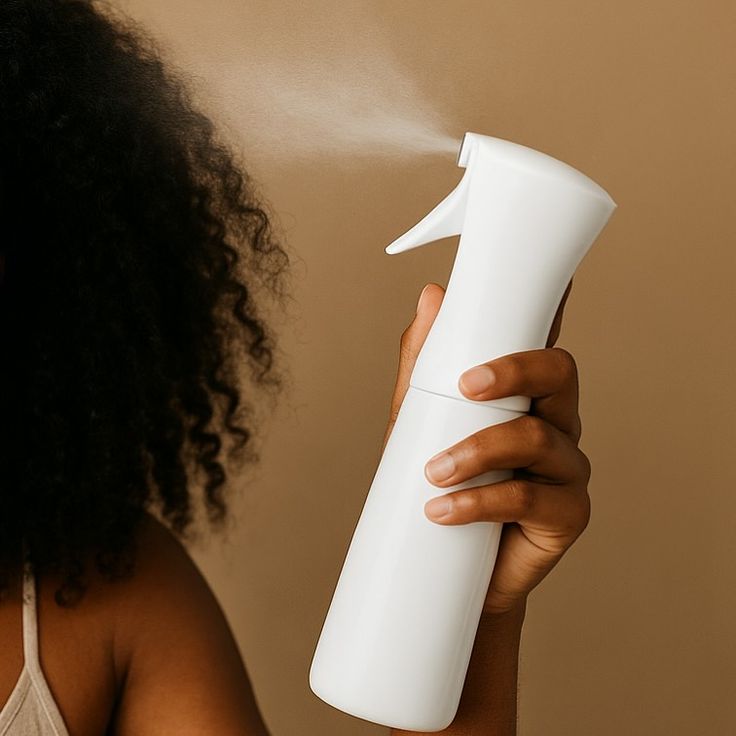
Simple moisture routine that works
To have a simple yet effective moisture routine, you do not need lots of complicated products; you need consistency.
A simple routine looks like this:
- Lightly spray hair with water or leave-in conditioner
- Apply a moisturizing cream or leave-in
- Seal with oil (optional depending on your hair porosity)
Focus especially on your ends because they dry out first.
The LOC vs LCO method
These are two common moisture-sealing methods.
LOC method:
- Liquid (water or leave-in)
- Oil
- Cream
LCO method:
- Liquid (water or leave-in)
- Cream
- Oil
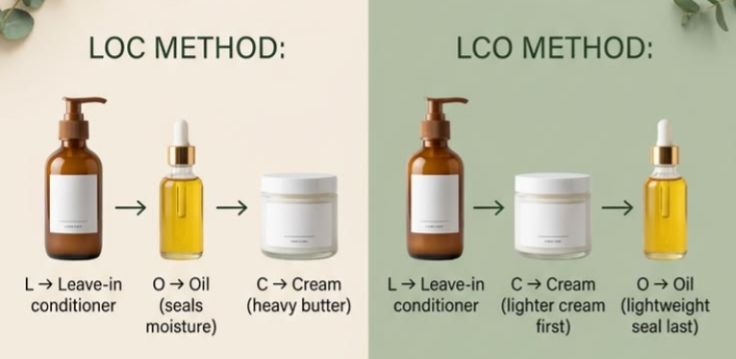
There is no universal best. Some people retain moisture better with LOC, others with LCO. You need to observe what keeps your hair soft for longer.
How often to moisturize
There is no strict rule, but general guidance:
- Every 2–3 days for dry hair
- Every 3–5 days for more hydrated hair
- Always refresh when hair feels rough or stiff
Your hair will “tell you” when it needs moisture if you pay attention.
Styling 4C Hair Without Breakage
Styling is where many people unintentionally damage their 4C hair. While styling is meant to help you manage your hair and express your personality, it can easily become a source of breakage if done without care.
The goal of styling 4C hair should never be just about appearance. It should also support the health of your hair. This means choosing styles that reduce tension, minimize daily manipulation, and help your hair retain moisture.
When styling is done correctly, your hair not only looks good but also stays healthier for longer periods. On the other hand, constant tight styling, excessive pulling, and frequent restyling can weaken your strands over time.
A good styling routine is one that makes your life easier, not harder.
Protective styles that help
Protective styles are one of the best tools for maintaining healthy 4C hair when used correctly. These styles are meant to reduce manipulation and protect your ends, which are the oldest and most fragile part of your hair.
Styles like loose braids, twists, buns, and wigs (with proper care underneath) can help your hair rest and reduce daily stress. The keyword here is loose. Protective styles should never feel painful or overly tight.
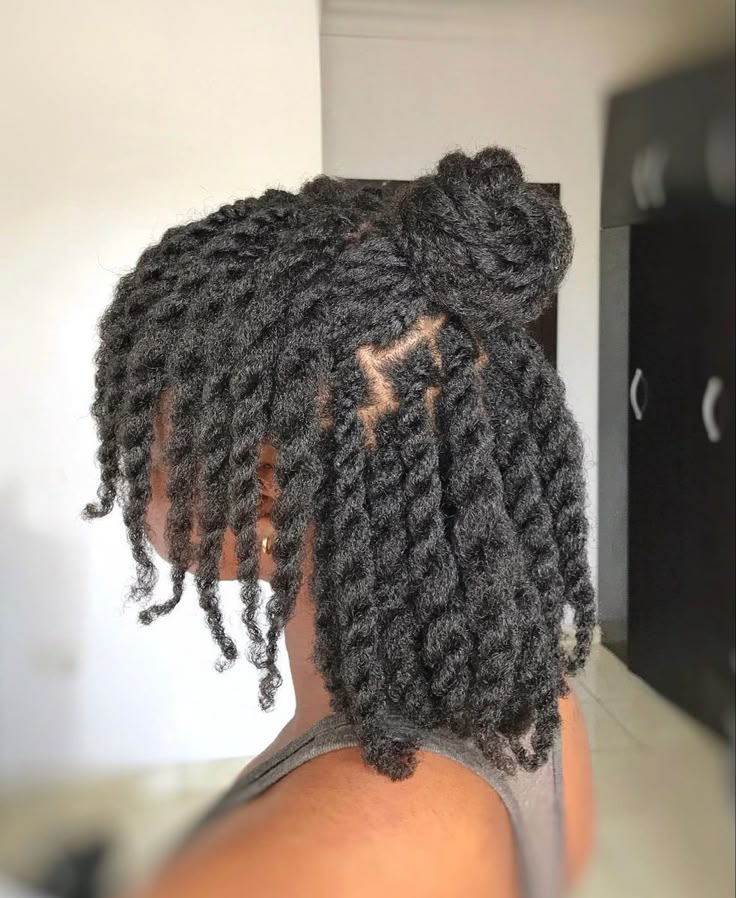
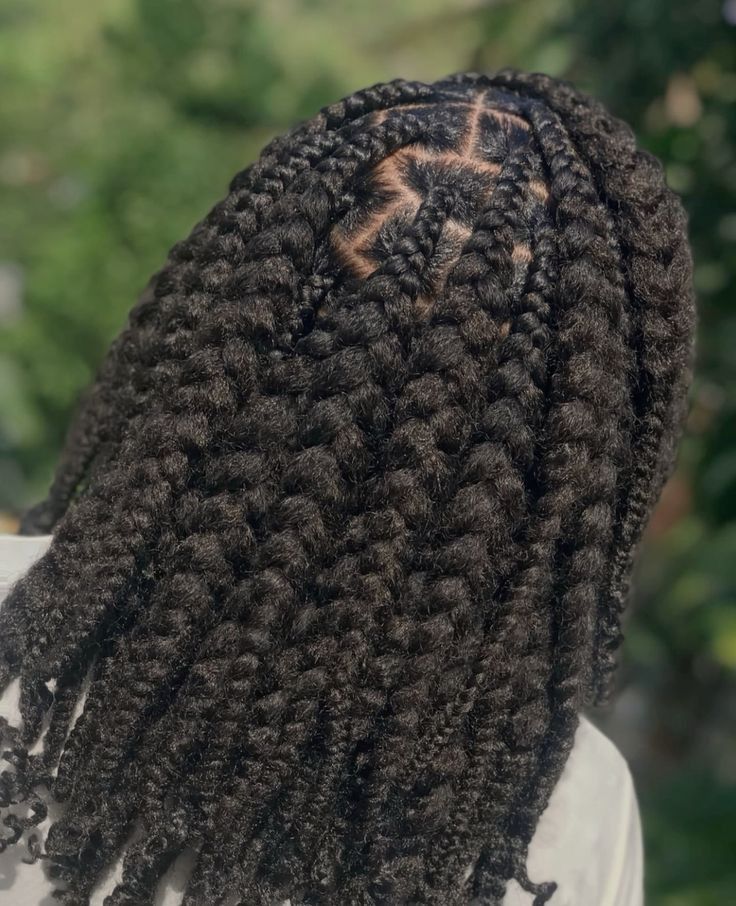
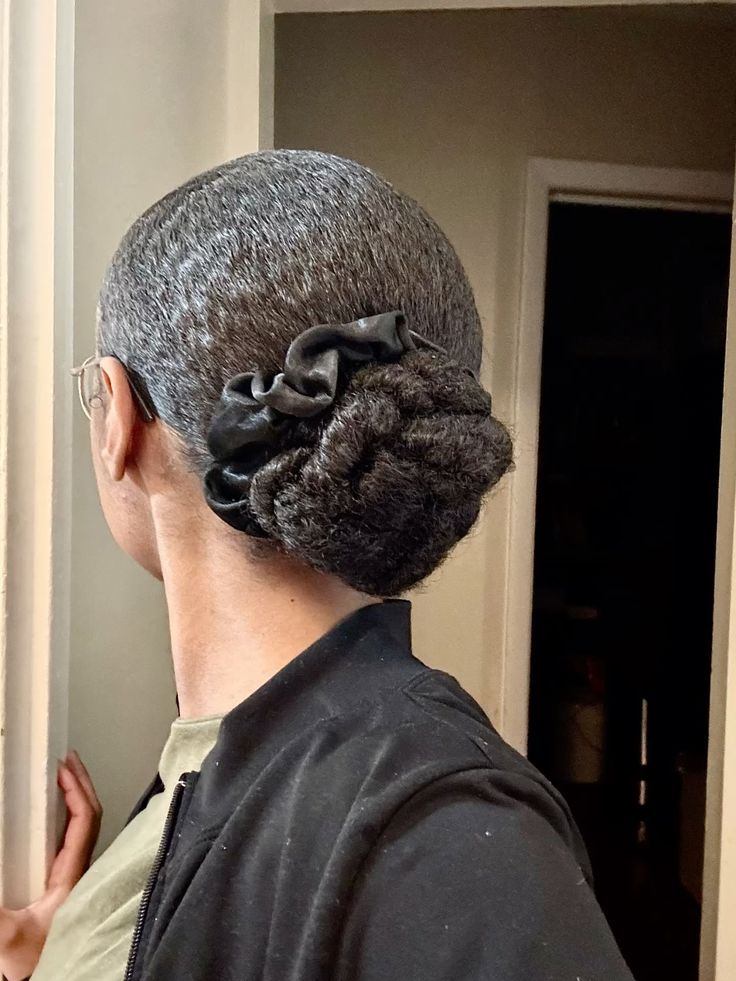
If a style is too tight, especially around your edges, it can lead to traction and long-term damage. You should always be able to move your scalp comfortably without pain or discomfort.
A well-done protective style gives your hair a break, not pressure.
Low manipulation styles
Low-manipulation styles are simple hairstyles that allow you to leave your hair alone for several days without constant combing or restyling. These styles are extremely helpful for length retention.
Styles such as twist-outs, braid-outs, puff styles, or simple buns allow you to maintain your hair while reducing daily stress. The less you manipulate your hair, the less opportunity there is for breakage.
Many people underestimate how much damage comes from daily styling. Even something as simple as combing every day can gradually weaken your strands if not done carefully.
By keeping manipulation low, you give your hair time to rest and recover.
Heat styling (What you should know)
Heat can be useful for styling, but it should always be handled with caution. Excessive heat can weaken the protein structure of your hair over time, leading to dryness and breakage.
If you choose to use heat, it is important to prepare your hair properly. Always apply a heat protectant before using tools like blow dryers or straighteners. This creates a barrier that helps reduce damage.
It is also better to use heat occasionally rather than frequently. Heat should be treated as a special styling option, not a daily routine.
Whenever possible, explore heatless styles that still give you definition and stretch without risking damage.
Everyday styling tips
Small habits during styling can make a big difference in the long-term health of your hair.
Always start with moisturized hair before styling. Dry hair is more likely to break when stretched or manipulated. Working in sections also helps reduce tangles and makes styling easier.
Avoid hairstyles that pull too tightly on your scalp or edges. Even if they look neat, tight styles can create long-term damage.
Most importantly, be gentle with your hair. The way you handle your hair daily matters just as much as the products you use.
Maintenance Routine for Healthy 4C Hair
Maintenance is what keeps everything together. You can have the best products and styling techniques, but without proper maintenance, your hair will still struggle.
Think of maintenance as your long-term care system. It includes washing, detangling, night-time protection, and trimming. These are not glamorous steps, but they are essential for healthy hair.
When you maintain your hair properly, everything else becomes easier; styling, moisturizing, and even growth retention.
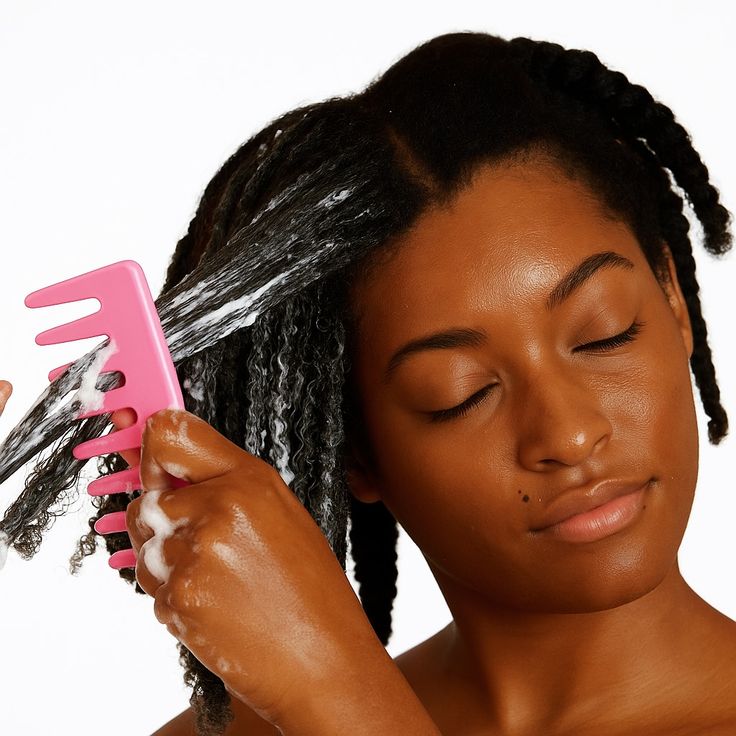
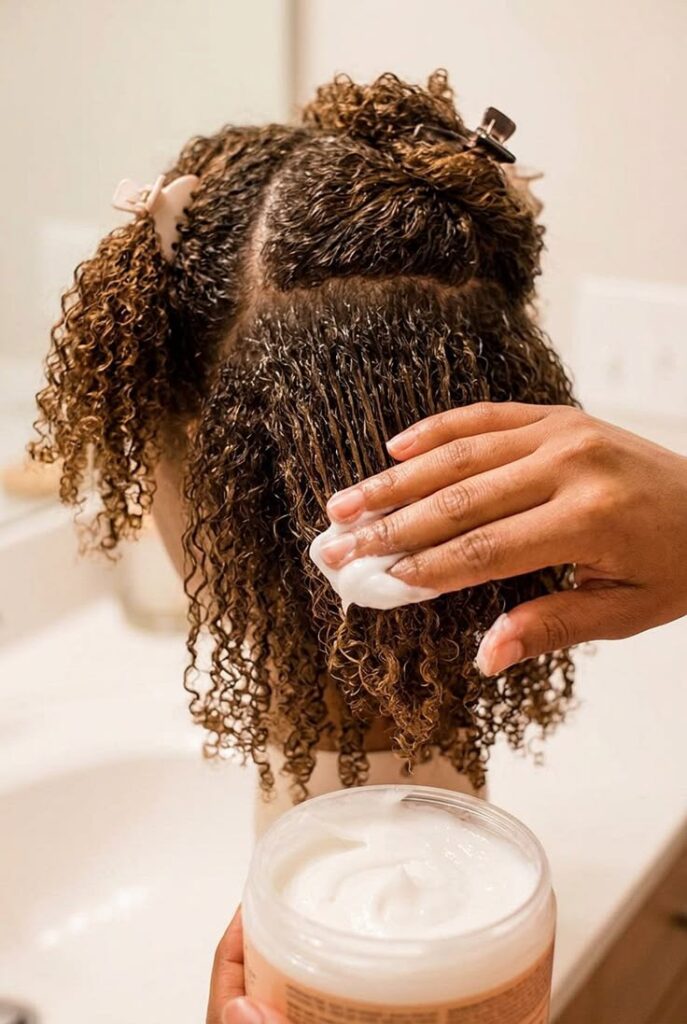
Wash day routine
Wash day is one of the most important parts of your hair care routine. It is where you reset your hair and prepare it for the week ahead.
A good wash day does not need to be rushed. In fact, rushing is one of the reasons many people experience breakage during wash day.
Start by gently detangling your hair with conditioner before shampooing. This helps reduce knots and makes washing easier. When shampooing, focus mainly on your scalp rather than aggressively rubbing the length of your hair.
After washing, deep condition your hair to restore moisture and softness. This step is very important for maintaining elasticity and preventing dryness.
Finally, moisturize and seal your hair before styling or letting it dry.

Proper detangling method
Detangling is one of the most important skills for 4C hair.
Detangling is also one of the most sensitive parts of 4C hair care. If done incorrectly, it can cause significant breakage.
Always detangle your hair when it is damp and coated with conditioner or a detangling product. This provides a slippery feel and reduces friction.
Start from the ends of your hair and work in small sections. This prevents knots from tightening and reduces pulling on your strands. Use your fingers before combs if necessary.
Patience is very important here. Rushing through detangling often leads to unnecessary hair loss.
Night protection
What you do at night affects your hair more than most people realize. While you sleep, friction between your hair and your pillow can cause dryness and breakage.
Using a satin bonnet, silk scarf, or satin pillowcase helps reduce this friction. These materials allow your hair to glide smoothly instead of catching and pulling.

You can also loosely twist or braid your hair before sleeping to reduce tangling.
Night protection is one of the simplest habits that can make a big difference over time.
Trimming and end care
Your ends are the oldest part of your hair and the most prone to damage. If they are not properly maintained, they can split and travel upward, leading to more breakage.
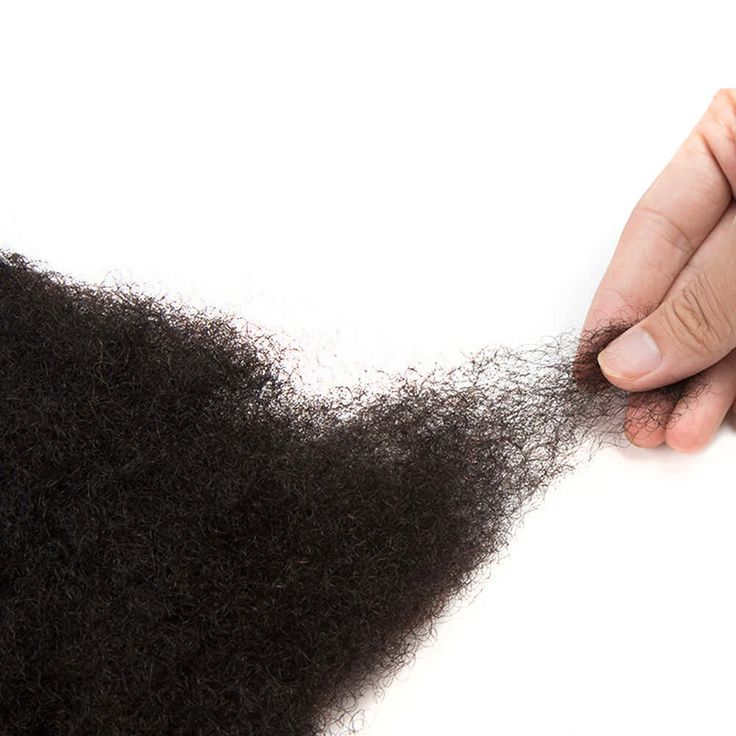
Regular trimming helps keep your hair healthy and prevents split ends from spreading. You do not need to trim frequently or remove large amounts of hair. Even small, consistent trims can make a difference.
Paying attention to your ends also means keeping them moisturized and protected. Many people focus on the roots but forget that healthy ends are what determine visible length retention.
Trim every 8–12 weeks or when necessary.
Simple Healthy 4C Hair Routine (Weekly Example)
A simple and realistic weekly routine is often more effective than a complicated one.
A basic weekly structure can look like this:
- Day 1: Wash + deep condition + moisturize
- Day 2–3: Light moisture refresh
- Day 4–5: Protective style or low-manipulation style
- Day 6–7: Scalp check + light moisturizer if needed
- Protect hair at night consistently
At the end of the day, 4C hair care is really about patience, consistency, and understanding what your hair responds to. There will be days when everything feels easy and days when it feels like nothing is working, but that is part of the process. What matters most is sticking to simple habits that support your hair over time—keeping it moisturized, handling it gently, protecting it at night, and trimming when necessary. When you focus on these basics, your hair slowly becomes easier to manage, healthier in texture, and better at retaining length.
Which part of your routine have you been struggling with the most—moisture, styling, or breakage?
Author: Sunday Comfort