
The Complete 4C Hair Care Guide: Growth, Moisture, Styling, and Maintenance for Health Hair
Nobody tells you everything you need to know about 4C hair. That is because 4C hair doesn’t come with instructions, and the ones you manage to find online are usually wrong or undercooked.
Last year, I shaved my hair. Why? You may ask. I had damaged ends because of years of neglect and ignorance of what my hair actually needed to be. That took its toll on my hair. Later on, I realized that I gave up too easily, and that my hair could have been saved. I felt so bad I almost cried. And that was when everything changed.
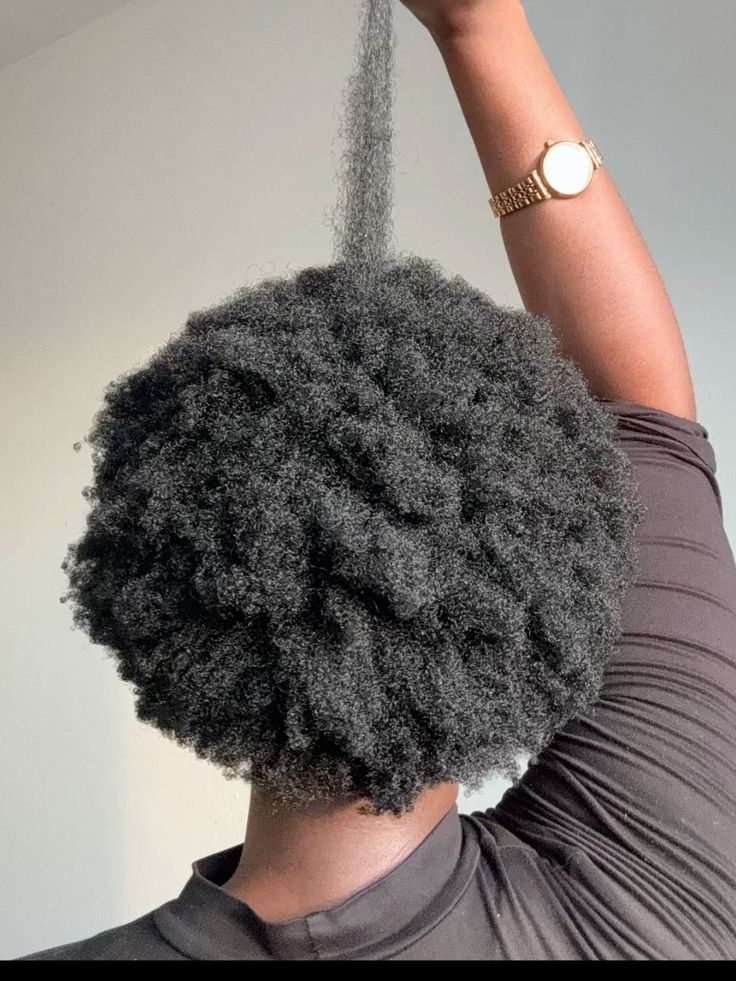
I spent hours watching tutorials, reading articles, buying whatever product was affordable. I tried so many products that I saw online. Oils most especially because I was taught that oil is the main thing my hair needs. It didn’t work, or maybe my brain thought it didn’t.
Read this first: 7 Tips to Maintain, Grow, and Care for 4C hair
The truth was, I wasn’t giving anything enough time. I wanted to become Rapunzel overnight. The truth is that hair care, especially that of 4C does not work that way.
In the long run, I eventually realized that 4C hair isn’t difficult, it’s just deeply misunderstood
I later understood from everything that our hair thrives on patience, consistency, and the right technique. Once I learnt that, I stopped chasing facebook and Instagram trends and started listening to my hair instead. That was when I finally saw my Rapunzel dreams start to come true.
In this guide, I’m going to walk you through everything on how to moisturize your 4C hair properly, how to style and maintain 4C hair without breakage, how to actually grow it. Not the advice you see on Facebook, but what actually worked for me.
Understanding 4C Hair
Before we start talking about routines, products, and styling, let’s begin with the basics. What exactly is 4C hair, and why does it sometimes seem like it has a personality of its own?
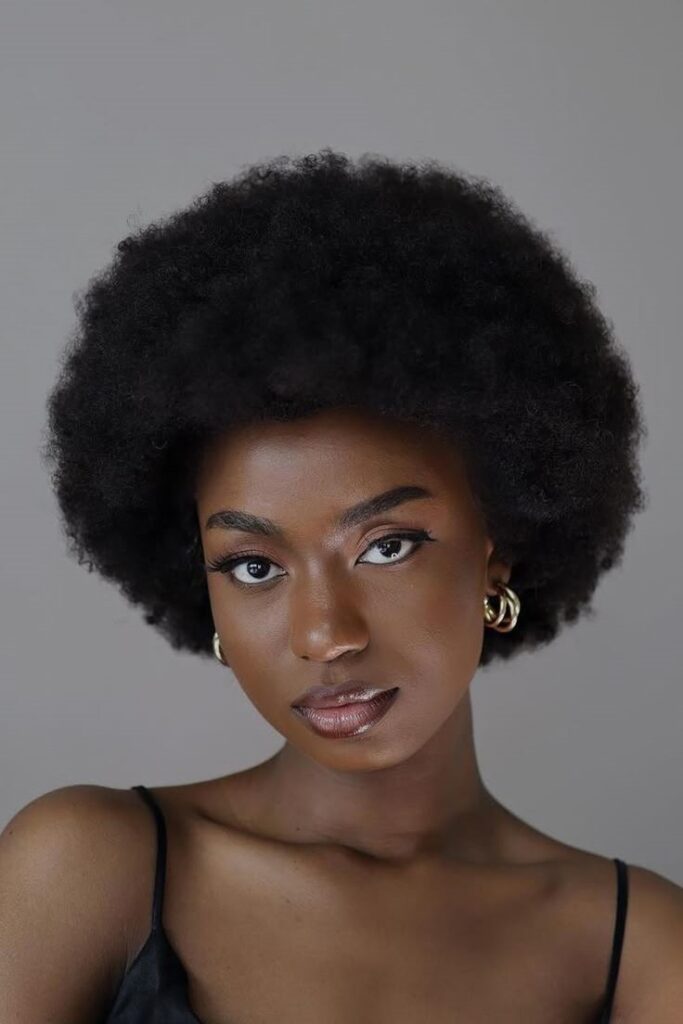
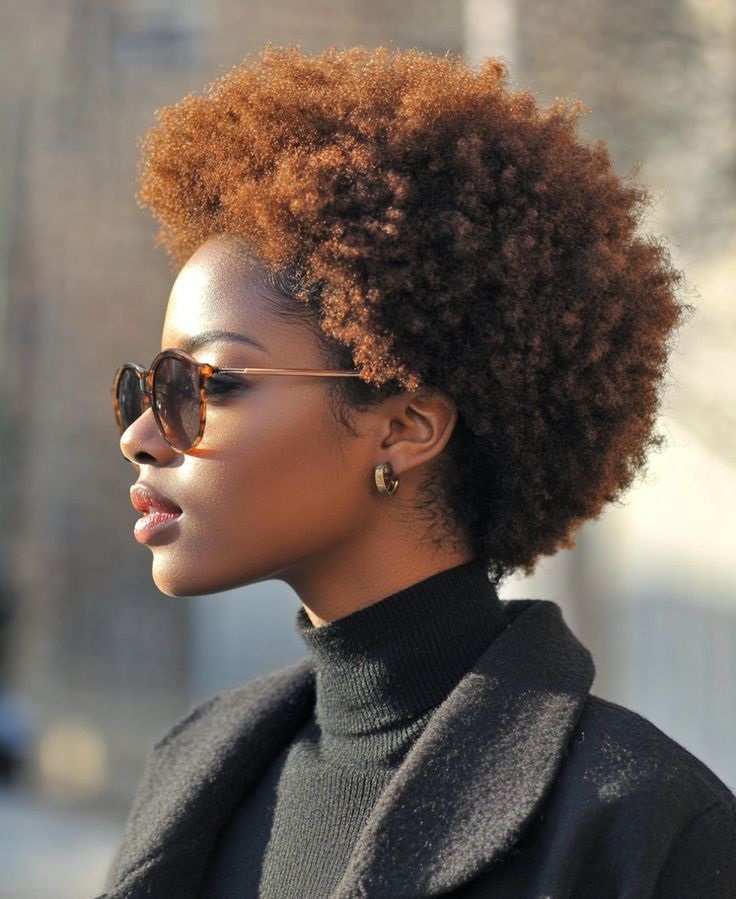
4C hair is the tightest curl pattern in the type 4 hair family. Its coils are incredibly small and compact, giving it its beautiful, unique texture. However, this tight curl pattern also means that the natural oils from your scalp struggle to travel down the hair strands. As a result, 4C hair often loses moisture faster than looser curl types.
Another remarkable characteristic of 4C hair is shrinkage. Hair that looks short can actually stretch two or even three times its visible length. It may seem surprising at first, but it is completely normal.
For a long time, I saw shrinkage as something to fight. Eventually, I learned that shrinkage is not the enemy. In fact, it is often a wonderful sign that your hair is healthy, strong, and full of elasticity.
How 4C Hair Differs from Other Hair Types
To be honest, before I started the hair care journey, I didn’t even know there were other hair types. If anyone asked me, I always covered my embarrassment with 4C hair, because that was all I knew. Thank God it turned out to be 4C hair.
Well, here’s a simple breakdown:
Type 1
Straight hair. No curl pattern at all. This hair type needs the least moisture retention help
Type 2
Wavy hair. You can clearly see the waves. It sits between straight and curly.
Type 3
Curly hair. Visible defined curls. More prone to dryness than type 1 and 2, but still has more natural curl definition than type
Type 4A
The most defined curl within the type 4 category. Still has visible curl.
Type 4B
Zig zag pattern. Less curl definition than 4A. Shrinkage becomes significant
TYPE 4C
Tightest curl pattern, most shrinkage, most versatility, and yes, the most misunderstood
Now you should know your hair type. 4C or not.
Why 4C Hair Needs Special Care

The biggest challenge for most people with 4C hair is not growth. It is length retention. Your hair can be growing perfectly well, but because 4C strands are delicate and prone to breakage, it may feel like nothing is happening.
I understand this frustration deeply because it was exactly what led me to shave my head for the first time. I looked at my hair and convinced myself it simply refused to grow. The truth was that my hair was growing, but I was losing my progress through dryness, breakage, and improper handling.
This is why 4C hair needs special care. It thrives when you give it patience, moisture, and gentle treatment. Learning how to keep your hair hydrated and protected makes all the difference. Once you understand your hair’s needs, you will finally start seeing the length and health you have been hoping for.
Common Challenges of 4C Hair

4C hair comes with real challenges ones that can really make you want to give up on your hair. Here are the most common ones, and how to actually deal with them.
Dryness
This comes first for a reason it’s one of the biggest challenges 4C hair carriers face. Keeping your hair moisturized isn’t a once-a-week task; for most people, it needs attention every two to three days, sometimes daily. The tight coils make it nearly impossible for your scalp’s natural oil to travel down the hair shaft, which is why 4C hair dries out fast without regular moisture. I thought oil was the answer to my dryness and growth problems, and that misunderstanding cost me months of progress oil does not moisturize hair, it only seals moisture in. The moisture itself is water. So the order matters: water first, then oil, then any other product.
This guide will help you: The Complete 4C Hair Care Guide: Growth, Moisture, Styling, and Maintenance for Healthy Hair
Dense Texture
Having 4C hair means having lots of strands packed closely together, giving it that full, voluminous afro look. It’s beautiful but it also makes detangling and moisturizing take more time and patience.
Delicate Strands
4C hair often looks thick and strong, but the strands themselves are very fragile. Every bend and twists of the coil creates a weak point where breakage can happen. Handle it gently always.
Shrinkage
This is not a real challenge but I’ll add it here because most of us are struggling with the Shrinkage. One minute your hair is smooth and stretched, the next you’ve moisturized it and it looks like you just had a haircut. Annoying at first, but you’ll get used to it. Shrinkage isn’t a problem , it’s your hair telling you it’s healthy.
Breakage

This is what happens when you don’t moisturize consistently, and it’s the reason so many people give up on 4C hair altogether. I struggled with this for the longest time, it’s part of why I shaved my head. Some of us play tug of war with our hair with a comb and then complain when it breaks. Your hair is not iron handle it gently, and keep it moisturized. Moisturized hair is simply easier to manage and far less likely to snap.
Tangling
This is one of the biggest struggles many people with 4C hair face. I have heard people say, “My hair is as hard as iron. My comb refuses to enter.” Honestly, I can relate because, when I first started my hair journey, my hair felt impossible to comb.
However, the comb is not the enemy. 4C hair’s tightly coiled structure naturally makes it more prone to tangles and knots. When your hair stays dry for too long or you skip proper detangling, those knots can become difficult to remove.
Trust me, washing your 4C hair without detangling first can turn wash day into a painful experience. You may experience unnecessary breakage and lose more hair than you should.
To make your hair easier to manage, keep moisture on your side. Aloe vera, flaxseed, or a good leave-in conditioner can become your hair’s best friends. Always take time to detangle before washing. Your hair will thank you for it.
Despite all of this, 4C hair remains one of the most versatile hair types out there. Twist outs, afros, braids, cornrows, gel styles, protective styles, the options are endless. The challenges are real, but so is the reward
How to Keep 4C Hair Moisturized
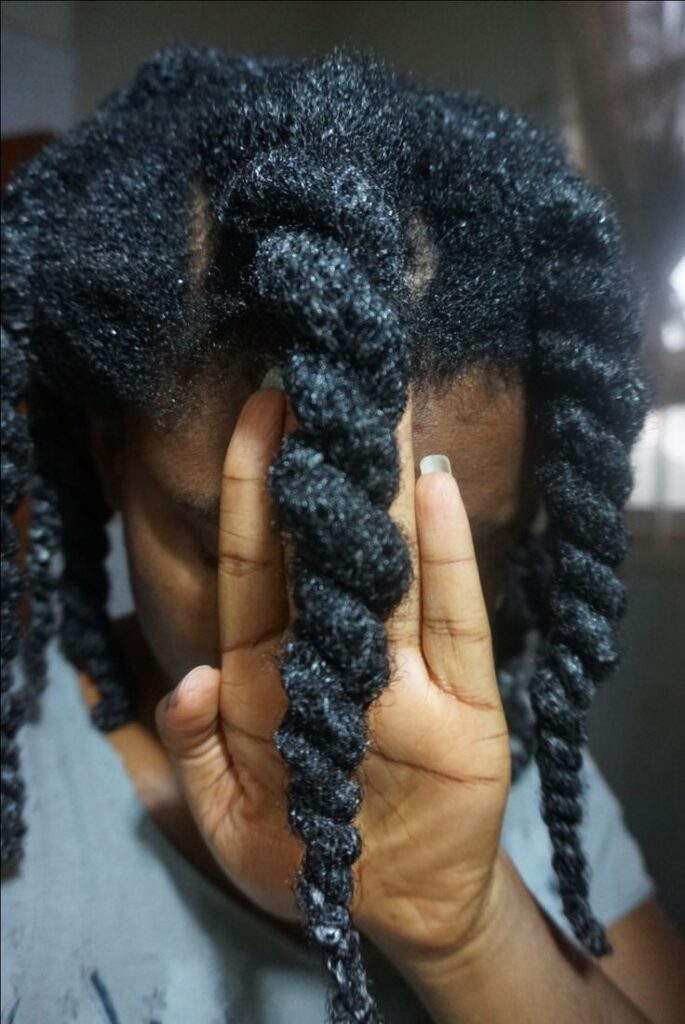
Keeping your 4C hair moisturized is not complicated at all, once you understand the order of things the rest is a piece of cake. Here is what actually works.
Water
Water is the one and only true moisturizer for your 4C hair, everything else is just supporting it. When I realized this I almost cried because it was just that simple. But I top it up a notch by adding some useful hair ingredients like hibiscus, cloves and rosemary to my ordinary water and guess what, the difference was noticeable almost immediately. That doesn’t mean that only water doesn’t work, it does, but I decided to do extra. That’s a choice you have to make yourself.
Leave-in Conditioner
A good leave-in conditioner is non-negotiable. It doesn’t just make your hair soft, it also makes your hair easier to manage, and turns detangling from a nightmare into something actually bearable.
Seal in Moisture
This is where oil finally comes in, and notice it’s last, not first. Oil doesn’t moisturize your hair, it seals the moisture in. Think of it as locking the door after your hair has already drunk what it needs. No water first, no point to the oil.
Listen to Your Hair
Some weeks, some seasons, your hair will need more moisture than usual. Don’t just follow rigid rules, follow your hair. If it feels dry two days after moisturizing, moisturize again, don’t wait for a certain time to moisturize. Your routine is allowed to change, and it should.
Understanding the LCO and LOC Methods
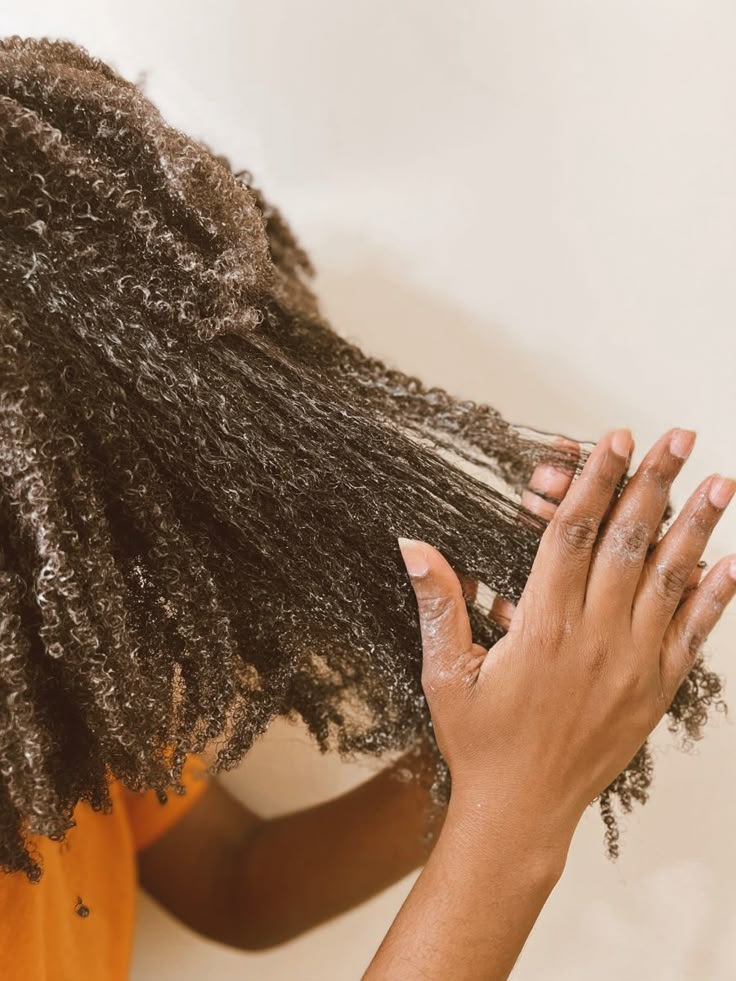
If you have ever wondered why your moisture does not last, the answer might be in the order you apply your products. Two methods dominate the 4C hair community and both works, the difference is just in the sequence.
LCO-Liquid, Cream, Oil
Best for fine hair or hair that gets weighed down easily.
Start with your liquid, water is always the right choice, but any liquid that works for your hair is fine. Follow with your cream, which could be aloe vera, shea butter, honey, or any moisturizing cream you use. Finish with a light amount of oil to seal everything in. The amount of oil depends on your hair porosity ,less for high porosity, a little more for low porosity.
LOC -Liquid, Oil, Cream
Best for thick, coarse, or very dry hair.
Step one is still liquid, water or your herbal spray, it never changes. This time, oil comes second to lock the moisture inside the hair shaft before it escapes. Then finish with your cream to add a final layer of protection on top.
personally prefer the LOC method because it keeps my 4C hair moisturized longer and significantly reduces dryness between wash days. That said, both methods work , try them both and let your hair tell you which one it prefers.
The Best Approach to Hair Growth
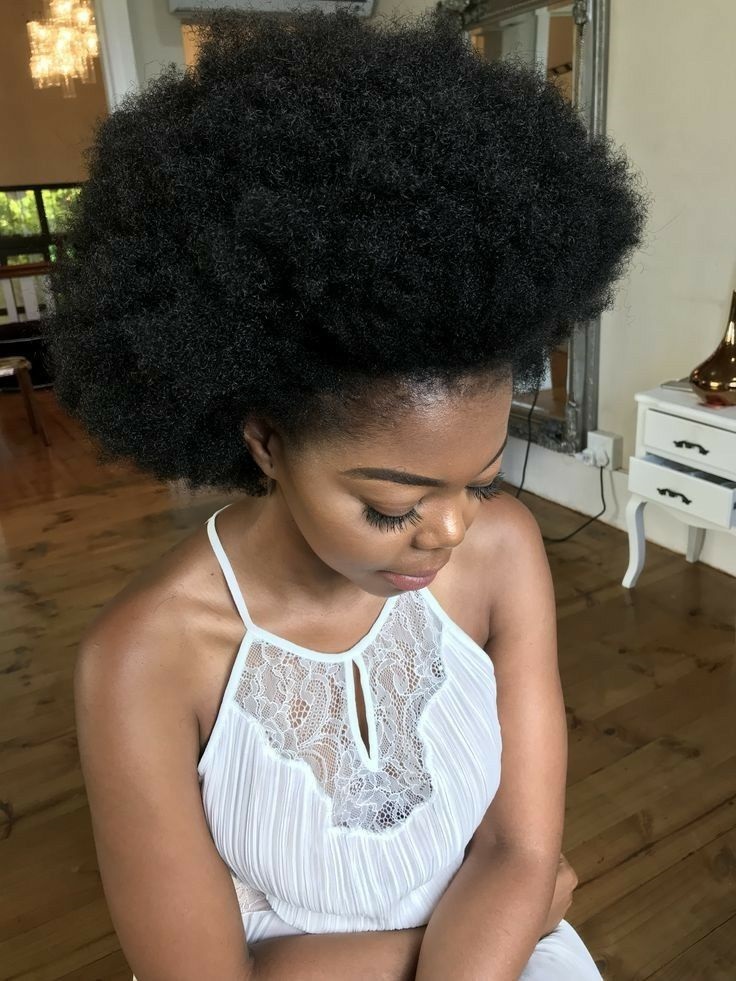
I started my hair growth journey with an obsession for growth. I wanted longer, neck-length hair within a year and spent lots of time and money searching for miracle oils and products that promised immediate growth.
As time went by I realized that healthy hair growth is not about magic products. It is all about creating a good environment where your hair can grow and retain its length. Let’s see how to keep our hair healthy, shall we?
Focus on Scalp Health
Know this: healthy hair begins with a healthy scalp. Your hair is like a farmland and you are the farmer. If a farmer does not create a healthy environment for his crops to grow, they will not grow, they will sprout but they won’t grow to produce enough fruits. So is hair. If your hair does not have a healthy scalp it won’t grow. The hair will come out but it won’t retain any length.
This is one of the reasons I pay attention to scalp care. I enjoy incorporating ingredients like rosemary, cloves, hibiscus, and fenugreek into my routine. While no ingredient can instantly grow your hair overnight, maintaining a healthy scalp encourages a better environment for growth
Be Gentle With Your Hair
Your hair doesn’t need more products, it needs gentle handling. You need to know that your hair is not your enemy, and it is definitely not as strong as you think. Stop playing tug of war with it. The rougher you handle it, yanking, pulling, forcing a comb through dry tangles, the more breakage you will experience. Please be gentle, your hair needs it.
Stay Consistent
Consistency is everything. You cannot moisturize your hair once a week and expect the same results as someone who does that daily. A simple routine consistently done will always beat an expensive, complicated one done occasionally. Stop chasing products. Start showing up.
I expected quick results in the beginning. If I tried a product for two weeks twice a week and did not see dramatic changes, I moved on to something else. It doesn’t work that way. Stick to your routine and also know that the change is never dramatic, it comes slow, so patience is also part of the whole thing.
Protect Your Ends
The ends of your hair are the oldest and most fragile part of your hair strands. If the ends are not well taken care of, they will constantly break off, and it feels like your hair is not growing even when it is. Trimming ends sometimes is very necessary but not compulsory at all.
Protective styles, regular moisturizing, and minimizing excessive manipulation can help keep the ends healthier and retain more length.
Styling 4C Hair Without Breakage

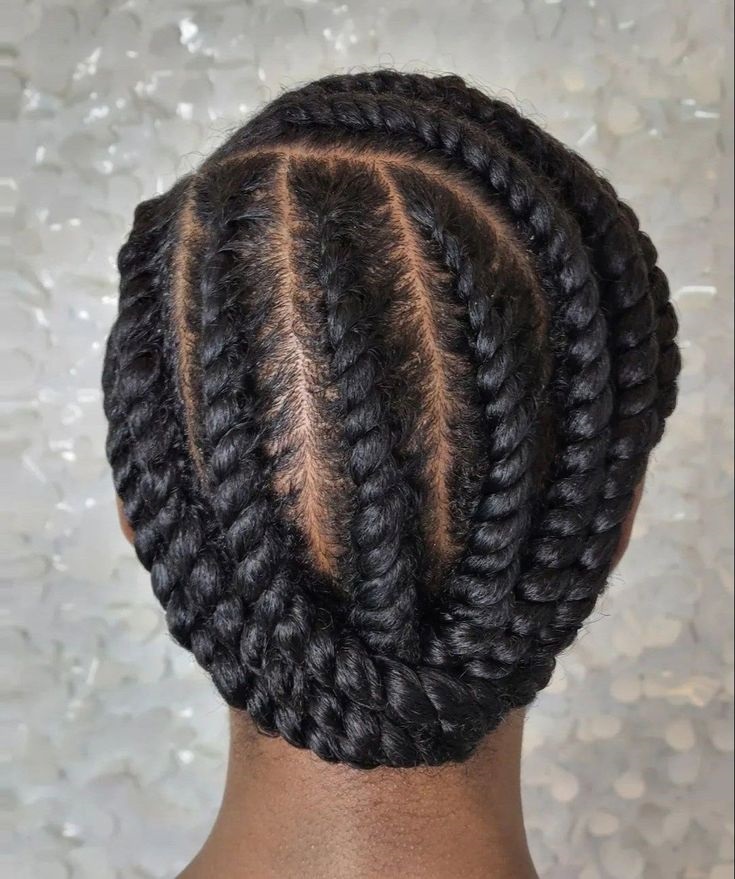
One very good thing about 4C hair is how much you can do with it. Protective styles doesn’t just reduce daily manipulation, it protect your ends, and give your hair a chance to retain length while still looking beautiful. Boring? That is the last word anyone should use to describe 4C hair styling options.
Protective Styles Worth Trying
Here are some styles that work well for 4C hair and that I personally love:
Two-strand twists
Flat twists
Braids
Knotless braids
Cornrows
Threading
Miracle twists
Low-maintenance buns
Wigs worn with proper hair care underneath
Sleek gel up or down
The list goes on. 4C hair is incredibly versatile and there is always room to be creative.
What Makes a Style Truly Protective
A protective style is only protective if your hair is actually being cared for underneath it. If your scalp is in pain and your edges are thinning, that is not a protective style, that is damage in disguise of a pretty hair. A truly protective style should feel comfortable. Your scalp will always tell you the truth.
What you Must Avoid
One of the most common mistakes we make is going too tight on our scalp . A style should never leave your scalp sore for days after installation. Excessive tension could cause breakage around the hairline and, over time, can lead to permanent thinning and complaint. Your hair does not have to hurt to look good. If a style is painful, it is not worth it ,no amount of neatness is worth losing your edges over.
Keep Styled Hair Moisturized
Just because your hair is styled doesn’t mean it stops needing moisture. This is one of the most common mistakes people make with protective styles and honesty I once made the same mistake. Now whether my hair is in twists, braids, or cornrows, I still refresh my moisture regularly. It reduces dryness, prevents breakage underneath the style, makes the style last longer too and honestly it makes taking out easy.
Building a Simple 4C Hair Routine
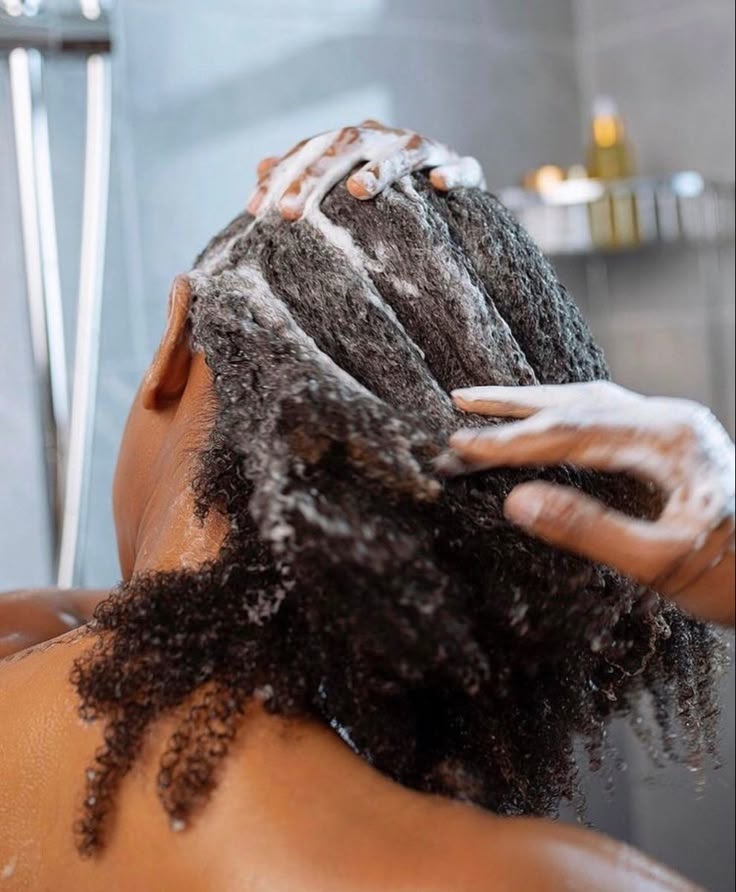
Most beginners make the mistake of building a routine they cannot realistically maintain. I did exactly that. When I first started, I bought as many products as I could ,oils and butters, to be more specific .I wasn’t even sure I could afford to restock them with everything else on my plate. I plastered everything on my hair at once and waited for results. What I got instead was buildup and disappointment. As I kept learning, I realized one thing: the simpler the routine, the more effective it will be. You don’t need ten products. You need the right few, used consistently
Wash Day Routine
Wash day is not just about cleaning your hair. Done right, it sets the tone for how your hair behaves for the rest of the week. Here is how to do it properly
Step 1-Detangle Before You Wash
Never wash your hair without detangling first. Use your conditioner or, better yet, reach for something with natural slip like aloe vera, flaxseed, fenugreek, or okra. These aren’t just good for detangling, they are genuinely nourishing for your hair. Make sure to work through your hair gently, section by section, before a drop of water touches it.
Step 2 -Cleanse Your Scalp
Use a gentle shampoo to cleanse your scalp and remove buildup. Wash thoroughly using a scalp massager or your fingertips, never your fingernails, as that will irritate your scalp. From time to time, clarify your hair to remove deeper buildup. Once a month is enough. You can use a clarifying shampoo, or go the DIY route with baking soda and apple cider vinegar, that is what I use most of the time and it works just as well.
Step 3 – Deep Condition
This step is not optional. Deep conditioning restores moisture, reduces breakage, repairs damage, and improves the overall shine and manageability of your hair. You can skip anything in your routine, but not this. If you skip it once, make sure you don’t skip it twice.
STEP 4 – Moisturize Thoroughly
After washing, your scalp has been stripped of its natural oils. This is the time to replenish. Apply your leave-in conditioner generously, seal with oil, and finish by oiling your scalp. Don’t rush this step.
Weekly Hair Maintenance
Refresh Moisture When Needed
Don’t wait for a scheduled day to refresh your moisture. Your hair will tell you when it needs it, it will feel dry, rough, or brittle. When that happens, moisturize immediately. Use your leave-in conditioner and seal with oil. Personally, I sometimes skip the oil mid-week if my hair still feels oily from the last application. I won’t tell you to do the same, listen to your own hair.
Protect Your Hair at Night
This one has no excuse. If you don’t have a bonnet, use a silk or satin scarf. If you don’t have either, get a satin pillowcase at the very minimum. Cotton absorbs moisture from your hair while you sleep and leaves it dry and prone to breakage by morning. Protect your hair every single night, not sometimes, every night.
Final Thoughts: What Finally Helped Me
After everything I have learned, tried, failed at, and finally figured out, I realized that healthy 4C hair does not have to be complicated. The biggest lessons I have learned are simple. Moisture always comes first, and oil helps seal that moisture in. Dry hair can break more easily than you realize, so keeping your strands hydrated matters.
I also discovered that gentle handling is more important than spending hours on your hair. The little things you do consistently every day often have a greater impact than occasional treatments. Sometimes, simplicity truly wins. You do not need a shelf full of products to have healthy hair.
Most importantly, remember that healthy hair is a long-term journey, not a quick transformation. And if I am being completely honest, I pray for my hair too. A little moisture and a little prayer, that is my routine. I am still learning, and I am no trichologist yet, but we are growing together. Let us enjoy this journey one wash day at a time.
You may also like: The Ultimate Soft Life Guide for Stay at Home Moms: Creating a Peaceful, Balanced, and Fulfilling Home Life
Originally written by IKWUEZE AMARACHI GIFT