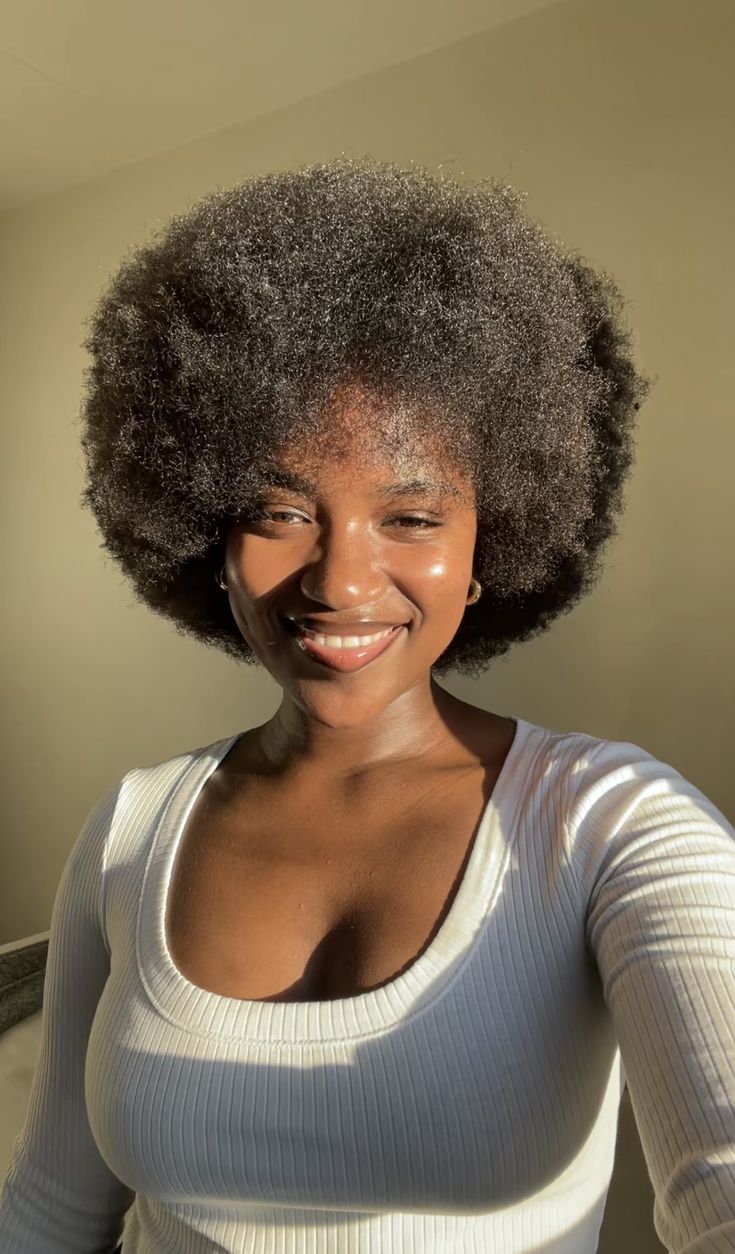

The Complete 4C Hair Care Guide; Growth, Moisture, Styling, and Maintenance for Healthy Hair
The first step in any hair journey is understanding the type of hair you have. That’s what I was explaining to Veronica while I was making her hair.
As a hairstylist, one thing I have noticed is that many people do not really know their hair type. Because of that, they spend a lot of time comparing their hair to someone else’s. I have heard people say, “I wish my hair was like hers,” or “I wish I had curly hair.”
What most people do not realize is that every hair type is different. Your friend’s hair may respond well to a certain product or routine, while yours may need something completely different.
One thing I always tell my clients is this: your hair is not the problem. The problem is often not understanding what your hair needs.
If you haven’t read my post on Why Knowing Your Hair Type Is the Foundation of Every Healthy Hair Journey, I recommend you do.
Today, let’s talk about 4C hair, one of the most beautiful yet misunderstood hair types. From growth and moisture to styling and maintenance, this guide will help you understand how to care for your 4C hair the right way.
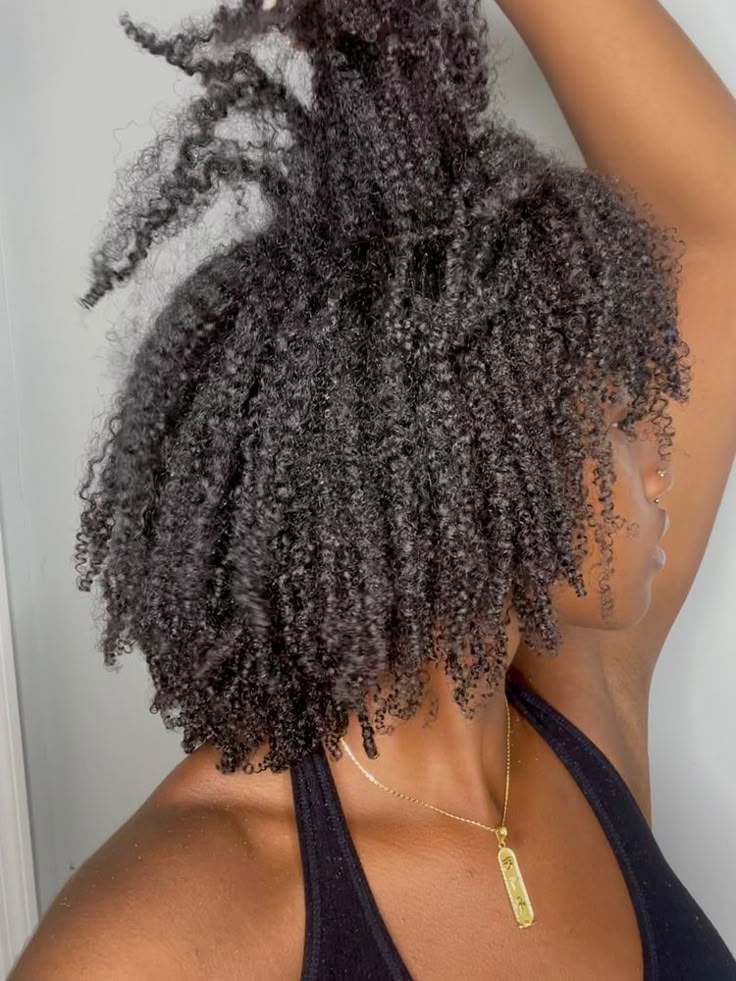
The Complete 4C Hair Care Guide: Growth, Moisture, Styling, and Maintenance for Healthy Hair
1. Know Your Hair First
Before you fix anything, you need to know what you’re working with. Once you know that, things start to make sense.
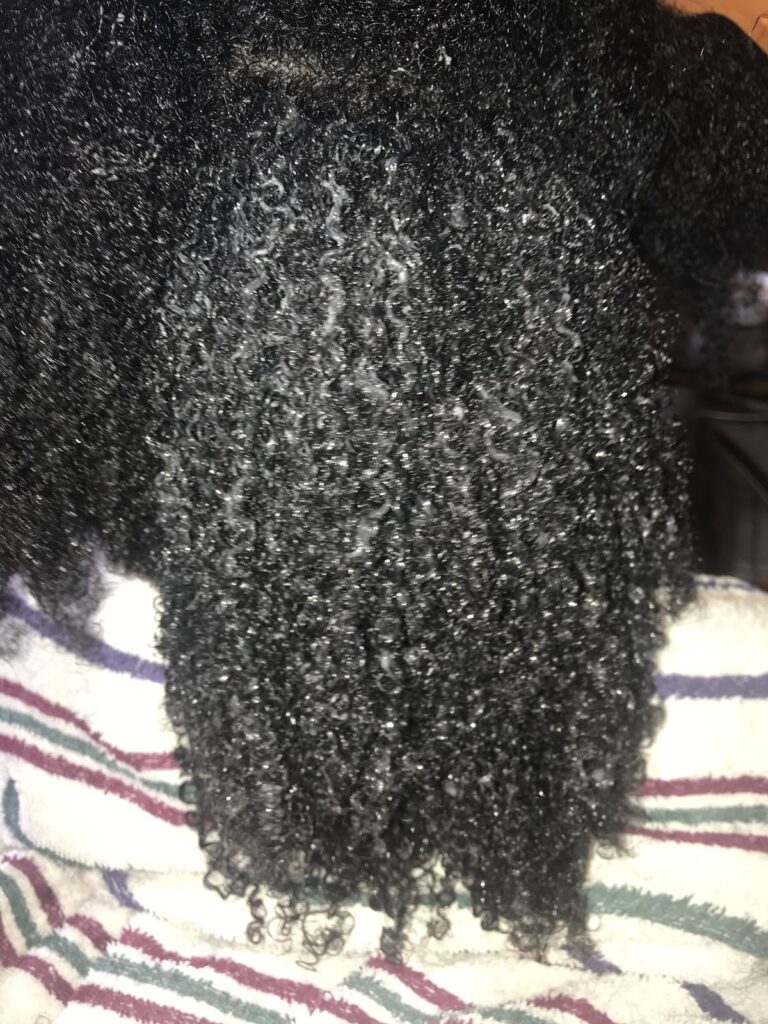
4C hair has the tightest curls of all the hair types. It shrinks a lot when it dries, so it can look shorter than it really is. It also holds less moisture on its own, so you have to help it.
The curls are shaped almost like a zigzag, not a smooth circle. That shape means less of the hair touches the air. So oil and water move slower through it than other hair types.
Veronica my client used to buy products made for other hair types and as expected, none of them worked. One day, she brought them to my shop to complain about it, that was when I made her understand the products are not meant for her hair type. Once we switched to products made for her actual hair, things changed fast and she stopped wasting money.
This is not about your hair being better or worse than anyone else’s. It’s about caring for what’s really growing on your head.
If you’re just starting out and want the basics first, check out Curl Patterns 101: A Beginner’s Map to Understanding Your Hair.
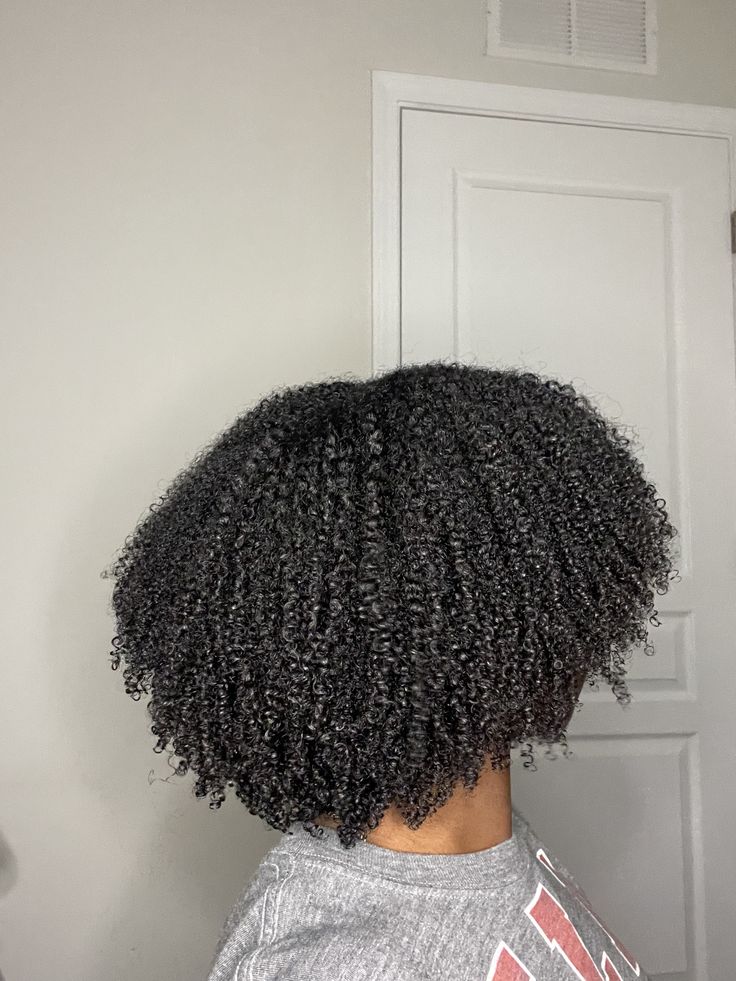
2. Growth Starts From the Scalp
Most people want longer hair, so they focus on the ends. But that’s not where hair grows from. It grows from the scalp.
If your scalp is not healthy, your hair will not grow well, no matter how much oil you put on the ends. A dirty or sore scalp cannot do its job properly.
Massaging your scalp helps a lot. It only takes a few minutes, but doing it often helps blood flow to your hair roots. That helps your hair grow better over time.
Wash your scalp often, not just your hair. Dirt and product can build up, especially when you keep a style in for weeks without washing.
Want to know more about scalp care? Read Scalp Health 101: The Part of Hair Care Everyone Skips.

Tight Styles Can Hurt Your Growth
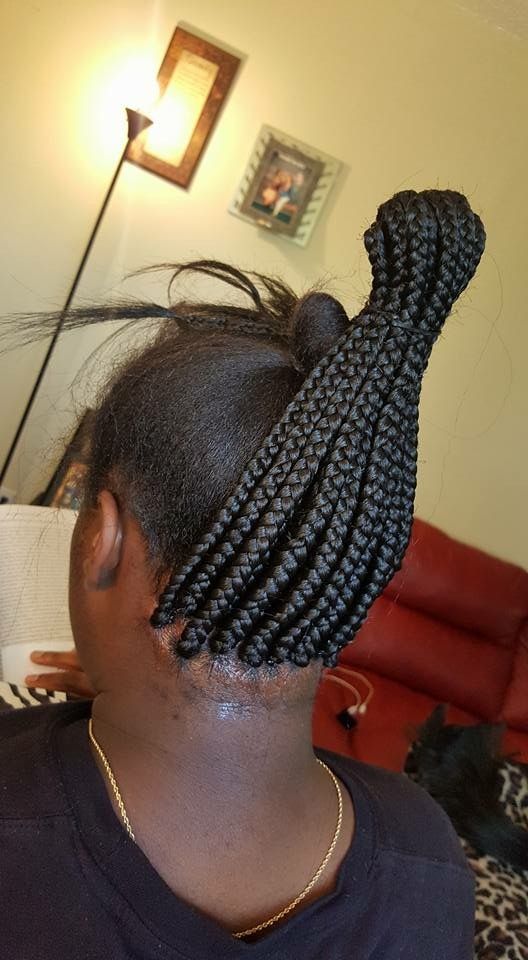
Tight styles pull on your scalp, even when it doesn’t hurt right away. Over time, that pulling can weaken your hair roots, especially near your hairline.
You might not notice the damage at first. It happens slowly, little by little, until one day you look in the mirror and your edges are thinner than before.
Some people think pain means the style is working well, like it’s holding tighter and lasting longer. That’s not true. Pain is your scalp telling you something is wrong, not a sign of a good style.
Headaches after a new style are also a warning sign. If your head hurts for days after getting your hair done, that tension is doing more harm than good.
Try to keep your styles a little looser. This protects your scalp and helps your hair grow better in the long run.
Babies and edges are usually the first to suffer from tight styles. That area is more delicate, so it shows damage faster than the rest of your hairline.
Always tell your stylist if a style feels too tight. If it hurts on day one, it will only get worse as the days pass.
Switching up your styles often also helps. Wearing the same tight style in the same spot over and over puts repeated stress on the same area, instead of spreading it out.
3. How to Keep Your Hair Moisturize
4C hair is dry and it’s not because something is wrong with it, that’s it’s nature. It’s hard for oil to travel down the hair strand because of how tight the curls are.
This means you have to add moisture yourself, and you have to do it in the right order. If you don’t, the moisture leaves fast, sometimes within an hour.
My sister used to put oil on dry hair and expect it to soften by morning. But oil does not add moisture. It only locks in moisture that’s already there. So putting oil on dry hair just locks in the dryness.
after I had corrected her to use water first, then a cream, then oil to seal it in, her hair stayed soft for days, not just hours. People call this the LOC method. But the order matters more than the name.
Keep a spray bottle with water and a little leave in cream. Use it between wash days to bring moisture back fast, especially on dry days.
When picking products, check if water is one of the first things listed. A lot of “moisturizing” creams are mostly oil with very little water in them. To learn more about this, read Reading the Label: What Your Hair Products Are Really Made Of.
4. How to Do Wash Day the Right Way
Wash day takes time. If you rush it, you’ll end up with tangles and broken hair that takes weeks to fix.
Detangle your hair before you add water. Use a leave in conditioner or oil first, so your fingers or comb can move through easily without pulling.
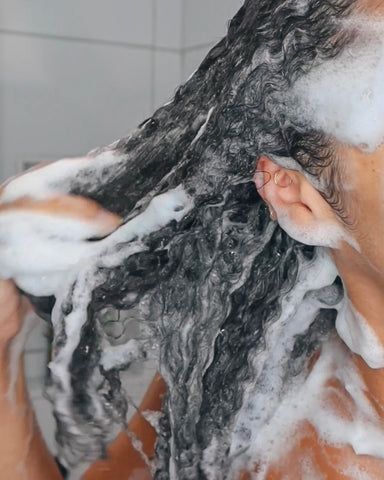
Split your hair into four sections before you start. This stops your curls from tangling into each other under the water, and it makes the whole process easier.
Use a shampoo without sulfates, and focus mostly on your scalp. Let the soap run down the rest of your hair instead of rubbing it on the ends. The ends are older and weaker, so they don’t need as much scrubbing.
To know the different curl types, read 4A, 4B, 4C: What Actually Separates These Curl Types. It breaks down the small things that make a big difference.
Deep Conditioning the Right Way
Deep conditioner needs time to work. Don’t just rinse it out fast. Leave it on for twenty to thirty minutes, and use a little heat if you can, like a shower cap.
Set a timer if you usually rush this step. Your curls will look more defined when the conditioner has time to soak in properly.
Rinse with cool or warm water, not hot. Hot water takes away the moisture you just added and can leave your hair feeling rough.
If wash day still feels like too much, read The Lazy Girl’s Guide to a Stress Free Wash Day. It breaks everything down into easy steps.

5. Styling Without Damaging Your Hair
Protective styles are great, but they don’t always protect your hair the way you think. A style can protect your ends while still damaging your edges.
The real problem is tight tension, not the style itself. Braids and twists should be firm, not too tight and painful. If your head hurts after a style, that’s a warning sign, no matter how nice the style looks.
For everyday styles, twist outs and braid outs work well without using heat. Just make sure your hair is moisturized first, or the style will not hold and will gets rough fast.
Heat is not totally off limits, but use it once in a while, not every week. Using heat too often causes damage that builds up slowly, even if your hair looks fine for a while.
Always use a heat protectant before using any hot tool. Skipping this, even once, can lead to damage you’ll notice later. Read Heat Damage: What It Actually Looks Like and How to Avoid It to learn more.

Pick Styles That Match Your Life
Not every style fits every lifestyle. If you work out a lot, you need a style that can handle sweat and frequent washing. If you sit at a desk all day, you might want a style that just looks neat for longer.
Think about how long you really want a style to last before you get it done. A six week style that you get tired of after two weeks will only frustrate you.

6. Taking Care of Your Hair Between Wash Days
What you do between wash days matters just as much as wash day itself.
Sleep matters more than people think. Cotton pillowcases pull moisture out of your hair at night, while satin or silk lets your hair glide instead of getting caught and broken.
My neighbor’s daughter used to come in with thin edges from tight ponytails for school. Once her mum took my advice and started making her looser styles, also switched her to a satin pillowcase, things changed fast. In just a few weeks, there was less flyaways in the morning and less breakage near her hairline.
You can refresh your hair during the week with a light spray of water and leave in cream. You don’t need to wash your whole head, just enough to bring the moisture back.
Trim your hair regularly too, even if it feels strange when you’re trying to grow it. Split ends travel up the hair if you leave them, and they cause more breakage than a small trim ever would.
Pay attention to how your hair feels, not just how it looks. If your hair feels rough or dry, even with nice curls, it usually just needs more moisture. For a simple step by step routine, read The Midweek Hair Refresh: A Five Minute Routine.

7. Why Patience Matters More Than Products
4C hair takes time to show results. That’s normal. It doesn’t mean something is wrong.
A friend of mine was growing out years of weaves and almost gave up more than once. Her hair wasn’t moving as fast as she wanted, especially when she compared it to people online who were further along.
What kept her going was focusing on being consistent, not perfect. Showing up for her hair regularly mattered more than getting every single wash day perfect.
That one change in mindset matters more than any product on this list. A lot of the big hair transformations you see online came from months of small, steady care, not one magic product.
Give your hair time before deciding a routine isn’t working. Most changes take a few weeks to show, sometimes longer if the hair was already damaged.
A Few Final Things Worth Knowing
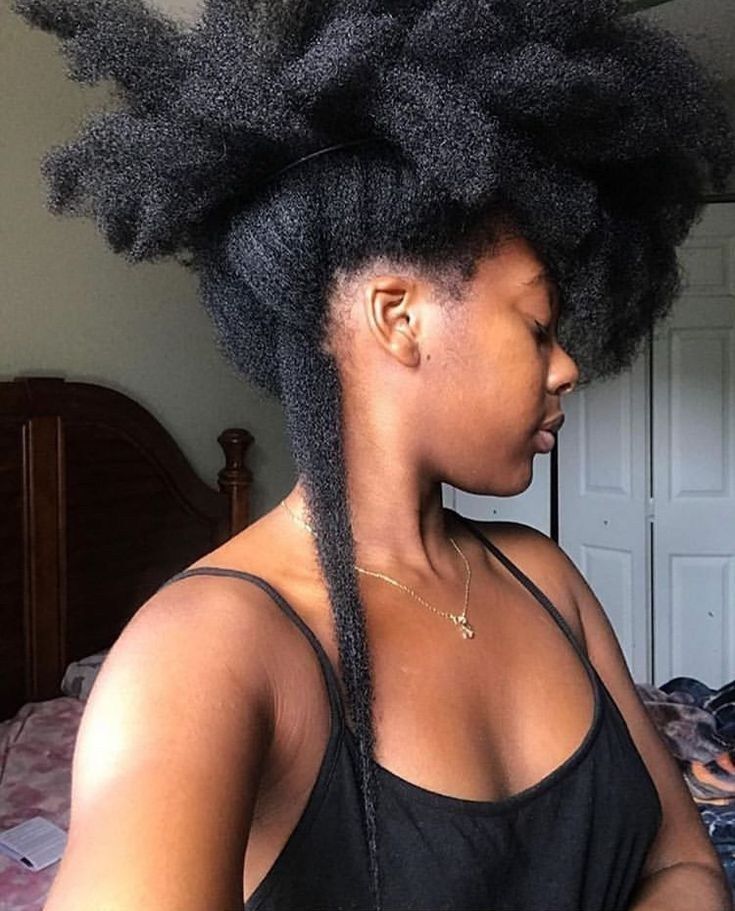
Healthy 4C hair is not about copying someone else’s curls. It’s about learning what your own hair needs and giving it that, again and again.
Build a simple routine that you can actually keep up with. A few good products used the right way will always beat a shelf full of products you only used once.
Stop comparing your hair journey to other people’s. Everyone starts from a different place, so what worked for someone else’s hair might not work for yours at all.
Listen to what your hair is telling you, not just what’s popular online. If a product makes your hair feel worse, that matters more than how many people online say they love it.
Be kind to yourself on the bad hair days. Not every wash day will go well, and not every style will turn out the way you wanted. That doesn’t mean you’re doing something wrong. It just means hair is not always predictable.
Be ready to change your routine with the seasons too. What your hair needs in dry weather is not always what it needs in wet or humid weather, so don’t be scared to adjust as the weather changes.
Section your hair, get your water bottle ready, and start from where you are. Your hair was never broken. It was just waiting for you to understand it.
Okolo Precious U.
If you like this post, check out my other posts below;
Why Your Locs Smell and How to Fix It for Good
How to Build a Simple Loc Care Routine from Scratch
15 Long Loc Styles for Women That Are Absolutely Breathtaking
8 Best Loc Friendly Shampoos Ranked From Affordable to Luxury
5 Ways to Speed Up the Loc Process on Your Hair Type