

The Complete 4C Hair Care Guide: Growth, Moisture, Styling, and Maintenance for Healthy Hair
Written By Chinaza Benita Eze
What if everything you have been doing for your hair is not necessarily wrong, but just missing one key thing that helps 4C hair actually thrive?
This is something worth considering, especially if you have spent months cycling through products, adjusting your routine, and still waking up to hair that feels dry, breaks easily, and never seems to retain the length you are working so hard to build. In most cases, the issue is not your hair, but the approach.
4C hair is not “difficult hair.” It is simply a texture that needs a more specific kind of care. When you understand how this hair type responds to moisture and handling, choosing products becomes simpler and your routine becomes easier to manage. Without that understanding, even expensive products and strict routines can still feel ineffective because the foundation is missing.
This guide was written to give you that foundation. Covering moisture, growth, styling, and daily maintenance, everything here is tailored to the real needs of 4C hair and the reality of managing a routine alongside a busy life.
Think of this as a starting point you can build on gradually, at your own pace, in a way that actually works for your hair and your lifestyle. Healthy, thriving 4C hair is possible, and by the time you finish reading, you will have a clearer idea of what it takes to get there.
Understanding What Makes 4C Hair Unique
The Truth About Your Hair’s Structure
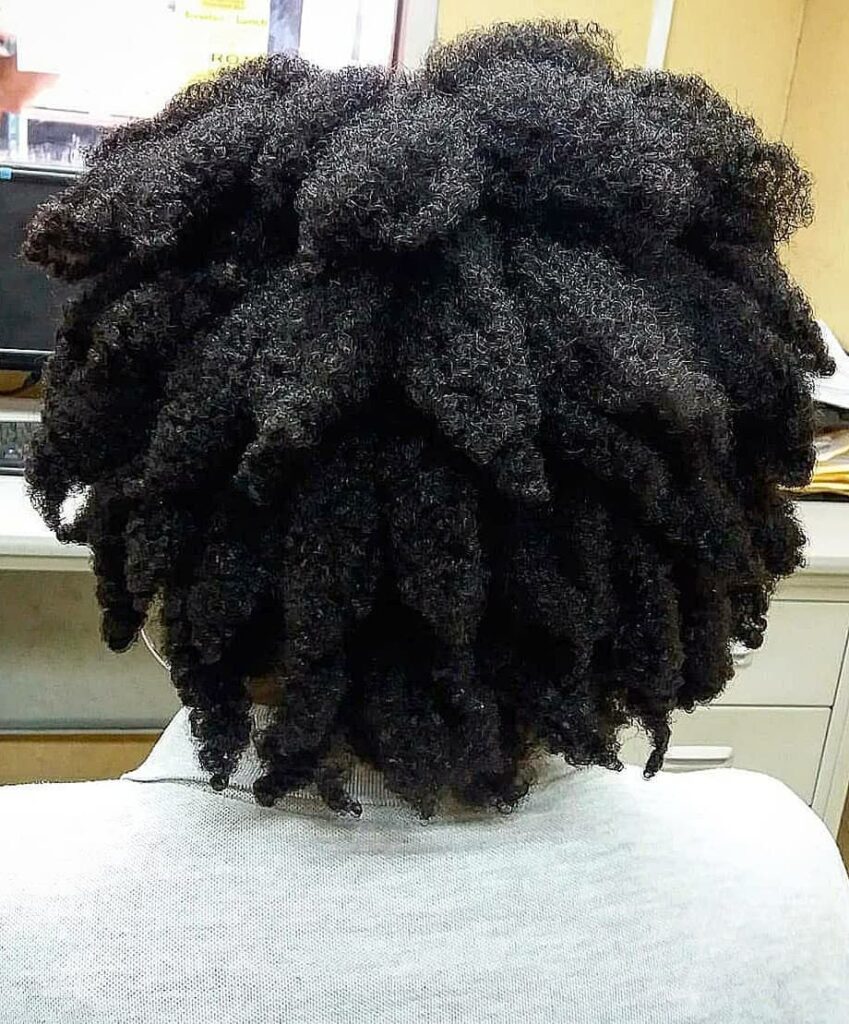
4C hair sits at the tightest end of natural hair types, with very small, densely packed coils that can be hard to separate visually. This is what gives it volume, strength, and flexibility.
Looser hair types include wavy and curly patterns like 2A to 3C. These hair types have wider curl shapes, which allows natural oils from the scalp to move down the strands more easily. The hair often feels more evenly moisturised without much effort.
4C hair works differently. The coils are tighter, so scalp oils do not travel down the hair shaft easily. Most of the moisture stays near the roots, which is why the ends often feel drier and more prone to breakage.
This structure also affects how products work. Lightweight products tend to absorb better into the hair, while heavy products can sit on the surface without doing much. Gentle handling also becomes important, since the hair is more fragile when it is dry or over-manipulated.
Shrinkage Is Not the Enemy
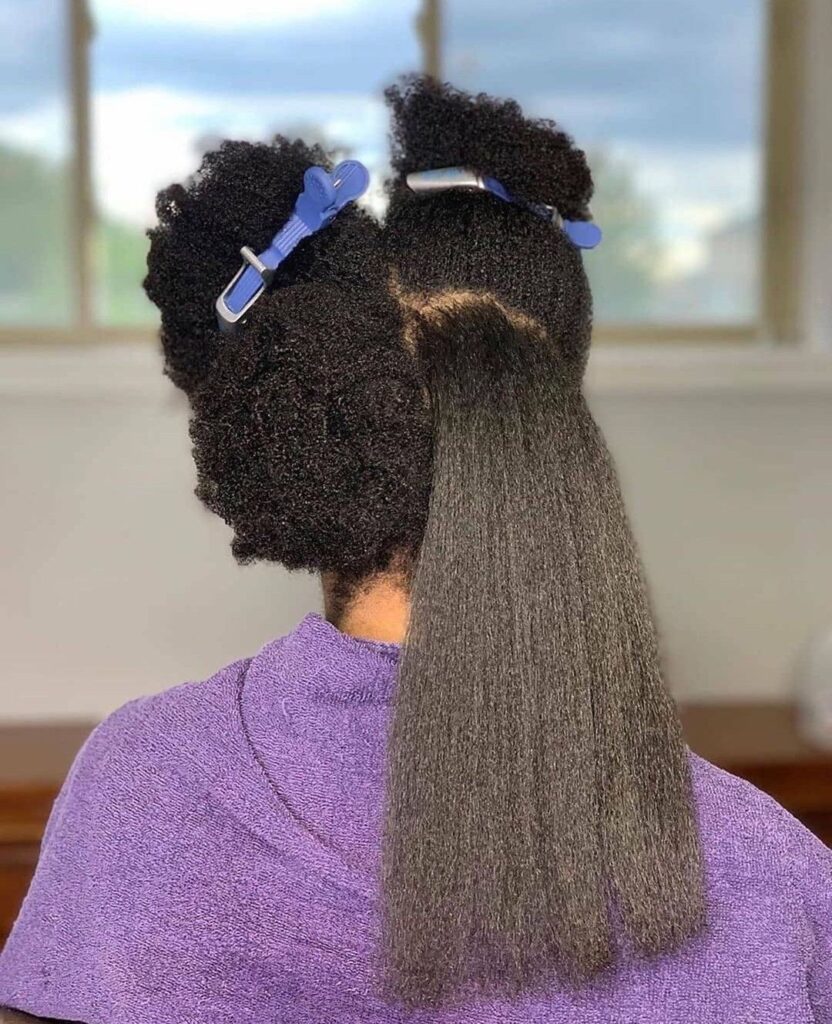
Shrinkage is one of the first things people with 4C hair either learn to accept or spend years trying to fight, and making peace with it early saves a lot of frustration.
4C hair can shrink anywhere between 70 and 80 percent of its actual length when dry, which means hair that stretches past your shoulders might sit just above your ears in its natural state.
Shrinkage is actually a sign of healthy, elastic hair doing exactly what it is supposed to do. Hair that has lost its elasticity due to damage or excessive dryness does not shrink in the same way. When your coils pull up tightly, it is simply your hair showing that it is still strong and responsive. The length is still there, just coiled up and not fully stretched.
Moisture: The Foundation Your Routine Builds On
Why 4C Hair Needs Consistent Moisture
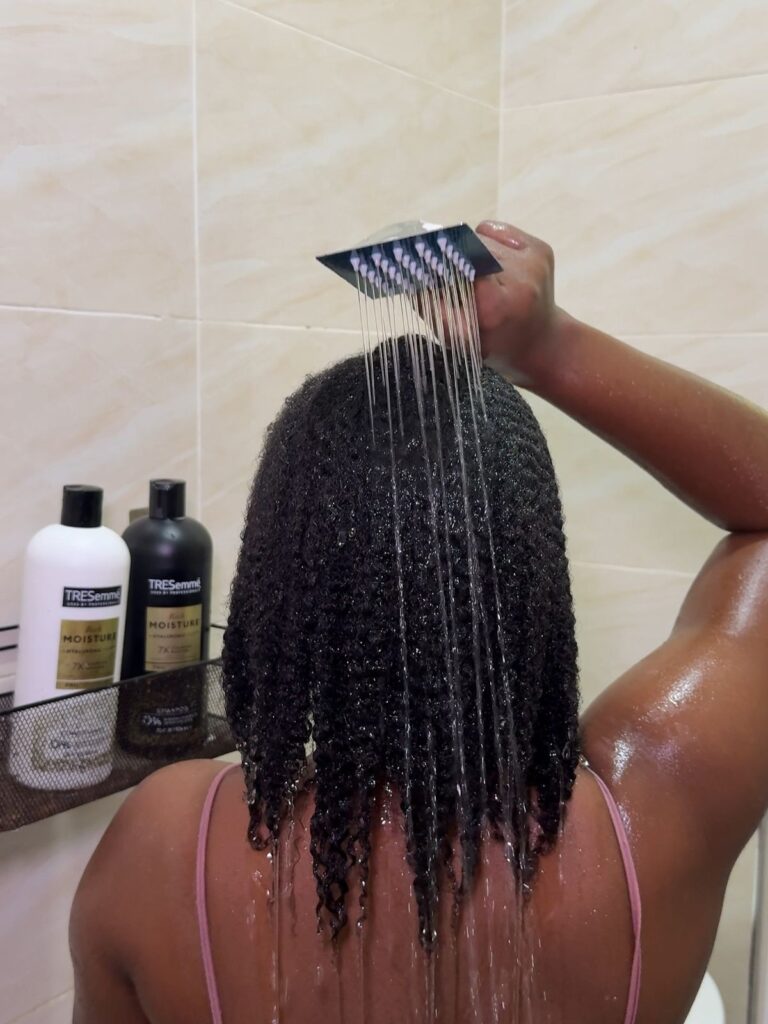
In a 4C hair care routine, moisture is not just one step among many. It is the base that everything else depends on, and the single habit that has the most direct impact on how your hair feels, how it responds to styling, and how much breakage you experience over time.
Dry hair tangles more easily, snaps under the pressure of everyday styling, and resists gentle detangling, which makes it harder to retain length.
Keeping moisture consistent throughout the week, not just on wash day, makes a real difference in how manageable your hair stays. Once the hair is regularly hydrated, it becomes softer, easier to detangle, and less prone to breakage. Water is the main source of moisture for 4C hair, while other products help slow down how quickly it dries out and keep it feeling moisturized for longer.
The LOC and LCO Methods Explained
The LOC and LCO methods are two of the most practical frameworks for moisturizing 4C hair. They are built around the same core idea of layering products in a specific order to lock moisture into the hair rather than letting it evaporate. LOC stands for Liquid, Oil, Cream. LCO stands for Liquid, Cream, Oil, with the difference being the order in which the oil and cream are applied.
Starting with a water-based product or plain water as the liquid gives the hair actual moisture to absorb before anything else is layered on top. The oil and cream steps that follow work to seal that moisture in and keep the hair feeling soft and hydrated for longer.
Many people with 4C hair find that the LCO order works better for them because applying the cream before the oil allows the cream to absorb more effectively. Yet, the best way to know which works for your hair is to try both and pay attention to how your hair feels after each one.
Building a Wash Day Routine That Works
How Often You Should Wash 4C Hair
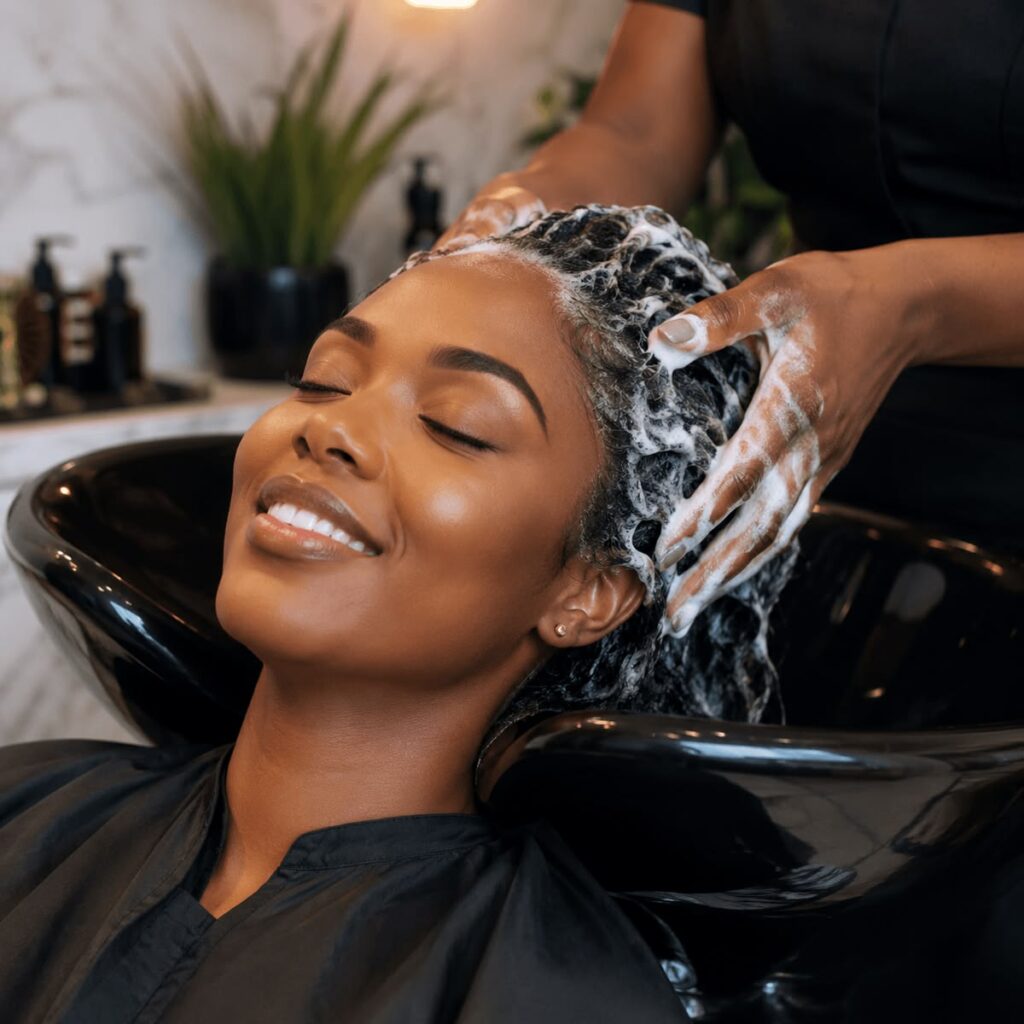
Wash day frequency is not the same for everyone, and there is no single rule that fits all 4C hair. Washing too often can strip the hair of the moisture it needs to stay soft and manageable. Still, waiting too long between washes can lead to product buildup, scalp congestion, and tangles.
For most people with 4C hair, washing once every one to two weeks is a good balance. It keeps the scalp clean without constantly removing the moisture the hair depends on. Your routine may still need small adjustments depending on your lifestyle, scalp type, and activity level.
Pay attention to how your scalp and hair feel in the days before wash day. That will help you adjust your timing over time and find what works best for your own hair.
Start With a Pre-Poo Treatment
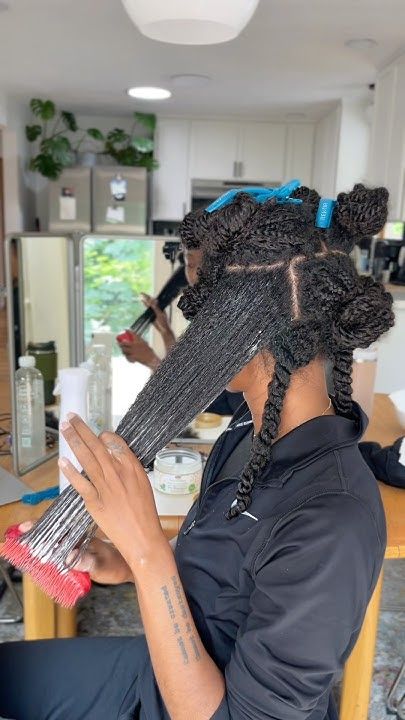
A pre-poo is a treatment applied to the hair before shampooing. It is one of the most effective steps you can add to a 4C wash day routine.
Applying oil, conditioner, or a mix of both to dry or slightly damp hair before washing helps. It also softens the hair, makes detangling easier, and lowers the friction that leads to breakage during handling.
Oils like coconut oil, or avocado oil work well for this step because they can help improve moisture retention in the hair.
Shampooing and Deep Conditioning
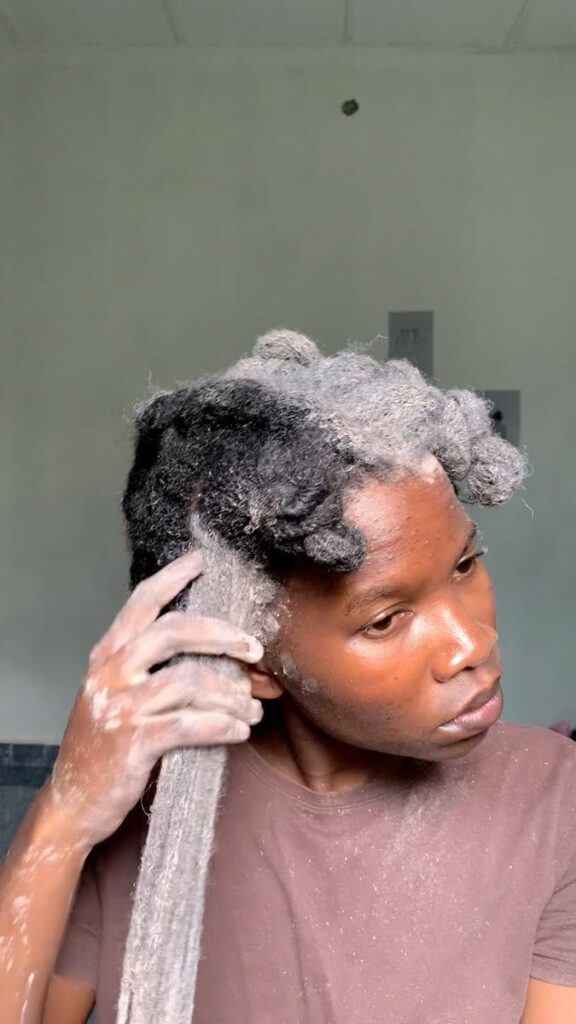
Using a sulfate-free shampoo for 4C hair helps you cleanse the scalp properly. The focus should be on the scalp rather than the full length of the hair. Applying shampoo directly to the scalp and massaging gently with your fingertips helps remove buildup while reducing tangles in the hair.
Deep conditioning after every wash is one of the most important parts of a 4C hair routine. A good deep conditioner helps restore moisture, improves softness, and makes detangling much easier.
Applying it in sections ensures even coverage, and allowing it to sit for 20 to 30 minutes under a hooded dryer helps it absorb better. Rinsing with cool water at the end helps seal in moisture and leaves the hair feeling softer and more manageable.
Growing and Retaining Length With 4C Hair
The Difference Between Growth and Retention

Many people with 4C hair who feel like their hair is not growing are actually dealing with a retention issue. Hair grows at about the same rate for most people, roughly half an inch per month on average, and 4C hair follows the same pattern. The challenge is that this hair type is more prone to breakage, so length is often lost at the same rate it is gained.
The key to retaining length is protecting the ends of the hair. Keeping them moisturized, handling them gently during styling and detangling help reduce breakage. When the ends stay healthy, they are able to hold onto the growth your hair produces over time.
How Protective Styles Support Retention

Protective styles help with length retention by keeping the ends of the hair tucked away and reducing daily manipulation. This limits friction and breakage from constant styling, while also giving the hair a chance to hold onto moisture for longer periods. Styles like box braids, twists, cornrows, and buns allow the hair to rest while still staying neat and manageable.
The benefits of protective styling depend on how it is installed and maintained. Styles that are too tight can place stress on the scalp and edges, leading to long-term damage. Leaving a style in for too long without refreshing moisture underneath can also cause dryness, matting, and breakage.
Scalp Care and Hair Growth

Healthy hair starts with a healthy scalp, and this is an area that often gets less attention compared to products and styling.
A clean, well-nourished scalp creates the right environment for strong hair to grow. Meanwhile, neglecting it can show up as slow growth or excess shedding, that no leave-in conditioner can fully fix on its own.
Styling 4C Hair Without Causing Damage
Low Manipulation Styles for Everyday Wear

How you style your hair day to day has a direct impact on how much length you retain over time. Styles that require constant touching, redoing, or tight pulling place repeated stress on both the hair and scalp. Over time this can lead to breakage that is not always easy to trace back to one cause.
Twist-outs, braid-outs, wash-and-go styles, and bantu knot-outs are all great options for 4C hair because they allow the hair to be set and left alone with minimal manipulation.
Applying products to freshly washed and conditioned hair in sections, working from roots to ends, and allowing enough time for the style to fully set before touching it helps extend how long the style lasts.
Detangling the Right Way

Detangling is one of the steps in a 4C hair routine where the most breakage tends to happen, and most of it can be avoided with the right approach. Detangling dry hair or rushing the process without enough slip from conditioner or product is where strands tend to snap, and over time those small breaks affect overall length retention.
Detangle on wet or damp hair with conditioner or a detangling product applied, working in small sections for better control. Start from the ends and gently work your way up toward the roots instead of forcing the comb through from top to bottom.
Finger detangling first before using a wide-tooth comb helps you feel for knots and loosen them more gently, which reduces tension on the hair and makes the process much smoother.
Daily Maintenance That Keeps Your Hair Healthy
Protecting Your Hair at Night

What happens to your hair while you sleep has a bigger impact than most people realize. A few simple adjustments to your nighttime routine can make a clear difference in how your hair looks and feels the next day.
Using a satin bonnet or silk scarf before bed helps keep moisture in the hair and reduces friction while you sleep. A satin pillowcase can also offer similar protection if you prefer not to wrap your hair.
Refreshing Your Hair Between Wash Days
A full wash day is not always needed to bring dry or tired hair back to life between sessions. Knowing how to refresh your hair properly can extend the life of your styles and help maintain moisture levels throughout the week.
The key to refreshing is keeping it light. Too much product layered over several days can lead to buildup, which weighs the hair down and reduces definition. Focusing mainly on the mid-lengths and ends rather than the roots helps maintain balance, while using just enough product to restore softness keeps the hair looking fresh without overloading it.
Your Hair, Your Journey

Every person with 4C hair has a slightly different texture, lifestyle, and starting point. A routine that works well for someone else may need a few adjustments before it fits your own hair. This is not a setback, it is simply how personal hair care works. Paying attention to how your hair responds is one of the fastest ways to understand what it truly needs.
Consistency matters more than constant switching. Give your hair time to respond before making changes, and focus on the habits that support its health over time.