
Wedding Expenses Couples Forget to Budget For
Disclosure: Some of the links in this post are affiliate links. This means if you click on the link and purchase an item, I will receive an affiliate commission at no extra cost to you.
Getting engaged is exciting, but it also marks the beginning of many financial decisions. Wedding Expenses Couples Forget to Budget For can easily turn a carefully planned budget into a stressful experience if they are overlooked.
While most couples prepare for major costs such as the venue, catering, and photography, many smaller expenses are often forgotten until the bills begin to arrive.
As a result, couples may find themselves adjusting their budget, reducing spending in other areas, or making last minute compromises that could have been avoided with better planning.
Understanding these hidden costs early allows you to make smarter financial decisions throughout your wedding journey.
When I helped my cousin plan her wedding, we spent weeks comparing venues, photographers, and caterers. We were confident that every major expense had been covered.
However, as the planning continued, unexpected costs started appearing one after another. Dress alterations, vendor meals, postage, gratuities, and transportation had never been included in our original budget.
Individually, they did not seem expensive, but together they added a considerable amount to the overall cost. Fortunately, most of these surprises can be avoided with careful planning.
In this guide, you will discover the wedding expenses that many couples overlook, learn why they are easy to miss, and find practical tips to help you prepare for them before they affect your budget.
If you are still creating your spending plan, our guide on How to Create a Realistic Wedding Budget explains how to organize your finances before booking vendors or making major purchases..
Why Small Wedding Expenses Matter
Most couples focus on the biggest expenses first. They compare venues, book photographers, and choose catering packages because these costs have the greatest impact on the budget.
As a result, smaller purchases often receive very little attention.
The challenge is that these smaller expenses continue to appear throughout the planning process. By the time the wedding day arrives, they may have added hundreds or even thousands of dollars to your total spending.

Small Costs Can Grow Quickly
Think about your daily spending habits. Buying something small every now and then may not seem like a problem. However, after several months, those purchases can become a noticeable amount.
Wedding planning works in exactly the same way. A delivery charge here, an alteration fee there, and another payment for postage may not seem significant on their own.
Together, they can stretch your budget much further than expected.
That is why I always recommend planning for both the large expenses and the smaller ones. Looking at the complete picture makes budgeting much easier.
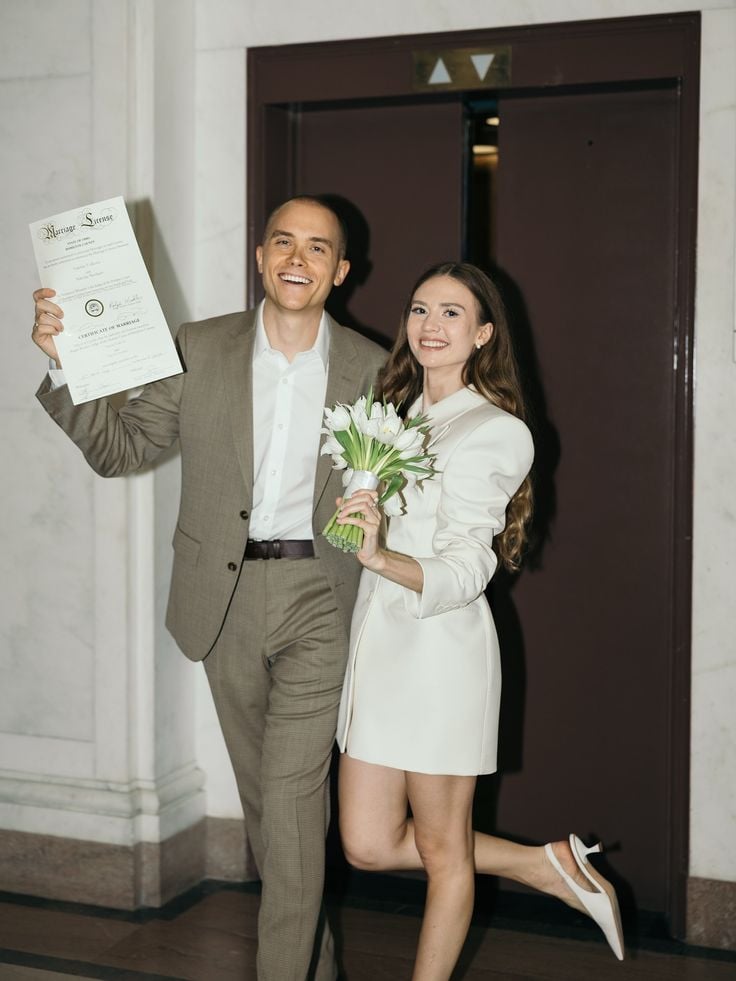
Marriage License Fees
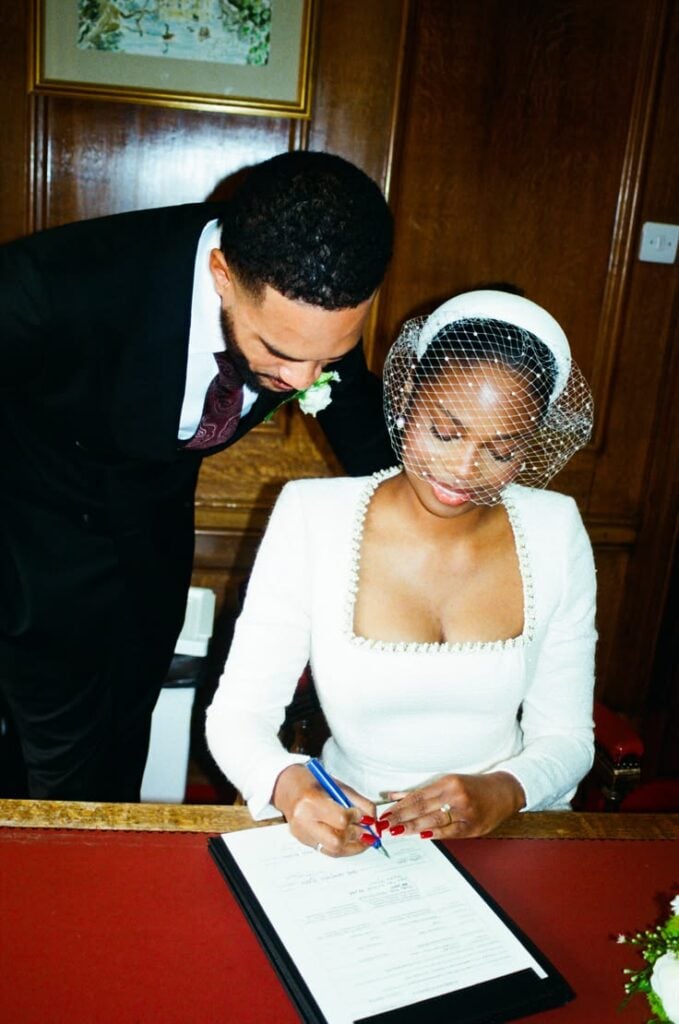
Your marriage license is one of the most important parts of your wedding because it makes your marriage legally recognized. Even so, many couples forget to include this cost in their budget until the last minute.
The fee varies depending on where you live, and some locations also charge for certified copies after the ceremony. Although it is not usually one of the largest expenses, it still deserves a place in your budget.
Plan for the Paperwork Early

As soon as you choose your wedding date, take time to research the marriage license requirements in your area.
Every location has different rules, application periods, and documentation requirements, so gathering this information early can save you from unnecessary stress later.
Adding this expense to your budget early means one less thing to worry about as your wedding day approaches.
In addition, completing the paperwork well in advance gives you enough time to correct any issues if documents are missing or additional steps are required before your ceremony.
Wedding Dress Alterations
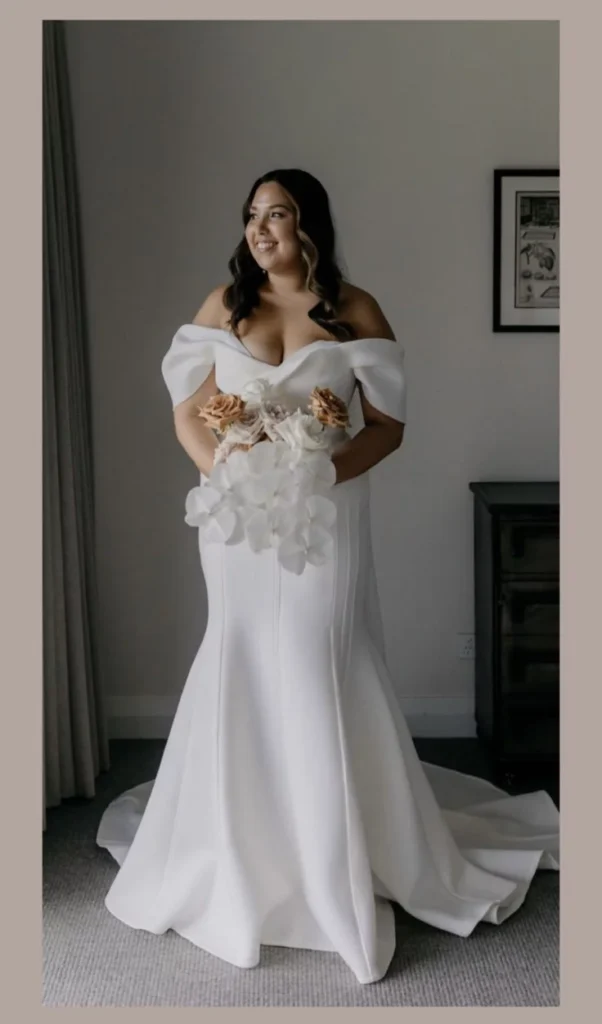
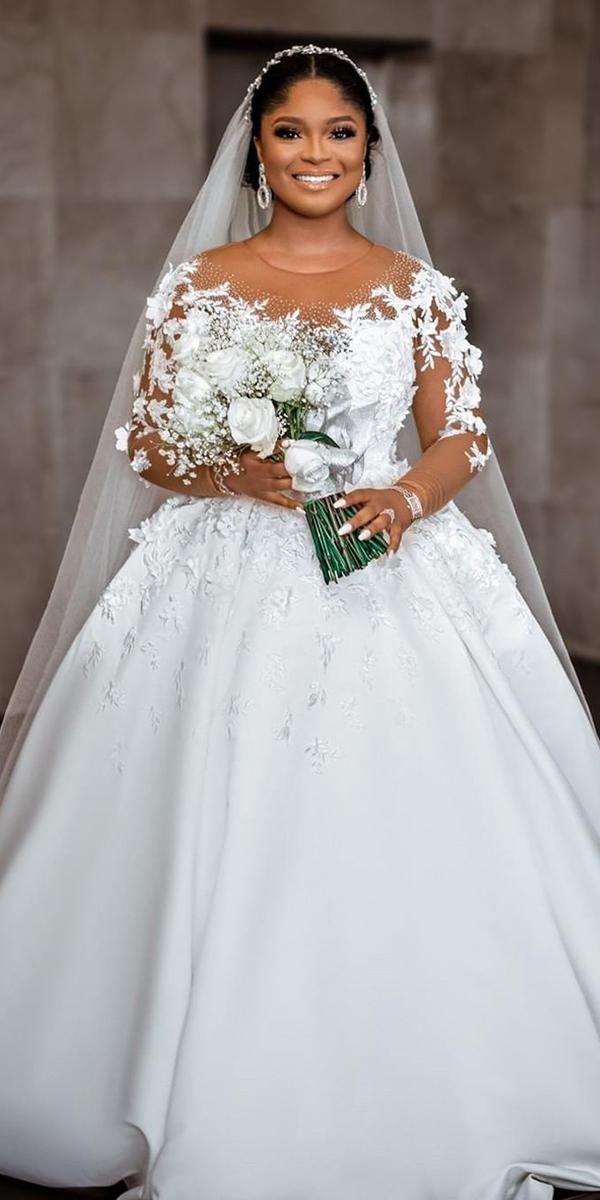
Finding the perfect wedding dress is exciting, but buying the dress is only part of the total cost. Very few gowns fit perfectly without adjustments.
When I helped one of my friends prepare for her wedding, she was surprised that the alteration costs were almost as shocking as some of her décor expenses.
It reminded both of us that tailoring should always be included in the wedding budget.
Alterations Are Part of the Dress Budget
Alterations may include:
- Shortening the hem
- Adjusting the straps
- Reshaping the bodice
- Bustle adjustments
- Sleeve modifications
The final cost depends on the amount of work needed, so it is wise to set aside money for alterations as soon as you purchase your dress.
Groom’s Attire Often Costs More Than Expected

Many couples carefully budget for the bride’s outfit but overlook the groom’s final expenses. As a result, these smaller purchases often become unexpected additions during the final weeks before the wedding.
A suit or tuxedo is only one part of the complete look. Shoes, accessories, tailoring, and grooming all contribute to the total cost.
In my experience, many grooms also decide to upgrade certain items closer to the wedding day, such as choosing higher quality shoes or adding personalized accessories.
Planning for these expenses early helps prevent unnecessary last minute spending and keeps your budget on track.
Remember the Finishing Touches
Your budget may also need to cover:
- Tie or bow tie
- Pocket square
- Belt
- Cufflinks
- Dress shoes
- Suit alterations
- Socks
Planning for these items early prevents unnecessary spending during the final weeks before the wedding.
Vendor Gratuities
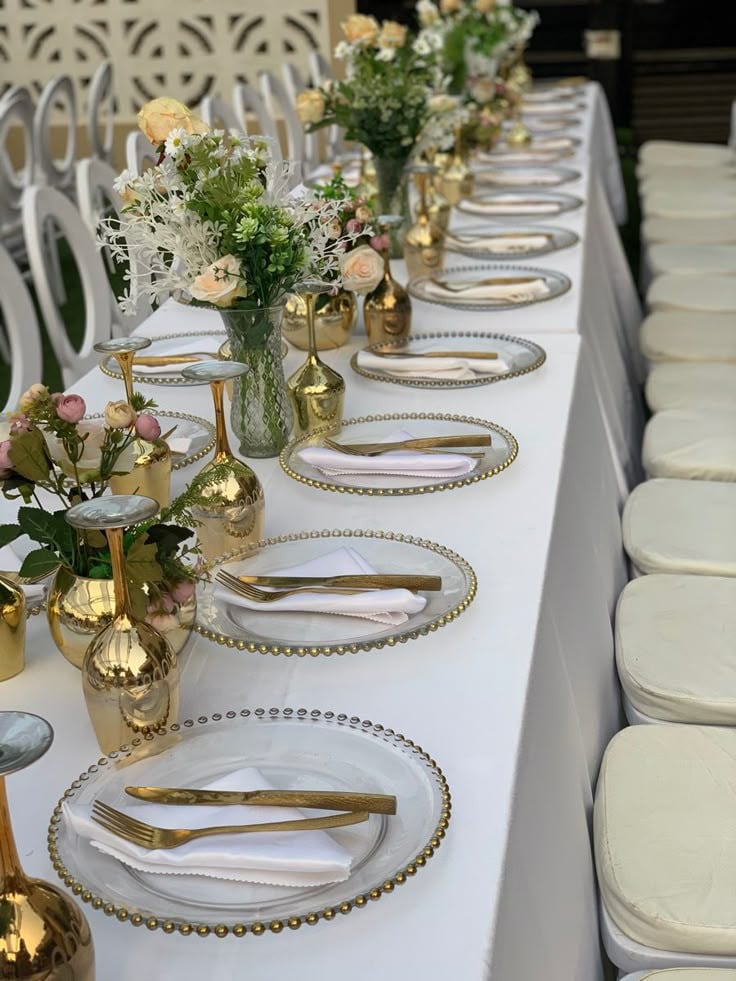
Another expense couples regularly forget is tipping their vendors. Some businesses include gratuities in their pricing, while others leave it entirely to the couple.
Before signing any contract, ask if gratuities have already been included. This simple question can help you avoid unexpected costs later.
Prepare Tips Before the Wedding
Rather than searching for cash on your wedding day, prepare gratuity envelopes in advance. Label each envelope with the vendor’s name and the amount inside so everything is organized before the celebration begins.
This small step keeps everything organized and allows someone you trust to distribute the envelopes when the appropriate time comes.
Meanwhile, you can focus on enjoying your wedding instead of worrying about last minute payments or trying to remember who still needs to be tipped.
Delivery and Setup Fees
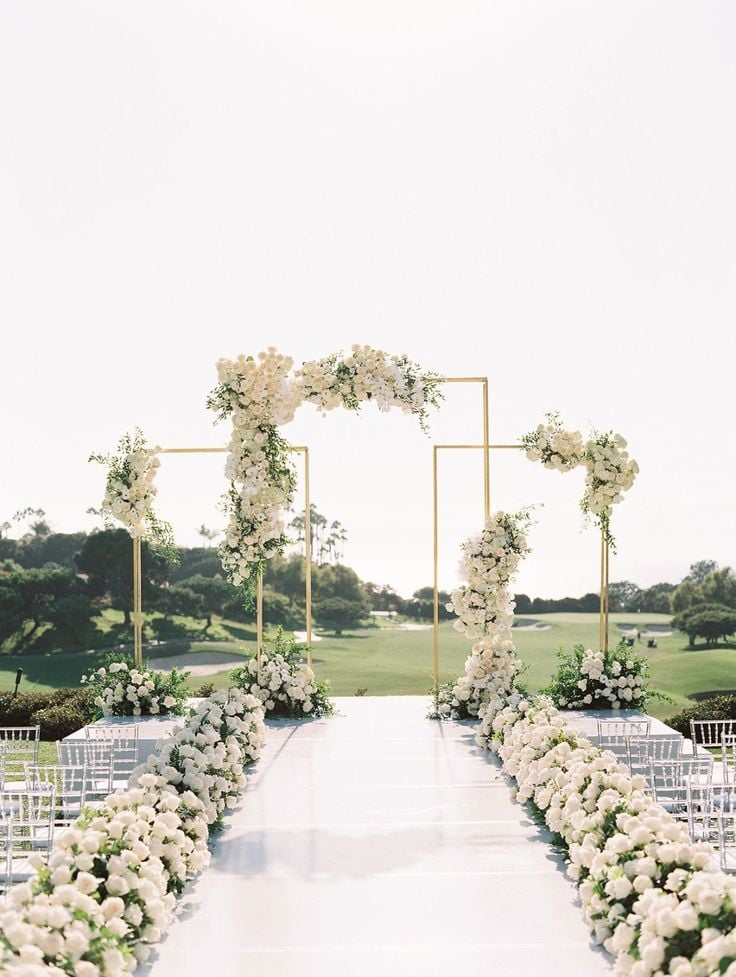
Vendor quotes do not always include delivery or setup costs. Florists, rental companies, bakeries, and décor suppliers often charge additional fees for transporting equipment and setting everything up.
Although these charges are understandable, they sometimes surprise couples who assumed everything was included in the original quote.
Ask for a Complete Breakdown
Whenever you receive a quotation, ask the vendor for a detailed list of every charge. This should include delivery fees, setup costs, service charges, taxes, and any optional extras that could increase the final price.
Knowing the full cost before signing a contract helps you compare vendors more accurately and prevents unexpected additions later.
Furthermore, asking detailed questions early shows vendors that you are organized and helps you avoid misunderstandings about what is included in the services you are paying for.
Beauty Trials

Most brides schedule hair and makeup trials before the wedding day, but these appointments are often forgotten during budgeting.
A trial gives you the chance to see how your chosen style looks and allows your stylist to make changes before the wedding.
Think of Trials as an Investment
Rather than viewing beauty trials as an optional expense, think of them as part of your wedding preparation.
Feeling confident in your final look makes the extra appointment worthwhile and reduces stress on your wedding day.
Postage Costs
Many couples remember to budget for invitations but forget about mailing them. Since stationery is often ordered months before the wedding, postage costs can easily be overlooked until everything is ready to send.
Postage costs apply to save the dates, invitations, RSVP cards, and thank you cards. If your invitations are larger or heavier than standard letters, mailing costs may be higher than expected.
In addition, international invitations or special mailing services can increase the total even further.
Checking postage rates before placing your stationery order allows you to budget more accurately and avoid unexpected expenses later.
Check Mailing Costs Before Ordering
Before printing your invitations, visit your local postal service or ask about current postage rates.
Knowing these costs in advance allows you to budget more accurately and avoid another unexpected expense.
Wedding Insurance
Wedding insurance is one expense that many couples never think about until someone recommends it. By that stage, some important situations may no longer be covered.
Although nobody expects problems on their wedding day, preparing for the unexpected can protect the money you have invested.
I remember a friend whose florist cancelled just days before the wedding because of a family emergency. Thankfully, another florist stepped in at the last minute, but the replacement cost more than expected.
Experiences like that show why wedding insurance can provide valuable peace of mind.
Understand What Your Policy Covers
Not every policy offers the same protection.
Before purchasing wedding insurance, read through the coverage carefully and understand exactly what situations are included. Spending a little time comparing policies now could save you a great deal of stress later.
Meals for Vendors
Your photographer, videographer, DJ, planner, and other professionals may spend ten or more hours working at your wedding. Since they are helping your day run smoothly, many contracts request that a meal be provided during the reception.
This expense is often forgotten because vendors are not included in the guest count when couples first begin planning. However, once you add several vendor meals together, the cost becomes much more noticeable.
Include Vendor Meals in Your Catering Budget
Before confirming your final catering numbers, ask every vendor if a meal is required.
Adding these meals to your catering budget from the beginning makes your final invoice much easier to manage.
Transportation Costs

Most couples remember to arrange transportation for themselves. However, transportation expenses often extend beyond the wedding car.
Family members, the wedding party, and guests staying at nearby hotels may also need transportation.
If your ceremony and reception take place at different venues, shuttle services or additional vehicles may become necessary.
Remember the Extra Charges
Transportation companies sometimes charge for waiting time, parking, fuel, or tolls.
Asking about these additional fees before signing a contract helps you create a much more accurate budget.
Last Minute Purchases
Even couples who plan carefully usually buy a few extra items during the final weeks before the wedding.
These purchases often happen because new ideas appear or small details suddenly seem important.
When I helped my sister decorate her reception, we stopped at a home décor store to buy one item. We walked out with candles, ribbon, table decorations, and picture frames that were never part of the original plan.
Individually they were inexpensive, but together they became one of our largest unexpected shopping trips.
Leave Room for Small Extras
Setting aside a small amount for last minute purchases gives you flexibility.
Instead of worrying every time you need one more item, you will already have money available for those final touches.
Overtime Fees
Many vendor contracts include a fixed number of working hours. If your reception continues longer than planned, additional charges may apply.
Photographers, DJs, musicians, transportation providers, and even your venue may charge overtime fees.
These costs are often overlooked because couples naturally expect the day to go according to schedule.
Discuss Overtime Before the Wedding

Ask each vendor how overtime is handled.
Understanding these charges ahead of time allows you to decide if extending your celebration is worth the additional cost.
Emergency Supplies
Every wedding benefits from having an emergency kit. Small problems are much easier to solve when you already have the supplies you need nearby.
Your emergency kit may include safety pins, tissues, stain remover, pain relievers, fashion tape, sewing supplies, bandages, and extra phone chargers.
Purchasing these items ahead of time is usually less expensive than rushing to buy them at the last minute.
Prepare Your Kit Early
I usually recommend putting an emergency kit together at least two weeks before the wedding.
That way, you have plenty of time to add anything you may have forgotten without feeling rushed.
Review Your Budget Regularly

Creating a budget is only the first step. Reviewing it throughout your engagement helps you stay in control and avoid unpleasant surprises.
Every few weeks, compare your planned spending with the money you have actually spent. This simple habit makes it easier to spot problems early and adjust your budget before they become difficult to manage.
If you are planning your wedding over several months, The Perfect 12 Month Wedding Planning Timeline explains when many of these expenses are likely to appear, making it easier to prepare financially.
Ask Yourself Simple Questions
During each budget review, ask:
- Are we still within our budget?
- Have any new expenses appeared?
- Can we reduce spending in another category?
These regular check ins help you stay confident throughout the planning process.
Final Thoughts

Understanding Wedding Expenses Couples Forget to Budget For helps you prepare for the smaller costs that often catch couples by surprise.
While major expenses usually receive most of your attention, the little things can quietly increase your spending if they are not included in your budget.
Fortunately, these expenses are easy to manage when you plan ahead.
By reviewing your budget regularly, asking vendors the right questions, and leaving room for unexpected costs, you can enjoy your engagement with far less financial stress.
At the end of the day, the goal is not simply to stay on budget. It is to create a wedding that reflects your priorities while allowing you to begin married life with confidence.