

Long-Distance Relationship Guide: How to Stay Connected, Communicate Better, and Make Love Last
If you’ve been searching for a complete long-distance relationship guide that actually tells you the truth, not just a cute list of date night ideas, you’re in the right place.
Long-distance relationships are hard, not the romanticized “I’ll wait for you forever” kind of hard you see in movies. The real kind. The kind where you’re lying in bed at 2 am, staring at your phone, wondering if the distance is slowly pulling you apart even when you’re trying your best to hold things together.
But here’s what nobody tells you: hard doesn’t mean impossible.
Thousands of couples navigate distance every single day and come out of it stronger, more intentional, and with a love that most same-city couples would honestly envy. The difference between the ones who make it and the ones who don’t isn’t luck. It’s not even just love. It’s what they do with the time, the distance, and the uncertainty.
This long-distance relationship guide covers all of it: communication, trust, intimacy, conflict, visits, andthe future. Everything you actually need to make a long-distance relationship work and last.
First, Let’s Talk About Why Long-Distance Relationships Fail

Most long-distance relationships don’t fall apart because of the distance itself. They fall apart because of what the distance exposes, insecurity that was already there, communication habits that were already broken, and a future that was never clearly defined.
Distance is like a magnifying glass. Whatever was slightly off in the relationship when you were together gets magnified, and whatever was solid can actually grow stronger. So if you’re going into this with the mindset of “we just need to survive until we’re in the same place,” that thinking is already working against you. Long-distance is not a waiting room; it’s a season of your relationship that deserves to be lived, not just endured.
The couples who thrive are those who decide from day one that the relationship will be whole even while the distance exists. Not half a relationship on pause. A full one, just structured differently.
Setting the Foundation: The Conversation You Might Be Avoiding

Before anything else, you and your partner need to have a real conversation. Not the surface-level type but the “we’ll make it work” pep talk.
How Long Is This Going To Last?
Open-ended distance with no end date is one of the fastest ways to breed resentment and anxiety. You don’t need a perfectly mapped-out timeline, but you do need a general direction. Is this six months? Two years? Are you both working toward closing the gap, or is this just going to be long-distance indefinitely?
If you don’t know the answer yet, that’s okay. But you need to be honest about that uncertainty together rather than avoiding the conversation and hoping it works itself out.
What Does Being Committed Look Like for Both of You During This?
This means talking about expectations around communication frequency, think it’s obvious, social boundaries, and what each of you is willing to do to make this work. What one person considers “normal” might feel neglectful to the other. Get it out in an open conversation.
Why Are We Doing This?
This sounds like a strange question, but it matters. Are you long-distance because one of you moved for a career opportunity? Because of school, family? Military deployment or A relationship that started online? The reason shapes the dynamic. A couple who were together for five years before one partner moved across the country has a different foundation than two people who met on an app and have never been in the same city.
Knowing your “why” keeps you anchored when things get hard.
Communication: The Part Everyone Gets Wrong

One of the biggest mistakes long-distance couples make is believing they need to stay connected every waking moment to prove their commitment. As a result, they text throughout the day, call every evening, and spend hours on video chats until the routine becomes exhausting. Before long, the very communication that once kept the relationship alive starts to feel like an obligation instead of a source of comfort.
The truth is quality always matters more than quantity. You don’t have to narrate every minute of your day. What matters is creating moments where you genuinely connect with each other.
One of the biggest mistakes long-distance couples make is believing they need to stay connected every waking moment to prove their commitment. As a result, they text throughout the day, call every evening, and spend hours on video chats until the routine becomes exhausting. Before long, the very communication that once kept the relationship alive starts to feel like an obligation instead of a source of comfort.
Research also suggests that meaningful, intentional conversations contribute more to long-term relationship satisfaction than simply communicating more often. https://www.healthline.com/health/long-distance-relationships
Build a Communication Rhythm Instead of a Strict Schedule
Every couple communicates differently. Some enjoy ending each day with a phone call, while others prefer a few longer video chats during the week and occasional text messages in between. One partner may enjoy constant texting, whereas the other feels more connected through voice or video conversations.
Instead of forcing yourselves into a rigid routine, create a rhythm that works for both of you. Unlike strict rules, a healthy rhythm leaves room for busy days, unexpected commitments, and personal downtime without creating unnecessary guilt. The goal isn’t perfection. It’s consistency.
Move Beyond Surface-Level Conversations
Many couples unknowingly fall into repetitive conversations.
“How was your day?” “Fine.” “What did you do?” “Nothing much.”
Although these conversations help you stay in touch, they rarely strengthen emotional intimacy. Over time, they can leave both partners feeling connected on the surface but distant underneath.
Instead, ask questions that invite honesty and vulnerability.
- What’s been on your mind lately?
- What has challenged you the most this week?
- Is there something you’ve wanted to tell me but haven’t?
- What do you miss most about us?
Questions like these create opportunities for deeper conversations that help you continue learning about each other, even from miles apart.
Use Different Ways to Stay Connected
Text messages are perfect for quick check-ins and spontaneous “I’m thinking about you” moments. Phone calls allow you to hear emotion, laughter, and reassurance that text alone can’t always convey. Video calls bring an extra level of closeness by letting you see each other’s expressions and reactions.
Don’t stop there. Unexpected gestures often leave the biggest impression. Consider sending a voice note during lunch, mailing a handwritten letter, creating a playlist that reminds you of your partner, or surprising them with a postcard. Small acts of thoughtfulness often carry far more emotional weight than another scheduled video call.
It’s those unexpected moments that quietly remind someone they’re loved.
Remember That Space Is Healthy Too
Healthy communication doesn’t mean talking every hour of every day. There will be days when work becomes overwhelming, emotions run high, or one of you simply needs a little quiet time. That doesn’t automatically mean something is wrong with the relationship.
Learning to respect each other’s need for personal space is part of building trust. Sometimes silence is simply silence, not rejection, punishment, or a sign that love is fading. Strong long-distance couples understand that two people can live separate lives while remaining deeply connected. In many cases, giving each other room to breathe actually strengthens the relationship rather than weakening it.
Navigating Time Zones and Busy Seasons
One challenge that doesn’t get enough attention in long-distance relationships is managing different schedules. It may seem like a small issue at first, but over time, conflicting time zones and busy seasons can quietly create emotional distance if they aren’t handled intentionally.
When you’re living in different parts of the world, someone is almost always making a sacrifice. One partner stays up later than usual, while the other wakes up earlier. Add demanding jobs, exams, family responsibilities, or unexpected life events into the mix, and even finding thirty uninterrupted minutes together can become difficult.
The good news is that this doesn’t have to weaken your relationship. It simply requires flexibility, understanding, and realistic expectations.
Decide Who Can Be More Flexible
Every couple has different schedules. Perhaps one partner works regular office hours while the other works shifts. Maybe one is in school, while the other has a demanding career. Rather than expecting both people to make the same sacrifices every time, talk honestly about who has more flexibility during different seasons.
Some weeks, you may adjust your schedule to support your partner. Other weeks, they may do the same for you. Sharing that responsibility prevents resentment from building over time.
Don’t Let Busy Seasons Become Emotional Distance
Being busy isn’t the problem; disappearing without explanation is. There will be seasons when work deadlines pile up, exams demand extra attention, or family obligations become overwhelming. During those moments, your partner doesn’t necessarily need hours of conversation; they simply need reassurance that they still matter.
A short voice note, a quick message saying, “I’m overwhelmed today, but I’ve been thinking about you,” or a simple goodnight text can make an enormous difference. Small reminders of your presence help maintain emotional closeness, even when time is limited.
Avoid Making Your Partner Feel Like an Afterthought
When life becomes stressful, relationships often receive whatever time is left over. If that pattern continues for weeks or months, the other person may begin to feel forgotten rather than loved.
No one expects you to be available every minute of every day. However, making consistent efforts to check in, even briefly, shows that your relationship remains a priority. Being present doesn’t always require long conversations, sometimes consistency matters far more than duration.
Make the Time Difference Work for You
Although different time zones can be frustrating, they also create opportunities to surprise each other.
Schedule a good morning message to arrive just as your partner wakes up. Record a voice note they’ll discover during their lunch break. Send a thoughtful text while imagining what they’re doing at that exact moment.
These simple gestures communicate something powerful:
“I know what your day looks like, and I thought about you anyway.” Distance changes the timing of your relationship, but it doesn’t have to reduce its closeness. With a little creativity and intentionality, even several hours apart can become another way of showing love.
Trust: The Thing Distance Either Builds or Destroys

Trust sits at the heart of every long-distance relationship. Unlike couples who see each other regularly, you don’t know what your partner is doing most of the time. You can’t read their body language after work, notice subtle changes in their mood, or share everyday moments together. Instead, you’re choosing to believe their words, and they’re choosing to believe yours.
For some people, that comes naturally. Others find that the physical distance awakens fears they didn’t even realize they had. A delayed reply suddenly feels suspicious, and a canceled call raises questions. Before long, the mind begins to create stories with little or no evidence to back them up.
Distance itself isn’t usually what damages trust. It’s the assumptions that grow when communication disappears. The healthiest long-distance relationships aren’t built on perfect certainty. They’re built on two people who intentionally choose honesty, consistency, and trust every day.
Don’t Let Silence Tell a Story
Not every delayed response means something is wrong. People get busy, Meetings run late. Phone batteries die, and sometimes someone simply needs a quiet evening to recharge. When you immediately assume the worst because several hours have passed without a message, you’re allowing fear, not facts, to shape your emotions.
Before jumping to conclusions, pause and ask yourself an important question:
“Do I have evidence, or am I filling in the blanks with anxiety?”
That simple habit can prevent countless unnecessary arguments.
Practice Transparency Without Feeling Controlled
Being open with your partner isn’t about asking permission to live your life. It’s about showing consideration. If you’re spending the evening with friends, traveling somewhere new, or know you’ll be difficult to reach for a while, giving your partner a quick heads-up helps eliminate unnecessary worry.
Healthy transparency sounds like this:
“I’m heading out with a few coworkers tonight, so I may reply a little slower.”
That’s very different from feeling pressured to explain every movement or constantly share your location. One builds security while the other creates control. The goal is openness, not surveillance.
Talk About Insecurities Before They Become Problems
Everyone experiences moments of insecurity. The difference is what you do with those feelings.
Rather than becoming distant, giving one-word replies, or expecting your partner to guess what’s wrong, choose honesty. You might say:
“I’ve been feeling a little insecure lately. I’m not blaming you, I just wanted to tell you because I don’t want these feelings to build up.”
Conversations like this invite reassurance instead of conflict. More importantly, they strengthen emotional intimacy because both people feel safe enough to be vulnerable.
Build Trust Through Consistency
Grand romantic gestures are memorable. Daily consistency is what builds trust. Keeping promises, showing up when you say you will, following through on commitments, and communicating honestly even during difficult seasons create the reliability every healthy relationship needs.
Trust isn’t built in one dramatic moment. It grows through hundreds of ordinary choices made over time, and that’s why consistency often speaks louder than words. When your actions repeatedly match your promises, your partner gradually learns that they can depend on you, regardless of the distance between you.
Keeping the Romance Alive: Yes, It’s Actually Possible

One of the biggest fears in a long-distance relationship is that the romance will slowly fade. As the weeks turn into months, conversations can become predictable, routines start to feel repetitive, and it’s easy to wonder whether you’re becoming more like close friends than romantic partners.
That doesn’t have to happen. Romance rarely disappears overnight. More often, it fades when couples stop creating moments that make each other feel special. The good news is that distance doesn’t prevent romance, it simply requires more intention.
Never Stop Dating Each Other

Being apart doesn’t mean date nights have to end. Choose a day that works for both of you and treat it like a real date. Dress up if you enjoy that. Order food from your favorite restaurants, cook the same meal together on a video call, or watch a movie at the same time and chat afterward.
You can also play online games, explore virtual museums, or even read the same book and discuss a chapter each week. The activity itself isn’t what matters most. What matters is setting aside uninterrupted time to focus on each other.
Surprise Each Other No Matter How Small

Romance often lives in the unexpected. A handwritten letter, a surprise delivery of their favorite snacks, a playlist filled with songs that remind you of them, or even a random voice note in the middle of the day can leave a lasting impression.
Thoughtful gestures don’t have to be expensive. In many cases, the smallest surprises become the most meaningful because they communicate, “You crossed my mind today.” Consistency in these little acts helps your partner feel loved, even from hundreds or thousands of miles away.
Talk About the Future Together
Every healthy long-distance relationship needs something to look forward to. Try to spend time talking about the life you hope to build once the distance ends. Discuss where you’d like to live, the trips you want to take, the traditions you’d love to create, or even simple routines like making breakfast together on Sunday mornings.
These conversations do more than create excitement. They remind you both that the distance is temporary and that you’re actively building a shared future, not simply waiting for circumstances to change. Having a common vision also strengthens your commitment during difficult seasons.
Never stop flirting
Many couples become so focused on maintaining the relationship that they accidentally forget to enjoy it. Don’t lose the playful side of your connection. Compliment each other, share inside jokes and send affectionate messages for no particular reason. Tease each other, laugh together, and let your partner know they’re still attractive to you.
Romance isn’t sustained by grand gestures alone. It’s often the playful conversations, spontaneous compliments, and little moments of affection that keep emotional and physical attraction alive. Even when you’re separated by distance, those moments remind both of you that you’re not simply maintaining a relationship, you’re still falling in love with each other along the way.
Handling Conflict From Miles Away
Fighting is hard in person. Fighting over a screen is harder.

In a long-distance relationship, resolving conflict can feel much more difficult because you’re missing something important, physical presence. You can’t read each other’s body language as clearly, offer a comforting hug, or notice the small expressions that often soften difficult conversations.
As a result, misunderstandings happen more easily, and emotions can escalate faster than either person intended. The good news is that distance doesn’t have to make conflict destructive. With the right approach, disagreements can actually strengthen your relationship.
Don’t Argue Through Text Messages
Texting is convenient for everyday conversations, but it’s one of the worst places to resolve serious disagreements. Without facial expressions or tone of voice, it’s easy to misinterpret even well-meaning messages. A short reply may seem cold when the other person was simply busy. Likewise, an attempt at humor might come across as sarcasm.
If you notice the conversation becoming tense, suggest moving to a phone or video call, because hearing each other’s voices often clears up misunderstandings far more quickly than sending another dozen text messages.
Give Emotions Time to Settle
Not every disagreement has to be solved immediately. Sometimes both of you need a little time to calm down before continuing the conversation. Taking a short break isn’t avoiding the issue; it’s creating space to respond thoughtfully rather than react emotionally.
You might say: “I love you, and I want us to work through this. Can we take an hour to cool off and come back to the conversation?”
That kind of reassurance reminds your partner that the relationship is still secure, even while you’re taking time to process your emotions.
Look Beneath the Surface of the Argument
Many arguments in long-distance relationships aren’t really about what they appear to be.
A missed phone call may actually reflect loneliness. Feeling upset about a delayed reply may stem from insecurity rather than the message itself. Even frustration about changing plans often points to a deeper desire for connection. Instead of focusing only on the immediate disagreement, ask yourselves what emotion lies beneath it.
Understanding the real issue makes it much easier to solve the problem together instead of blaming each other.
Repair the Relationship as Soon as You Can
Every couple argues. What separates healthy relationships from unhealthy ones isn’t the absence of conflict, it’s how quickly both people work toward repairing the connection afterward.
Long-distance couples can’t rely on physical closeness to ease tension, so emotional repair becomes even more important. Offer a sincere apology when you’ve made a mistake and acknowledge your partner’s feelings, even if your intentions were different. Most importantly, remind each other that you’re on the same team.
The goal isn’t to “win” the argument. The goal is to protect the relationship while solving the problem together. Conflict handled with patience, empathy, and honesty doesn’t weaken love, it often deepens it.
Visits: Making the Most of the Time Together
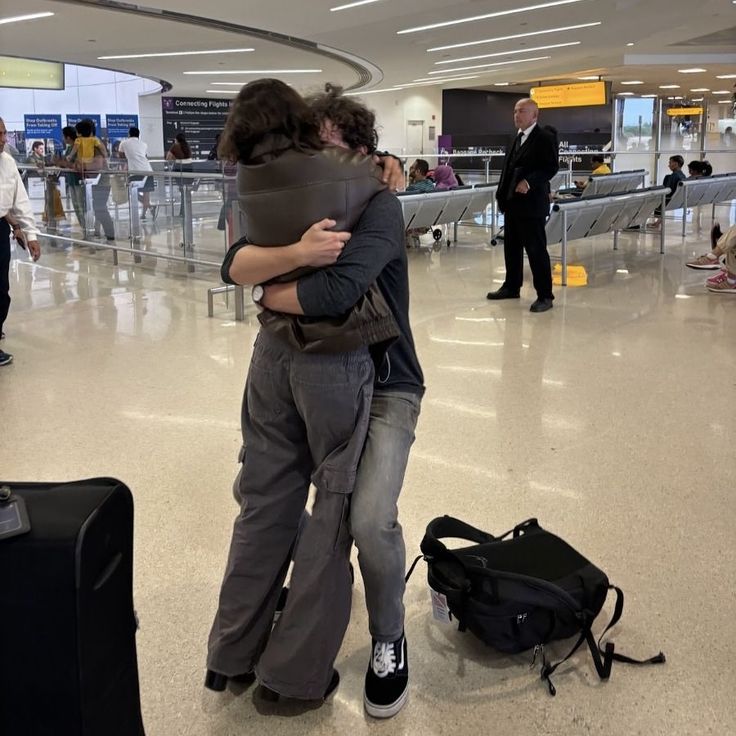
When you finally get to be in the same place, the pressure can feel real. You’ve been counting down the days and building expectations, so it’s not unusual for things to feel slightly different at first. That transition can be awkward because you’ve gotten used to connecting through calls and messages. Being physically together changes that rhythm completely.
Give yourselves a little time to settle in. Not every visit needs to start with big emotional moments or perfectly planned romance. Sometimes, it takes a day just to adjust to being in the same space again.
Resist the Urge to Overschedule
It’s easy to want to fill every hour because the time together is limited. But some of the most meaningful moments happen when nothing is planned. Cooking together, resting in the same room, or having simple conversations often creates deeper connection than a packed itinerary.
Have Real Conversations During Visits
Many couples avoid serious conversations during visits to “protect the moment.” The result is that unresolved feelings get pushed into texts after the visit ends. Instead, use the time you have together to talk openly. In-person conversations are usually clearer, calmer, and more honest.
Handle Goodbyes with Emotional Awareness
Goodbyes in long-distance relationships are never easy. Once the visit ends, the emotional shift can feel intense. Instead of trying to avoid that reality, acknowledge it together.
It helps to plan how you’ll both handle the first 24 hours after parting ways. Give each other space, understanding, and grace as you adjust back to distance.
Taking Care of Yourself, Not Just the Relationship

Long-distance relationships can easily become emotionally consuming. Every call, message, or silence can start to feel like it defines your entire day. Over time, this creates imbalance where the relationship becomes your only emotional anchor. You need more than the relationship to stay grounded.
Build a Life Outside the Relationship
Stay connected to your own world. Spend time with friends, focus on work or studies, and invest in hobbies that remind you of who you are outside the relationship. This is not about distraction — it’s about balance. A healthy relationship supports your life; it doesn’t replace it.
Protect Your Emotional Stability
When your entire emotional state depends on one person, everything becomes heavier than it should be. A missed call feels like rejection, and a good conversation feels like relief. That emotional rollercoaster can be exhausting. A more balanced version of you shows up more secure, present, and emotionally stable in the relationship.
The Question You Eventually Have to Answer: What’s the Plan?
Long-distance relationships can work, but they are not meant to stay indefinite without direction. At some point, there needs to be a shared understanding of where the relationship is heading.
Ask the hard but necessary questions:
- Who is willing to move?
- When could that realistically happen?
- What are the deal-breakers for both of you?
You don’t need every detail figured out immediately, but you do need clarity on whether you are moving toward the same future or simply maintaining distance without direction.
The relationships that survive long-distance are not the ones that ignore the difficulty. They are the ones where both people keep a shared end goal in focus and treat the distance as temporary, not permanent.
Is Your Relationship Actually Growing Or Just Surviving?

A couple can communicate regularly, visit each other often, and still feel emotionally stuck. Everything looks healthy on the surface, yet the relationship isn’t moving forward. Instead of building something deeper, both people are simply maintaining what already exists.
That’s why it’s important to pause occasionally and evaluate not just whether your relationship is lasting, but whether it’s becoming stronger.
Signs Your Relationship Is Growing
Healthy relationships continue to evolve, even across long distances. You genuinely look forward to talking, not because it’s part of your routine, but because you’re excited to hear about each other’s lives. When your partner shares new experiences, friendships, or achievements, your first response is curiosity and pride rather than insecurity.
As time passes, your conversations become deeper instead of repetitive. Both of you continue growing as individuals, and that personal growth strengthens the relationship rather than pulling it apart.
The distance may still be difficult, but it no longer feels like the defining feature of your relationship.
Signs You’re Simply Surviving
Sometimes couples stay together without truly moving forward. Conversations begin to feel like daily checklists instead of meaningful moments. Interesting questions disappear, replaced by predictable updates and routine check-ins. Gradually, you may realize you’ve become attached to the idea of the relationship more than the person you’re actually sharing it with.
Neither of you intends for this to happen. It usually develops slowly, making it difficult to recognize until emotional distance has already started replacing emotional intimacy.
If any of this feels familiar, don’t panic, but don’t ignore it either. Treat it as an invitation to reconnect before the gap widens further.
Growth Means Accepting That People Change
Change is unavoidable. While you’re living apart, both of you are building separate lives. You’re meeting new people, developing different interests, learning new skills, and gaining experiences that the other person isn’t sharing firsthand.
That’s perfectly healthy. The real challenge isn’t preventing change, It’s making sure you’re changing together instead of quietly growing in different directions.
Sometimes, ask yourself the honest questions.
Do I still know the person my partner is becoming?
Do they still know who I am today?
Are we choosing each other because we’re still compatible, or simply because we’ve invested so much time already?
Those conversations may feel uncomfortable, but they’re often the ones that strengthen a relationship the most.
Questions Every Couple Should Revisit
Healthy relationships aren’t built on assumptions. They grow through regular, honest conversations.
Set aside time every few months to ask each other questions like these:
- Are we still excited about the future we’re building together?
- Do you feel understood by me today, not just remembered from who you used to be?
- Is there anything you’ve been afraid to tell me?
- Have our goals changed in ways we should talk about?
- What can we do to feel even more connected over the next few months?
These conversations aren’t signs that something is wrong. They’re evidence that you’re intentionally caring for your relationship instead of putting it on autopilot.
The Distance Was Never the Hard Part
Long-distance relationships will test you. That’s just the truth. They’ll test your communication, your patience, your trust, and your commitment to someone you can’t physically reach.
But they also have a way of building something really solid. When you can’t rely on proximity, you learn to actually talk to each other. You learn to be intentional. You learn that love isn’t just about being in the same room; it’s about choosing someone consistently, even when choosing them is hard.
The couples who make it aren’t the ones who never struggled. They’re the ones who struggled and kept showing up anyway. They are the ones who had the hard conversations instead of avoiding them. Who built a real life even while they were apart, and brought that fullness back to each other every time they connected.
If you’re in this, know that it’s possible. It might not be easy, but absolutely possible. The distance is not the enemy; giving up on each other is. So go make it work. You already know how.
Written by Osigwe Lynda Chioma