Wedding Cake Sizes: How Much Cake Do You Really Need?
Disclosure: Some of the links in this post are affiliate links. This means if you click on the link and purchase an item, I will receive an affiliate commission at no extra cost to you.
One of the easiest wedding cake mistakes to make is ordering a cake that looks beautiful but does not provide enough servings for your guests. You may fall in love with a tall, elegant design, only to discover that it serves fewer people than you expected. On the other hand, ordering too much cake can leave you spending money on servings you do not need.
The good news is that choosing the right wedding cake size does not have to be complicated. You need to consider your guest count, the way your cake will be served, your preferred design, and whether you are offering other desserts.
If you are still exploring different designs, Wedding Cake Styles Explained can help you decide what kind of cake suits your celebration before you settle on its size.
Let’s look at how to work out how much wedding cake you need without wasting your budget or leaving guests without a slice.
1. Start With Your Expected Guest Count
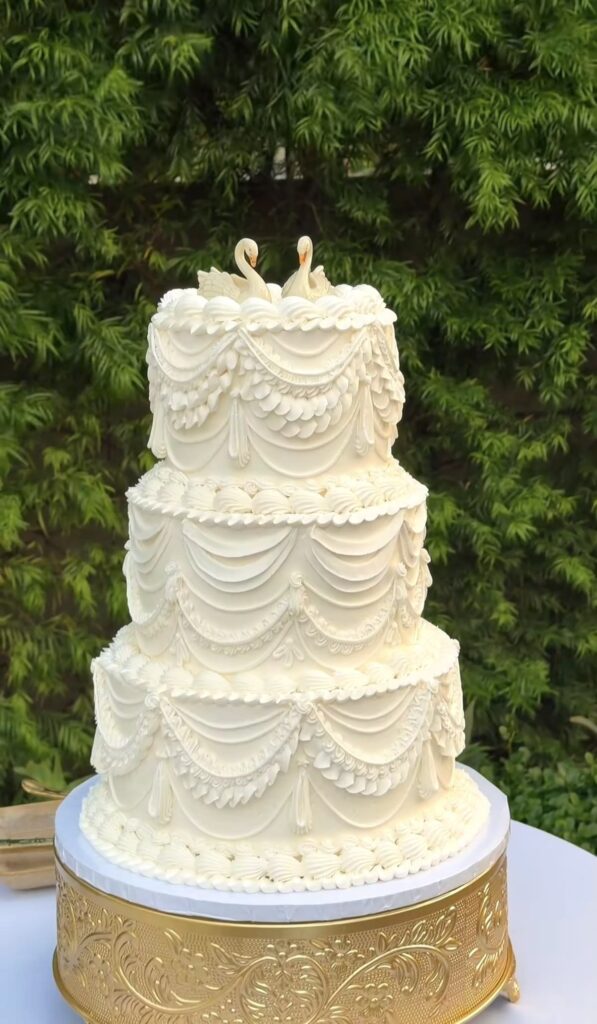
Your guest count is the best starting point when deciding how much wedding cake to order. Before contacting a baker, work out how many people you expect to attend your reception.
If you are inviting 100 guests, for example, decide whether you want enough cake for all 100 people or whether you plan to serve other desserts as well.
Do not use your invitation count as your final number without considering RSVPs. Some invited guests may not attend, while changes to your guest list could increase the number of people you need to serve.
It is usually best to have a reasonably firm guest estimate before placing your final cake order. You can start discussing designs earlier, but confirm the serving requirements and final quantity with your baker before the wedding.
Your guest count also affects your budget. If your numbers keep changing, you may end up paying for more cake than you need or having to increase your order later. The Hidden Reason Weddings Go Over Budget explains how small decisions and changes can gradually increase wedding expenses.
2. Understand What a Cake Serving Means
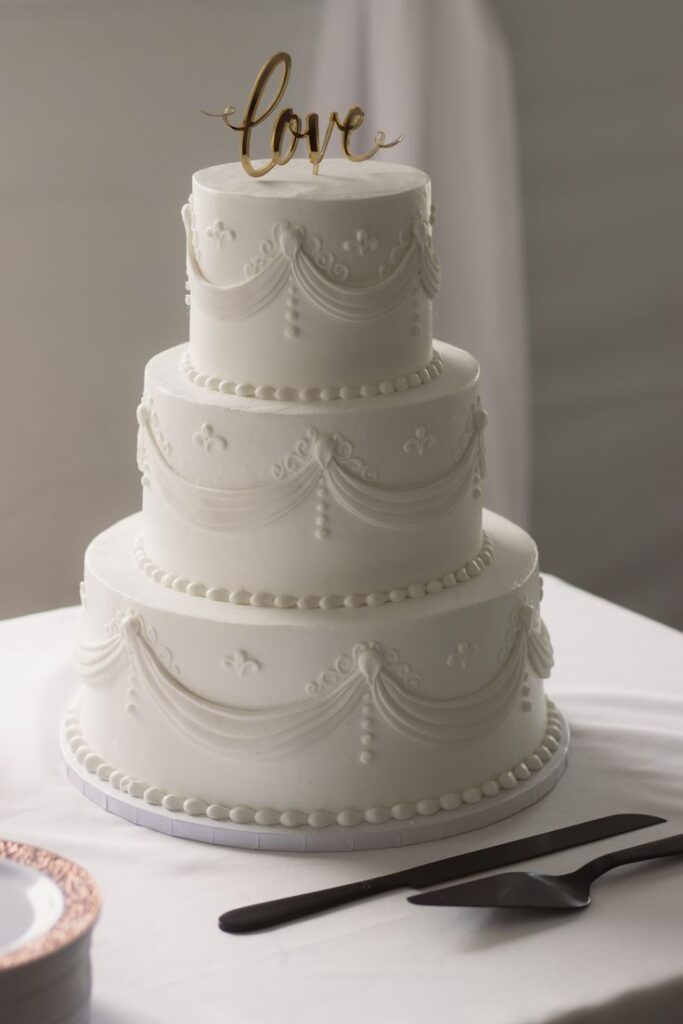
One reason couples get confused about wedding cake sizes is that a cake’s appearance does not always tell you how many people it will serve.
Bakers often calculate servings using standard portion sizes. These portions may be smaller than the slices you would cut for a birthday cake at home.
At a wedding reception, cake is usually served after a meal. This means portions may be relatively modest, especially if guests have already eaten dinner and other sweets are available.
Ask your baker how they calculate servings. A cake advertised as serving 100 people may provide a different number of portions depending on the baker’s cutting guide and the size of each slice.
It is also worth asking your venue how the cake will be cut and served. The way a cake is portioned can affect how many servings you get from it.
Do not rely on a photograph or a general online serving chart alone. Use those resources for an initial estimate, then let your baker recommend a cake size based on your actual requirements.
This is one of those practical details that is easy to overlook when you are focused on the appearance of your cake. 15 Wedding Planning Mistakes That Can Cost You Thousands is a useful reminder to check important details before making final wedding decisions.
3. Consider Whether You Are Serving Other Desserts
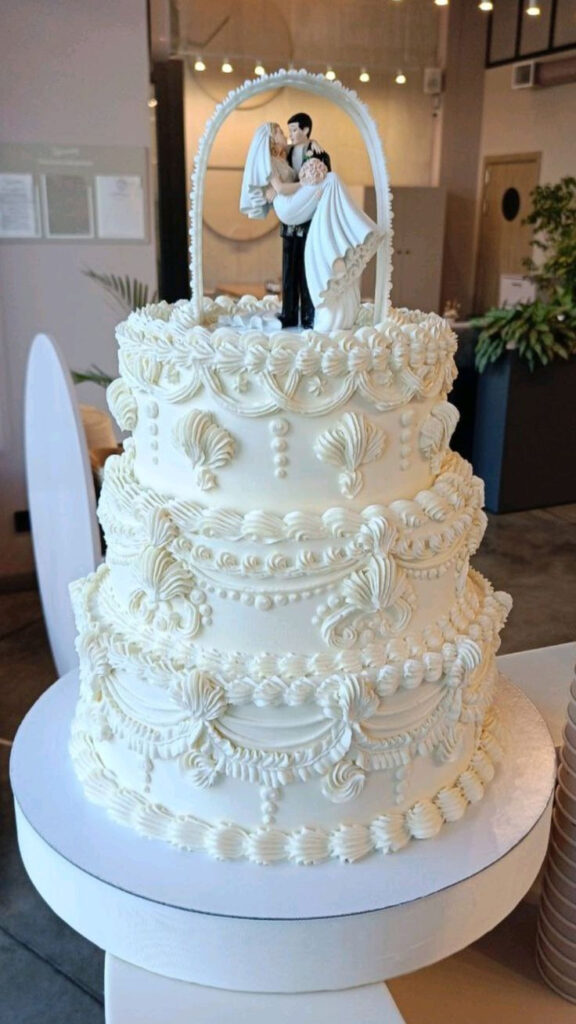
Your wedding cake does not have to be the only dessert at your reception. You might also be serving cupcakes, cookies, brownies, pastries, ice cream, or a dessert table.
If you have several dessert options, some guests may choose something other than cake. This could affect how much cake you need, although you should not assume that everyone will skip it.
Think about the kind of reception you are planning. If the wedding cake is the main dessert and you want every guest to have a slice, order enough servings for your guest count. If you are offering a full dessert table, discuss your plans with your baker and ask whether a smaller cake would make sense.
For example, a couple inviting 120 guests might choose a cake designed to serve most of the group while offering additional desserts for everyone. Another couple with the same guest count might prefer enough cake for all 120 guests because cutting the wedding cake is an important part of their celebration.
Neither approach is automatically better. The right choice depends on what you want to serve and how important the cake is to your reception.
Remember to consider the cost of the other desserts too. Adding more sweets may reduce the amount of cake you need, but the total dessert budget could still increase.
When planning your dessert table, think about how it will fit into the rest of your reception design. 20 Simple Bridal Bouquet Ideas That Feel Elegant can offer inspiration if you want a soft, coordinated look with flowers and other decorative details.
4. Decide Whether You Want a Display Cake or a Serving Cake
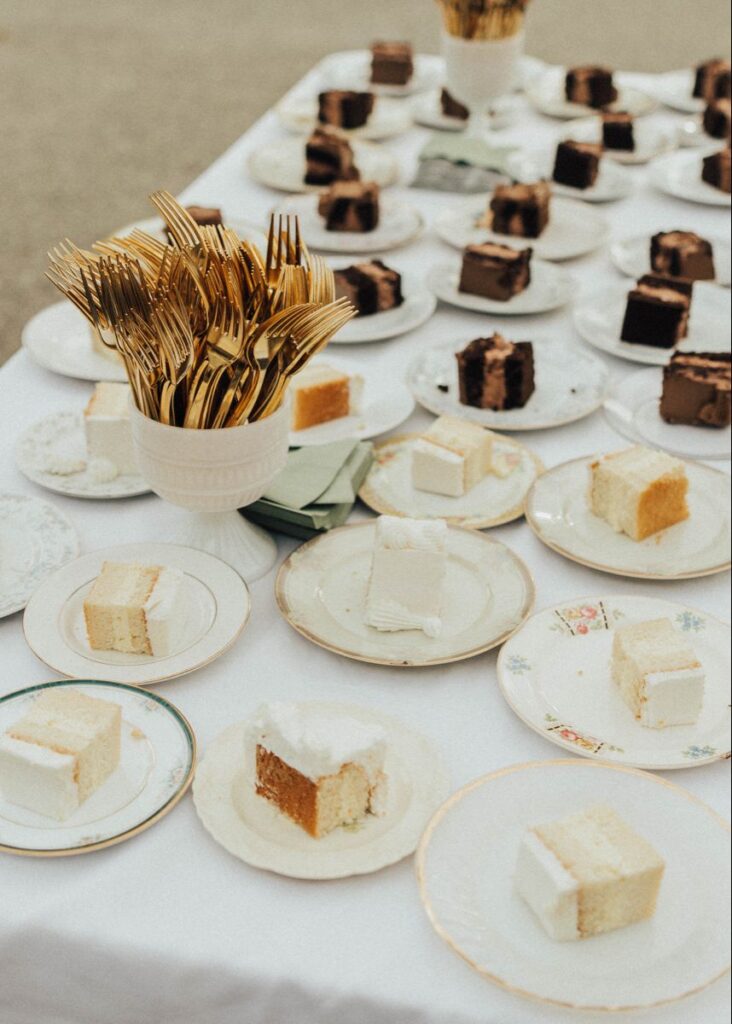
Sometimes, couples choose a wedding cake mainly for its appearance. They want something beautiful for the cake cutting, photographs, and reception display. Other couples want every part of the cake to be served to guests.
These goals can influence the size and structure of your order.
A display cake may have decorative tiers that are not all made for serving. In some cases, a baker may use dummy tiers made from a lightweight material to create extra height without adding more cake.
Another option is to have a smaller decorative cake for the reception and additional cake prepared separately for serving. This can help you achieve a particular look while providing enough portions for your guests.
However, do not assume that a display cake will automatically cost less. Detailed decoration, special structures, delivery, and setup can still affect the price.
Tell your baker what matters most to you. If you want a tall cake for photographs, explain that. If your priority is serving every guest from the displayed cake, make that clear as well.
Once your baker understands your priorities, they can suggest a design that balances appearance, servings, and cost.
You should also think about how the cake will look beside your other reception details. 23 Elegant Wedding Invitation Designs can give you ideas for creating a consistent wedding style through colors, patterns, and elegant decorative touches.
5. Think About the Shape of Your Wedding Cake
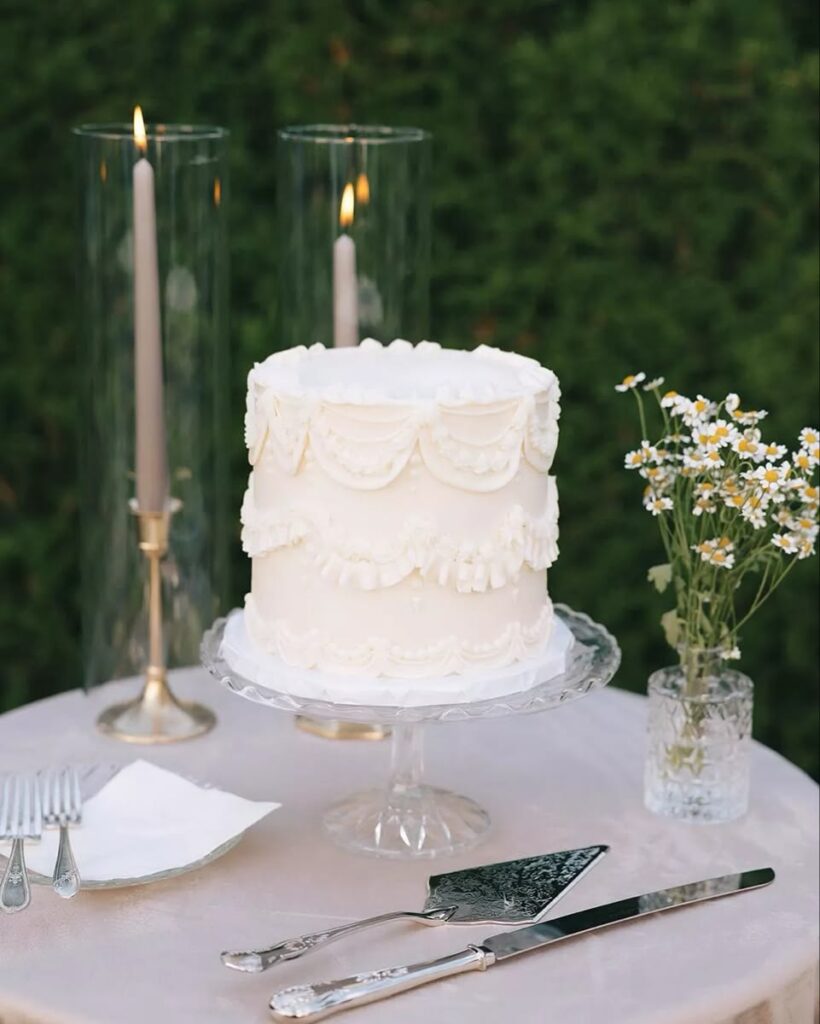
The shape of your wedding cake can affect both its appearance and the number of servings it provides.
Round cakes are a traditional choice and work well with many wedding styles. Square cakes can create a modern, structured look and may provide more servings than a round cake of a similar width, depending on the dimensions and how the cake is cut.
You can also find cakes with oval, hexagonal, or other custom shapes. These can make your cake stand out, but the serving count will depend on the actual size and the baker’s cutting method.
Do not choose a shape based only on how large it looks in a photograph. A tall, narrow cake may appear dramatic but could provide fewer servings than a wider design.
If you have already chosen a particular style, ask your baker how many servings it can provide. If you have a fixed guest count, ask which shapes and dimensions would meet your needs.
Your cake should also fit the overall look you want for your reception. If you prefer clean lines and simple decoration, 25 Minimalist Wedding Invitations can provide inspiration for a coordinated, understated wedding style.
If you are planning a more luxurious celebration, think about how the cake will work with your floral arrangements. 15 Luxury Wedding Bouquet Ideas to Fall in Love With can inspire elegant floral details that complement your cake without overwhelming its design.
The goal is to find a cake that looks right on your cake table and provides enough servings for the people you are inviting.
6. Check the Serving Guide Before Ordering
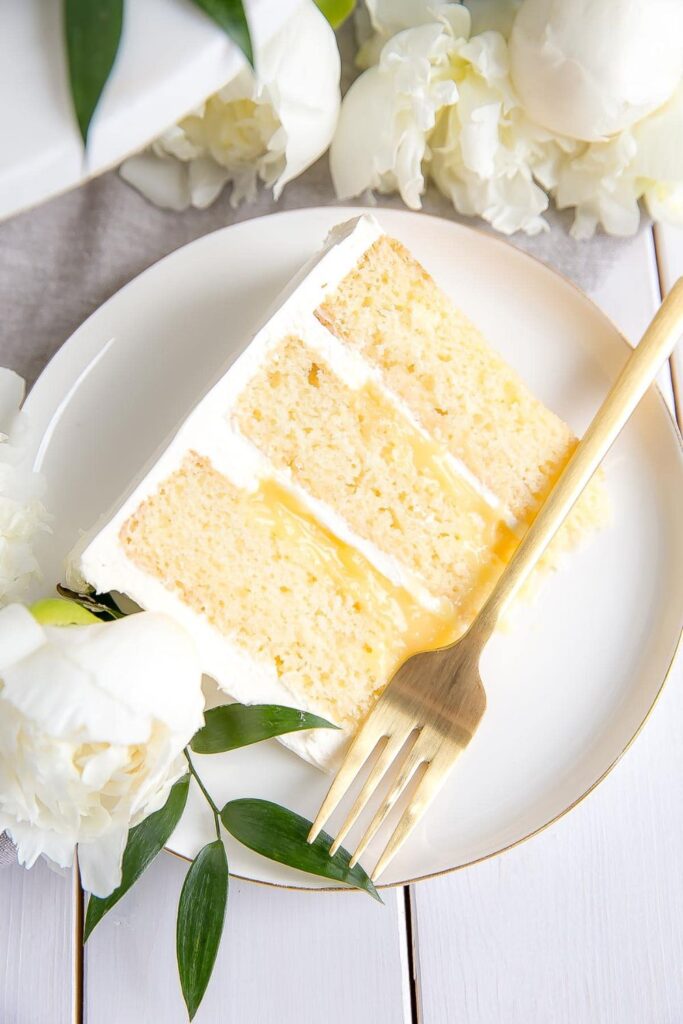
Once you have a guest count, the next step is to compare it with your baker’s serving guide. Not every bakery cuts cakes the same way, so two cakes with similar dimensions may provide different numbers of servings.
Ask your baker how many wedding portions each cake size is expected to provide. Most bakers use a standard serving size for wedding cake, which is usually smaller than the slice people might cut at home. This helps them estimate how many guests the cake can serve.
You should also ask whether the serving estimate changes with the cake’s shape or design. A round cake and a square cake of similar dimensions may not provide the same number of portions. Square cakes can sometimes be cut more efficiently, which may give you more servings.
Do not rely on a general cake size chart without checking how your baker uses it. One bakery might recommend a particular size for 80 guests, while another might suggest a different option. Their portion sizes, cake heights, and cutting methods may vary.
If you are comparing cake prices, ask each baker to quote based on the same number of servings. Otherwise, a cheaper cake might simply provide fewer portions. This is also a good time to review The Hidden Reason Weddings Go Over Budget because small differences in wedding decisions can affect your final spending.
7. Remember That Cake Height Affects Servings
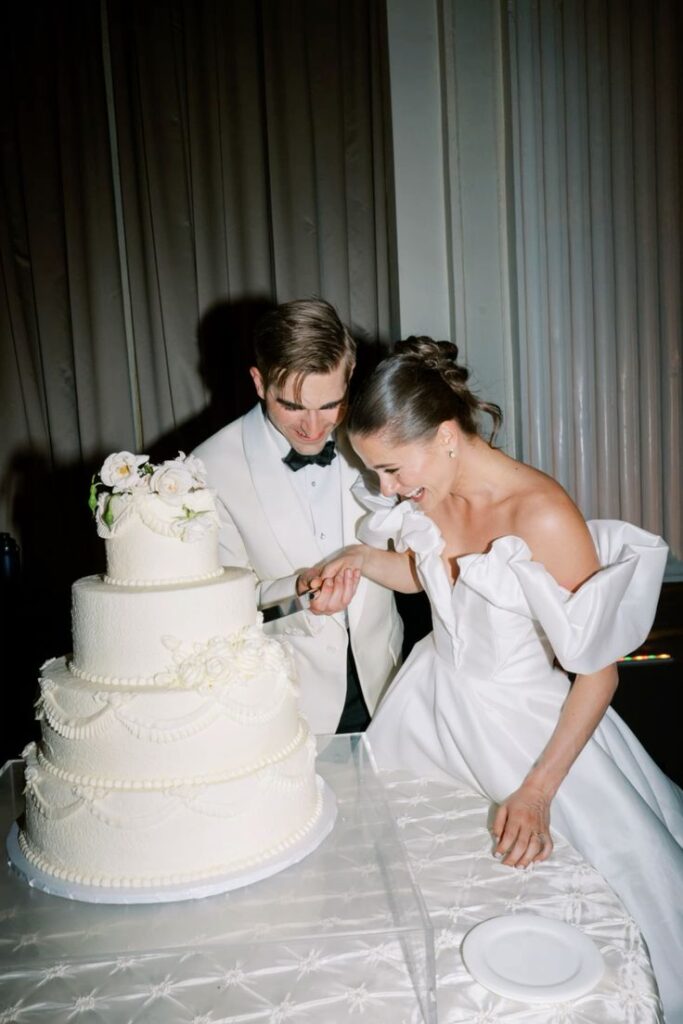
When looking at wedding cake designs, it is easy to focus on how tall and impressive the cake looks. However, height alone does not tell you how many guests it will serve.
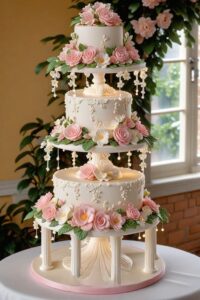
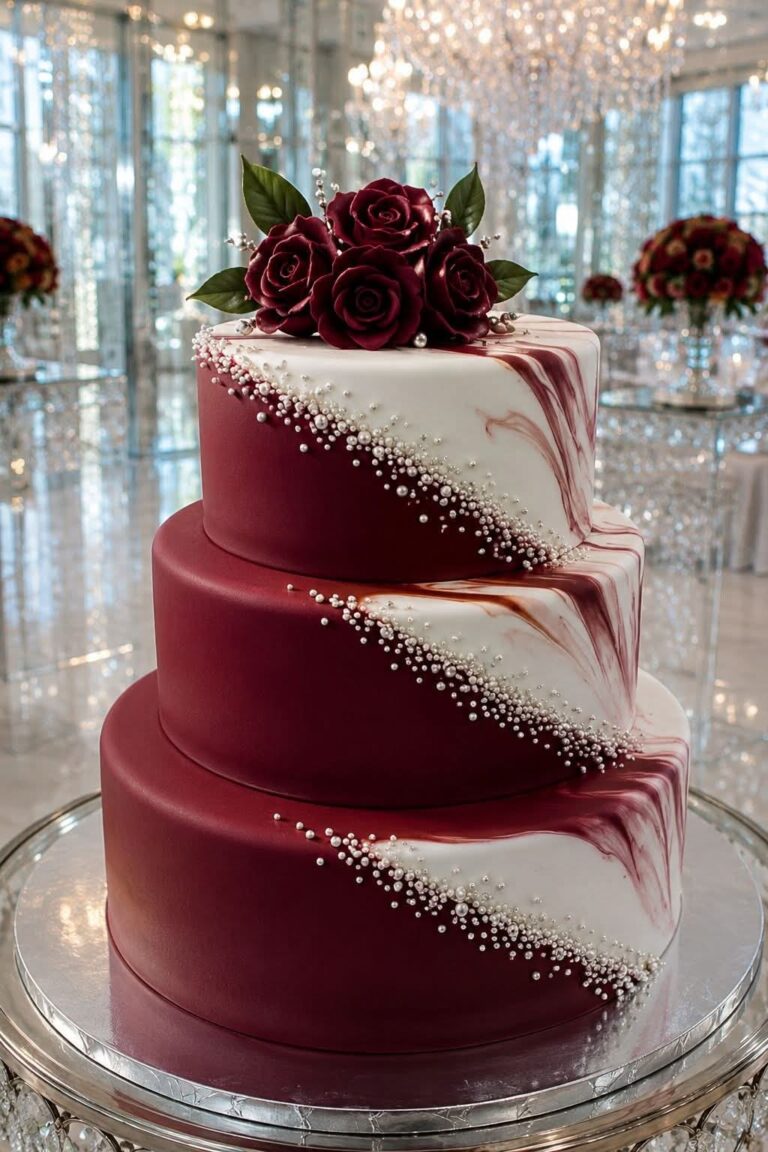
A tall cake may have several tiers, but each tier can have a different diameter. A cake with three narrow tiers might serve fewer people than a shorter cake with wider tiers. The number of tiers is only one part of the calculation.
Cake height can also vary because of the design. Some cakes have tall layers, while others have shorter layers with more decorations between them. Your baker can explain how the height and structure affect the number of portions.
Before choosing a design, share your estimated guest count and ask how many servings the finished cake will provide. If the design you love is too small, your baker may suggest wider tiers or an additional cutting cake.
You do not have to give up a beautiful design just because it does not provide enough portions on its own. The goal is to find a balance between the appearance you want and the amount of cake you need.
8. Leave Room for Changes in Your Guest Count
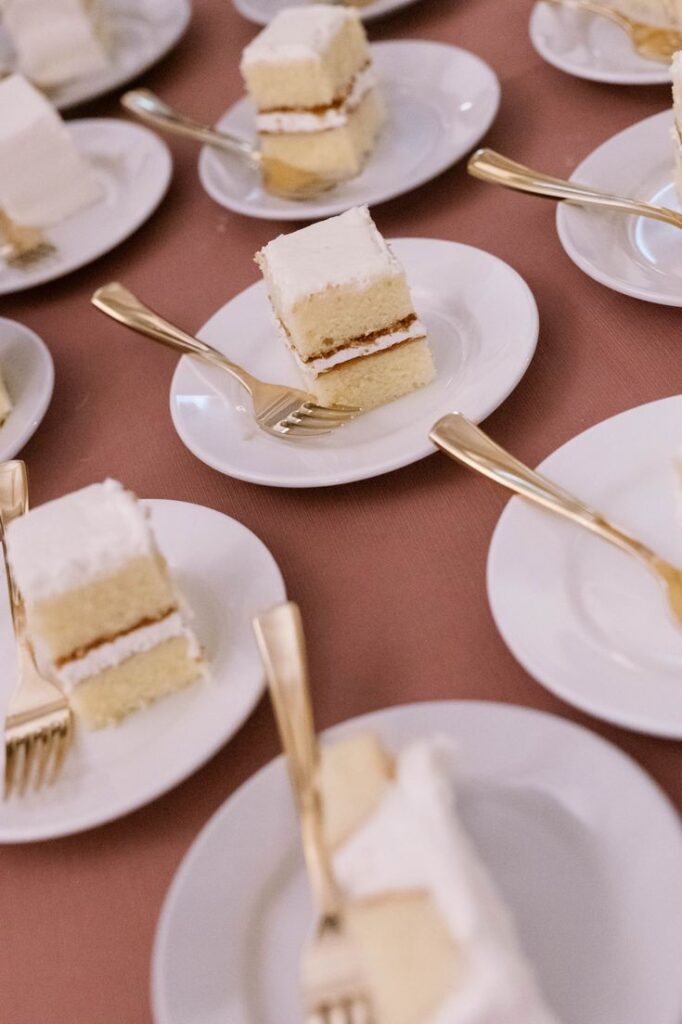
Wedding guest numbers can change as the day gets closer. Some guests may decline their invitations, while others may confirm later than expected. This can make it difficult to settle on the right wedding cake size months in advance.
Start with your best estimate, but check your guest list again before confirming the final order. Your RSVP deadline should give you enough time to contact guests who have not responded and update your numbers.
If you are still waiting for responses, avoid ordering a cake based only on the number of people you invited. The number of invitations sent is not always the same as the number of guests who will attend.
This is one reason it helps to plan your response deadline carefully. When Should You Send Wedding Invitations? explains the timing behind invitations, while Wedding Invitation Wording Examples can help you communicate important details clearly to your guests.
Your baker may also have a deadline for final changes. Ask when you must confirm the serving count, since some bakeries need time to order ingredients, prepare decorations, and schedule the work.
If your guest count changes after that deadline, you may have fewer options. Keeping your baker informed early gives you a better chance of adjusting the order without unnecessary stress.
9. Consider a Smaller Display Cake With Extra Servings
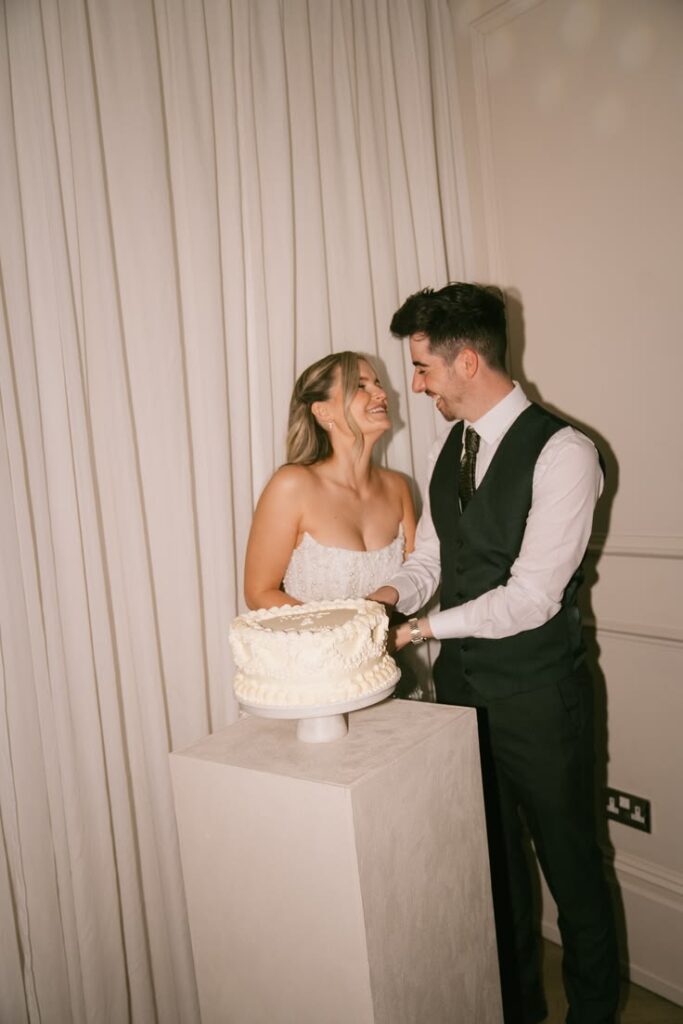
You do not always need one large wedding cake to serve everyone. Some couples choose a smaller decorated cake for photographs and the cake-cutting moment, then provide extra portions from a separate cake kept out of sight.
This option can be useful if you want an elaborate design but do not want to pay for every serving to come from a highly decorated cake. The display cake can still be the centrepiece of your reception, while the additional cake provides enough portions for guests.
Ask your baker whether a separate cutting cake would save money. The answer depends on the design, the number of servings, and the bakery’s pricing. A simple extra cake may cost less than adding several decorated tiers, but that is not guaranteed.
You should also confirm how the extra cake will be stored and served. Your catering team needs to know when to bring it out and how to make sure the portions are ready at the right time.
Keep your wedding plans organised by writing down the display cake size, the extra servings, the delivery arrangements, and the person responsible for coordinating with the baker. If several suppliers are involved, Why Your Wedding Still Feels Disorganized (Even With a Planner) offers a useful reminder that clear communication matters just as much as having a plan.
10. Confirm the Final Size With Your Baker
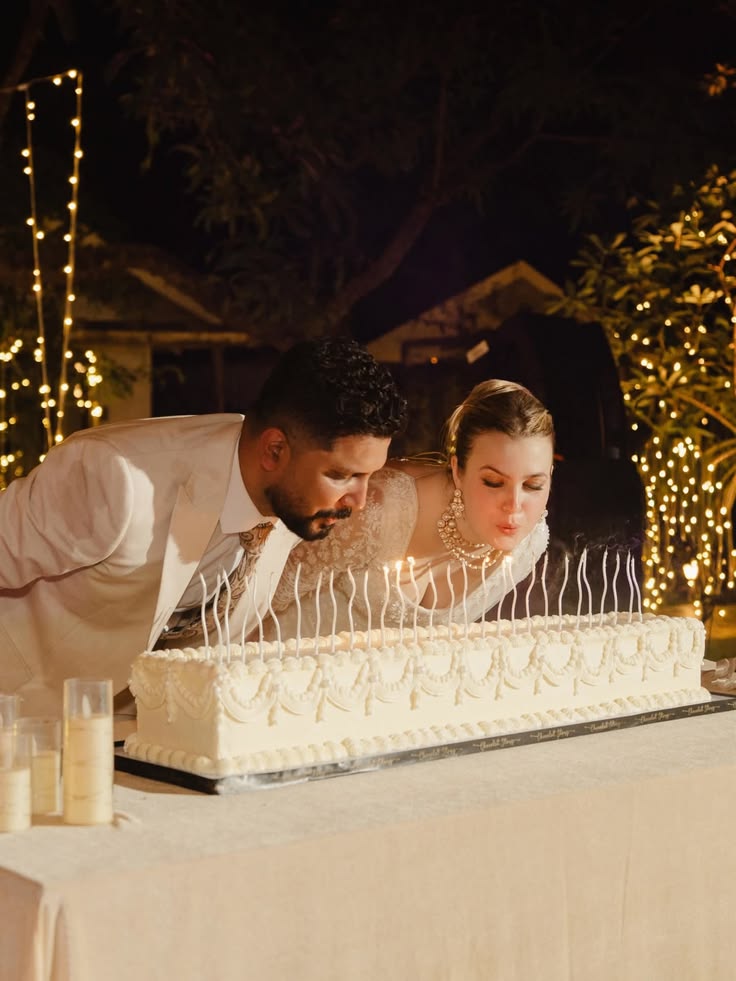
Before paying the final balance, make sure you and your baker agree on exactly what you are ordering. A picture of a beautiful cake is not enough to confirm that it will serve your guests.
Your order should state the expected number of servings, the number of tiers, the approximate dimensions, and the design details. It should also explain whether the price includes delivery, setup, cake stands, or other extras.
Ask your baker to confirm that the cake can be delivered and assembled safely at your venue. A large cake may need special support, extra setup time, or enough space for the baker to work. These details are easier to manage when you discuss them before the wedding day.
You should also confirm the delivery time and the venue contact who will receive the cake. If your reception schedule changes, let the baker know as soon as possible.
Good communication with your suppliers can prevent last-minute problems. If you are still booking wedding professionals, The One Wedding Vendor Most Couples Regret Hiring Too Late is a helpful reminder to secure important services early and confirm the details before the day arrives.
Finally, ask for the bakery’s cake-cutting recommendations. Your caterer or venue team should know the intended serving size so the cake can be portioned properly. This helps you make the most of the cake you paid for and reduces the chance of running short.
Frequently Asked Questions
What size wedding cake do I need for 100 guests?
The right size depends on your baker’s serving guide, the shape of the cake, and whether you are serving other desserts. Ask your baker to recommend a cake that provides at least 100 wedding-sized portions if every guest should receive a slice.
Is it better to order extra wedding cake?
A small buffer can be helpful if your final guest count is uncertain or you want to offer seconds. However, ordering far more cake than you need can waste money and food. Base your decision on your confirmed guest count and the rest of your dessert menu.
Does a square wedding cake serve more people than a round cake?
A square cake can sometimes provide more servings than a round cake of similar dimensions because it can be cut efficiently. However, the exact number depends on the cake’s measurements and the bakery’s cutting guide.
Can a small wedding cake serve a large wedding?
Yes. You can choose a smaller display cake and arrange for extra servings from a separate cutting cake. Ask your baker whether this option suits your design, guest count, and budget.
When should I confirm my wedding cake size?
Start discussing the size when you book your baker, then confirm the final serving count by the deadline the bakery provides. This gives the baker time to prepare the ingredients, design, and delivery arrangements.
Final Thoughts
The right wedding cake size is not necessarily the biggest one or the cake with the most tiers. It is the cake that suits your guest count, fits your budget, and gives you the look you want for your celebration.
Begin with a realistic estimate of how many people will attend. Then consider your dessert menu, ask your baker for a serving guide, and check the final numbers before confirming your order.
If you love a design that cannot provide enough portions, ask about adding a separate cutting cake instead of immediately choosing a larger display cake. You may find a practical solution that still gives you the wedding cake you imagined.
Most importantly, confirm the details with your baker rather than relying on appearance alone. When you know how many servings your cake will provide, you can plan with greater confidence and enjoy your wedding day without worrying about whether there will be enough cake for everyone.