
How to Choose a Wedding Photographer
Disclosure: Some of the links in this post are affiliate links. This means if you click on the link and purchase an item, I will receive an affiliate commission at no extra cost to you.
Your wedding day will pass quickly, even when you spend months planning every detail. Between getting ready, exchanging vows, greeting guests, and celebrating with your partner, there will be many moments you wish you could experience again.
That is why choosing the right wedding photographer matters. The photographs will help you remember not only how your wedding looked but also how it felt.
Finding a photographer can be exciting until you start comparing portfolios, packages, prices, and photography styles. One photographer may specialize in natural, candid moments, while another creates carefully posed portraits. You may love one person’s editing style but find their package outside your budget. With so many options, it helps to know what to look for before making a decision.
Just as you considered the design and practical details of your cake in Single-Tier vs Multi-Tier Wedding Cakes, choosing a wedding photographer means balancing your personal taste with your budget and the needs of your celebration. The goal is to find someone whose work you love and who can capture your day in a way that feels natural to you.
1. Decide What You Want Your Wedding Photos to Look Like
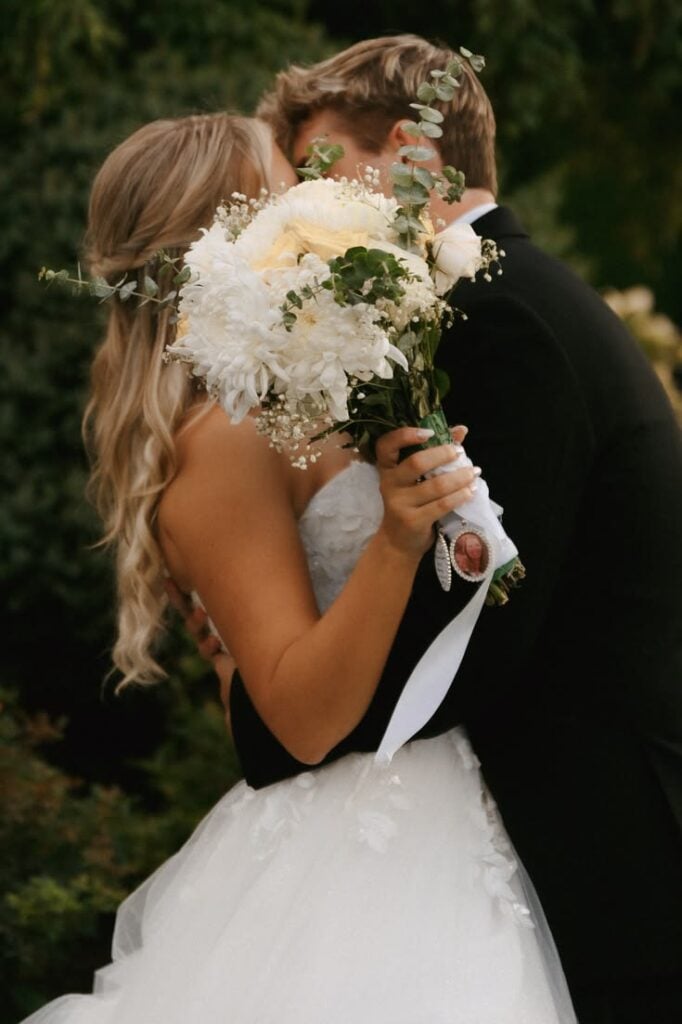
Before contacting photographers, spend some time thinking about the kind of wedding photographs you want. This will make it easier to narrow down your choices and explain your preferences when you speak with potential photographers.
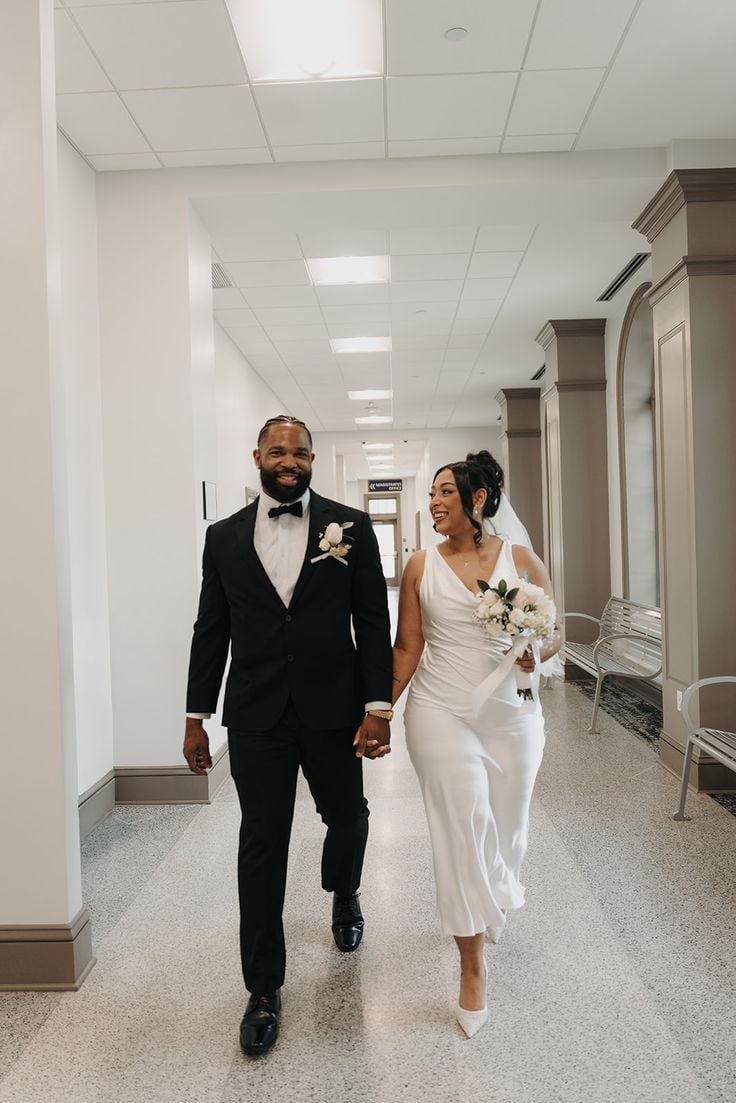
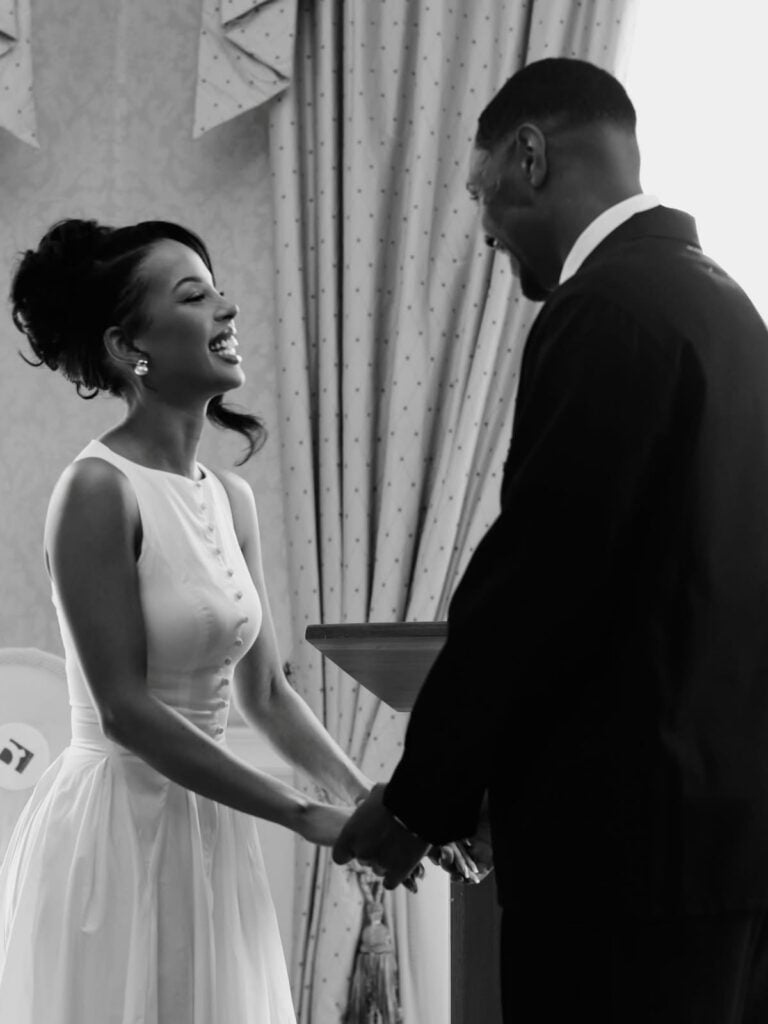
Some couples love documentary photography, which focuses on natural moments as they happen. Instead of stopping the celebration for constant posing, the photographer captures genuine reactions, laughter, emotional exchanges, and the little details that might otherwise go unnoticed.
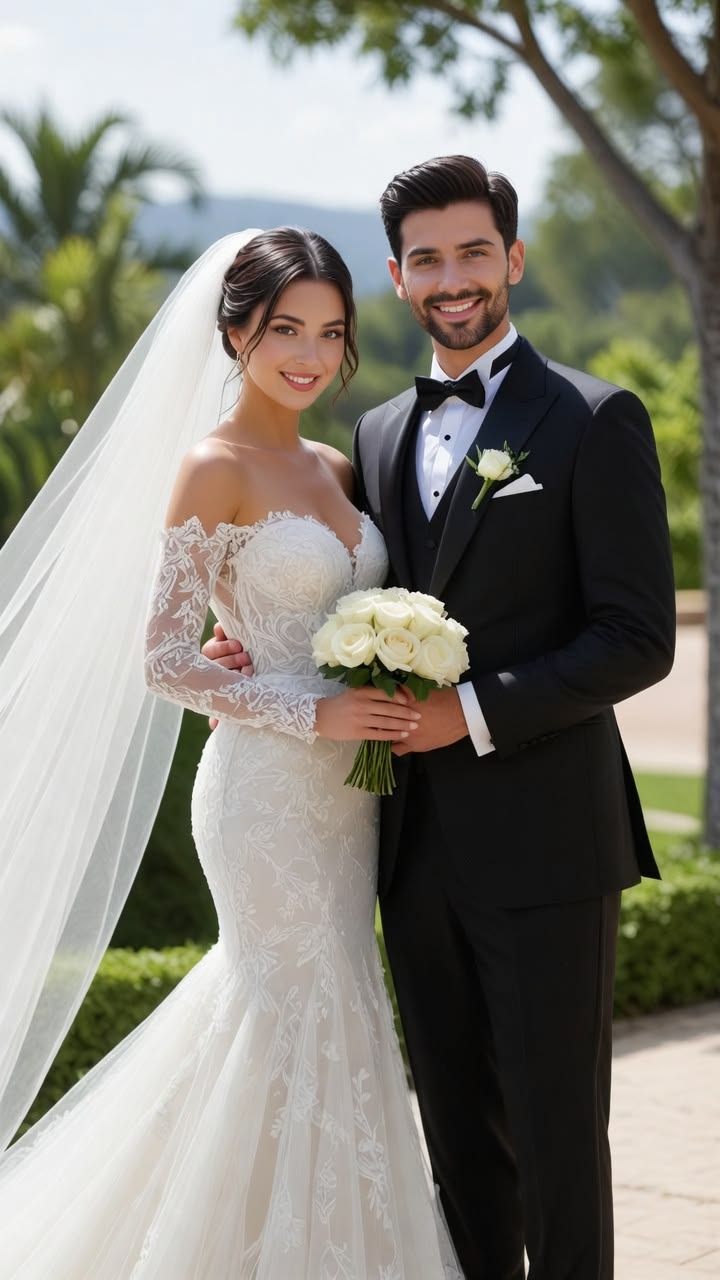
Other couples prefer a traditional style with organized group photographs and carefully arranged portraits. This can be a good choice if you want clear pictures with family members, friends, and your wedding party.
Many photographers combine this approach with candid photography, giving you a mixture of natural moments and formal portraits.
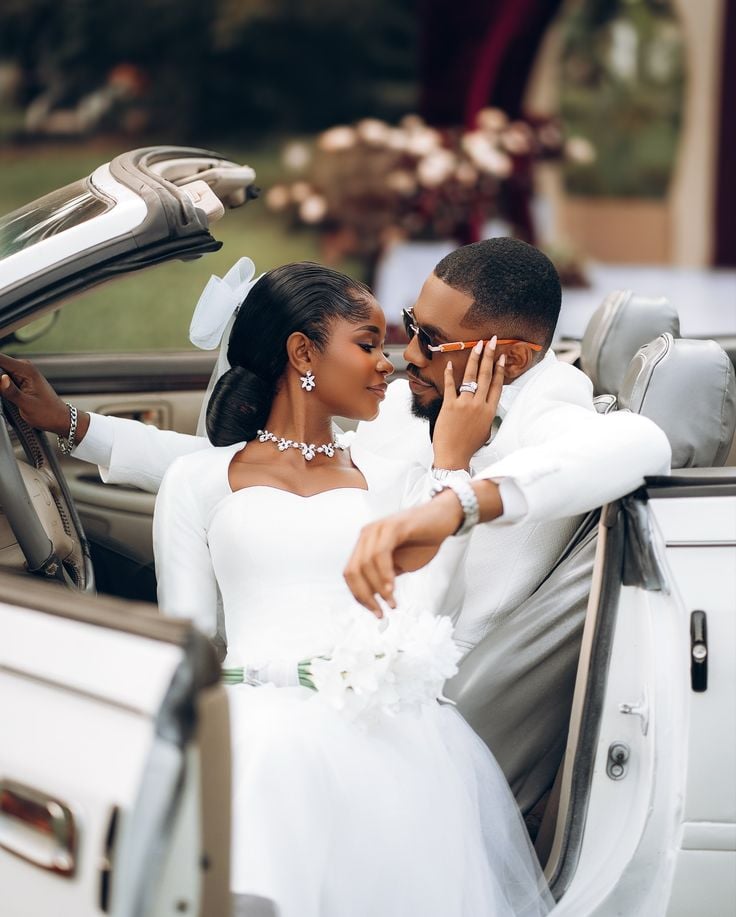
Fine art wedding photography often emphasizes composition, lighting, and a polished appearance. Editorial photography may feel more like a fashion magazine, with carefully styled poses and dramatic images. Neither style is automatically better than another. What matters is whether it matches your personality and the atmosphere you want to remember.
Look through complete wedding galleries rather than relying only on a photographer’s social media highlights. A few beautiful pictures can be impressive, but a full gallery shows whether the photographer can capture an entire wedding consistently.
Save examples of photographs you love, such as natural couple portraits, emotional ceremony moments, or lively reception pictures. These references can help you explain your preferences without expecting your photographer to copy another person’s work exactly.
You will love this: Wedding Cake Flavors Guests Actually Love.
2. Set a Realistic Wedding Photography Budget
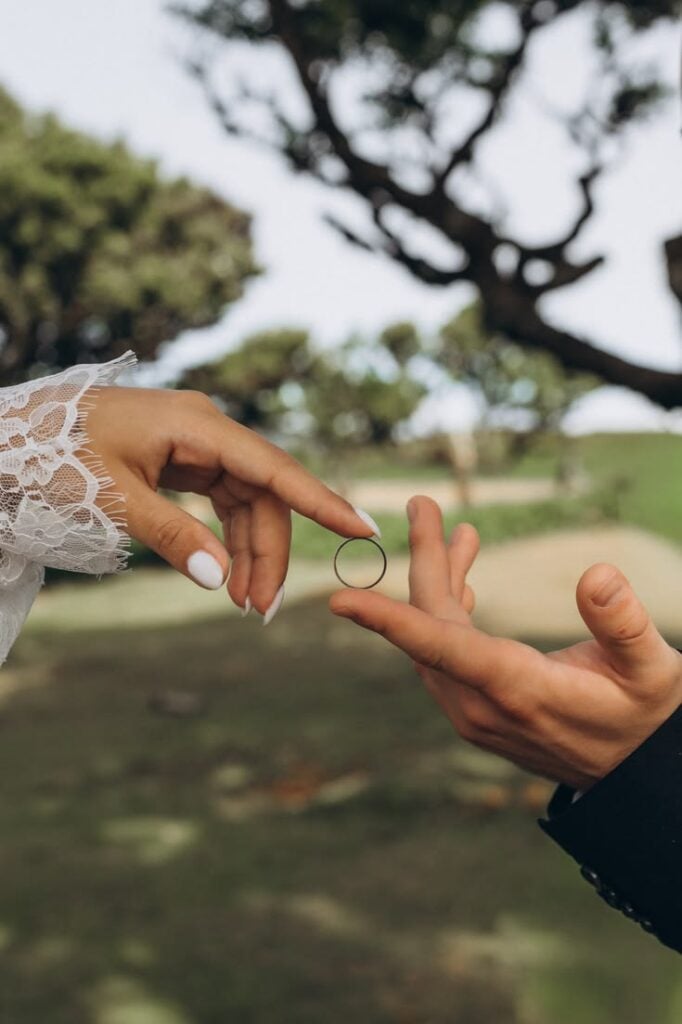
Wedding photography is an important expense because the photographs will remain long after the flowers have faded and the reception decorations have been taken down. However, that does not mean you need to spend more than you can comfortably afford.
Start by deciding how much of your wedding budget you can dedicate to photography. Consider the number of hours you need, the photographer’s experience, the size of your wedding, and whether you want additional services such as a second photographer, an engagement session, or a wedding album.
Prices can vary widely depending on the photographer’s location, demand, experience, and package. A photographer who covers a short ceremony may charge differently from someone who documents preparations, the ceremony, formal portraits, and the reception.
When comparing prices, look beyond the headline figure. One package might include eight hours of coverage, an online gallery, and edited images, while another may offer fewer hours or charge extra for the album. Make sure you understand what each package includes before deciding which one offers better value.
It is also wise to leave some room in your budget for unexpected expenses. Wedding costs can rise when several small additions are made without careful planning. The Hidden Reason Weddings Go Over Budget is worth reading if you want to understand how these decisions can affect your overall spending.
Remember that the cheapest photographer is not necessarily the worst choice, just as the most expensive photographer is not automatically the best. Compare the quality of the work, the services provided, and how comfortable you feel with the person behind the camera.
3. Review Full Wedding Photography Galleries
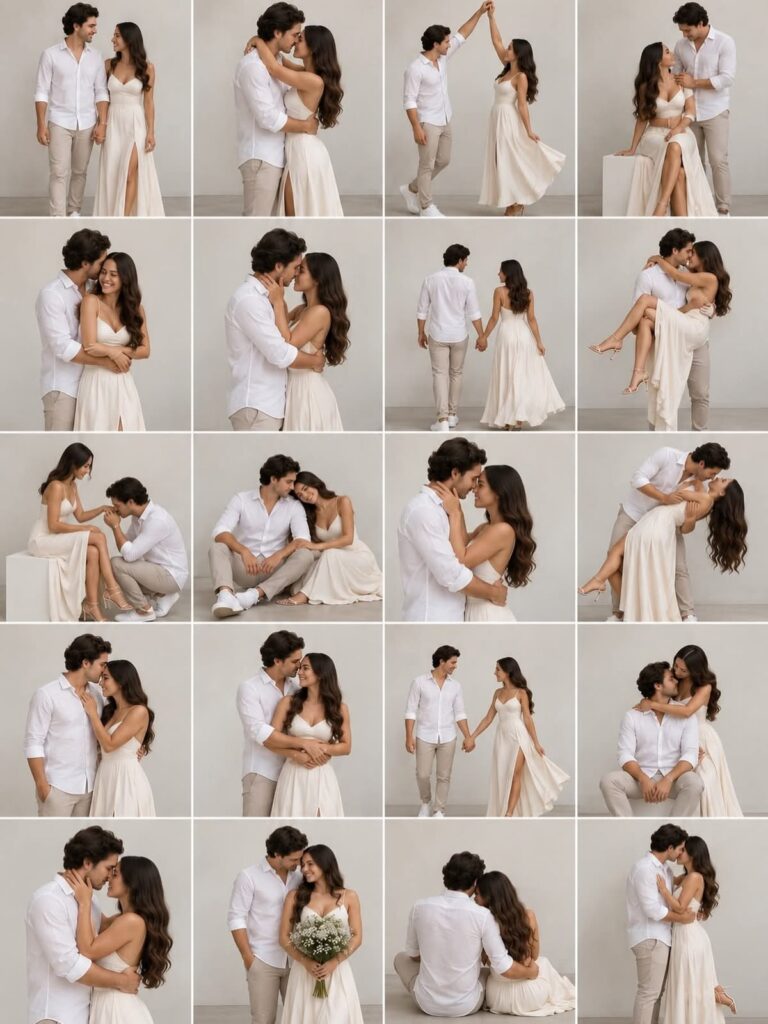
A photographer’s portfolio is one of the most useful tools for deciding whether they are right for you. However, it is important to look beyond the handful of photographs they feature on their website or social media pages.
Ask to see one or two complete wedding galleries. This allows you to understand how the photographer handles different parts of the day, including preparation, the ceremony, group portraits, couple photographs, and the reception.
Pay attention to consistency. Are the photographs clear and well composed? Do the colors look natural? Are important moments captured from useful angles? Does the photographer manage both bright outdoor settings and darker indoor spaces?
You should also look at the people in the photographs. Do the couples appear relaxed, or do their poses look uncomfortable? Are guests captured naturally?
A good wedding gallery should tell the story of the celebration rather than show only a collection of individual portraits.
Lighting is another detail to consider. Wedding days can involve bright sunlight, cloudy weather, dim reception halls, and changing light throughout the evening. Reviewing a full gallery can help you see how the photographer handles these different conditions.
If you are drawn to a particular editing style, check whether it remains consistent throughout the gallery. Some photographers prefer bright, airy images, while others use darker tones or richer colors. Choose an approach you will still enjoy looking at years from now.
It can also help to discuss your wedding design with the photographer. If you have chosen a specific color palette, floral style, or reception setup, sharing those details can help them plan their shots. 20 Simple Bridal Bouquet Ideas That Feel Elegant may offer inspiration if you are still considering your floral details and want photographs that capture them beautifully.
4. Check the Photographer’s Experience With Your Type of Wedding
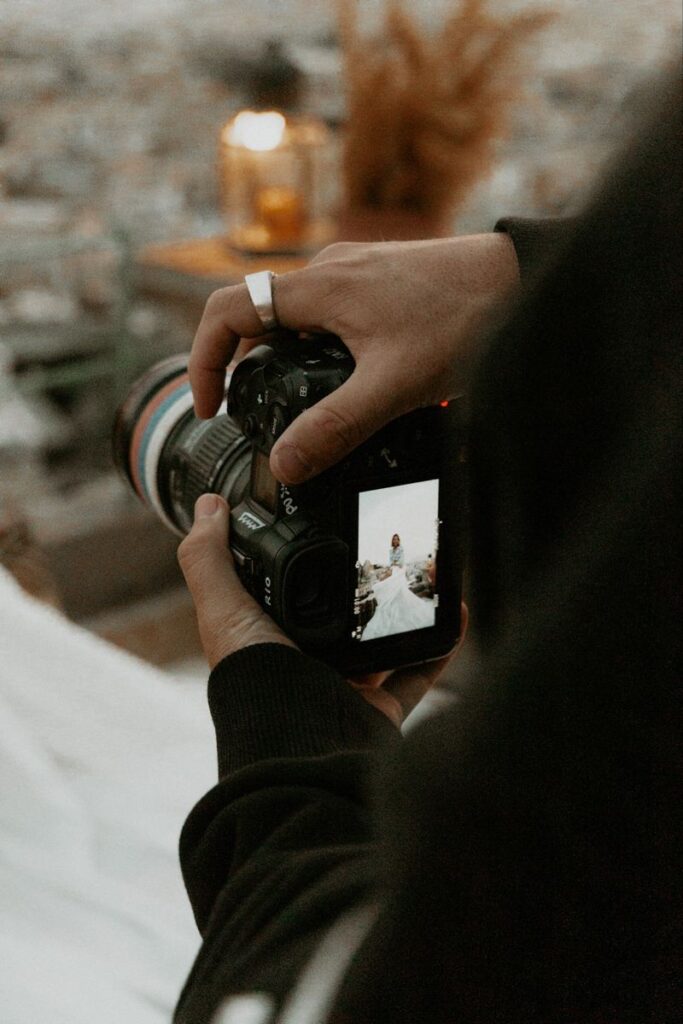
Every wedding is different, and experience with your particular type of celebration can make a difference. A photographer who regularly covers large traditional weddings may be comfortable organizing family portraits and working around a busy schedule.
Someone who specializes in small outdoor weddings may have a different approach.
Think about your venue, guest count, ceremony style, and reception plans. If your wedding will take place outdoors, ask whether the photographer has experience working in changing weather and natural light.
If your celebration will be held in a dimly lit ballroom, look for examples of indoor receptions with clear, well-exposed photographs.
You should also ask how the photographer handles unexpected changes. Wedding timelines can shift, ceremonies may run late, and weather conditions can change quickly. Someone who remains calm and adapts without making the couple feel stressed can be a valuable part of your wedding team.
Experience does not always mean a photographer must have worked at your exact venue. However, someone familiar with the location may already know useful portrait spots, lighting conditions, and possible challenges.
If they have never worked there before, ask whether they plan to visit the venue or research it before the wedding.
If your wedding includes several important events, explain the schedule when you request a quote. The photographer can then recommend suitable coverage and tell you whether an assistant or second photographer would be helpful.
Pin this post: Wedding Cake Sizes: How Much Cake Do You Really Need?
5. Meet the Photographer Before Booking
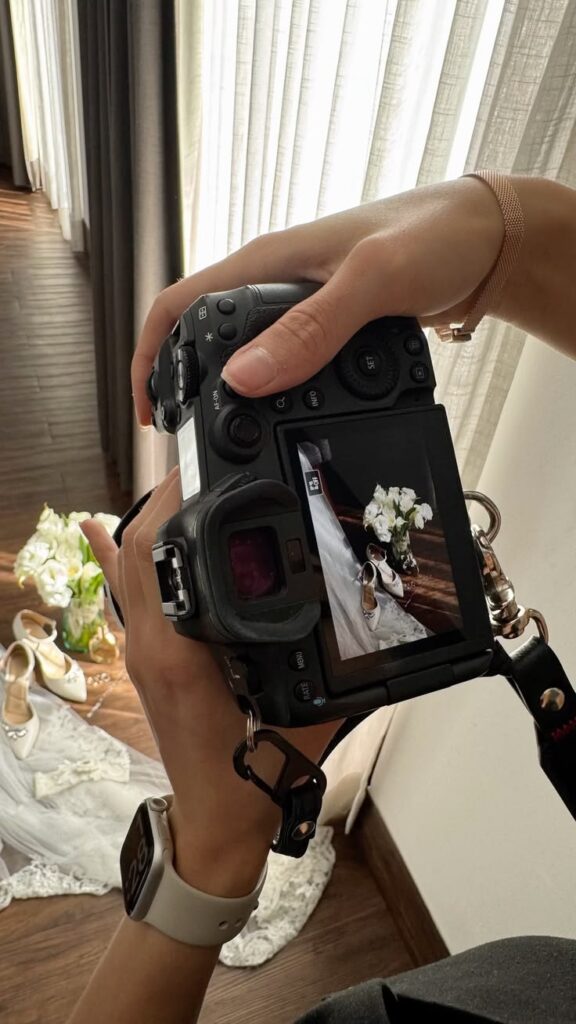
Your photographer may spend several hours with you on one of the most personal days of your life. You should feel comfortable around them, especially during couple portraits and emotional moments.
Arrange a phone call, video meeting, or in person conversation before making your final decision. Use this opportunity to discuss your expectations, ask questions, and see how well the photographer communicates.
Notice whether they listen to what you want. A good photographer should be willing to explain their approach, answer your questions clearly, and offer professional advice without dismissing your preferences. You should not feel pressured to choose a package or style that does not suit you.
Ask how they help couples who feel awkward in front of a camera. If you are not used to posing, you may appreciate someone who gives gentle direction while allowing natural moments to happen. You should also explain whether you prefer a lot of guidance or a more relaxed, documentary approach.
It is worth discussing how they interact with guests, too. Some photographers take a quiet approach, while others give clear instructions when organizing group portraits. Neither approach is wrong, but you should choose someone whose manner suits your celebration.
Finally, pay attention to how promptly and professionally they respond to your messages. Clear communication before the wedding is a useful sign of what working together may be like.
You want someone who makes you feel confident about the process, not someone who leaves you uncertain about important details.
Bookmark this post: 23 Elegant Wedding Invitation Designs
6. Ask What Is Included in the Photography Package
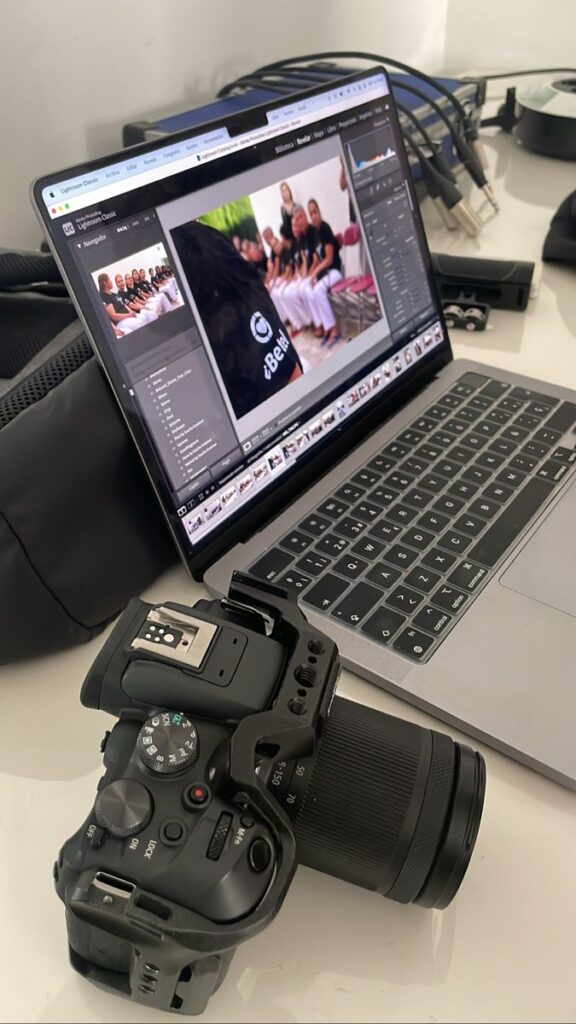
Before booking, make sure you understand exactly what the photographer will provide. Wedding photography packages can differ significantly, so it is important to compare the details rather than choosing based on price alone.
Start with the number of hours included. Find out whether coverage begins during preparation or at the ceremony, and ask when the photographer’s time ends. If you want photographs of the reception entrance, speeches, first dance, or evening celebrations, make sure those moments fall within the agreed coverage.
Ask how many edited photographs you can expect and how they will be delivered. Some photographers provide an online gallery, while others may offer a USB drive, printed photographs, or a wedding album.
Find out whether you can download and share your images and how long the gallery will remain available.
You should also ask whether travel, parking, accommodation, or additional coverage costs extra. If you want an engagement session or a second photographer, check whether those services are included or must be booked separately.
Do not forget to discuss the delivery timeline. Your photographer should explain approximately how long editing will take and when you can expect to receive the finished gallery. Wedding photographs require careful editing, so delivery may not be immediate.
Get the package details in writing before paying a deposit. This helps both sides understand what has been agreed and reduces the chance of confusion later.
Check this post: When Should You Send Wedding Invitations?
7. Read the Contract Before Paying a Deposit
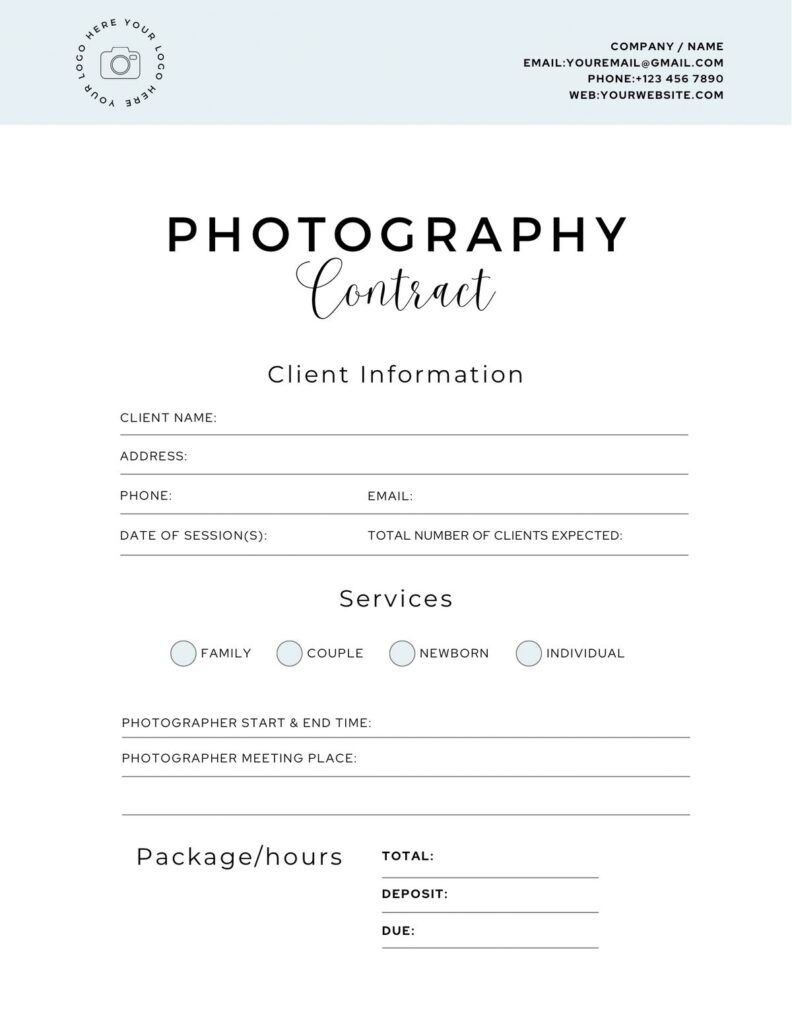
Once you have found a photographer whose work and personality you like, review the contract carefully before committing. A written agreement protects both you and the photographer by setting out the expectations for the wedding day.
The contract should include the wedding date, venue, coverage hours, package price, payment schedule, and any additional services. Check the cancellation and rescheduling terms, including what happens if you need to change your wedding date.
Ask what happens if the photographer becomes ill or experiences an emergency. Some professionals have a network of trusted photographers who may be able to step in if necessary. Make sure you understand how this situation would be handled.
You should also review the terms for receiving and using your photographs. Find out whether you receive printing rights, whether the photographer may share images publicly, and how your privacy preferences will be respected.
If an album or printed photographs are included, confirm the number of pages or prints, the design process, and any additional charges. Do not assume that every product shown in a photographer’s portfolio is part of the package.
Take your time reading the agreement, and ask questions about anything you do not understand. A professional should be willing to explain the terms before you sign.
15 Wedding Planning Mistakes That Can Cost You Thousands is another useful read if you want to avoid rushing into important bookings without checking the details. A little care at this stage can help you protect your budget and feel more confident about your choice.
8. Ask About Backup Equipment and Emergency Plans
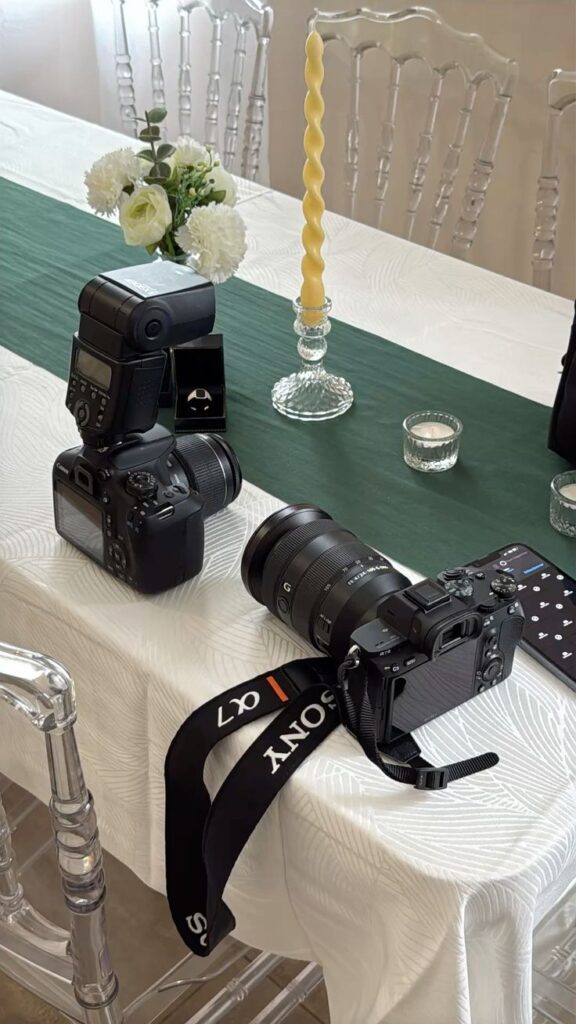
Your wedding day cannot easily be repeated, so it is important to choose a photographer who is prepared for unexpected problems.
Cameras, memory cards, batteries, and other equipment can fail, even when someone is experienced. A professional photographer should have a plan for handling these situations.
Ask whether the photographer brings backup camera equipment and extra batteries and memory cards. Having spare equipment can help them continue working if something stops functioning during the day.
You should also ask how they protect your photographs after capturing them. Some photographers create backup copies of their files during the wedding or shortly afterward. This can reduce the risk of losing images if a memory card or storage device fails.
Another important question is what happens if the photographer becomes ill or cannot attend your wedding. They may have trusted colleagues who can step in if an emergency occurs. Ask how a replacement would be arranged and whether the person would have a similar level of experience.
You do not need to expect something to go wrong, but understanding the photographer’s backup plans can give you peace of mind. You are investing in photographs that will preserve important memories, so it is reasonable to ask how those memories will be protected.
You will love this post: The Most Popular Wedding Flowers by Season
9. Discuss Your Wedding Day Timeline

A photography timeline helps your photographer understand when and where important moments will happen. Without a clear plan, you may find that there is not enough time for the photographs you wanted, especially if the ceremony or reception runs late.
Start by sharing your wedding schedule with the photographer. Include preparation, the ceremony, family portraits, couple portraits, the reception entrance, speeches, and any special traditions you want captured.
Ask the photographer how much time they recommend for each part. They may suggest taking couple portraits before the reception or arranging family photographs immediately after the ceremony. Their experience can help you avoid rushing through these moments.
It is also helpful to identify the photographs that matter most to you. Perhaps you want pictures with grandparents, a first look with your partner, or photographs of a special detail that has personal meaning. Sharing these priorities in advance helps your photographer plan accordingly.
Make sure your schedule allows time for travel between locations if you are getting ready, holding the ceremony, and celebrating the reception in different places. Even a short journey can take longer than expected when traffic or parking becomes an issue.
If you are coordinating several wedding suppliers, make sure everyone has the same schedule. Why Your Wedding Still Feels Disorganized (Even With a Planner) offers a useful reminder that a wedding can become stressful when important details and responsibilities are not communicated clearly.
10. Consider Whether You Need a Second Photographer
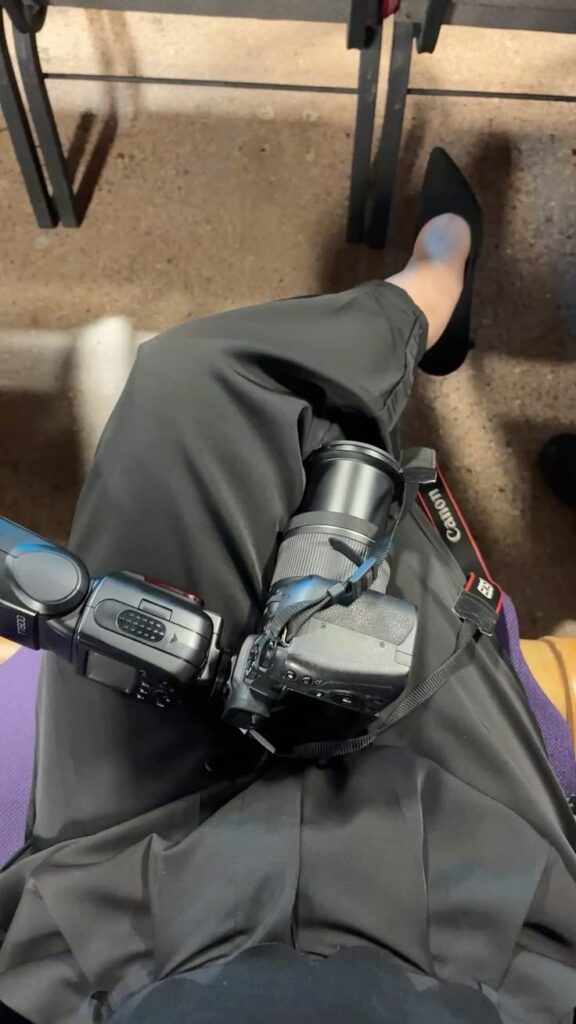
Some weddings benefit from having two photographers instead of one. A second photographer can capture moments happening at the same time, provide different angles, and help document a larger celebration.
For example, while the main photographer takes pictures of the bride and groom, a second photographer might capture guests arriving or the reactions of family members. During preparation, two photographers may also be able to document both partners getting ready in separate locations.
A second photographer can be particularly useful for large weddings, celebrations with multiple locations, or events with a busy schedule. It can also help if you want a wide range of candid photographs alongside formal portraits.
However, hiring a second photographer is not necessary for every wedding. If you are having a small ceremony with a limited guest list, one experienced photographer may be enough to capture the moments that matter.
Ask your photographer whether a second person is available and how much the service costs. Find out whether the additional photographer is included in the package or charged separately.
Before making your decision, think about the size and complexity of your celebration rather than assuming that more photographers will always produce better results. The right arrangement is the one that provides the coverage you need without stretching your budget unnecessarily.
Keep this handy: 30 Beautiful Bridesmaid Bouquet Ideas
11. Plan for Family Portraits and Special Moments
Family portraits are often among the most meaningful photographs from a wedding. They give you a chance to preserve memories with relatives and friends who may not all be together again for a long time.
Before the wedding, make a list of the group photographs you want. This might include pictures with parents, siblings, grandparents, close friends, and the wedding party. Keep the list focused so the photography session does not take up too much of your celebration.
Choose someone who knows your family to help gather people for group pictures. Your photographer may not recognize everyone, and having a designated helper can save time and reduce confusion.
You should also tell your photographer about important relationships or sensitive family circumstances. For example, if certain relatives should not be placed together in a photograph, explaining this privately beforehand can help avoid awkward moments on the day.
Beyond the formal pictures, think about the small moments you want remembered. These might include a parent seeing you in your wedding outfit, a close friend helping you prepare, or guests laughing during the reception. Let your photographer know which moments are especially important, while allowing them room to capture unexpected memories naturally.
If flowers are an important part of your wedding design, remember to include photographs of your bouquet and other floral details. 15 Luxury Wedding Bouquet Ideas to Fall in Love With can offer inspiration if you are still deciding on a statement bouquet or want to explore different floral styles.
12. Confirm the Final Details Before the Wedding
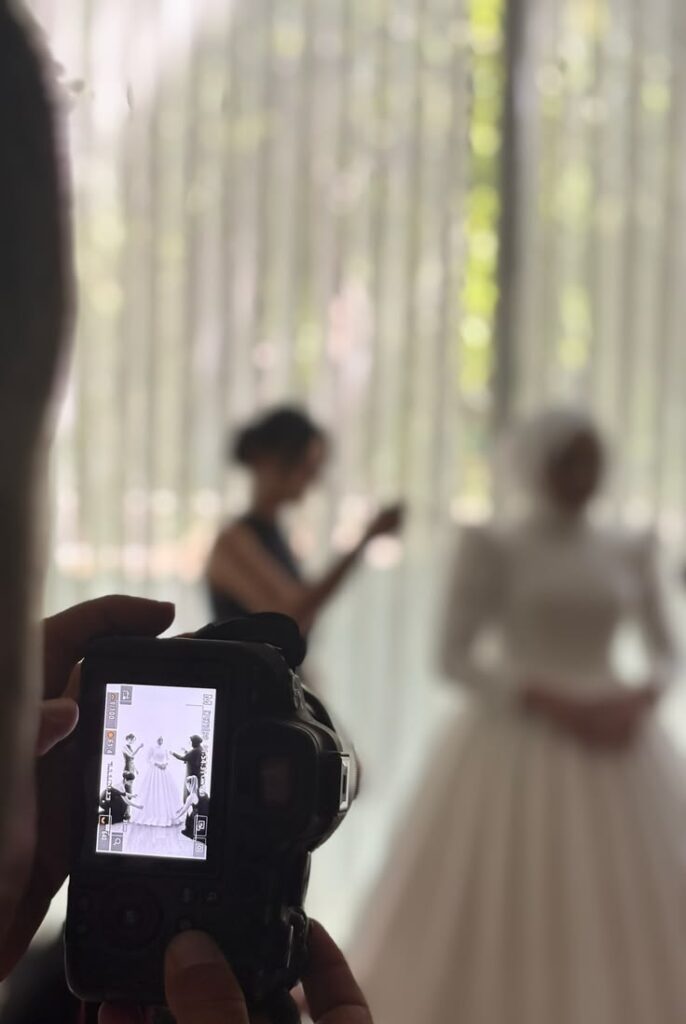
Once you have booked your photographer, keep the communication going as your wedding day approaches. Confirming the details early can help both of you feel prepared and reduce the chance of misunderstandings.
A few weeks before the wedding, check the date, venue addresses, arrival time, coverage hours, and contact details. Share any changes to the schedule and confirm the locations where you want photographs taken.
It is also a good time to review the final shot list and discuss any special requests. You do not need to plan every photograph, but your photographer should know about important people, meaningful traditions, and moments you do not want to miss.
Ask whether there are restrictions at the ceremony or reception venue. Some locations limit flash photography, restrict movement during the ceremony, or require permission for certain photographs. Knowing these rules ahead of time allows your photographer to plan around them.
Make sure the payment schedule is clear and that you know when the final balance is due. Keep a copy of your contract and any important messages in one place so you can refer to them if necessary.
If you are still booking other wedding suppliers, remember that availability can become limited during popular wedding seasons. The One Wedding Vendor Most Couples Regret Hiring Too Late is a helpful reminder to book important professionals early and confirm arrangements before the final weeks of planning.
Frequently Asked Questions
How far in advance should I book a wedding photographer?
It is sensible to begin researching photographers as soon as your wedding date and venue are confirmed. Popular photographers may book dates well in advance, especially during busy wedding seasons. Contact your preferred photographers early to check their availability.
How much should I spend on a wedding photographer?
The amount depends on your overall budget, the photographer’s experience, your location, and the coverage you need. Compare packages carefully and choose one that fits your priorities without putting unnecessary pressure on your finances.
Should I choose a photographer based on price or style?
Both matter, but the style should be one of your main considerations because the photographs are what you will keep. Look for someone whose work you genuinely love, then check whether their package and services fit your budget.
How many hours of wedding photography do I need?
The right amount depends on your schedule. Some couples need coverage only for the ceremony and portraits, while others want photographs from preparation through the reception. Discuss your timeline with the photographer to determine how many hours will cover your most important moments.
Do I need an engagement photo session?
An engagement session is optional, but it can help you become comfortable in front of the camera before the wedding. It also gives you an opportunity to understand how your photographer works and whether their direction suits you.
When will I receive my wedding photographs?
Delivery times vary between photographers and packages. Ask for an estimated timeline before booking and confirm it in your contract. Editing can take time, particularly during busy wedding seasons, so avoid assuming that the full gallery will be ready immediately.
Final Thoughts
Choosing a wedding photographer is about more than finding someone who takes beautiful pictures. You want a professional whose style matches your preferences, whose communication makes you feel comfortable, and whose services fit your budget.
Start by reviewing complete galleries and comparing photography styles. Then discuss pricing, coverage hours, backup plans, and the contract before making your final decision. These steps can help you understand what you are paying for and what to expect on your wedding day.
Once you have booked your photographer, share your schedule and the moments that matter most to you. Keep your communication clear, but also allow your photographer the freedom to capture genuine reactions and unexpected memories.
Most importantly, choose someone you trust. Your wedding day will move quickly, but thoughtful photography will help you revisit the laughter, emotions, and meaningful moments long after the celebration has ended.