
Everything You Need to Do During Your First Month of Wedding Planning
Disclosure: Some of the links in this post are affiliate links. This means if you click on the link and purchase an item, I will receive an affiliate commission at no extra cost to you.
Everything You Need to Do During Your First Month of Wedding Planning can feel like a lot at first, especially after the excitement of getting engaged begins to settle.
One moment you are celebrating with family and friends, and the next you are thinking about budgets, venues, guest lists, and countless decisions that need your attention.
The good news is that you do not have to figure everything out in a single week. The first month of wedding planning is all about building a strong foundation for the months ahead.
By focusing on the right priorities now, you can avoid unnecessary stress, stay organized, and enjoy every step leading up to your wedding day.
This guide walks you through the most important tasks to complete during your first month of planning, helping you begin your journey with confidence and clarity.
Why Everything You Need to Do During Your First Month of Wedding Planning Matters
The first month is more important than many couples realize. It sets the direction for every decision that follows.
Instead of rushing into bookings or making purchases on impulse, use this time to create a clear plan that supports your vision and your budget.
Starting with the right mindset also helps you enjoy your engagement instead of feeling buried under an endless list of tasks.
Think of the First Month as Your Foundation

Every successful wedding begins with careful planning.
The choices you make during these first few weeks will influence your budget, timeline, vendor selection, and overall experience. Taking your time now can save you from unnecessary challenges later.
Do Not Feel Pressured to Do Everything Immediately
It is completely normal to feel excited after getting engaged, but that excitement can sometimes lead couples to make rushed decisions.
Remember that you have time. The first month is about planning wisely, not planning quickly.
If you are completely new to wedding planning, our How to Plan a Wedding Step by Step for Beginners guide is an excellent place to start. It explains the entire planning process in a simple way and helps you understand what comes first before moving on to later stages.
Take Time to Celebrate Your Engagement
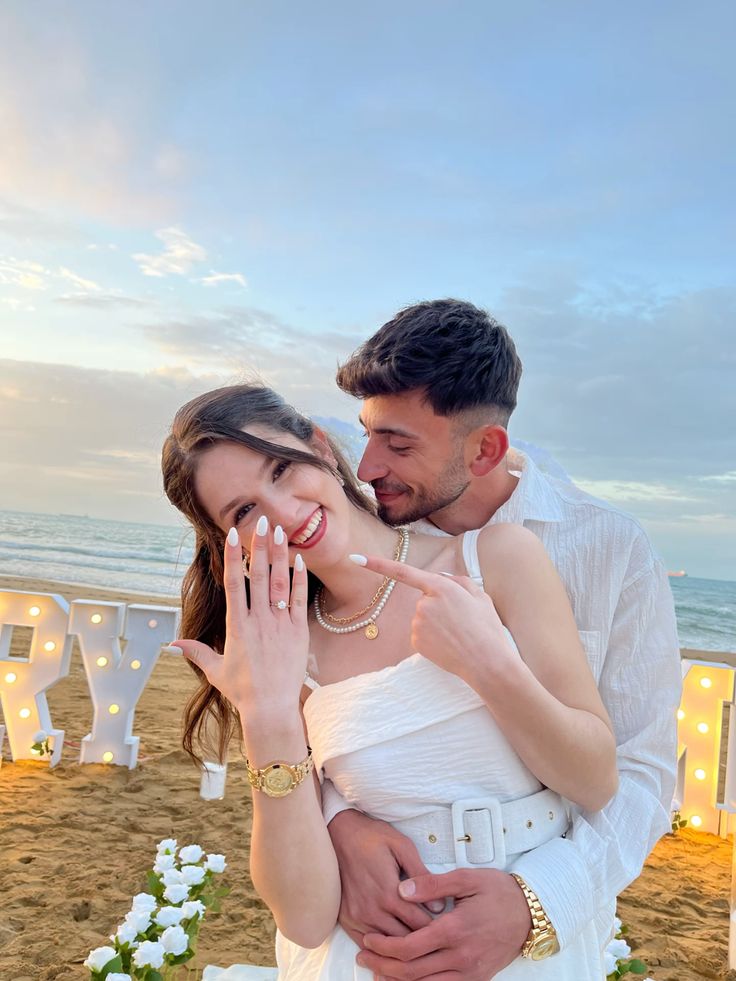
Before opening spreadsheets or scheduling venue tours, pause and enjoy this exciting chapter.
Many couples become so focused on planning that they forget to celebrate the reason behind it all.
Share the News
Tell your family and close friends in the way that feels most meaningful to you.
Some couples enjoy intimate gatherings, while others prefer announcing the engagement on social media after informing their loved ones personally.
There is no right or wrong approach.
Enjoy the Moment Together

Spend quality time with your partner before wedding planning becomes your main focus.
Go out for dinner, take a short trip, or simply enjoy a quiet evening together.
These memories are just as valuable as the wedding day itself.
Talk About Your Future
Your engagement is also the perfect opportunity to discuss your future beyond the wedding.
Conversations about marriage, finances, career goals, and family plans strengthen your relationship and remind you that your wedding is the beginning of something much bigger.
Discuss Your Wedding Vision Together

Before contacting vendors or browsing endless inspiration photos, spend time discussing what you both want your wedding to look and feel like.
This conversation prevents misunderstandings later and helps every decision become easier.
Imagine the Atmosphere
Close your eyes and picture your wedding day.
Do you see an elegant ballroom filled with hundreds of guests?
Do you picture a peaceful garden ceremony surrounded by close family?
Perhaps you dream of a destination wedding by the ocean.
There are no wrong answers. The goal is creating a celebration that reflects both of your personalities.
Talk About Your Priorities

Every couple values different parts of the wedding. One person may care deeply about photography.
The other may place greater importance on the food, music, or guest experience. Discuss these priorities openly.
Knowing what matters most allows you to spend your budget wisely.
Be Honest About Expectations
Families often have traditions, opinions, and expectations.
Talking openly about these topics early helps you prepare for future conversations with confidence and respect.
Set a Wedding Budget Before Spending Money
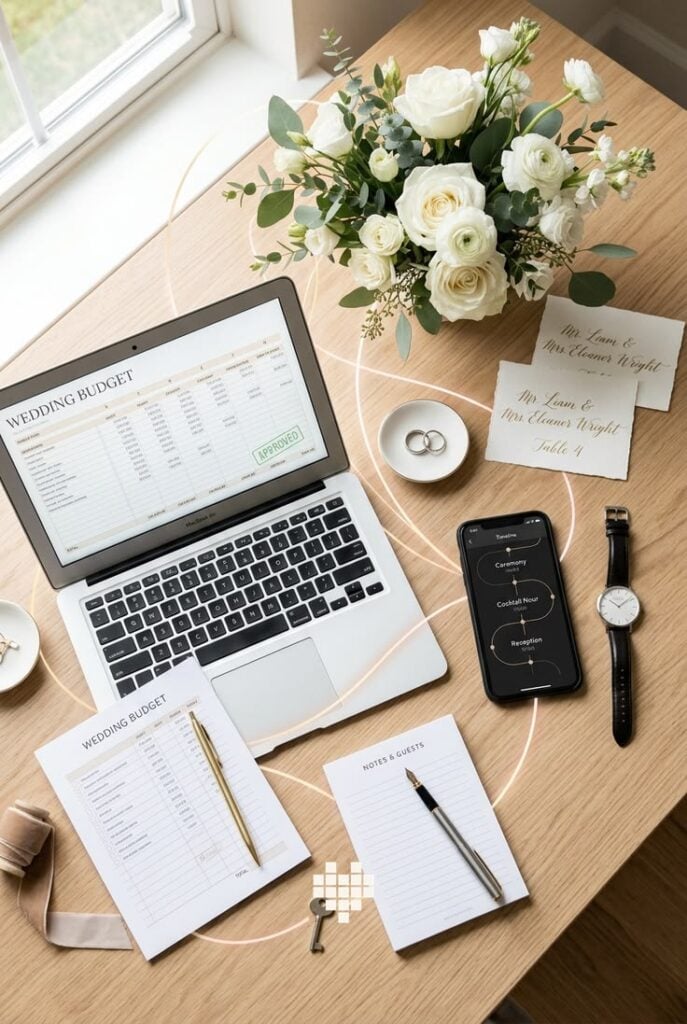
One of the biggest mistakes couples make is booking vendors before deciding how much they can comfortably spend.
Your budget should guide your decisions instead of limiting them.
Decide How Much You Can Afford
Look at your finances honestly.
If family members plan to contribute, discuss their contributions early so everyone understands the expectations.
Having a realistic figure makes planning much easier.
Divide Your Budget Into Categories
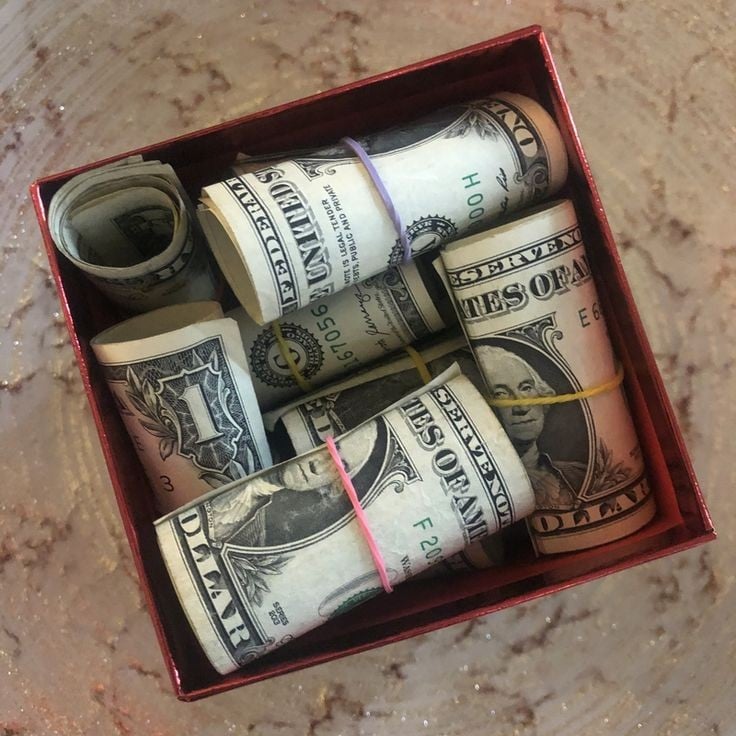
Instead of treating your budget as one large number, divide it into smaller sections.
Think about your venue, catering, photography, attire, flowers, entertainment, transportation, stationery, decorations, wedding cake, and honeymoon.
Seeing your spending categories clearly makes it easier to manage your finances throughout the planning process.
Leave Room for Unexpected Costs
Almost every wedding includes expenses that were not part of the original plan.
Extra decorations, last minute alterations, vendor tips, or additional guests can increase your budget.
Setting aside a small emergency fund gives you peace of mind if surprises appear.
Create a Simple Wedding Planning System
Organization during the first month will save you countless hours later.
Instead of keeping information in different places, choose one system that works for you.
Choose Digital or Paper

Some couples enjoy using digital planning tools. Others prefer notebooks, folders, or printed planners.
Choose the method that helps you stay consistent. The best planning system is the one you will actually use.
Keep Important Information Together
Store contracts, vendor contacts, payment dates, inspiration photos, and planning notes in one place.
Having everything organized means you can quickly find important information whenever you need it.
Start a Wedding Folder
Create a dedicated folder for quotes, receipts, invoices, and ideas.
As your planning continues, this folder will become one of your most valuable resources.
Begin Building Your Guest List
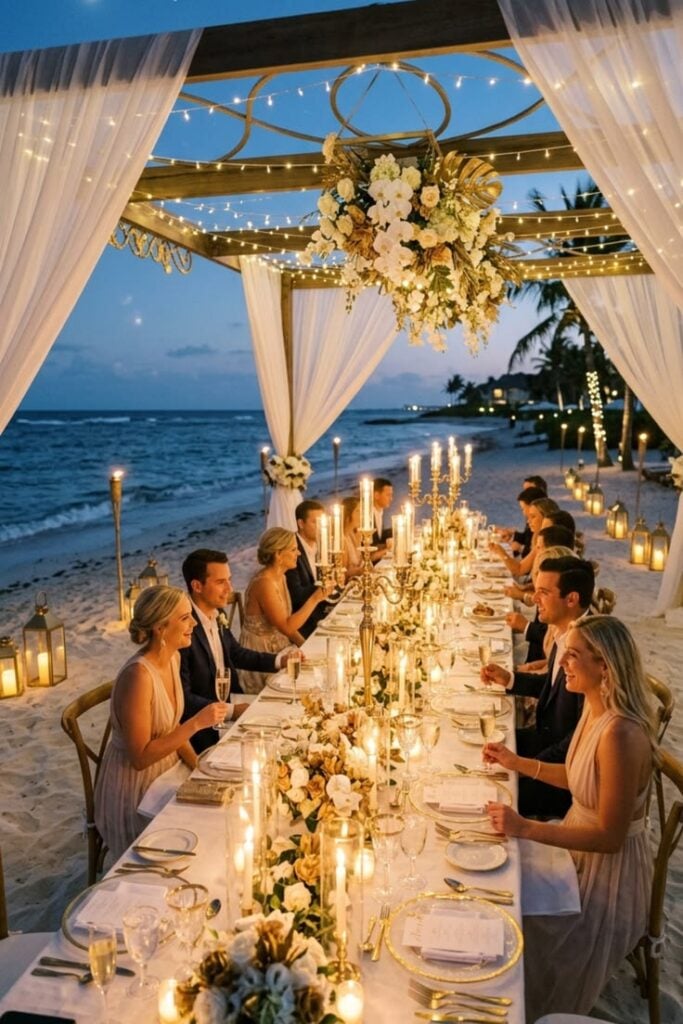
You do not need a final guest list during the first month, but creating a rough draft is important.
Your guest count affects almost every other planning decision.
Write Down Everyone You Want to Invite
Start by writing the names of everyone you would love to celebrate with. Do not worry about trimming the list yet.
Simply capture every name that comes to mind.
Separate Must Invite Guests From Optional Guests
After creating your first draft, identify the guests who are absolutely essential.
This makes future adjustments much easier if your budget or venue capacity changes.
Estimate Your Numbers
Even an approximate guest count helps when researching venues and requesting vendor quotes.
Many venues base pricing and availability on the expected number of guests.
Start Researching Wedding Venues
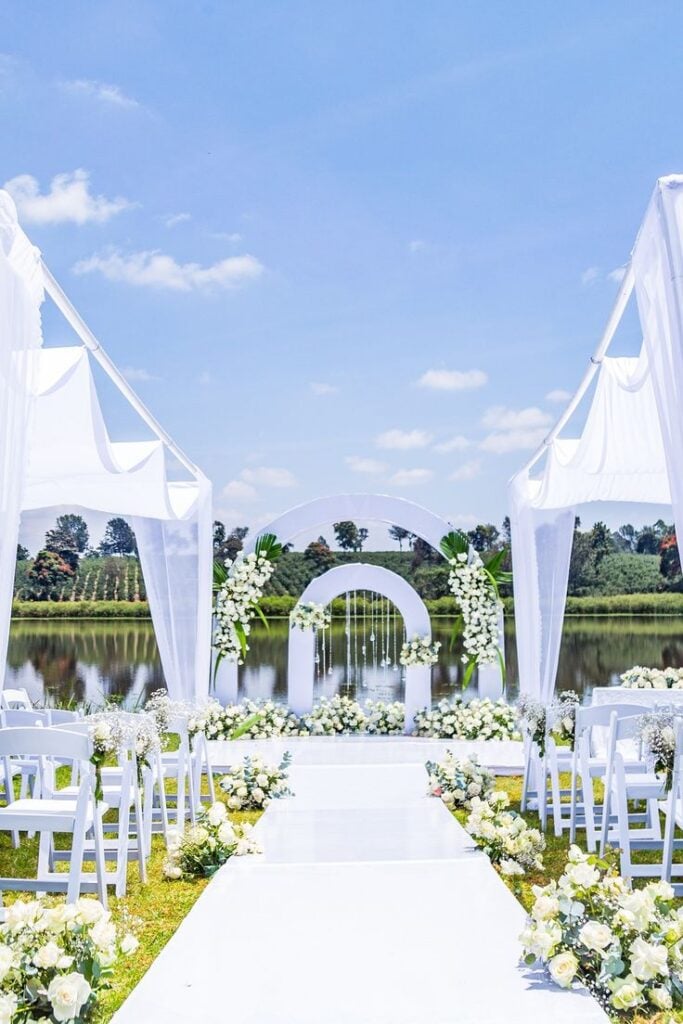
Your venue influences almost every other part of your wedding.
Taking time to research different options during your first month helps you make a confident decision later.
Think About Your Wedding Style
Choose venues that match the atmosphere you discussed with your partner.
An elegant hotel, rustic barn, botanical garden, vineyard, or beachfront location each creates a completely different experience.
Compare More Than Just Price
While cost is important, it should not be your only consideration.
Look at the venue’s location, guest capacity, available dates, included services, accessibility, and overall atmosphere.
A venue that includes tables, chairs, catering, or coordination services may offer better overall value than one with a lower rental fee.
Schedule Venue Tours

Photographs can only tell part of the story.
Visiting venues in person gives you a much better understanding of the space and helps you imagine your wedding day more clearly.
Choose Your Wedding Date
Selecting a wedding date is one of the biggest milestones during your first month of planning. Your chosen date affects venue availability, vendor schedules, guest attendance, and even your overall budget.
Instead of choosing a date simply because it sounds nice, think about the season, your work schedules, family commitments, and holidays that could affect travel.
Think About the Season
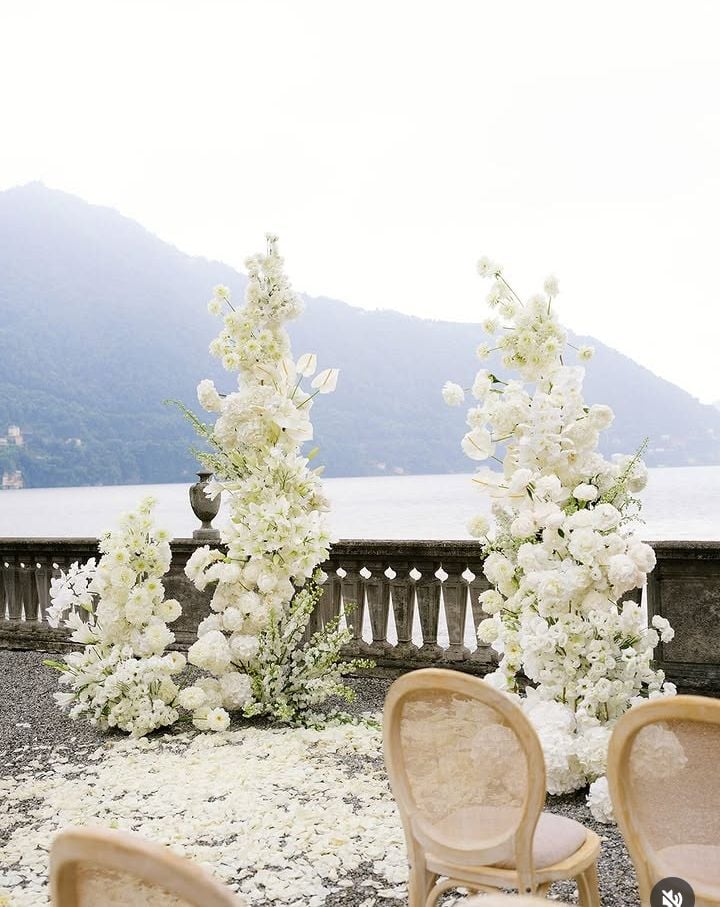
Every season has something special to offer.
Spring brings blooming flowers and pleasant temperatures. Summer offers long days and outdoor celebrations.
Autumn creates beautiful scenery with colorful leaves, while winter weddings often feel elegant and cozy.
Think about the atmosphere you want before settling on a season.
Be Flexible With Your Date
Many popular venues and vendors book up quickly, especially during peak wedding seasons.
Having two or three possible dates gives you more flexibility if your first choice is unavailable.
Consider Your Guests
If many of your guests will be traveling, avoid choosing dates that clash with major holidays or local events that could make accommodation more expensive.
Making travel easier helps your loved ones celebrate with you.
Create a Basic Wedding Planning Timeline
After choosing your preferred wedding season or date, create a simple timeline for the months ahead.
This does not need to include every tiny detail. Instead, think of it as your roadmap.
Break the Planning Into Small Stages

Trying to plan everything at once can quickly become exhausting. Instead, divide your planning into manageable stages.
Focus on one group of tasks each month instead of constantly thinking about everything that still needs to be done.
Set Monthly Goals
Rather than creating a long daily to do list, give yourself a few realistic goals each month.
For example, one month can focus on booking your venue, another on choosing vendors, and another on selecting your wedding attire.
Small victories keep your motivation high throughout the planning process.
Use a Month by Month Guide
If you are unsure about what should happen throughout the year, our The Perfect 12 Month Wedding Planning Timeline provides a practical month by month guide that helps you stay organized from your engagement until your wedding day.
Begin Researching Wedding Vendors
Your vendors will help bring your vision to life, so finding experienced professionals deserves plenty of attention.
The first month is the perfect time to begin your research, even if you are not ready to book immediately.
Identify Your Priority Vendors
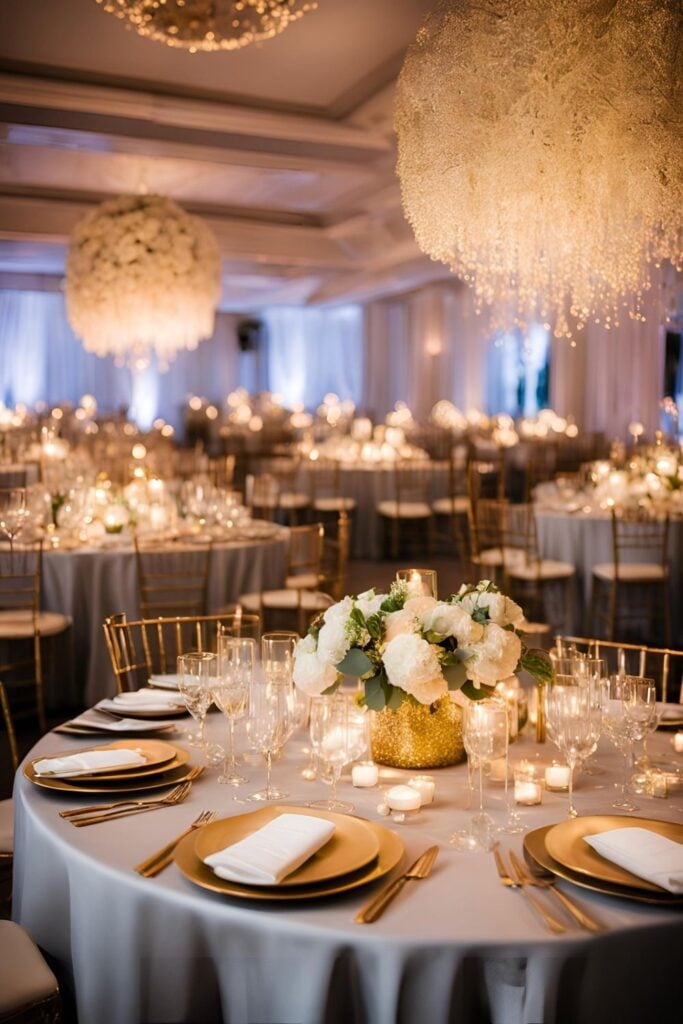
Some vendors should be booked earlier than others.
Venues, photographers, videographers, and caterers often receive reservations many months in advance.
Start researching these professionals first.
Read Reviews Carefully
Online reviews provide valuable insight into how vendors communicate, solve problems, and deliver their services.
Look for consistent positive feedback rather than focusing on a single review.
Ask Questions
Before making any commitments, prepare a list of questions.
Ask about pricing, availability, payment schedules, cancellation policies, and exactly what services are included.
The more information you gather now, the easier your decision will be later.
Start Collecting Wedding Inspiration
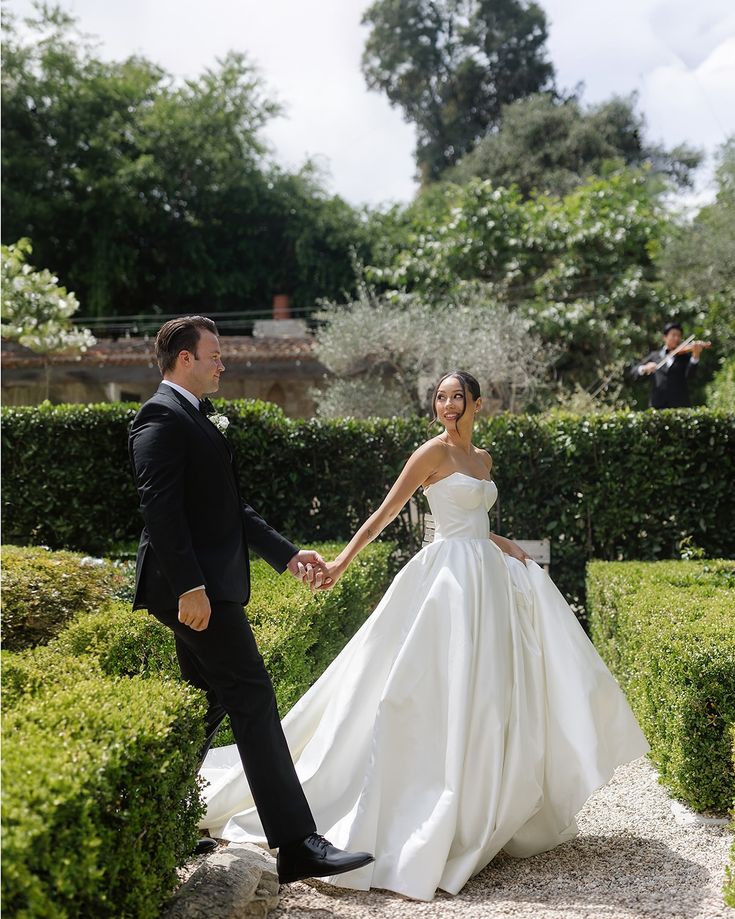
Inspiration is exciting, but it should guide your decisions instead of controlling them.
The goal is discovering ideas that genuinely match your style.
Create an Inspiration Board
Save images that capture the colors, flowers, table settings, dresses, invitations, and décor styles you love.
After collecting ideas for a few weeks, you will probably notice common themes appearing.
Those patterns can help define your wedding style.
Stay True to Your Vision

It is perfectly fine to admire different wedding styles. However, avoid changing your entire vision every time you discover a new trend.
Consistency creates a more beautiful and cohesive celebration.
Remember Your Budget
Not every inspirational photo fits every budget.
Instead of trying to copy expensive ideas exactly, look for creative ways to achieve a similar atmosphere within your financial plan.
Start Thinking About Your Wedding Party

During your first month, you do not have to ask everyone immediately.
However, this is a good time to think about the people you would like standing beside you.
Choose People Who Truly Support You
Being part of a wedding party involves more than wearing matching outfits.
Choose friends and family members who encourage you, celebrate your relationship, and genuinely want to support you throughout the planning process.
Talk With Your Partner

Discuss the size of your wedding party together.
Keeping both sides relatively balanced often helps with ceremony planning and photographs.
Give Everyone Enough Time
Once you are ready to ask your wedding party, doing so early allows everyone plenty of time to prepare financially and personally.
Learn About Marriage Requirements

Many couples focus entirely on the celebration and forget about the legal side of getting married.
Taking a little time during your first month to understand the requirements can prevent unnecessary stress later.
Research Local Marriage Laws
Marriage license requirements differ depending on where you live or where you plan to marry.
Learn about application deadlines, waiting periods, identification requirements, and any documents you may need.
Keep Important Documents Safe

Create a folder for important paperwork.
Having everything together makes the legal process much easier as your wedding approaches.
Avoid These Common First Month Mistakes
The first month is exciting, but it is also easy to become overwhelmed if you make a few common mistakes.
Learning from other couples can help you avoid unnecessary stress.
Booking Too Quickly

Do not feel pressured to hire the first vendor you speak with. Take your time to compare options and make informed decisions.
A little patience often leads to better results.
Trying to Please Everyone
Friends and family may have lots of suggestions. Listen respectfully, but remember that this is your wedding.
Your decisions should reflect the vision you and your partner share.
Comparing Your Wedding to Others
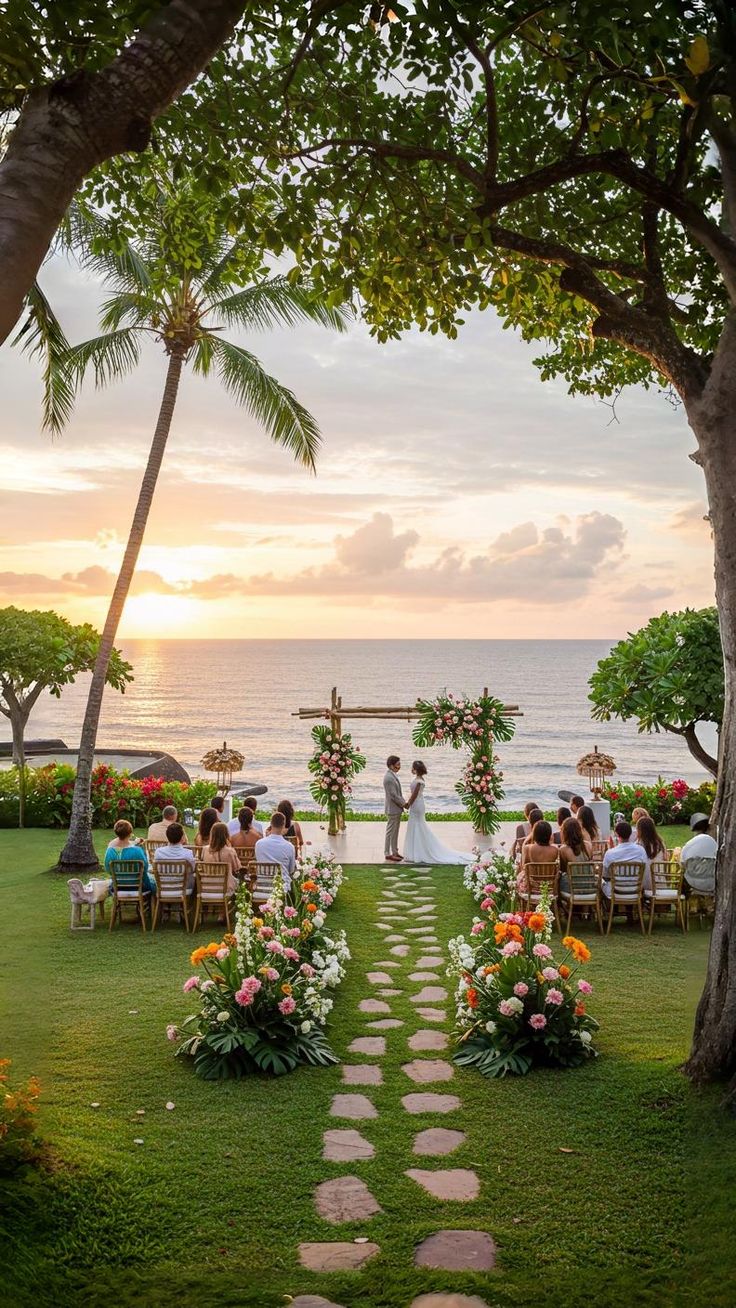
Every wedding is different. Comparing your plans to social media or someone else’s celebration often creates unrealistic expectations.
Focus on building a wedding that feels meaningful to both of you instead.
The First Month Is About Building Confidence

Your first month of wedding planning is not about checking every task off your list. It is about creating a strong foundation that will support every decision you make during the months ahead.
By taking time to celebrate your engagement, discuss your vision, organize your finances, research venues and vendors, and build a simple planning system, you give yourself the best possible start.
Remember that you do not need to have every answer during these first few weeks. Wedding planning is a journey, and every small step moves you closer to the celebration you have been dreaming about.
Staying patient, organized, and focused on your shared goals will make the process much more enjoyable.
As your plans continue to grow, keeping track of every important task becomes even more valuable. Our Wedding Planning Checklist is a practical resource that helps you stay organized from your engagement until your wedding day, making it easier to enjoy the experience without worrying that something has been forgotten.
Most importantly, give yourself permission to enjoy this season of life.
Your engagement will pass more quickly than you expect, and the memories you create together during the planning process are just as meaningful as the wedding day itself.