
Indoor vs Outdoor Weddings: Which Is Right for You?
Disclosure: Some of the links in this post are affiliate links. This means if you click on the link and purchase an item, I will receive an affiliate commission at no extra cost to you.
Indoor vs Outdoor Weddings is one of the biggest decisions couples face while planning their wedding.
Your choice affects everything from your venue and décor to your budget, guest comfort, photography, and even your wedding-day timeline.
While both options can create unforgettable celebrations, the right one depends on your vision, priorities, and the overall experience you want to create.
Some couples dream of exchanging vows beneath a clear blue sky with nature as their backdrop, while others imagine saying “I do” in a grand ballroom filled with elegant lighting and timeless architecture.
Neither option is better than the other. Instead, each offers its own advantages and challenges that deserve careful consideration before you make your final decision.
Choosing between an indoor or outdoor wedding becomes much easier when you look beyond beautiful photographs.
Think about your wedding season, guest list, local climate, décor preferences, and how much flexibility you want on the big day.
The more you understand what each setting offers, the more confident you’ll feel when it’s time to book your venue.
If you’re still searching for the perfect location, our guide on How to Choose the Perfect Wedding Venue will help you narrow down your options before making this important decision.
1. Start with Your Wedding Vision
Every memorable wedding begins with a clear vision.
Before comparing venues, ask yourselves what kind of atmosphere you want to create. Your wedding should reflect your personalities, not simply follow the latest trends.
Picture Your Ideal Celebration
Close your eyes and imagine your ceremony.
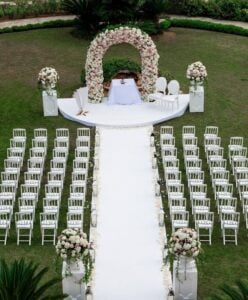
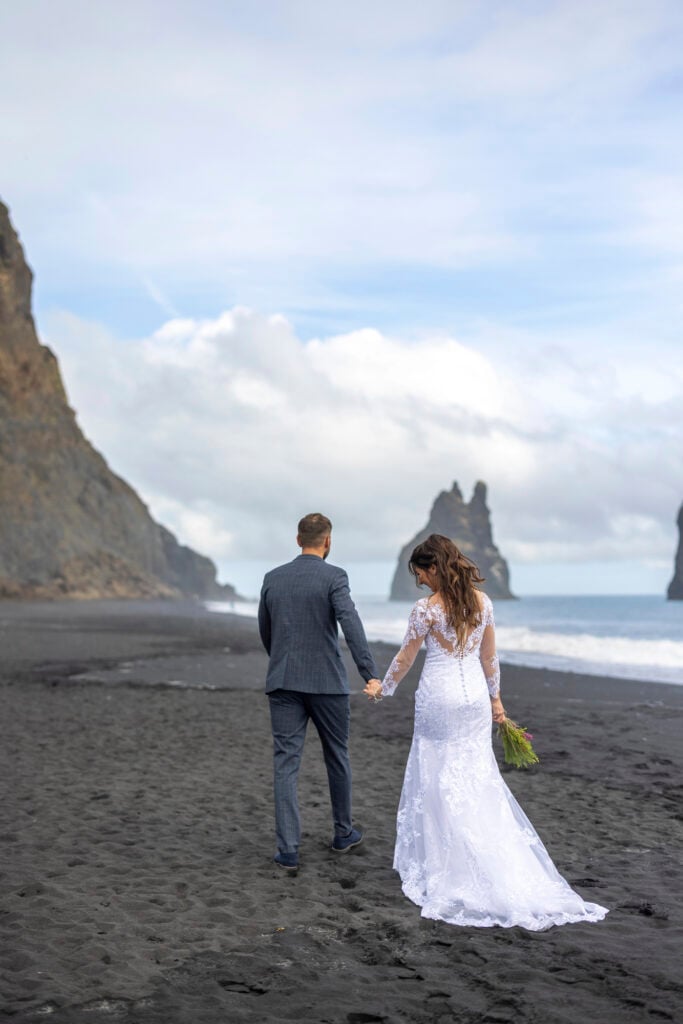
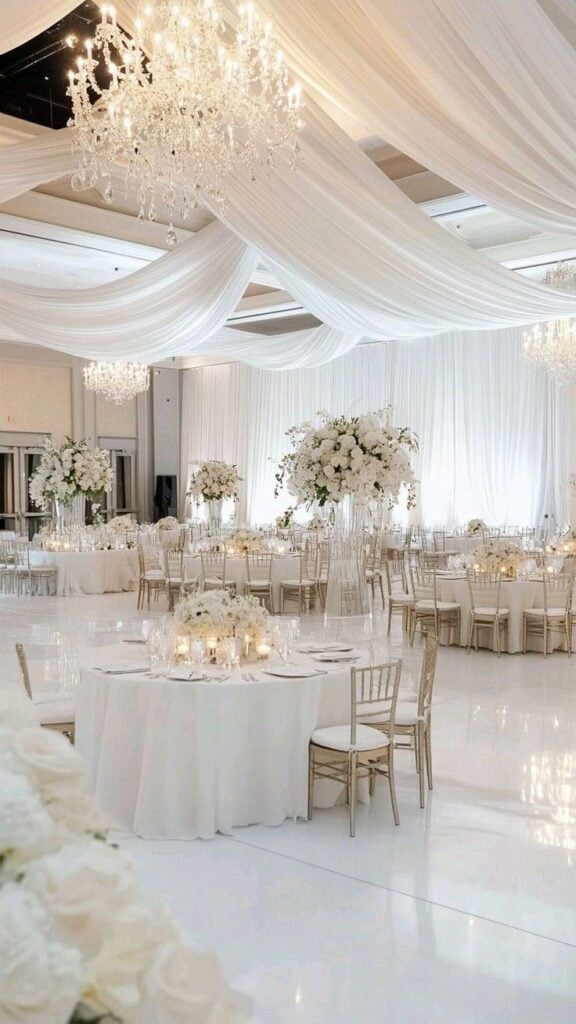
Do you see elegant chandeliers overhead, soft candlelight, and luxurious interiors? Or do you picture flowers swaying in the breeze, mountain views, or waves rolling onto the shore?
The answer often reveals whether an indoor or outdoor wedding feels more natural to you.
Match the Venue to Your Style
Different wedding styles naturally suit different settings.
For example:
- Luxury and black-tie weddings often shine indoors.
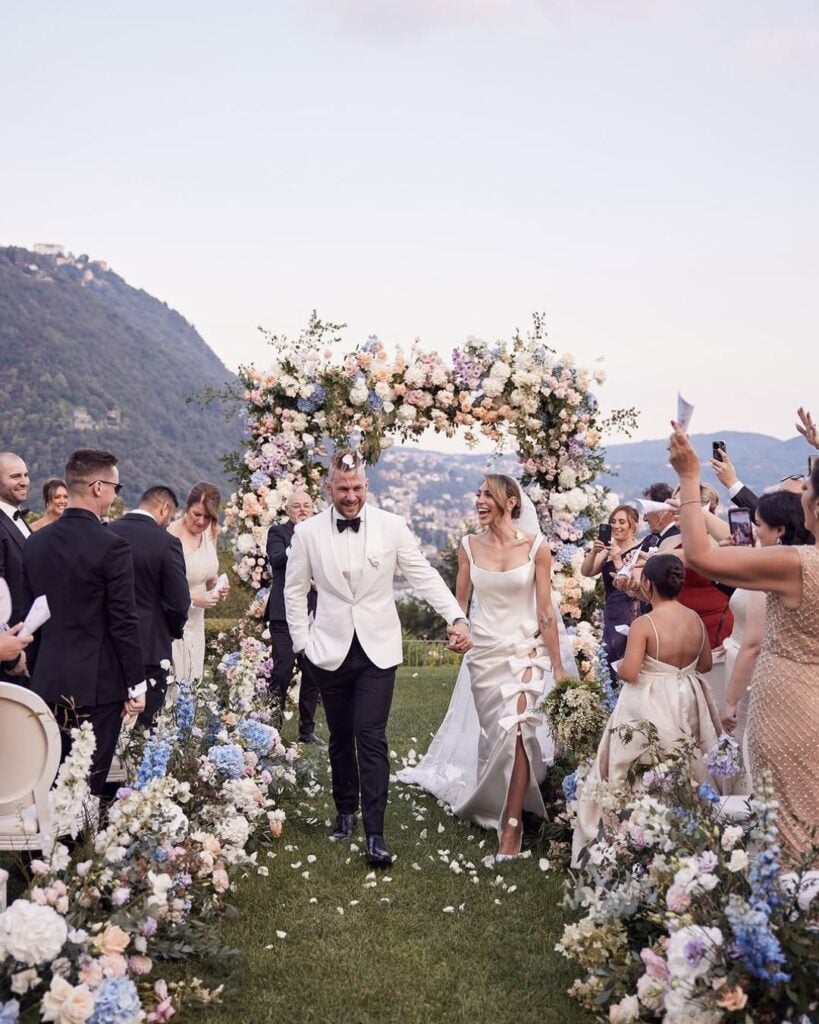
- Garden weddings feel at home in outdoor venues.
- Rustic celebrations work beautifully in barns or vineyards.
- Modern weddings pair well with contemporary indoor spaces.
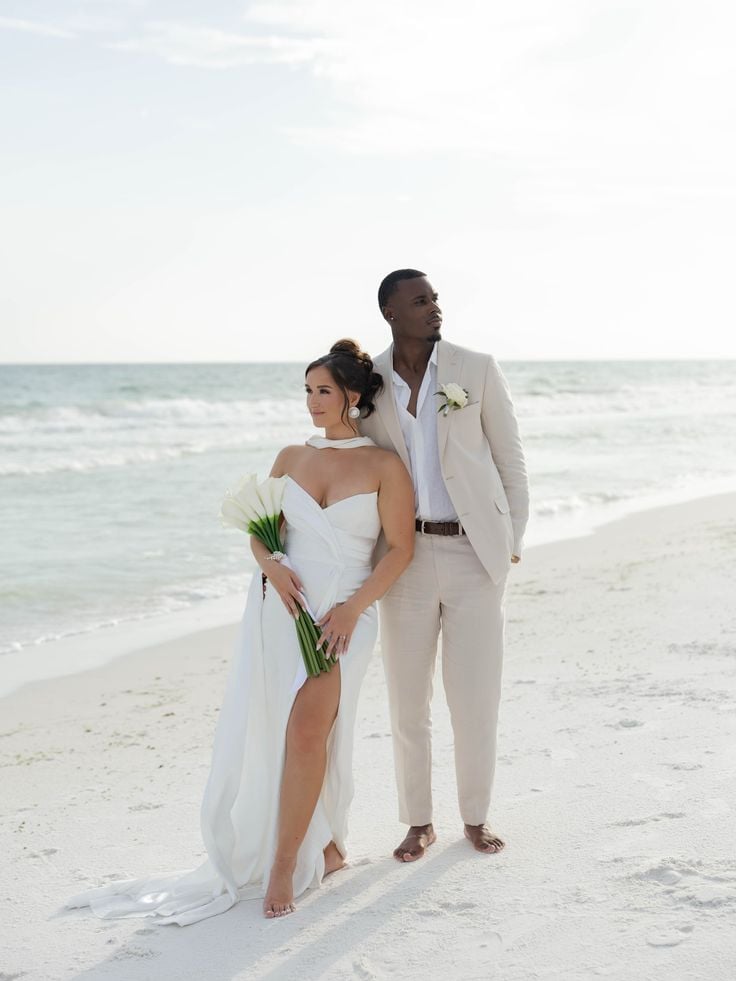
- Coastal celebrations naturally complement beachfront venues.
When your venue already matches your vision, decorating becomes much simpler.
If you’re still exploring décor styles, our guides on 41 Romantic Wedding Decoration Ideas, 31 Minimalist Wedding Decor Ideas, and 35 Luxury Wedding Decor Trends can help you discover what best reflects your personality.
2. Consider the Weather
Weather remains one of the biggest differences between indoor and outdoor weddings.
While outdoor ceremonies offer incredible natural beauty, they also rely on conditions that nobody can control.
Outdoor Weddings Require Flexibility
Rain, strong winds, unexpected heat, or chilly temperatures can all affect your celebration. Before booking an outdoor venue, ask questions such as:
- Is there an indoor backup location?
- Can tents be installed if needed?
- Will guests remain comfortable in changing weather?
- Does the venue have generators if power is required?
Having a backup plan allows you to enjoy your wedding with much less stress.
Indoor Weddings Offer Peace of Mind
Indoor venues provide consistent temperatures and shelter regardless of the forecast.
You won’t need to worry about rain interrupting your ceremony or strong winds affecting your decorations.
That reliability gives many couples valuable peace of mind throughout the planning process.
3. Think About Your Budget
Budget plays a major role when deciding between indoor and outdoor weddings. Although many people assume outdoor weddings are always less expensive, that’s not necessarily true.
Indoor Venues Often Include More
Many indoor venues offer packages that include:
- Tables and chairs
- Catering
- Lighting
- Dance floors
- Sound systems
- Bridal suites
- Event staff
- Setup and cleanup
These inclusions can significantly reduce your overall planning costs.
Outdoor Weddings May Need Additional Rentals
Outdoor venues often require extra items such as:
- Tents
- Portable restrooms
- Flooring
- Power generators
- Lighting
- Heating or cooling equipment
- Furniture hire
These additional expenses can quickly increase your budget if they aren’t planned for in advance. Always compare the total cost rather than focusing only on the venue rental fee.
4. Compare the Guest Experience
Your guests’ comfort should remain one of your highest priorities. A beautiful wedding becomes even more memorable when everyone feels relaxed throughout the celebration.
Indoor Weddings Offer More Convenience
Indoor venues usually provide:
- Climate control
- Comfortable seating
- Easy access to restrooms
- Protection from insects
- Stable flooring
- Better accessibility for elderly guests
These features allow guests to focus entirely on celebrating with you.
Outdoor Weddings Create a Unique Atmosphere
Outdoor celebrations provide experiences that are difficult to recreate indoors.
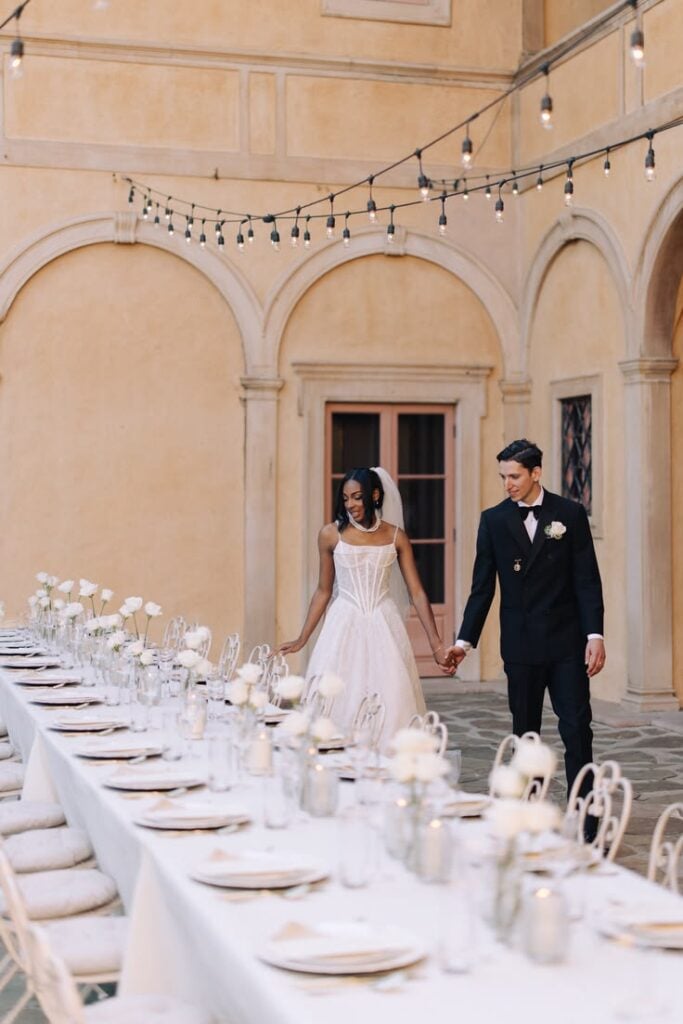
Fresh air, beautiful scenery, natural sunlight, and open spaces create an unforgettable setting that many guests genuinely enjoy.
However, it’s important to think about practical details like shade, hydration, insect control, and comfortable seating to ensure everyone remains happy throughout the day.
5. Think About Photography
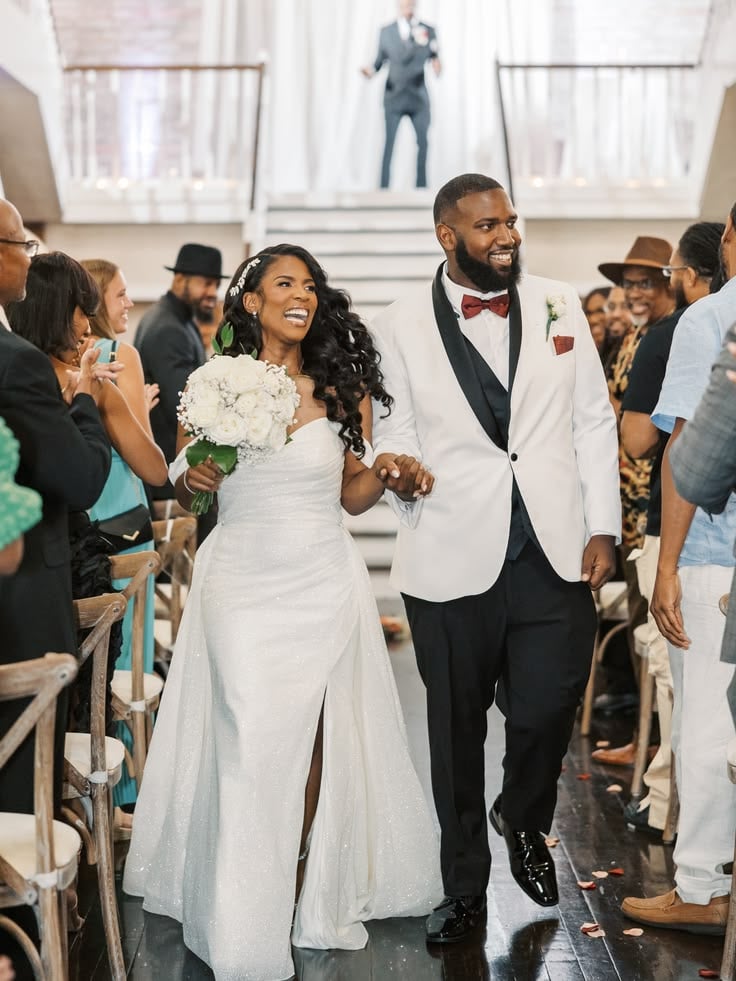
Your wedding photographs will become lifelong keepsakes, making your venue choice even more important. Both indoor and outdoor weddings offer incredible opportunities for beautiful images.
Outdoor Locations Provide Natural Beauty
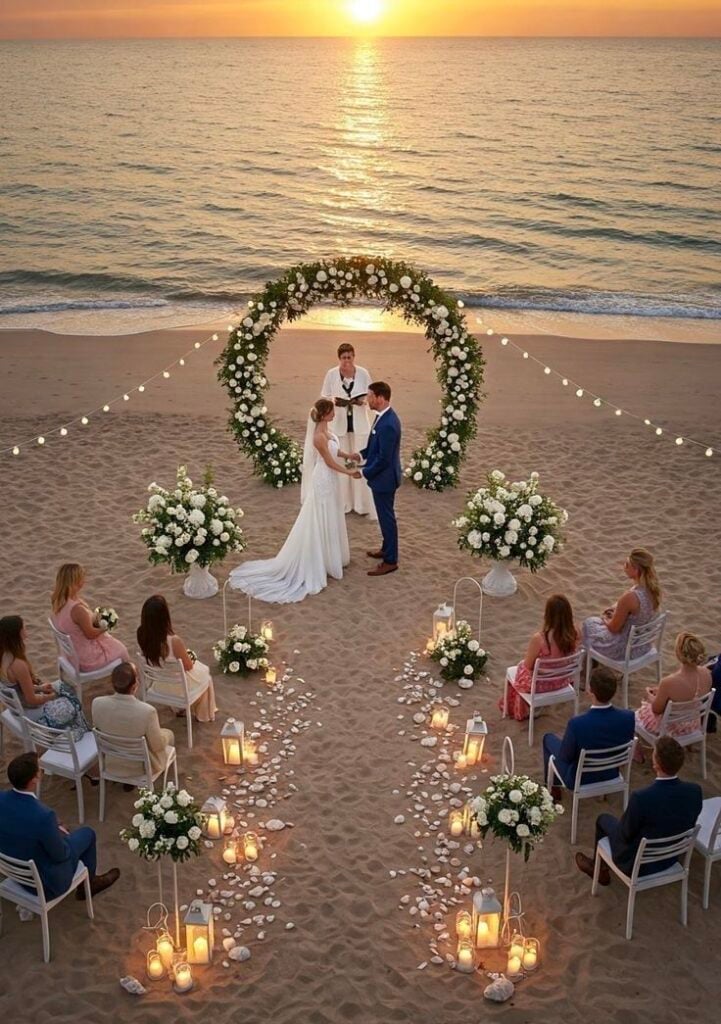
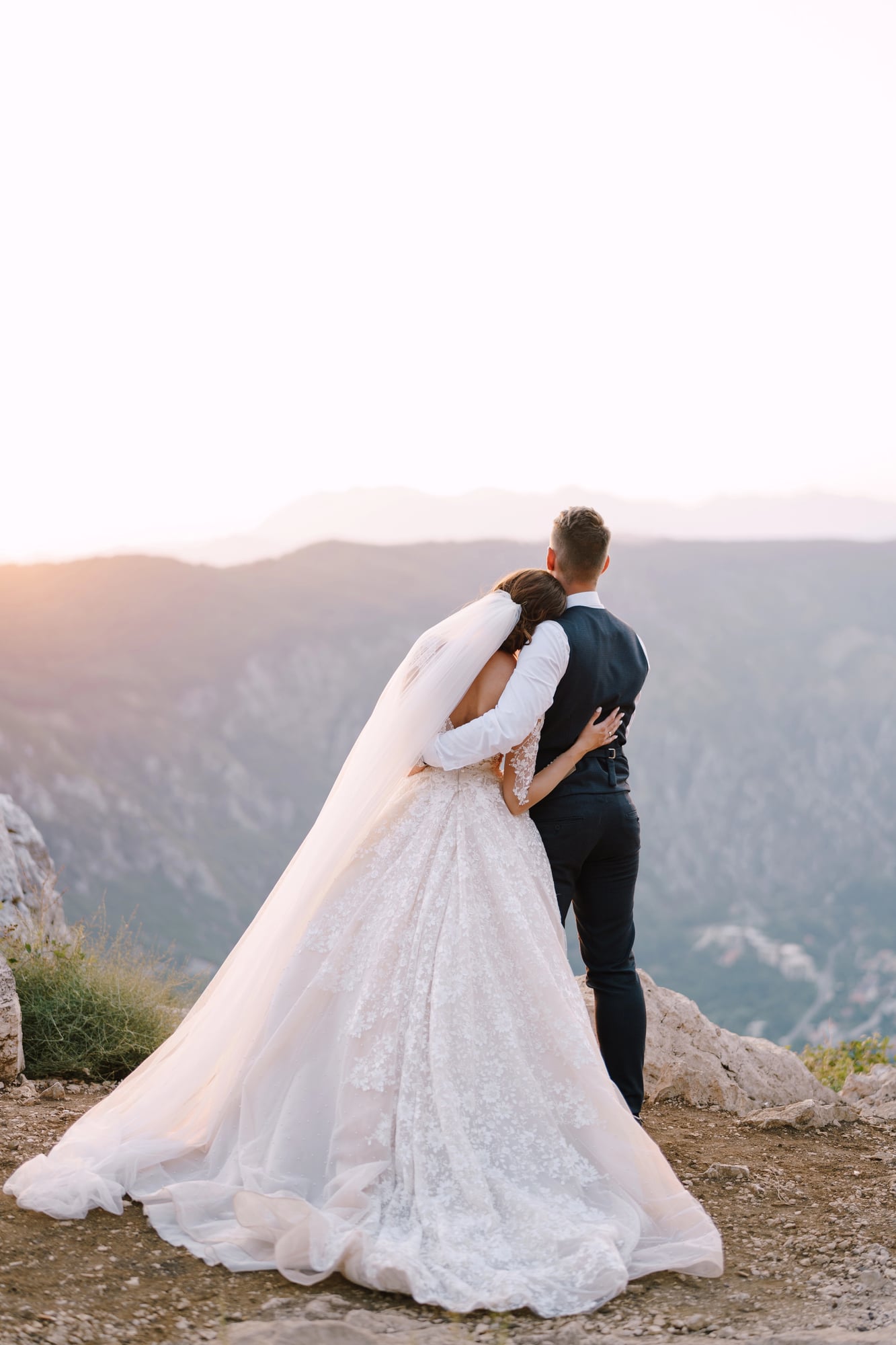
Gardens, beaches, vineyards, forests, lakes, and mountains naturally create breathtaking backdrops.
Golden hour photography outdoors often produces soft, romantic images that require very little additional styling. Nature does much of the work for you.
Indoor Venues Create Timeless Elegance
Elegant staircases, grand ballrooms, historic architecture, large windows, and luxurious interiors provide equally stunning photography opportunities.
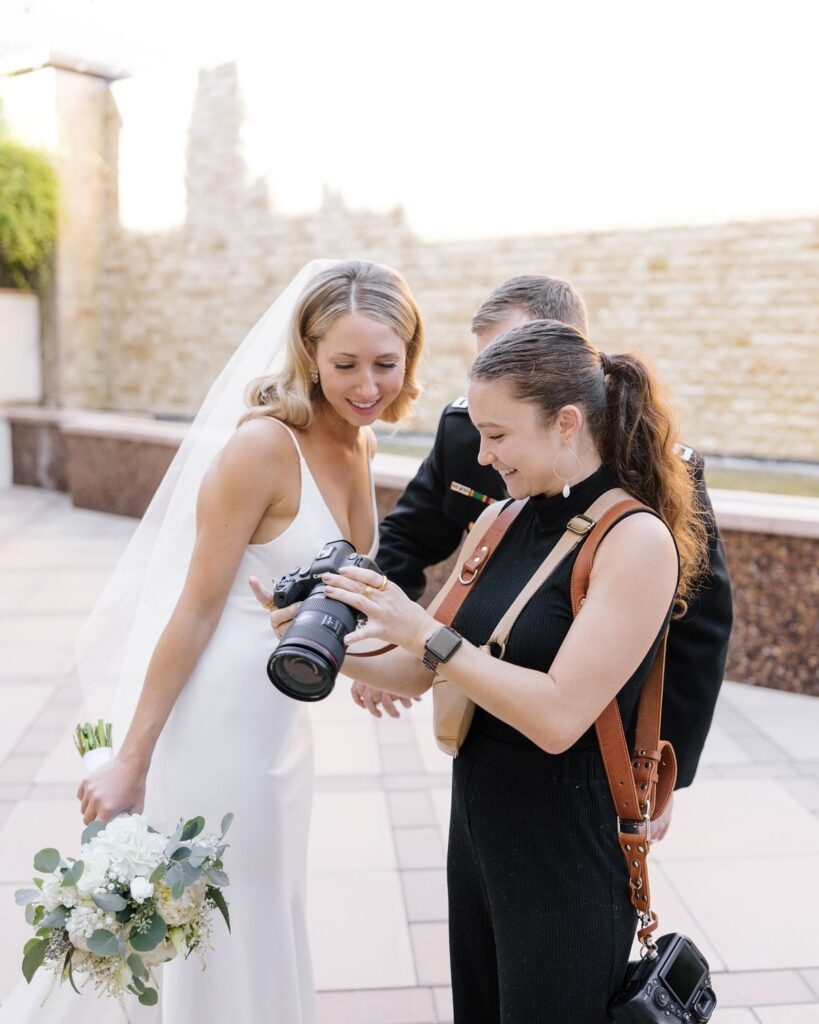
Professional photographers know how to use both natural and artificial lighting to create beautiful images in almost any indoor setting.
Ultimately, the quality of your photographs depends more on thoughtful planning than whether your wedding takes place indoors or outside.
6. Consider Your Wedding Décor
One of the biggest differences between Indoor vs Outdoor Weddings is how much decorating each venue requires.
Some venues already have impressive architecture that becomes part of your wedding design, while others provide a blank canvas for you to personalise.
Understanding how much decorating you’ll need can help you stay within budget and create the atmosphere you’ve been dreaming about.
Indoor Venues Offer More Decorating Control
Indoor venues give you complete control over the environment. Since you’re protected from the weather, you can confidently use:
- Hanging floral installations
- Draped ceilings
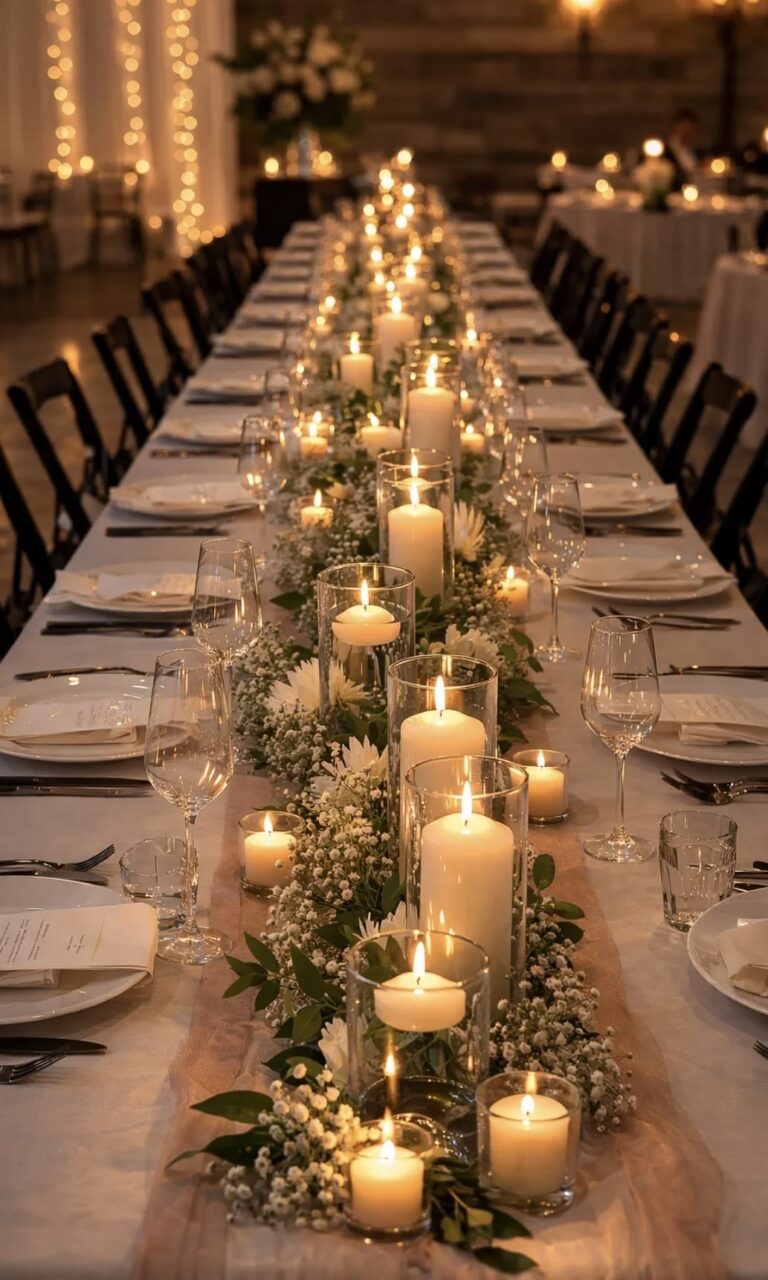
- Candles
- Chandeliers
- Fairy lights
- Elegant centrepieces
- Statement backdrops
You won’t have to worry about wind blowing decorations over or rain damaging delicate floral arrangements.
Outdoor Venues Let Nature Do the Work
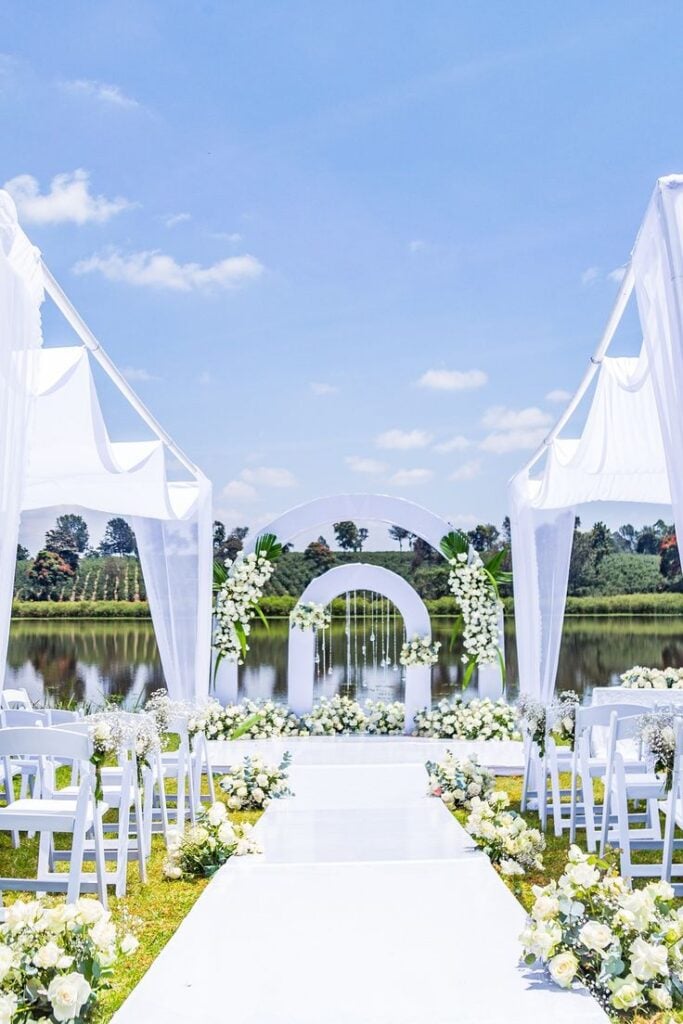
Outdoor weddings often require fewer decorations because nature already provides a stunning backdrop.
Beautiful gardens, lakes, vineyards, forests, beaches, and mountain views create a setting that needs very little enhancement.
Instead of covering every corner with décor, you can simply highlight the venue’s natural beauty with flowers, lighting, and carefully chosen furniture.
7. Think About the Season
The season you choose can make one venue option far more practical than the other. Although every season has its own charm, weather conditions should always play a role in your decision.
Spring and Summer Weddings
Outdoor weddings are especially popular during spring and summer because gardens are in bloom and daylight lasts longer.
However, warmer temperatures also mean you’ll need to think about:
- Shade
- Drinking stations
- Fans
- Sunscreen
- Comfortable seating
Planning ahead keeps everyone comfortable throughout the celebration.
Autumn and Winter Weddings
Indoor venues often become the preferred choice during colder months.
Warm lighting, fireplaces, elegant interiors, and climate-controlled spaces create a cosy atmosphere that’s difficult to achieve outdoors.
That doesn’t mean outdoor winter weddings aren’t possible, but they usually require additional planning and heating solutions.
8. Compare the Planning Process
Every wedding requires careful organisation, but the planning process can look quite different depending on your venue.
Indoor Weddings Are Usually Simpler to Coordinate
Many indoor venues offer complete wedding packages that include several services under one roof.
This may include:
- Catering
- Tables and chairs
- Lighting
- Bridal suites
- Event coordinators
- Setup and cleanup
Having fewer suppliers often makes communication easier and reduces planning stress.
Outdoor Weddings Need More Coordination
Outdoor celebrations sometimes involve hiring multiple vendors separately. Depending on your venue, you may need to organise:
- Tent rentals
- Portable toilets
- Lighting
- Electricity
- Furniture
- Flooring
- Catering equipment
Although this gives you greater flexibility, it also requires more planning and organisation.
9. Think About Your Wedding Timeline
Your venue choice also affects how your wedding day flows. A well-planned timeline helps every part of the celebration run smoothly, from getting ready in the morning to your final dance.
Indoor Venues Offer Greater Flexibility
Indoor venues aren’t affected by changing daylight as much as outdoor ceremonies. This gives you more flexibility when scheduling:
- Hair appointments
- Makeup
- First look photos
- Ceremony time
- Reception entrance
Everything can be adjusted more easily if the day runs slightly behind schedule.
If you’re planning your beauty appointments, our guide on The Ultimate Bridal Beauty Timeline for Your Big Day can help you create a schedule that keeps the day relaxed and enjoyable.
Outdoor Weddings Depend on Natural Light
Outdoor ceremonies usually need to be planned around daylight. Many couples choose late afternoon ceremonies so portraits can be taken during golden hour, when the lighting is soft and flattering.
This creates stunning photographs but also means your schedule may be less flexible.
10. Think About Noise and Privacy
Every venue creates a different atmosphere. Some couples love the peaceful sounds of nature, while others prefer the controlled environment of an indoor venue.
Indoor Venues Create a More Controlled Setting
Hotels, banquet halls, and private event spaces often provide better sound control.
Guests can hear your vows clearly, music isn’t interrupted by wind, and speeches are usually easier for everyone to enjoy.
Climate control also helps guests remain comfortable throughout the celebration.
Outdoor Weddings Feel More Open
Outdoor venues create a relaxed atmosphere filled with natural sounds like birds, flowing water, or gentle breezes.
However, depending on the location, you may also encounter:
- Passing traffic
- Aircraft
- Nearby events
- Wind affecting microphones
Visiting the venue at the same time your wedding will take place helps you understand what to expect.
11. Think About Accessibility and Convenience
No matter which option you choose in the Indoor vs Outdoor Weddings debate, your guests should feel comfortable from the moment they arrive until the celebration ends.
A beautiful venue means very little if guests struggle to find parking, walk across uneven ground, or access important facilities.
Indoor Venues Are Often More Accessible
Many indoor venues are designed to accommodate events year-round, making them more convenient for guests of all ages.
Look for features such as:
- Accessible entrances
- Lifts or ramps
- Spacious restrooms
- Ample parking
- Climate-controlled spaces
- Comfortable seating
These details can make a significant difference, especially for elderly guests, young children, and anyone with mobility challenges.
Outdoor Venues Need Extra Planning
Outdoor venues can absolutely be guest-friendly, but they often require a little more preparation.
Consider providing:
- Clear walkways
- Shade for sunny days
- Blankets for cool evenings
- Bug repellent stations
- Umbrellas if rain is possible
- Plenty of drinking water
Small touches like these show your guests that you’ve thought about their comfort throughout the day.
12. Compare the Overall Atmosphere
One of the biggest differences between indoor and outdoor weddings is the feeling each setting creates.
Although both can be equally beautiful, they offer completely different experiences.
Indoor Weddings Feel Elegant and Refined
Indoor celebrations often create a polished atmosphere that’s perfect for formal weddings.
Luxury hotels, historic estates, and grand ballrooms naturally provide:
- Elegant architecture
- Soft ambient lighting
- Dramatic entrances
- Beautiful ceilings
- Sophisticated reception spaces
These features help create a timeless wedding that looks stunning in photographs.
Outdoor Weddings Feel Relaxed and Romantic
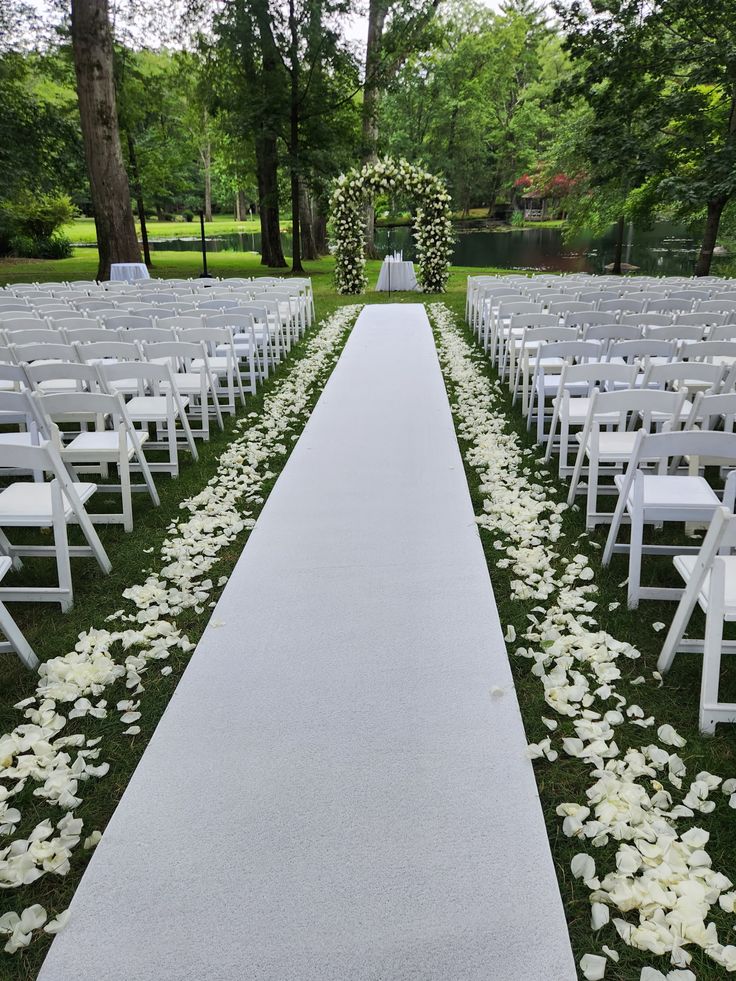
Outdoor weddings often feel more natural and intimate.
Whether you’re surrounded by flowers, vineyards, mountains, or the ocean, nature adds warmth and character that can’t easily be recreated indoors.
Many couples also enjoy the freedom and openness that outdoor venues provide.
13. Think About the Experience You Want to Create
As you compare Indoor vs Outdoor Weddings, remember that your guests won’t only remember how your wedding looked. They’ll also remember how it felt.
Think about the atmosphere you want everyone to experience throughout the day.
Create Lasting Memories
Ask yourself questions like:
- Do you want an elegant black-tie celebration?
- Would you prefer a relaxed garden party?
- Are you planning a lively reception that lasts late into the evening?
- Do you imagine guests mingling outdoors during cocktail hour?
Your answers will help guide your decision far better than trends ever could.
Make It Personal
One of my favourite weddings took place in a simple botanical garden. It wasn’t the largest venue or the most luxurious, but every guest commented on how peaceful and welcoming it felt.
That experience reminded me that the best weddings aren’t always the most elaborate, they’re the ones that genuinely reflect the couple’s personality.
14. Weigh the Pros and Cons Together
Once you’ve narrowed your options, sit down with your partner and compare them side by side.
Creating a simple list of advantages and disadvantages can make your final decision much easier.
Indoor Weddings May Be Best If You Want:
- Predictable weather conditions
- Easier planning
- Formal elegance
- Greater comfort for guests
- All-inclusive venue packages
- More control over lighting and décor
Outdoor Weddings May Be Best If You Want:
- Beautiful natural scenery
- Open spaces
- A relaxed atmosphere
- Stunning golden-hour photography
- A closer connection with nature
- A unique guest experience
Looking at both lists together often makes your priorities much clearer.
15. Choose the Option That Feels Right for You
After researching venues, comparing costs, and considering every practical detail, trust yourselves to make the decision that feels right.
There isn’t a universally perfect answer in the Indoor vs Outdoor Weddings debate because every couple values different things.
Some couples prioritise convenience and peace of mind, while others happily embrace a little unpredictability for breathtaking scenery.
The most important thing is choosing a setting where you can celebrate comfortably, confidently, and joyfully with the people you love most.
Once you’ve made your decision, you can focus on the exciting details that bring your wedding vision to life, from your décor and flowers to your bridal beauty and reception styling.
Find the Wedding Setting That Matches Your Love Story
Choosing between Indoor vs Outdoor Weddings doesn’t have to be stressful. Both options offer incredible opportunities to create a beautiful and memorable celebration.
If you value climate control, convenience, and timeless elegance, an indoor venue may be your perfect match.
On the other hand, if you dream of breathtaking scenery, fresh air, and a naturally romantic atmosphere, an outdoor wedding could be exactly what you’ve envisioned.
Take your time, visit several venues, ask thoughtful questions, and picture your entire wedding day from beginning to end.
When your venue reflects your personalities and supports the experience you want to create, you’ll know you’ve made the right choice.
At the end of the day, your guests won’t remember whether your wedding was indoors or outdoors nearly as much as they’ll remember the love, laughter, and joy they shared with you.
Frequently Asked Questions
Are outdoor weddings cheaper than indoor weddings?
Not always. While some outdoor venues have lower rental fees, additional costs for tents, lighting, flooring, furniture, generators, and weather protection can increase the overall budget. Always compare the total cost instead of the venue hire alone.
Which is better for wedding photography?
Both settings offer beautiful opportunities. Outdoor weddings provide natural scenery and golden-hour lighting, while indoor venues offer elegant architecture and consistent lighting conditions. An experienced photographer can create stunning images in either location.
What is the biggest advantage of an indoor wedding?
Indoor weddings provide protection from unpredictable weather, greater guest comfort, and a more controlled environment for your ceremony and reception.
How can I prepare for bad weather at an outdoor wedding?
Choose a venue with a reliable indoor backup option or arrange for tents and weather protection well in advance. It’s also helpful to provide umbrellas, blankets, or fans depending on the season.
Can I have both an indoor and outdoor wedding?
Absolutely. Many couples hold their ceremony outdoors before moving indoors for the reception. This option combines beautiful natural scenery with the comfort and convenience of an indoor celebration.