
Wedding Ceremony Order Explained
Disclosure: Some of the links in this post are affiliate links. This means if you click on the link and purchase an item, I will receive an affiliate commission at no extra cost to you.
Wedding Ceremony Order Explained helps couples understand exactly what happens from the moment guests arrive until the newlyweds walk back down the aisle together.
Knowing the sequence of events makes planning easier, helps everyone feel prepared, and allows your ceremony to flow naturally without awkward pauses or confusion.
For many couples, the ceremony is the most meaningful part of the wedding day. It is where lifelong promises are made, families come together, and a new chapter begins.
While receptions often receive plenty of attention, the ceremony deserves just as much careful planning because it sets the tone for everything that follows.
Every wedding is unique, and no two ceremonies look exactly alike. Religious traditions, cultural customs, personal preferences, and venue rules all influence the order of events.
Even so, most ceremonies follow a similar structure that guests recognise and appreciate. Once you understand the basic order, you can personalise each moment to reflect your relationship.
If you are still planning your venue, our guides on How to Choose the Perfect Wedding Venue and Questions to Ask Before Booking a Wedding Venue can help you find a location that supports the ceremony you have in mind.

Understanding the Wedding Ceremony Order
1. Guests Arrive and Take Their Seats
The ceremony officially begins long before the couple appears. As guests arrive, they are welcomed, shown to their seats, and given time to settle before the processional starts.
Creating a calm and organised arrival helps everyone feel relaxed and ready to celebrate.
Welcome Guests Comfortably
Your guests’ experience begins long before the ceremony starts. As they arrive, make sure they know exactly where to go and feel welcomed right away.
If your venue has ushers, they can help answer questions, direct guests to their seats, and assist anyone who may need extra support.
Simple touches like clear ceremony signs, reserved seating for close family, printed wedding programs, or even a refreshment station on a warm day can make everyone feel cared for.
Likewise, if you’re planning a fall or winter wedding, having blankets available is a thoughtful gesture that guests will genuinely appreciate.
These little details may seem small, but they set a warm, inviting tone for the rest of the celebration.
Play Background Music
While guests find their seats, soft background music helps create a calm and welcoming atmosphere. You can choose classical instrumentals, a live string quartet, gentle piano melodies, or acoustic love songs that reflect your personality as a couple.
Picture your guests chatting, smiling, and taking in the beautiful setting before the ceremony begins. The music should add to that moment without overpowering conversations.
It quietly builds excitement and lets everyone know that something special is about to happen. Although many guests may not remember every song that plays, they will remember how the atmosphere made them feel.

2. The Processional Begins
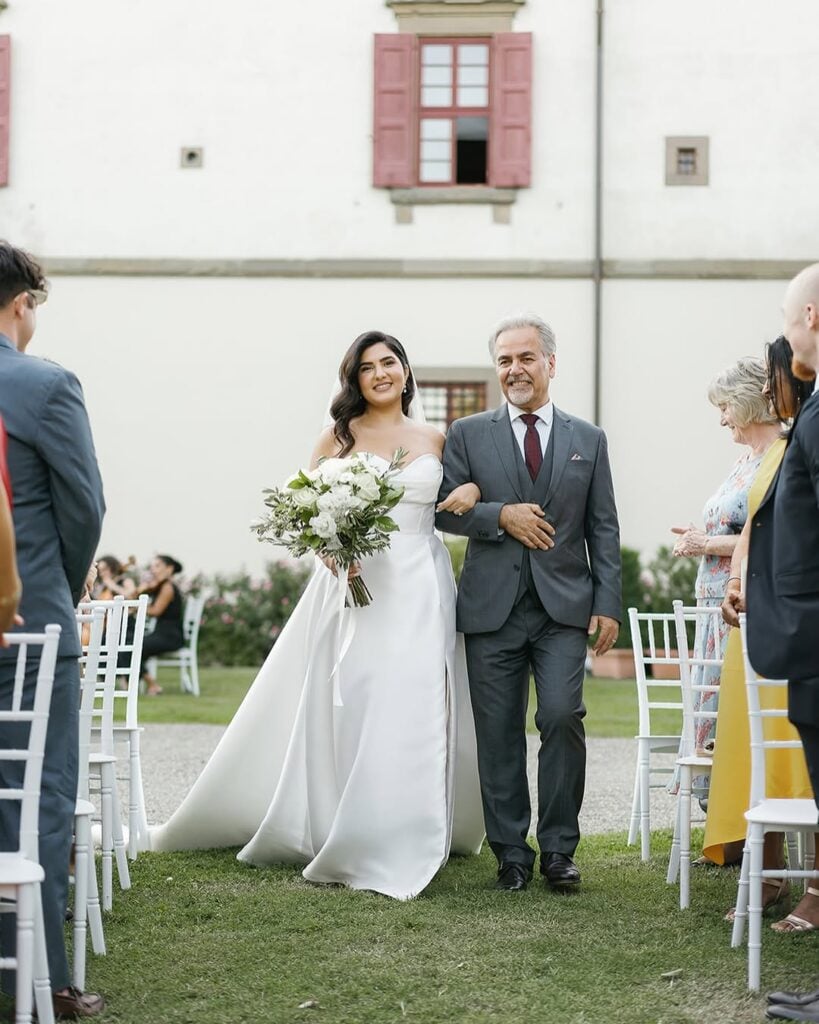
The processional marks the official start of the ceremony. This is the moment when the wedding party walks down the aisle in a planned order before the bride or the couple makes the final entrance.
Although traditions vary, the processional should feel organised and unhurried.
Decide the Walking Order
One of the most important parts of planning a wedding ceremony is deciding the walking order. While many couples follow tradition, there is no single “right” way to do it.
Instead, choose a processional that feels meaningful to you and fits your family dynamics.
A traditional wedding processional usually follows this order:
- Officiant takes their place at the altar.
- Groom enters or waits at the altar.
- Parents and grandparents are escorted to their seats.
- Bridesmaids and groomsmen walk down the aisle.
- Flower girl and ring bearer make their entrance.
- The bride walks down the aisle last.
If you’re having a modern or non-traditional wedding, feel free to adjust the order. For example, you might walk in together as a couple, have both sets of parents escort you, or include special family members in the processional.
The most important thing is choosing an entrance that feels authentic and meaningful for your wedding day.
Practise Before the Wedding
A rehearsal helps everyone understand where to stand, when to walk, and how quickly to move. Even a short rehearsal can prevent confusion on the wedding day.
3. The Opening Welcome
Once everyone has taken their place, the officiant welcomes the guests and officially begins the ceremony.
This introduction helps everyone transition from watching the processional to participating in the celebration.
3. The Opening Welcome
Once everyone has taken their place, the officiant welcomes the guests and officially begins the ceremony.
This opening helps shift the focus from the excitement of the processional to the meaningful promises that are about to be made. It also gives everyone a chance to settle in and become fully present for the ceremony.
Set the Tone
The officiant usually welcomes family and friends, thanks everyone for attending, and shares a few thoughtful words about the meaning of marriage and the commitment the couple is making.
Some couples prefer a formal introduction, while others choose a warm and relaxed approach that reflects their personalities.
No matter the style, this opening sets the tone for the rest of the ceremony and helps create a meaningful atmosphere for everyone in attendance.
Recognise Loved Ones
Many ceremonies also include a brief acknowledgement of family members or loved ones who could not attend. This thoughtful gesture adds a personal touch without making the ceremony feel too long.

4. Readings and Special Moments
Many couples include readings to make the ceremony more personal. These readings often reflect love, commitment, friendship, or faith.
They also give family members and close friends a meaningful opportunity to take part in the ceremony, making the celebration even more memorable for everyone involved.
Choose Meaningful Readings
Readings are a wonderful way to make your ceremony feel more personal and memorable.
Many couples choose religious scripture, meaningful poems, favourite literary passages, heartfelt letters, or family blessings that reflect their values and relationship.
Instead of selecting a reading simply because it is traditional, choose words that truly speak to your journey together. When the message feels personal, it creates a more meaningful experience for both you and your guests.
Invite Family or Friends to Participate
Having someone close to you deliver a reading allows them to become part of the ceremony in a meaningful way.
Choose confident speakers who feel comfortable reading before a group. Practising beforehand helps them feel prepared.

5. The Officiant’s Message
After the readings, the officiant usually shares a message about marriage and the couple’s relationship. This part often becomes one of the most memorable moments of the ceremony.
Keep the Message Personal
Some officiants tell the story of how the couple met. Others focus on the meaning of marriage, commitment, and partnership.
Many couples enjoy a balance of heartfelt advice and light humour that reflects their personalities.
Discuss Expectations Early
Meet with your officiant well before the wedding to discuss your vision for the ceremony.
Talk about how long you would like it to be, the overall tone, any religious traditions you want to include, and personal stories or special moments that are meaningful to you as a couple.
Having this conversation early gives your officiant enough time to prepare a ceremony that reflects your personalities and feels genuine.
It also helps avoid surprises on the wedding day, allowing you to enjoy every moment with confidence.

6. The Exchange of Vows
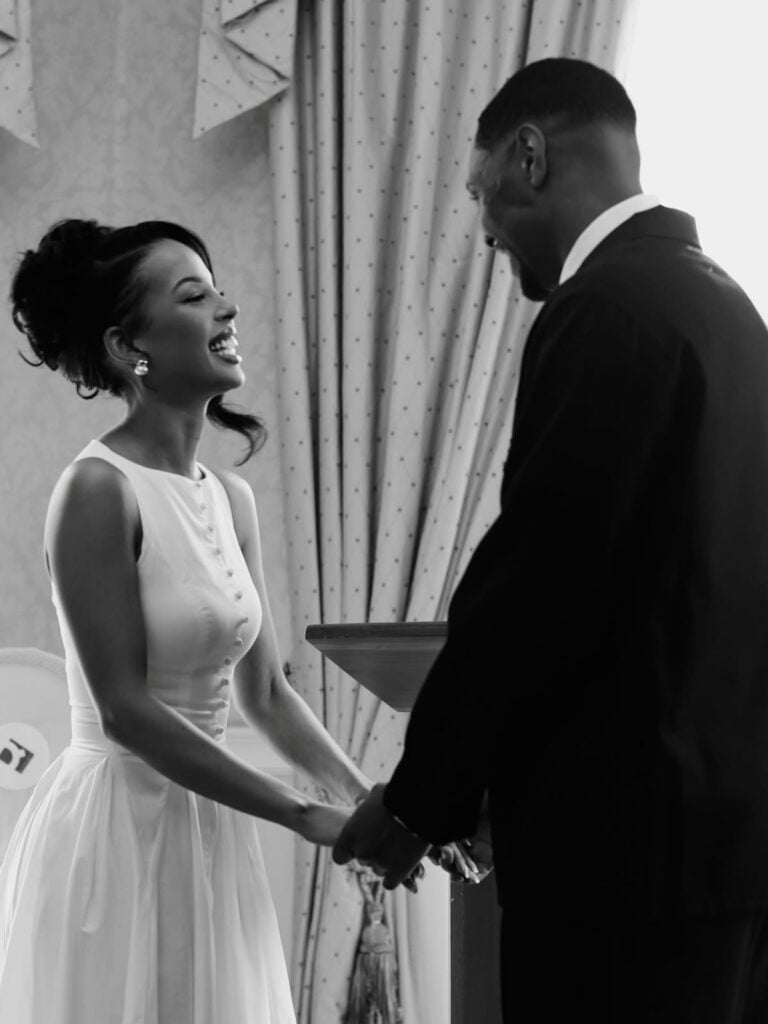
The exchange of vows is the heart of the wedding ceremony. This is the moment when both partners make promises to one another in front of their family, friends, and the officiant.
Many couples say this is the part they remember most because the words spoken become the foundation of their marriage.
Choose Between Traditional and Personal Vows
There is no single right way to exchange vows. Some couples choose traditional vows because they are timeless and familiar, while others prefer to write personal vows that reflect their unique journey together.
Personal vows often include special memories, promises for the future, shared values, and even a few light-hearted moments that make everyone smile.
They give you the opportunity to express your love in your own words and create one of the most memorable parts of the ceremony.
No matter which option you choose, take time to practise reading your vows aloud before the ceremony.
Even a few practice sessions can help calm your nerves and make your words feel more natural when you are standing in front of your partner and loved ones.
Keep Your Vows Meaningful
Long vows can become difficult for guests to follow. Aim for heartfelt promises that feel genuine rather than trying to include every detail of your relationship.
Simple, sincere words often leave the strongest impression.

7. The Ring Exchange
Immediately after the vows, the couple exchanges wedding rings. This tradition symbolises an everlasting commitment, with the circular shape representing love that has no beginning or end.
Decide Who Will Present the Rings
Many couples ask a ring bearer to carry the rings down the aisle. Others prefer to give the rings directly to the officiant before the ceremony begins for extra peace of mind.
If young children are involved, consider using decorative rings for the procession while the real rings remain safely with the best man, maid of honour, or officiant.
Include Meaningful Ring Words
The officiant will usually invite each partner to place the ring on the other’s finger while repeating a short promise.
These words are often simple but powerful because they reinforce the commitment made during the vows.

8. The Pronouncement of Marriage
After the vows and ring exchange, the officiant officially declares the couple married. This marks the moment when the ceremony reaches its emotional high point.
Family and friends often respond with smiles, applause, and happy tears as they witness the couple begin their married life together.
It is a joyful milestone that brings the ceremony to its most meaningful and celebratory moment.
Listen for the Official Declaration
The wording varies depending on the officiant and the type of ceremony, but the declaration formally recognises the marriage.
Many guests eagerly anticipate this moment because it signals that the ceremony is nearly complete.
Celebrate the Moment
Take a second to smile, breathe, and enjoy the moment together. There is no need to rush.
Professional photographers often capture some of the most memorable images during these few seconds.
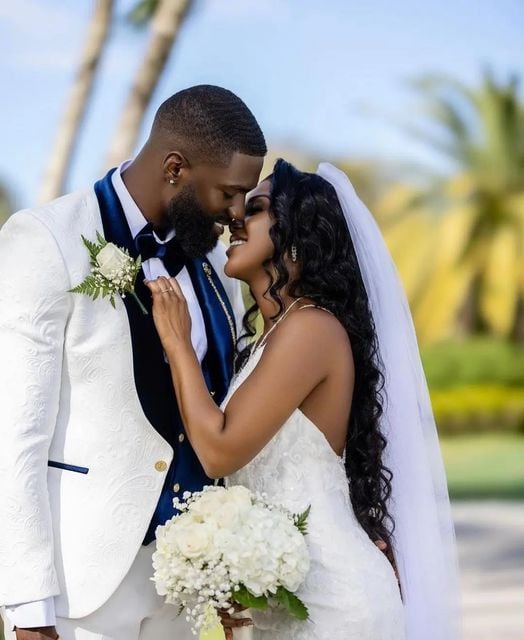
9. The First Kiss
The first kiss is one of the most anticipated moments of the entire ceremony. Guests often respond with applause, cheers, and plenty of excitement.
It also becomes one of the defining photographs in every wedding album. For many couples, this joyful moment symbolises the beginning of their new life together and creates a memory that they will treasure for years to come.
Take Your Time
There is no reason to hurry. Pause, smile at one another, and enjoy the moment before the kiss. A calm, natural kiss usually creates more beautiful photographs than one that feels rushed.
Taking a brief pause also allows your guests to fully share in the moment while giving your photographer enough time to capture genuine expressions from every angle.
Remember the Photographer
Although the kiss should always feel genuine, it helps to stay in position for a brief moment afterward.
Those extra few seconds give your photographer time to capture several beautiful images before you continue with the ceremony.
10. Signing the Marriage Licence
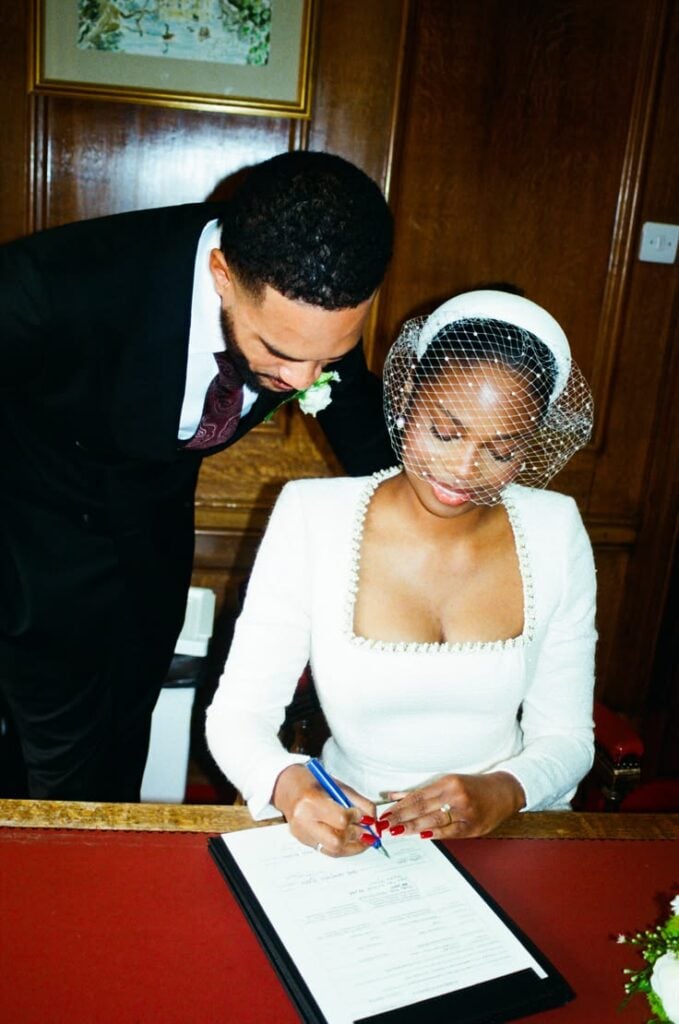
Depending on local laws and traditions, the signing of the marriage licence may take place during or immediately after the ceremony.
This step makes the marriage legally official. Although it is a legal requirement, many couples also see it as a meaningful milestone because it marks the moment their marriage is formally recognised.
Some choose to include the signing as part of the ceremony, while others complete it privately after the celebration.
Know Your Local Requirements
Marriage laws can vary depending on where you are getting married, so it is important to understand the legal requirements well before the wedding day.
Speak with your officiant or local marriage office to confirm when the marriage licence will be signed, who needs to witness it, and which documents or identification you should bring.
Taking care of these details ahead of time helps everything run smoothly and allows you to focus on enjoying your ceremony instead of worrying about paperwork.
Make the Signing Part of the Ceremony
Some couples choose to sign the documents in front of their guests. Others prefer to complete the paperwork privately after the ceremony.
Either approach works well, so choose the option that best suits your celebration.
If you are planning your complete wedding schedule, our guide on The Ultimate Bridal Beauty Timeline for Your Big Day can help you organise the day’s events so every moment flows smoothly from your preparations through to the reception.
11. The Presentation of the Newlyweds
After the marriage has been declared official, the officiant introduces the couple to their guests for the first time as newlyweds.
This announcement marks the joyful transition from the ceremony to the celebration that follows.
Decide How You Want to Be Introduced
Before the wedding, talk with your officiant about how you would like to be announced at the end of the ceremony.
Some couples love a traditional introduction, while others prefer something that better reflects their relationship and any name changes they have chosen to make.
For example, you may want to be introduced as Mr. and Mrs. Smith, Alex and Jamie Smith, the newlyweds, or simply by both of your names.
There is no right or wrong choice. The most important thing is selecting an introduction that feels natural and meaningful to both of you.
Enjoy the Moment
Many couples become so focused on the schedule that they forget to enjoy this announcement.
Smile at your guests, take a deep breath, and appreciate the applause. This is one of the happiest moments of the day.
12. The Recessional
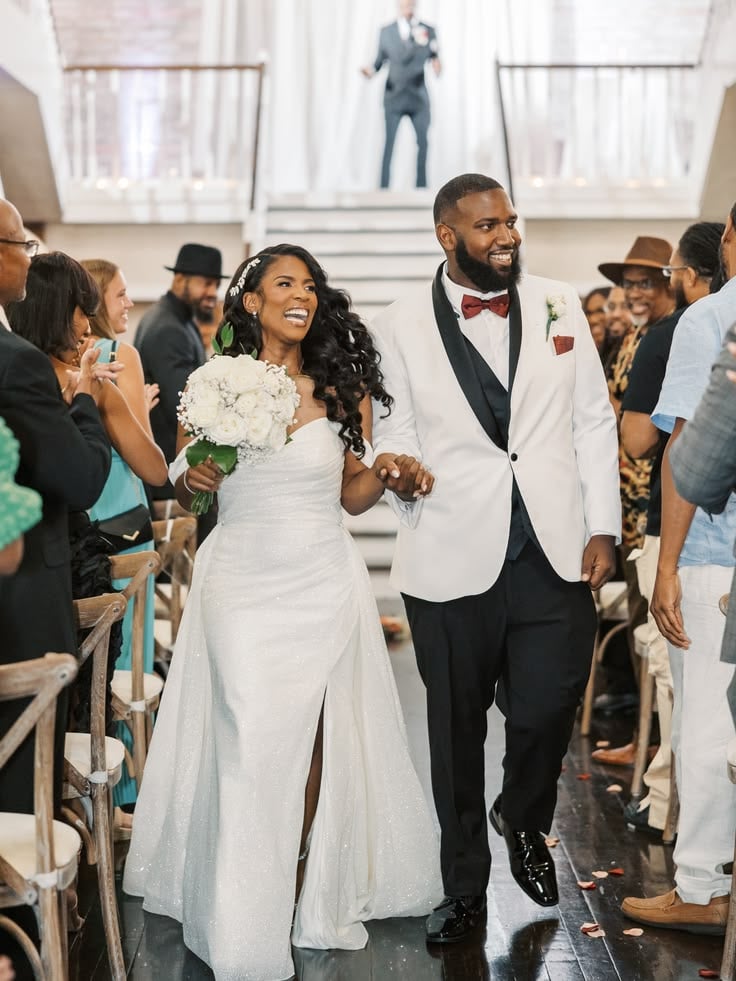
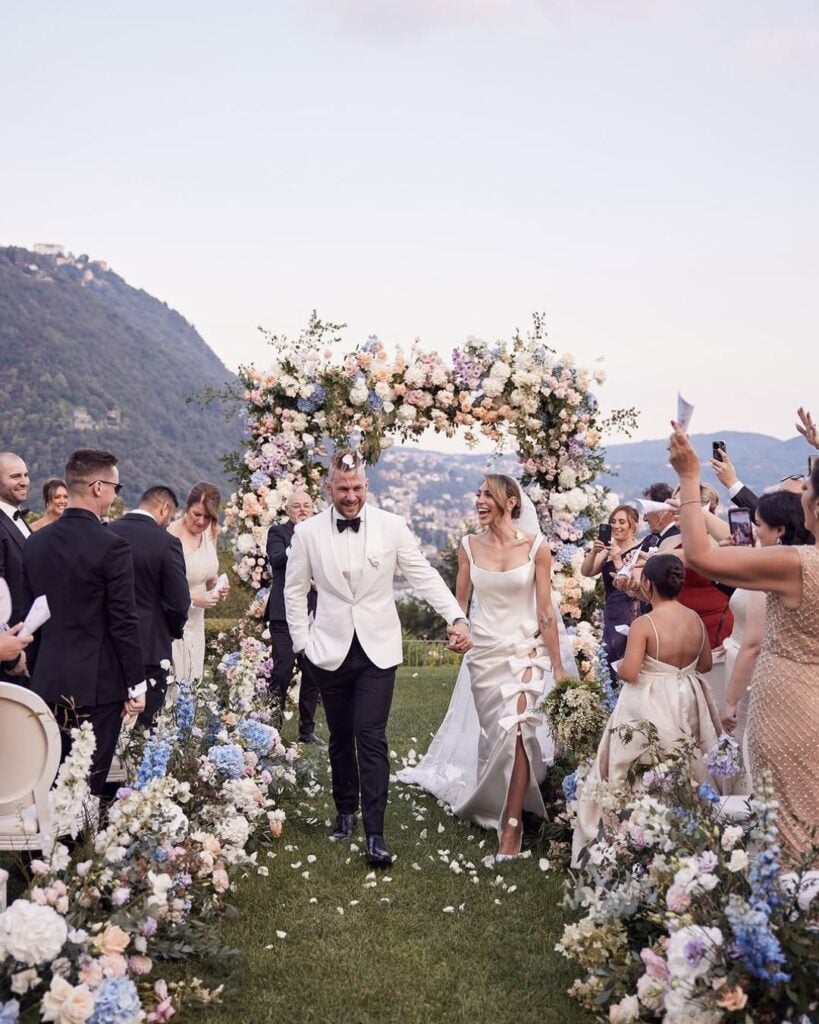
The recessional is the official exit from the ceremony. Once the newlyweds begin walking back down the aisle, the ceremony comes to a close and the celebration continues.
This joyful walk down the aisle gives everyone a chance to celebrate the newly married couple.
It also creates a smooth transition from the heartfelt ceremony to the excitement of the reception, where family and friends can continue the celebration together.
Plan the Exit Order
The recessional usually follows this order:
- Newlyweds
- Wedding party
- Parents
- Grandparents
- Guests
Your officiant or wedding coordinator can guide everyone so the exit feels organised and relaxed.
Choose Uplifting Music
The recessional is one of the happiest moments of the entire wedding day, so the music should match that excitement.
Many couples choose classical pieces, instrumental love songs, upbeat acoustic music, or modern romantic songs that reflect their personalities.
As you walk back down the aisle together for the first time as a married couple, the music helps create a joyful atmosphere that guests will remember.
Choose a song that makes you smile and captures the excitement of starting this new chapter together.

13. Plan a Smooth Transition to the Reception
A well-planned ceremony naturally leads into the next part of the wedding day. Guests should know exactly where to go once the ceremony has finished.
Give Guests Clear Directions
If your reception takes place at the same venue, simple signs or announcements are usually enough. If everyone needs to travel to another location, provide clear directions ahead of time.
Helpful options include:
- Printed maps
- QR codes
- Wedding websites
- Transportation schedules
- Shuttle services
Good communication helps everything stay on schedule.
Schedule Time for Photographs
Most couples take family portraits and wedding party photographs immediately after the ceremony. Build enough time into your timeline so nobody feels rushed.
Preparing a family photo list before the wedding also helps your photographer work efficiently.
If you are still deciding on your venue, our guides on Indoor vs Outdoor Weddings: Which Is Right for You? and How to Choose the Perfect Wedding Venue can help you choose a setting that suits both your ceremony and reception.
14. Add Personal Touches Throughout the Ceremony
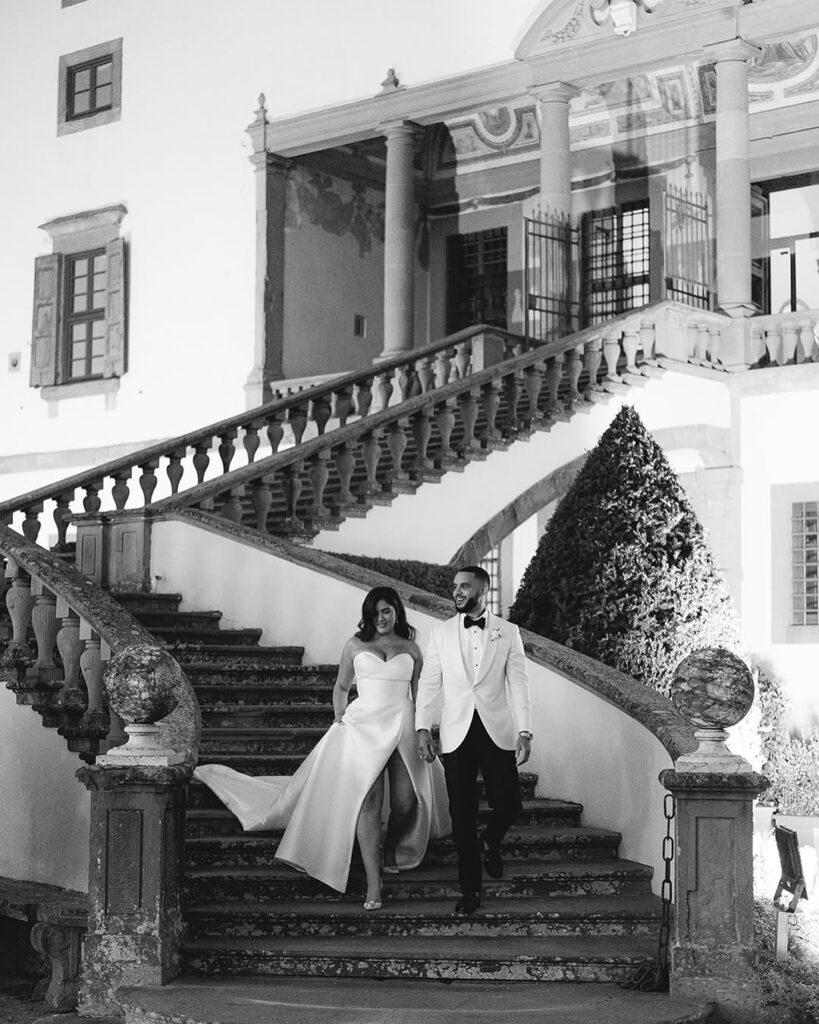
One reason every wedding feels unique is because couples add meaningful details that reflect their personalities.
Personal touches do not need to be elaborate. Small details often leave the biggest impression.
Include Family Traditions
Adding family traditions to your ceremony is a wonderful way to honour your heritage while creating new memories together.
You might include a cultural custom, display a cherished family heirloom, or take part in a unity ceremony such as lighting a candle, blending sand, or participating in a handfasting ceremony. Some couples also invite a family member to share a special blessing during the ceremony.
These meaningful touches make your wedding feel more personal and help connect your family’s history with the new chapter you are beginning together.
Choose Music That Means Something
Your ceremony music should tell part of your story. Instead of choosing songs simply because they are popular, select music that reminds you of important moments in your relationship.
Many couples also invite talented friends or family members to perform during the ceremony, making the experience even more personal.

15. Rehearse Before the Wedding Day
The best way to ensure your ceremony runs smoothly is to practise it beforehand. A rehearsal gives everyone confidence and reduces uncertainty.
Even a simple rehearsal can make a noticeable difference on the wedding day.
Invite Everyone Involved
Make sure everyone taking part in the ceremony attends the rehearsal. This includes the officiant, the wedding party, parents, flower girl, ring bearer, readers, and even the venue coordinator if possible.
Walking through the ceremony together gives everyone a clear understanding of where to stand, when to walk, and what to expect. It also helps answer any last-minute questions before the big day.
Focus on Timing
The rehearsal is the perfect opportunity to practise the flow of the ceremony. Take time to walk at a comfortable pace, become familiar with the music cues, test the microphones if they will be used, and rehearse the vows, ring exchange, and recessional.
Remember, the goal is not to perform a flawless rehearsal. Instead, it is to help everyone feel confident, relaxed, and prepared so the ceremony flows naturally on the wedding day.
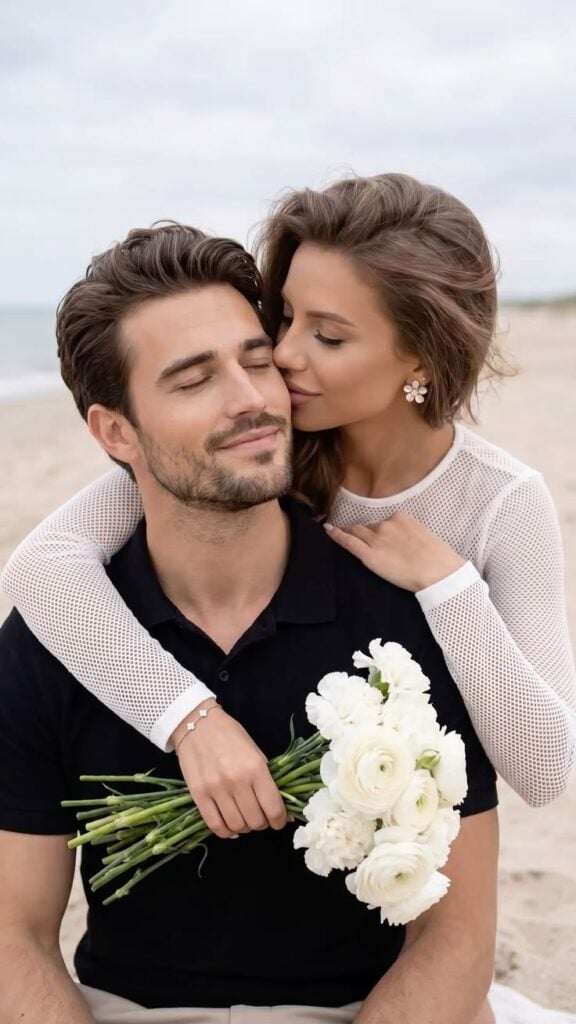
Make Your Ceremony a Moment to Remember
Understanding the Wedding Ceremony Order Explained makes wedding planning far less overwhelming.
Once you know how each part fits together, you can personalise the ceremony while still creating a smooth and meaningful experience for your guests.
Remember that every ceremony tells a different story. Some couples follow long-standing traditions, while others create a celebration that reflects their own personalities and values.
Both approaches are equally meaningful because the most important part is the commitment you are making to one another.
As you plan your ceremony, focus on creating moments that feel genuine rather than trying to make everything perfect.
Years from now, you are more likely to remember the emotions you shared than every tiny detail of the schedule.
Once your ceremony plans are complete, you can begin bringing your overall wedding vision together. If you are looking for styling inspiration, our guides on 41 Romantic Wedding Decoration Ideas, 35 Luxury Wedding Decor Trends, 37 Glam Bridal Makeup Inspiration To Look at, and How to Start Your Wedding Skincare Routine 12 Months Before can help you prepare for every part of your special day.