Wedding Flowers Explained for Beginners
Disclosure: Some of the links in this post are affiliate links. This means if you click on the link and purchase an item, I will receive an affiliate commission at no extra cost to you.
Flowers can be one of the most exciting parts of planning a wedding. They add color, texture, and personality to the ceremony and reception, and they can completely change the atmosphere of a space.
But if you have never planned wedding flowers before, it is easy to feel confused.
What is the difference between a bridal bouquet and a bridesmaid bouquet? Do you need flowers for every table? What are boutonnieres, corsages, and ceremony arrangements?
The good news is that you do not need to know everything before you start. Once you understand the basic types of wedding flowers and where they are commonly used, the planning process becomes much easier.
If you are working through your wedding plans from the beginning, The Ultimate Wedding Planning Checklist from Engagement to “I Do” can help you keep track of the many details that come before the big day.
This guide will explain wedding flowers for beginners in simple terms. We will look at the main types of floral arrangements, where they are used, and how to start choosing flowers that fit your wedding style.
Why Wedding Flowers Matter
Wedding flowers do more than decorate a venue.
They can help bring your wedding colors together and create a consistent look throughout the day.
For example, the flowers in your bridal bouquet can inspire the flowers used during the ceremony and reception.
Flowers can also help define your wedding style.
Soft roses and peonies may create a romantic feeling. Wildflowers can give a wedding a relaxed and natural appearance. Clean, simple arrangements may suit a modern or minimalist celebration.
However, you do not need flowers everywhere to have a beautiful wedding.
A few well-chosen arrangements can sometimes have a bigger impact than filling every available space.

Start With Your Wedding Style
Before choosing specific flowers, think about the kind of wedding you want.
Is it romantic and elegant? Modern and simple? Relaxed and natural?
Your wedding style can help you narrow down your floral choices.
You should also think about your wedding colors. Flowers can complement the colors worn by your wedding party and the decorations around them.
If you are still choosing your bridal party colors, How to Pick Bridesmaid Dress Colors That Match Your Wedding can help you create a color palette that works beautifully with your flowers.

The Main Types of Wedding Flower Arrangements
Wedding flowers come in many different forms. Understanding the basic arrangements can make conversations with a florist much easier.
Bridal Bouquet
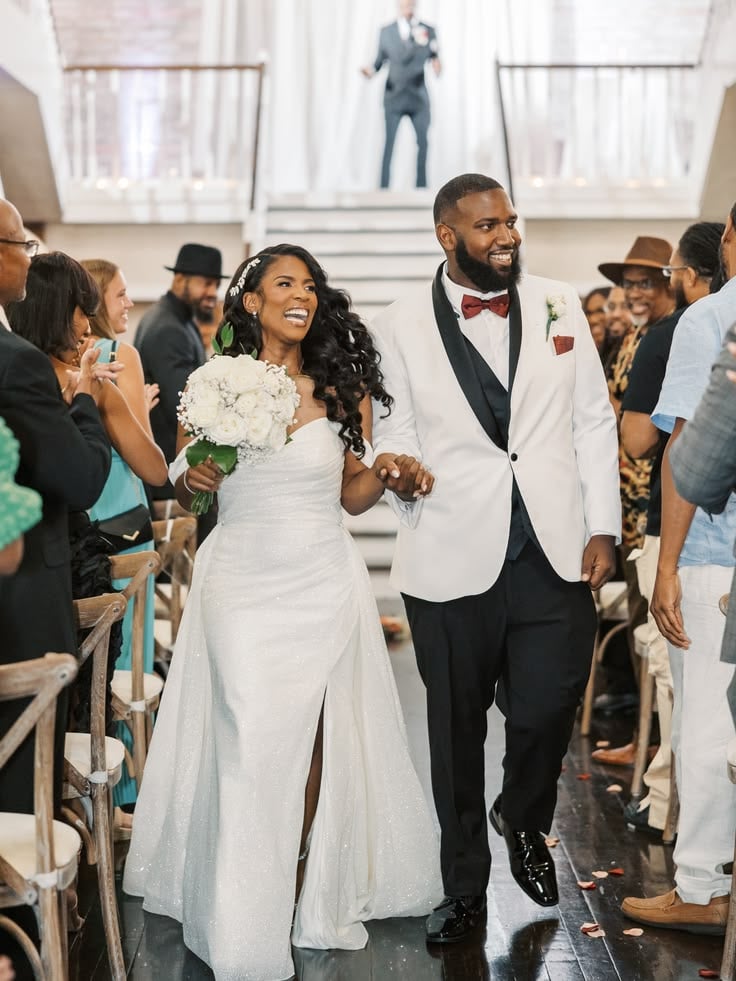
The bridal bouquet is the main bouquet carried by the bride.
It is often one of the most personal floral arrangements of the day.
The bouquet may include the wedding’s main flowers and colors. It can be small and simple or large and dramatic.
The style depends on your personal preference and wedding theme.
Bridesmaid Bouquets
Bridesmaid bouquets are usually designed to complement the bridal bouquet.
They may use some of the same flowers but in a smaller or simpler arrangement.
The bouquets can help create a coordinated look in wedding photographs.
If you are looking for different bouquet styles, 30 Beautiful Bridesmaid Bouquet Ideas can give you inspiration for your bridal party.

Boutonnieres
A boutonniere is a small floral arrangement worn on the lapel of a jacket.
The groom often wears one, and groomsmen may wear coordinating versions.
Boutonnieres can also be worn by fathers, grandfathers, or other important members of the wedding party.
They are usually small and designed to complement the larger floral arrangements.

More Types of Wedding Flower Arrangements
Now that you understand the basic bouquets and boutonnieres, let us look at other flower arrangements you may see during a wedding.
Corsages
A corsage is a small floral arrangement usually worn on clothing or the wrist.
Corsages are often given to important family members, such as mothers and grandmothers.
You do not have to include corsages in your wedding. It depends on your traditions and personal preferences.
If you decide to have them, they can be designed to match the rest of your wedding flowers.

Flower Girl Petals and Flowers
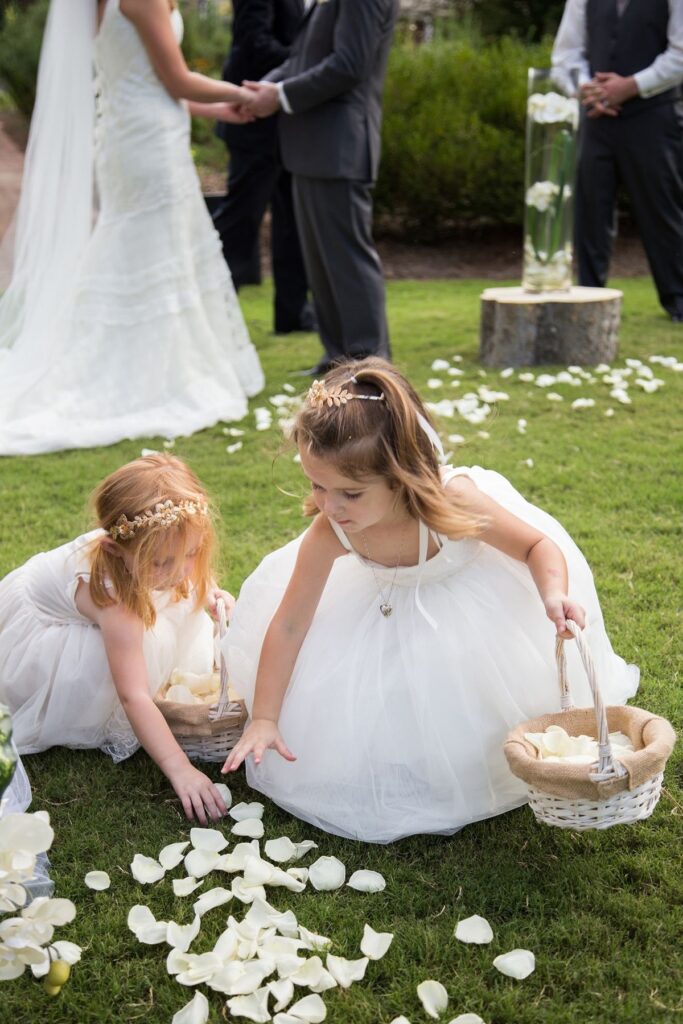
Flower girls may carry a small basket with petals, a mini bouquet, or another simple floral item.
Some couples prefer to keep things simple with dried petals or even skip petals completely.
Think about the age of the flower girl and what will be easy for her to carry.
The flowers do not need to be elaborate.
A small arrangement that matches the wedding style can look just as beautiful.
Ceremony Flowers
Ceremony flowers are the arrangements used where you exchange your vows.
These flowers can help create a beautiful focal point for the ceremony.
Entrance Flowers
You can place flowers near the entrance to welcome guests.
This may include arrangements beside doors, on signs, or around the beginning of the aisle.
Entrance flowers are optional.
If your budget is limited, you may prefer to focus your flowers on the ceremony space itself.
Aisle Flowers
Aisle flowers can be placed along the chairs or at certain points beside the aisle.
They can create a romantic look and add color to your ceremony photographs.
You do not need flowers beside every chair.
A few arrangements placed at important points can still create a beautiful effect.

Altar or Ceremony Backdrop Flowers
The altar area is where many important wedding photographs are taken.
Flowers can be used around an arch, backdrop, pillars, or other ceremony structure.
You can choose something simple or create a large floral display.
The size should depend on your venue, wedding style, and budget.
If you are planning each part of your wedding step by step, How to Plan a Wedding Step by Step for Beginners can help you organize your decisions without feeling lost.

Reception Flowers
Reception flowers help decorate the space where you and your guests will celebrate.
The arrangements you choose can depend on the size of the venue and the type of tables you are using.
Table Centerpieces
Centerpieces are one of the most common reception flower arrangements.
They are placed in the center of guest tables.
You can choose low arrangements that allow guests to see each other easily. Tall arrangements can also create a dramatic look in a large venue.
When choosing centerpieces, think about how guests will interact around the table.
A beautiful arrangement should not make it difficult for people to have conversations.
Head Table Flowers
The head table is often a focal point during the reception.
You may add flowers along the front of the table or place arrangements around it.
However, this is optional.
You can also decorate the table with candles, greenery, or a few smaller floral arrangements.

Cake Flowers
Flowers can also be used to decorate the wedding cake.
A few carefully placed flowers can make a simple cake feel more connected to your wedding design.
If you plan to use real flowers, make sure they are safe for use around food.
Your florist and cake designer can help you decide on the best approach.

Think About Your Wedding Party
Your wedding flowers can connect different parts of your celebration.
The bridal bouquet, bridesmaid bouquets, boutonnieres, and ceremony flowers can all share similar colors or flower types.
They do not have to look exactly the same.
A coordinated look often feels more natural when there is some variety.
If you are organizing the many details your bridesmaids need before the wedding, The Ultimate Bridesmaid Checklist can help you stay on track.

Choosing Your Wedding Flowers
Once you understand the different types of wedding flower arrangements, you can start thinking about the flowers themselves.
You do not need to choose every flower immediately.
Start with the overall look you want. Then think about colors, flower styles, and the arrangements that matter most to you.
Choose a Color Palette First
Your wedding colors can give you a helpful starting point.
You may already have bridesmaid dress colors, table decorations, or other details that can guide your choices.
For example, soft pink and white flowers can create a romantic look. Green and white arrangements may feel fresh and timeless. Bright colors can bring more energy to the celebration.
You do not have to use every wedding color in your flowers.
Sometimes, choosing two or three main shades creates a cleaner and more beautiful result.
If you are exploring different dress styles and colors for your bridal party, 29 Bridesmaid Dress Trends You’ll See Everywhere This Year can give you ideas that may inspire your overall wedding look.

Think About the Season
The time of year can influence the flowers available for your wedding.
Some flowers are easier to find during certain seasons. Others may be available throughout the year.
Seasonal flowers can sometimes be a more practical choice because they are easier for florists to source.
However, availability can depend on where you live and where your florist gets their flowers.
If you have a specific flower in mind, ask your florist about availability before making it the centre of your entire design.
You may discover a similar flower that gives you the same look.
Popular Wedding Flowers for Beginners
You do not need to memorize hundreds of flower names.
Learning about a few popular options can help you understand what you like.
Roses
Roses are one of the most popular wedding flowers.
They come in many colors and can work with romantic, modern, traditional, and elegant wedding styles.
Different types of roses can also create different looks.
Some have a neat and classic shape, while others have a fuller and softer appearance.

Peonies
Peonies are known for their large, soft, and full blooms.
They are popular for romantic wedding designs.
However, their availability can depend on the season.
If peonies are important to your wedding vision, speak with your florist early.

Hydrangeas
Hydrangeas can create a full arrangement without needing a large number of individual stems.
They come in several colors and can work well in larger arrangements.
They are often used in ceremony flowers and reception centerpieces.

Tulips
Tulips can give wedding flowers a simple and elegant appearance.
They work especially well for spring weddings.
You can use one color for a clean look or combine complementary shades for something more playful.

Fresh Flowers, Dried Flowers, or Artificial Flowers?
Fresh flowers are not your only option.
Dried flowers have become popular for couples who want a softer, natural, and long-lasting look.
Artificial flowers can also be useful, especially if you want to keep your arrangements as a memory after the wedding.
Each option has advantages.
Fresh flowers can provide natural beauty and fragrance. Dried flowers can create texture and may be easier to keep. Artificial flowers can offer more flexibility with certain colors and flower types.
The best choice depends on your style and budget.

How to Decide Where to Spend More
You may not have enough money to place large flower arrangements everywhere.
That is completely fine.
Choose the areas that matter most to you.
For some couples, the ceremony backdrop is the priority. For others, the bridal bouquet and reception tables matter more.
Think about where you will take the most photographs and where guests will spend the most time.
You can then focus your budget on those areas.
If you are trying to avoid missing important costs while planning your wedding, Wedding Expenses Couples Forget to Budget For can help you prepare for expenses that may not be obvious at the beginning.

Reuse Your Wedding Flowers
One simple way to get more from your flowers is to reuse them.
For example, ceremony arrangements may be moved to the reception after the ceremony.
Bridesmaid bouquets can sometimes be placed in vases to decorate tables.
This can help you get more use from arrangements you have already paid for.
Speak with your florist and wedding coordinator about what can be moved safely and when.
A little planning can help your flowers work harder throughout the day.

How to Work With Your Florist
You do not need to arrive at your florist’s meeting knowing exactly what you want.
Pictures can be very helpful.
Save examples of bouquets, centerpieces, and ceremony arrangements that catch your attention.
Then ask yourself what you like about them.
Is it the color combination? The shape of the bouquet? The amount of greenery? The type of flowers?
This gives your florist a better understanding of your style.
Be honest about your budget too.
A good florist may be able to suggest alternatives that create a similar look without using the most expensive flowers.
Wedding Flower Styles You Should Know
Flowers can look very different depending on how they are arranged.
Round Bouquets
Round bouquets have a neat and balanced shape.
The flowers are arranged closely together to create a full appearance.
This style can work beautifully for traditional and elegant weddings.

Cascading Bouquets
A cascading bouquet is designed to flow downward.
It can create a dramatic and romantic look, especially when it includes trailing flowers or greenery.
This style works well for brides who want their bouquet to make a strong statement.

Hand-Tied Bouquets
Hand-tied bouquets often have a softer and more natural appearance.
The flowers may look loosely gathered rather than arranged into a perfect shape.
This style can work beautifully for garden, outdoor, and relaxed weddings.
If you want more ideas for different bouquet styles, 30 Beautiful Bridesmaid Bouquet Ideas can help you explore arrangements that may suit your wedding.

Greenery and Filler Flowers
Wedding flowers do not have to include large blooms alone.
Greenery can add texture and create a natural look.
Some couples use plenty of foliage, while others prefer flowers to remain the main focus.
Smaller flowers can also fill spaces and make arrangements look softer and fuller.
You do not need to know the names of every type of greenery or filler flower.
Focus on the overall look you love and let your florist guide you through the options.

Do Your Flowers Need to Match Everything?
No.
Your flowers should feel connected to your wedding, but they do not need to look identical everywhere.
You may use the same main colors in your bridal bouquet and ceremony flowers while choosing a different arrangement style for the reception.
The same idea applies to your wedding party.
The flowers should work well beside the bridesmaid dresses without matching them exactly.
If you are considering different ways to create a coordinated bridal party, 21 Mismatched Bridesmaid Dresses That Look Beautiful Together can give you inspiration for mixing styles while keeping the overall look connected.
How Many Wedding Flowers Do You Actually Need?
There is no fixed number.
Some couples use flowers throughout the entire venue. Others choose only a few important arrangements.
Start with the essentials.
You may want flowers for:
- The bridal bouquet
- Bridesmaid bouquets
- Groom and groomsmen boutonnieres
- The ceremony space
- Reception tables
After choosing the essentials, you can decide whether you want flowers for the entrance, cake, signs, or other areas.
Try not to feel pressured to decorate every available space.
A few beautiful arrangements can have a bigger impact than many small decorations.

Give Yourself Enough Time
Wedding flowers are easier to plan when you do not leave everything until the last minute.
Start collecting ideas early.
You do not need to make every decision immediately, but having enough time allows you to compare options and speak with different florists.
If you are planning your wedding over several months, The Perfect 12-Month Wedding Planning Timeline can help you understand when to handle important decisions.
You can also take the planning process one step at a time.
If everything starts to feel like too much, How to Plan a Beautiful Wedding Without Feeling Overwhelmed can help you focus on what matters most.
Frequently Asked Questions About Wedding Flowers
Do I need to know the names of the flowers I want?
No. Pictures and examples can help your florist understand your style. You can then work together to choose the right flowers.
How do I choose wedding flowers on a budget?
Start with the arrangements that matter most to you. Seasonal flowers, simpler designs, and reusing ceremony flowers can also help you manage costs.
Do all wedding flowers have to match?
No. They should feel connected through color, style, or overall mood, but they do not need to be identical.
When should I start planning my wedding flowers?
It is a good idea to start collecting ideas early and speak with a florist once you have a clearer idea of your wedding date, venue, and style.
Can I mix fresh and artificial flowers?
Yes. Some couples combine different types of flowers to create the look they want. Discuss your ideas with your florist or decorator before making a final decision.
Final Thoughts
Wedding flowers can seem complicated when you are just starting, but you do not need to know everything at once.
Begin with the basics.
Think about your wedding style, colors, budget, and the areas where flowers will matter most to you.
Then learn about different arrangements and flower styles as you go.
The most important thing is choosing flowers that make your wedding feel personal and beautiful.
You do not need the biggest arrangements or the most expensive flowers to create a lovely celebration.
A clear vision, thoughtful choices, and the right florist can help you bring everything together.