Single-Tier vs Multi-Tier Wedding Cakes
Disclosure: Some of the links in this post are affiliate links. This means if you click on the link and purchase an item, I will receive an affiliate commission at no extra cost to you.
Your wedding cake does not have to be tall or covered in several tiers to look beautiful. Sometimes, a simple cake with one tier can make just as much of an impression as a large, multi-tier design. The best choice depends on your guest count, budget, wedding style, and the kind of cake you have always imagined for your celebration.
Some couples love the traditional look of a tall wedding cake with several decorated tiers. Others prefer a smaller cake that feels modern, elegant, and easy to serve. There is no right or wrong option, but understanding the differences can help you make a decision you will feel good about.
If you are still deciding which flavor to choose, our guide to Wedding Cake Flavors Guests Actually Love can help you explore delicious options before settling on your final design. Once you know what you want your cake to taste like, you can decide whether a single-tier or multi-tier cake is the better fit for your wedding.
1. What Is a Single-Tier Wedding Cake?
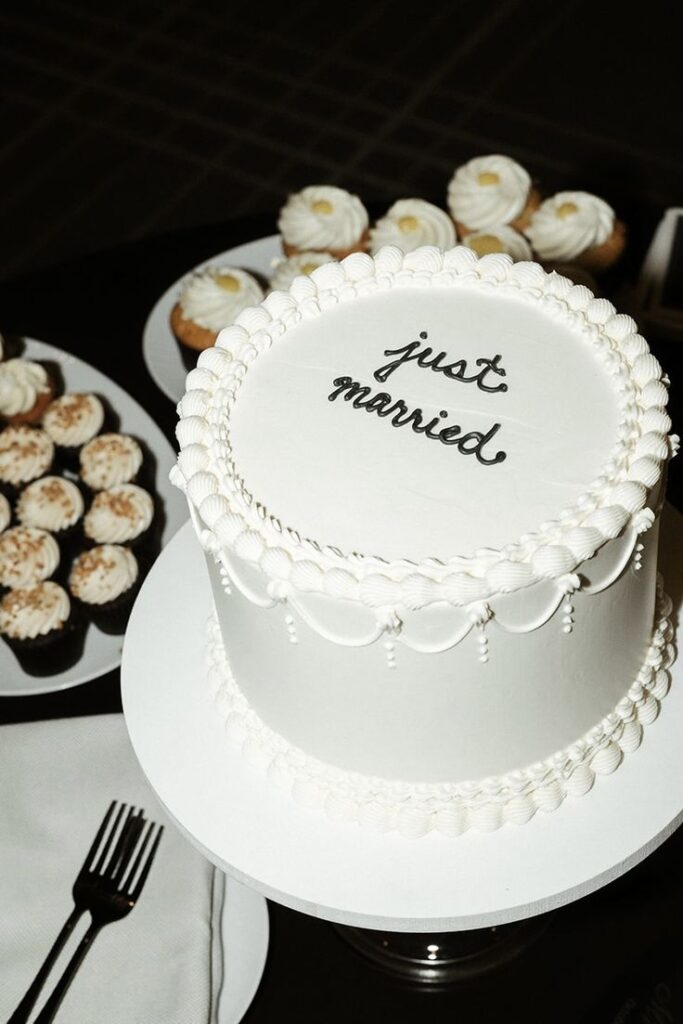
A single-tier wedding cake has one main cake tier rather than several stacked tiers. It can be round, square, rectangular, or another shape your baker can create. Although it is usually smaller than a traditional multi-tier cake, it can still be beautifully decorated.
One of the biggest advantages of a single-tier cake is its simplicity. You can choose smooth buttercream, delicate piping, fresh flowers, or a minimalist design without needing several tiers to make the cake stand out. A carefully decorated single-tier cake can look elegant on a dessert table or serve as the centrepiece for an intimate reception.
Single-tier cakes are especially suitable for smaller weddings, courthouse celebrations, elopements, and receptions where only a limited number of guests will be served cake. They can also work well if you plan to offer other desserts alongside the cake.
However, you should not assume that every single-tier cake is small enough for only a few people. The number of servings depends on the cake’s diameter, height, and the way it is cut. A wide, tall single-tier cake may provide more portions than you expect.
Before placing your order, discuss your guest count with your baker. You should know how many servings the cake will provide and whether that number matches your plans. For a more detailed guide, read Wedding Cake Sizes: How Much Cake Do You Really Need? to understand how cake dimensions affect the number of portions.
2. What Is a Multi-Tier Wedding Cake?
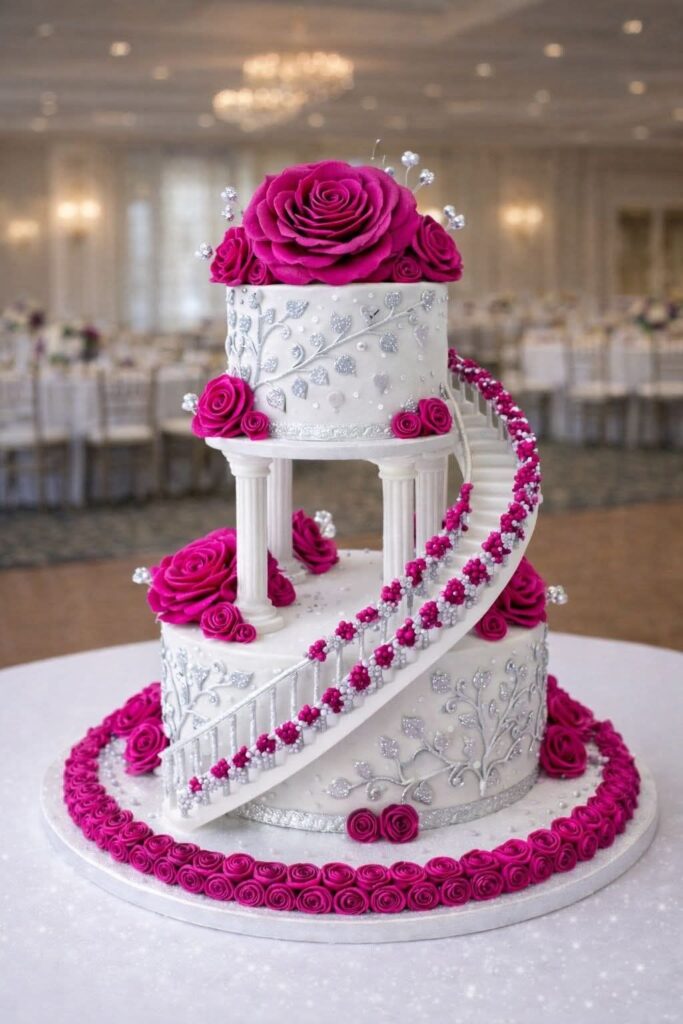
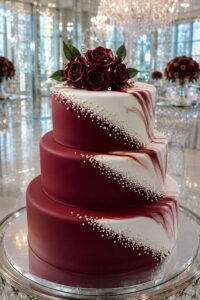
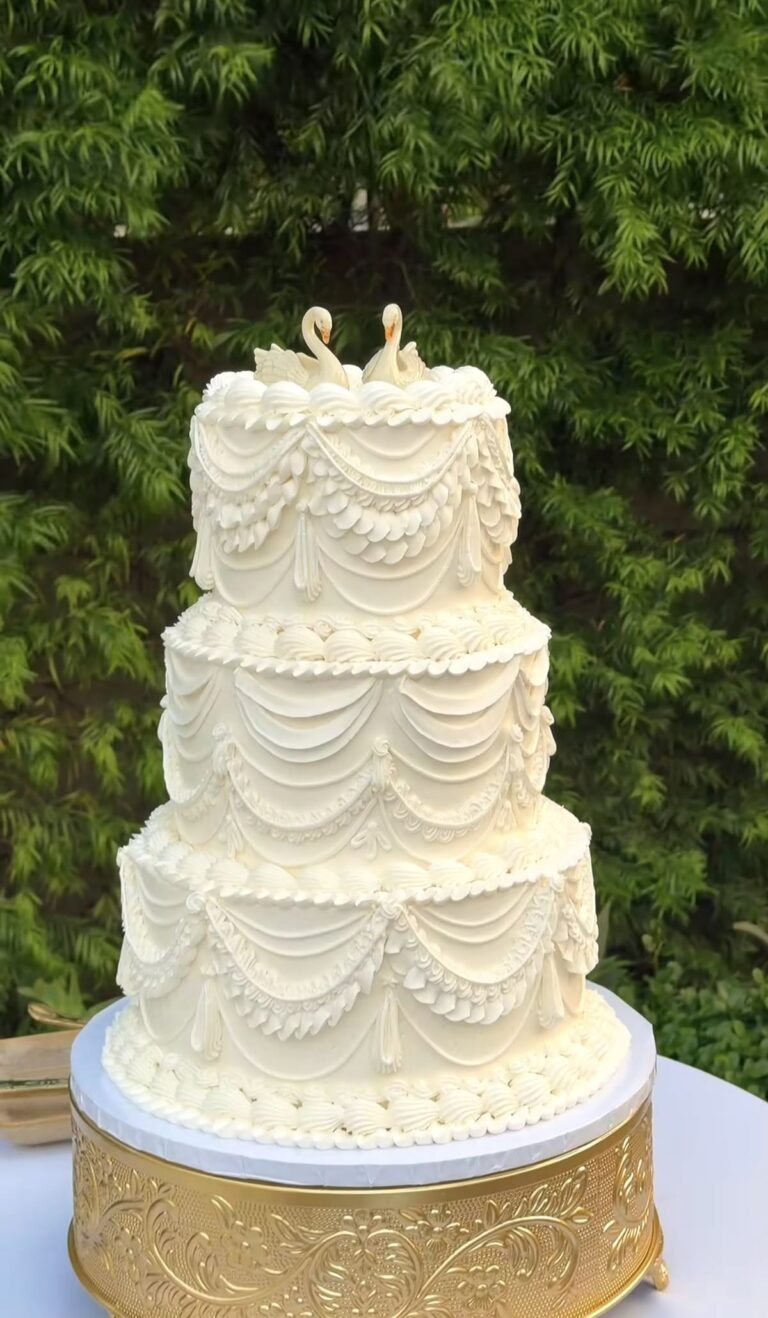
A multi-tier wedding cake consists of two or more cake tiers stacked on top of one another. Each tier can have a different diameter, and the baker may use different decorations, colors, or flavors to create the final design.
This style is often associated with traditional weddings because it creates height and gives the cake a strong presence at the reception. A tall cake can become a focal point in the room, especially when it is placed on a decorated table or displayed near the reception entrance.
Multi-tier cakes also give you more opportunities to personalize your design. You might choose vanilla for one tier, chocolate for another, and lemon for a third. You can also combine different decorative details while keeping the overall appearance consistent.
Another advantage is that multiple tiers can provide enough servings for a larger guest list. Instead of ordering several separate cakes, you may be able to serve everyone from one coordinated design.
However, more tiers can mean greater complexity. Depending on the size and decoration, your baker may need additional ingredients, structural supports, preparation time, and setup at the venue. These details can affect the final price.
That is why you should compare the full cost before deciding. The Hidden Reason Weddings Go Over Budget is worth reading if you want to understand how individual wedding choices can gradually increase your spending. A beautiful cake should fit your celebration without putting unnecessary pressure on the rest of your budget.
3. Which Option Is Better for Your Guest Count?
Your guest count is one of the most important factors to consider when choosing between a single-tier and multi-tier wedding cake.
If you are hosting a small wedding, a single-tier cake may provide enough servings without leaving you with too much leftover cake. It can also suit a relaxed reception where you want a beautiful dessert without making the cake the main focus of the event.
For example, a couple hosting an intimate celebration with 15 to 25 guests might find that a single-tier cake provides enough portions. The exact size will depend on the serving guide your baker uses, so always confirm the number before ordering.
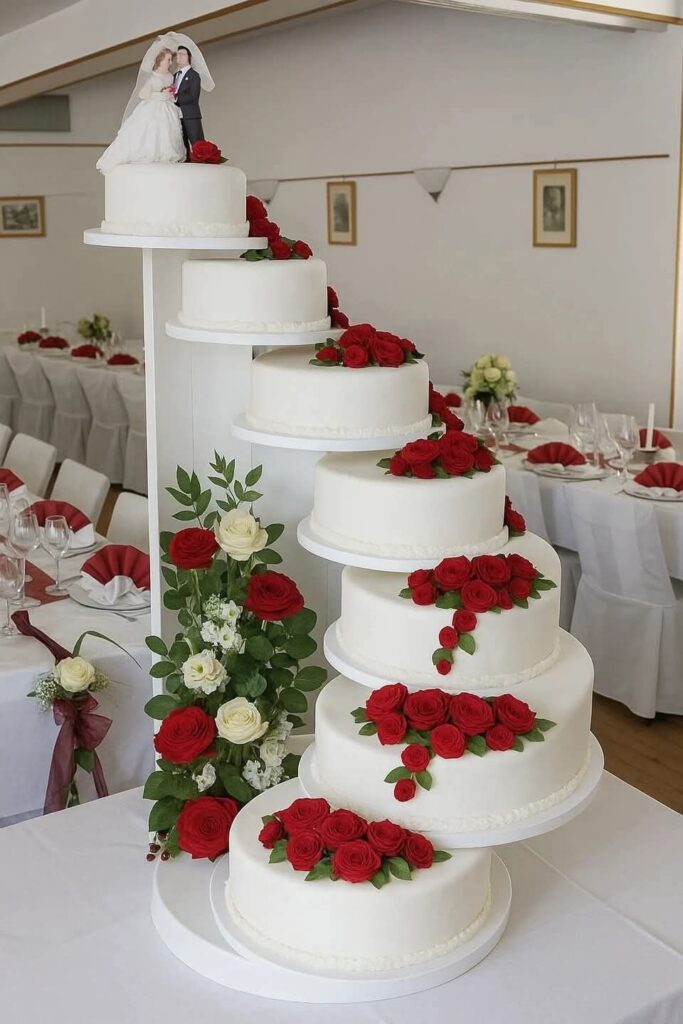
For a larger wedding, a multi-tier cake may be more practical. Several tiers can provide more servings while creating the tall, traditional look many couples want. You can also ask your baker about combining a smaller display cake with a separate cutting cake if you prefer a particular design but need additional portions.
Think about how the cake will be served, too. If you plan to offer cupcakes, cookies, pastries, or a dessert table, not every guest may want a slice of cake. However, you should avoid assuming that everyone will skip it. Some guests may still want to enjoy a piece even after trying other desserts.
Your final decision should reflect the number of people attending and how you plan to serve dessert. 15 Wedding Planning Mistakes That Can Cost You Thousands is another useful resource if you want to avoid making expensive decisions without checking the practical details first.
4. Compare the Cost of a Single-Tier and Multi-Tier Cake
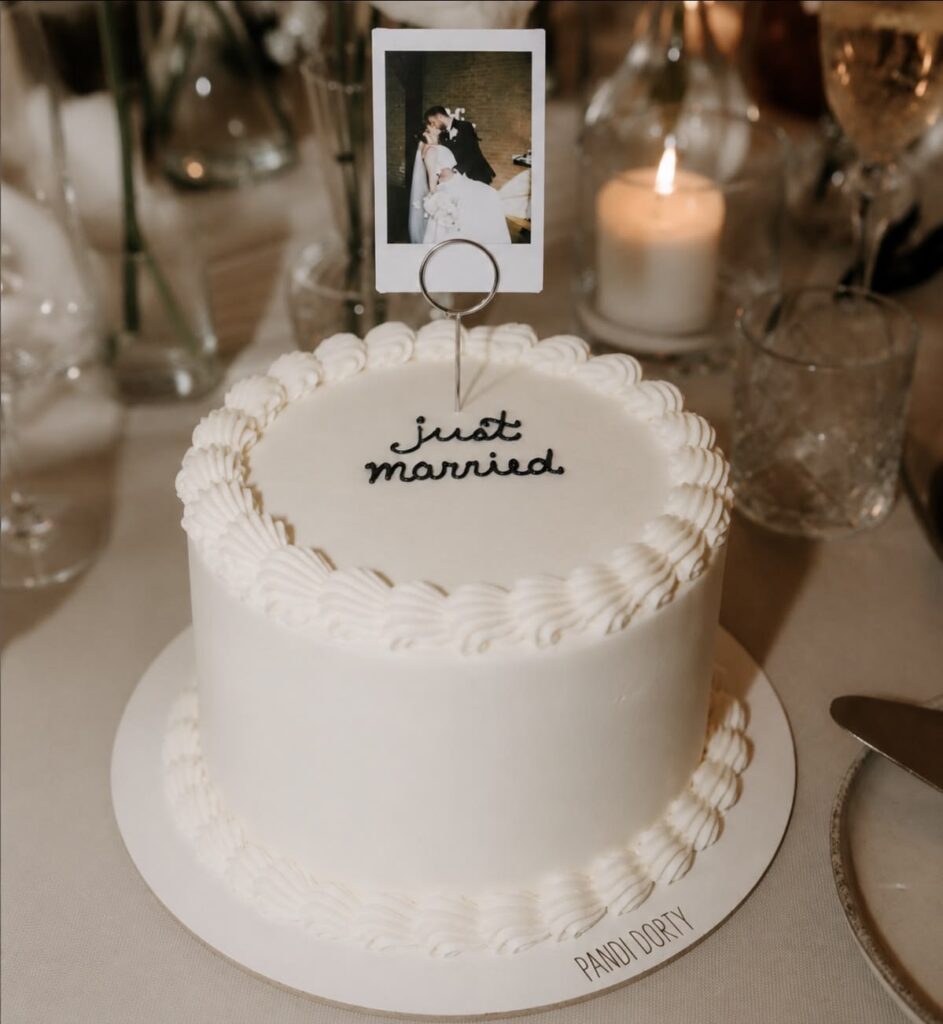
Price is another major difference between single-tier and multi-tier wedding cakes. A single-tier cake will often cost less because it usually requires fewer ingredients and less preparation. However, the final price still depends on the recipe, size, decorations, and the baker’s pricing.
A simple single-tier cake with buttercream may be relatively affordable, while a large cake covered in intricate sugar flowers or detailed piping can cost considerably more. A smaller cake is not automatically inexpensive if the design requires hours of work.
Multi-tier cakes generally involve more preparation. Each tier needs to be baked, filled, covered, and decorated. Larger cakes may also require internal supports to keep the structure stable during delivery and display.
The design can affect the cost just as much as the number of tiers. Fresh flowers, handmade sugar decorations, metallic finishes, custom toppers, and intricate patterns may increase the price. If you want several tiers without a complicated design, ask your baker whether a simpler finish could help you stay within budget.
When comparing quotes, make sure you are comparing similar cakes. Ask about the number of servings, ingredients, decorations, delivery, setup, and any additional charges. A lower quote may not include everything you need.
It is also helpful to decide on your maximum cake budget before visiting bakeries. This gives you a clear starting point and makes it easier to discuss realistic options with your baker.
5. Choose a Cake That Fits Your Wedding Style
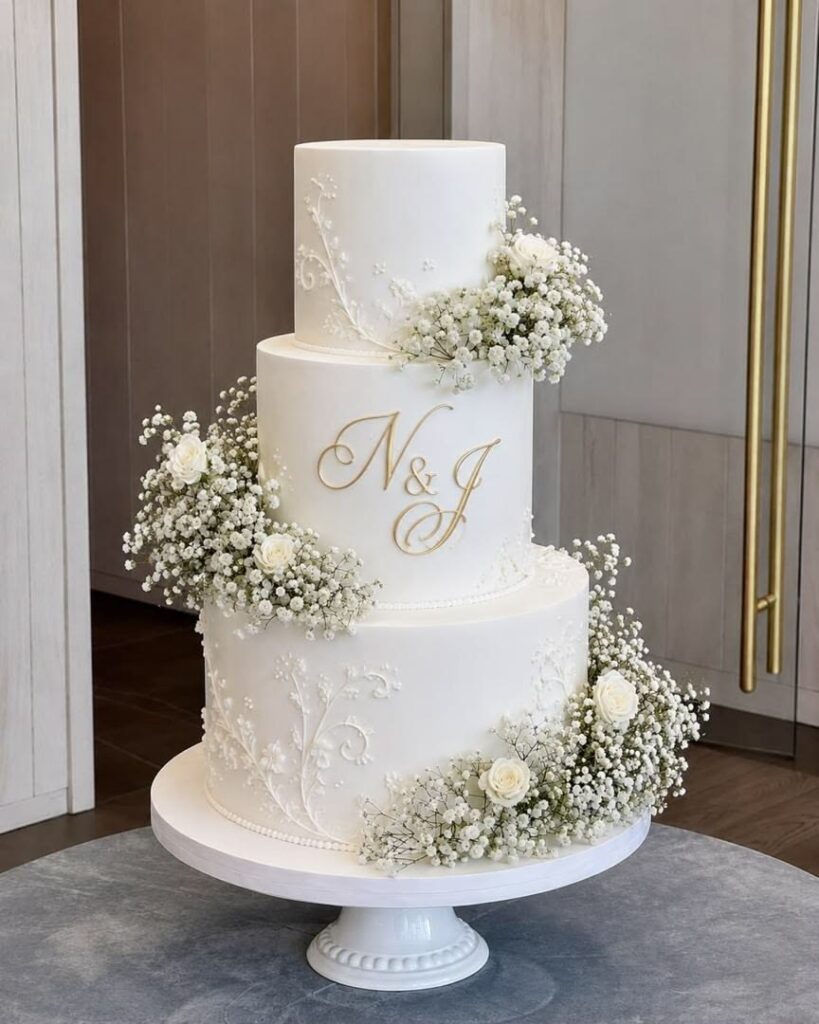
Your wedding cake should feel like it belongs at your celebration. The choice between a single-tier and multi-tier cake can influence the overall appearance of your reception, so consider your venue, decorations, and the atmosphere you want to create.
A single-tier cake can be perfect for a minimalist wedding. You might choose a smooth white finish, a few fresh flowers, or subtle piping. This approach keeps the design simple while still giving you something beautiful for your cake-cutting photographs.
Multi-tier cakes can suit both traditional and modern weddings. A classic white cake with several tiers can create a timeless look, while a contemporary design might feature different textures, unusual shapes, or a combination of colors.
Your cake does not need to match every decoration exactly. Instead, look for details that complement one another. For instance, the cake’s colors could coordinate with your table settings or floral arrangements without copying them completely.
If you are planning a floral cake design, consider the flowers used elsewhere at your reception. 20 Simple Bridal Bouquet Ideas That Feel Elegant can give you inspiration for floral styles and color combinations that may complement your cake.
The most important thing is to choose a design you genuinely like. Do not feel pressured to order a tall cake just because you have seen it at other weddings. A smaller cake can be just as memorable when it reflects your taste and suits your celebration.
Your wedding stationery can also help establish the overall look and feel of your event. If you are still developing your visual theme, 23 Elegant Wedding Invitation Designs can offer ideas for coordinating colors, patterns, and decorative details across your wedding.
6. Consider the Cake Design and Decorations
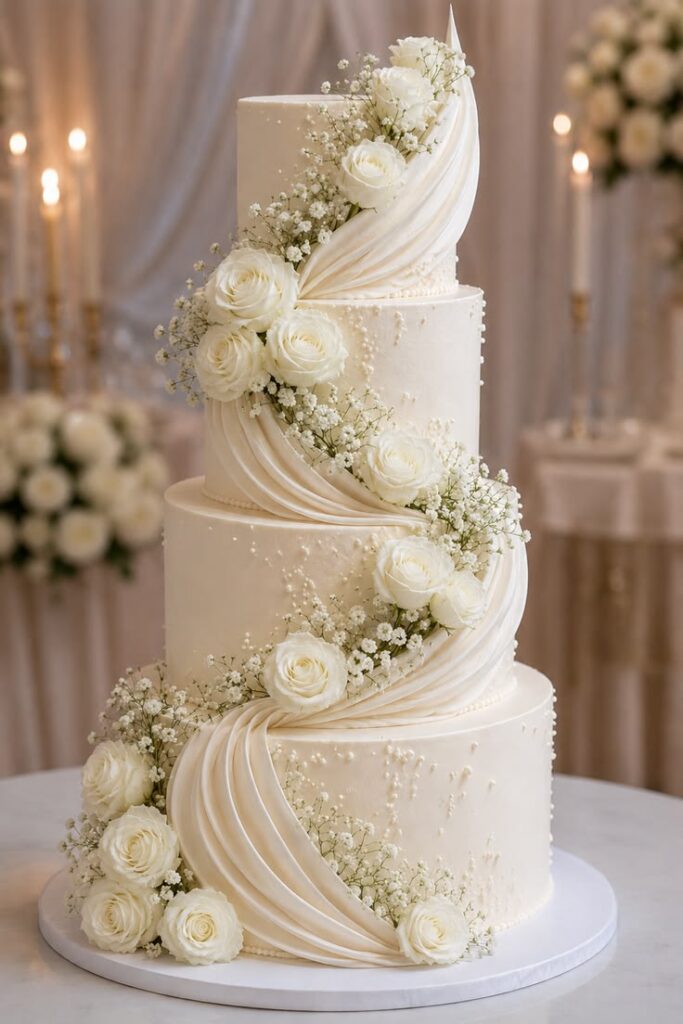
The number of tiers you choose can affect how your wedding cake is decorated. A single-tier cake gives you a smaller space to work with, but that does not mean your design options are limited. Your baker can use fresh flowers, textured buttercream, delicate piping, or a beautiful cake topper to create a design that feels special.
If you prefer a clean and modern look, a single-tier cake with smooth frosting and minimal decoration may be perfect. You could add a few flowers or a small personalized topper without making the cake look crowded.
Multi-tier cakes offer more room for creative details. Your baker can use different textures on each tier, add cascading flowers, or create a design that becomes more detailed toward the top. You can also choose different shades of the same color to create a coordinated appearance.
However, more decoration does not always mean a better cake. A design that looks beautiful in photographs may not suit your venue, budget, or personal taste. Focus on the details that matter most to you rather than adding every decorative feature you see online.
If you love a simple aesthetic, 25 Minimalist Wedding Invitations can provide inspiration for clean lines, understated details, and a polished look. You can apply the same idea to your cake by choosing a design that feels elegant without being overly complicated.
7. Think About Cake Delivery and Setup
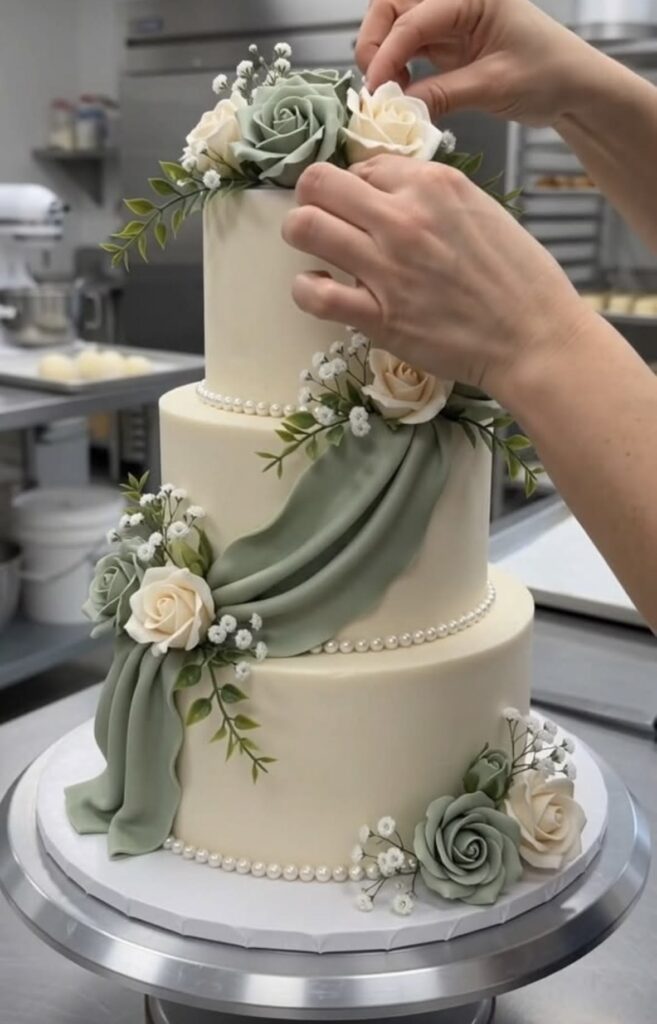
Cake delivery is an important detail, especially when you choose a multi-tier wedding cake. A large cake may require careful transportation, structural support, and assembly at the venue. Your baker needs to know where the cake will be displayed and whether the location is suitable.
A single-tier cake is usually easier to transport because it has fewer structural concerns. However, the size, weight, decorations, and filling can still affect how it should be handled. A cake with delicate flowers or a soft filling may need special care even if it has only one tier.
Before booking your baker, ask whether delivery and setup are included in the quoted price. Some bakeries charge separately for transportation, while others include it in their package. If your venue is far away, confirm whether there are additional travel fees.
You should also check the venue’s arrangements. Make sure there is a stable table, enough space for the cake, and suitable temperature conditions. Buttercream, cream cheese frosting, and some fillings can soften in warm environments, so ask your baker about the best way to store the cake before serving.
If your wedding involves several suppliers, keep the delivery time and setup arrangements in your planning notes. Clear communication can help prevent last-minute confusion. For more guidance on staying organized, Why Your Wedding Still Feels Disorganized (Even With a Planner) is a useful reminder that even small details need proper coordination.
8. Decide Whether You Want Different Flavors in Each Tier
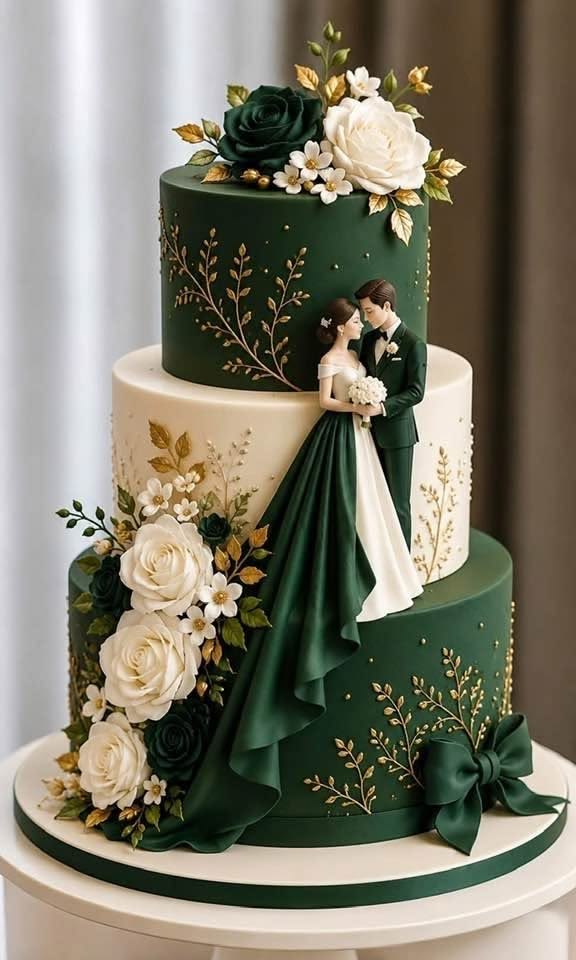
One advantage of a multi-tier cake is the opportunity to offer different flavors. You and your partner may love different cakes, so separate tiers can provide a practical way to include both preferences.
For example, you could choose vanilla for the bottom tier, chocolate for the middle tier, and lemon for the top tier. Another option is to use the same cake flavor throughout but choose different fillings, such as raspberry, salted caramel, or vanilla buttercream.
Before making your selection, ask your baker whether different flavors will affect the price. Some bakeries charge extra for certain ingredients or fillings, and more complicated combinations may require additional preparation.
If you choose a single-tier cake, you can still offer variety by serving a separate dessert or arranging a small selection of cupcakes. This gives guests more choices without requiring you to order a large multi-tier cake.
Think about the flavors you and your partner genuinely enjoy. It is easy to become distracted by popular combinations, but your wedding cake should reflect your preferences. You can also ask a few trusted people to taste your shortlisted options, although the final decision should remain yours.
Save this post: How to Choose the Perfect Wedding Venue
9. Understand the Difference Between Real Tiers and Dummy Tiers
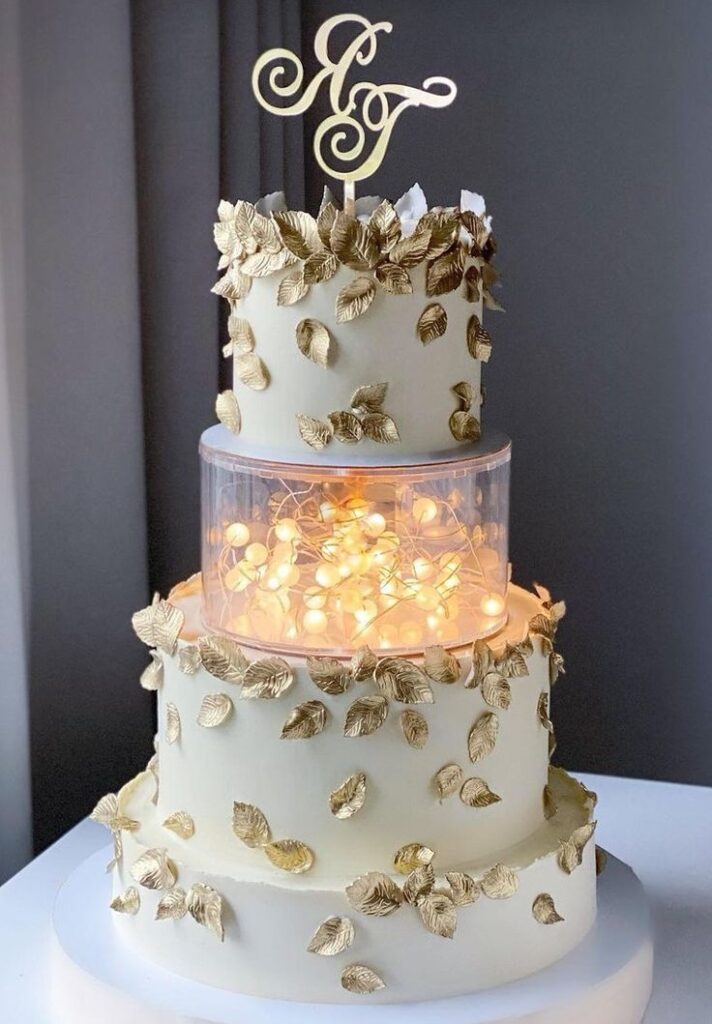
If you love the look of a tall wedding cake but do not need that many servings, ask your baker about dummy tiers. These are decorative tiers made from materials such as foam rather than edible cake.
Dummy tiers can help create the appearance of a larger cake without requiring every tier to contain cake. This may be useful when you want a dramatic display but plan to serve guests from a smaller cake or separate cutting cake.
However, dummy tiers are not automatically cheaper. They still need to be covered and decorated, and elaborate designs can require considerable work. Ask your baker to compare the cost of a fully edible cake with a design that includes dummy tiers.
You should also confirm which tiers are edible and how the cake will be served. If you choose this option, make sure your caterer knows where the actual cake portions will come from so guests are served without confusion.
A display cake with dummy tiers can be a practical solution, but it is not necessary for every wedding. If your guest list is small or you prefer a simpler celebration, a single-tier cake may be all you need.
You will love this post: Wedding Invitation Wording Examples
10. Make Your Final Decision Based on Your Priorities
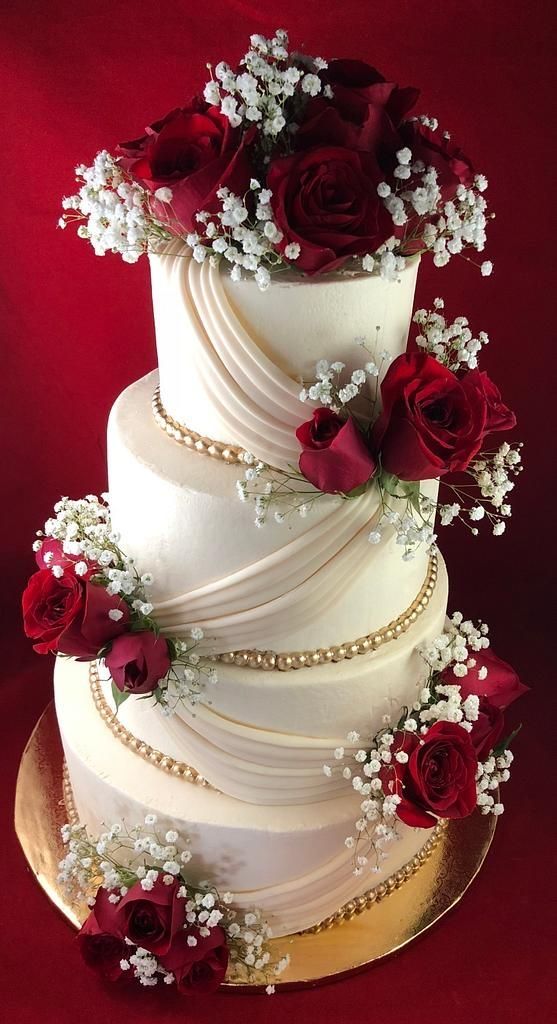
By now, you may have a better idea of which cake style suits your wedding. Before placing your order, take a moment to compare your guest count, budget, preferred design, and serving arrangements.
A single-tier cake may be the better choice if you want something simple, affordable, and suitable for an intimate gathering. A multi-tier cake may be worth considering if you have a larger guest list or want a traditional centerpiece with plenty of room for decorative details.
There is also a middle ground. You could choose a small display cake with additional servings prepared separately, or order a two-tier cake that offers a little height without becoming too large.
If you are still comparing wedding expenses, revisit The Hidden Reason Weddings Go Over Budget and 15 Wedding Planning Mistakes That Can Cost You Thousands. Both topics are useful reminders to make decisions based on your priorities rather than feeling pressured to spend more than you planned.
Once you have chosen your preferred style, confirm the number of servings, flavors, design, delivery arrangements, and final price in writing. This gives you and your baker a clear understanding of what will be provided.
Your cake should fit your celebration, not create unnecessary stress. When you know what matters most to you, it becomes much easier to choose a design that feels right.
Frequently Asked Questions
Is a single-tier wedding cake too simple for a wedding?
Not at all. A single-tier cake can look elegant with the right decorations, colors, and finishing details. It is particularly suitable for smaller weddings, intimate receptions, and couples who prefer a minimalist design.
Is a multi-tier wedding cake always more expensive?
Not always, but it often costs more because it may require additional ingredients, preparation, decorations, and structural support. The final price depends on the size, design, ingredients, and bakery.
How many guests can a single-tier wedding cake serve?
That depends on the cake’s dimensions and the serving size recommended by your baker. A wide, tall cake can provide more portions than a smaller cake, so confirm the serving estimate before ordering.
Can a multi-tier wedding cake have different flavors?
Yes. Many bakers allow couples to choose different flavors or fillings for each tier. Ask whether this affects the price and whether the selected combinations will work well together.
Are dummy tiers a good idea for a wedding cake?
They can be useful if you want a tall display cake but do not need every tier to provide servings. However, the cost of decorating dummy tiers may reduce the savings, so compare the options with your baker.
When should I book my wedding cake baker?
It is best to start researching bakers early, especially if you want a custom design or are getting married during a busy wedding season. Ask about booking requirements, tasting appointments, and the deadline for confirming your final details.
Final Thoughts
Choosing between a single-tier and multi-tier wedding cake comes down to what works best for your celebration. Both options can look beautiful, taste delicious, and create a special moment when you cut the cake.
If you are planning a small wedding, a single-tier cake may provide everything you need. If you have more guests or want a traditional centerpiece, a multi-tier design may be a better fit. You can also explore alternatives, such as dummy tiers or a separate cutting cake, if you want a larger display without needing every tier to serve guests.
Before making your final decision, talk to your baker about serving sizes, prices, decorations, and delivery. Comparing these details will help you choose confidently and avoid surprises later.
Most importantly, do not feel that your cake has to be large to be memorable. Choose a style that reflects your taste, suits your budget, and gives you something you will be happy to share with your guests.