
The Ultimate Baby Guide for New Parents: Everything You Need From Pregnancy to Toddlerhood

There’s this feeling that hits the moment you find out you’re going to be a parent, whether it’s two lines on a test, a phone call about an adoption match, or any of the dozens of ways people start this journey. Half of you are doing cartwheels. The other half is quietly screaming, “Wait… what do I actually need to know?!”
Take a breath. You don’t need to figure it all out today or even this week. This baby guide for new parents walks through the whole ride, from that first positive test all the way through the wonderfully chaotic toddler years. Grab a cup of tea, decaf, if you’re expecting! And let’s get into it.
Pregnancy: Your Body, Your Baby, and the Wild Ride Ahead

The First Trimester: Welcome to the Rollercoaster
The first 12 weeks are a strange mix of excitement and “why do I feel like I got hit by a truck?” Hormones are surging, your body is quietly building an entire human being from scratch, and somehow you’re still expected to function normally at work like nothing’s happening.
Things that are completely normal during this stage:

Nausea (often called morning sickness, even though it can show up morning, noon, and night rude, honestly). Crackers, ginger tea, and small, frequent meals can help take the edge off.
Fatigue that hits like a wall. Your body is working overtime, so rest whenever you can. This isn’t laziness; it’s biology.
Mood swings. Between the hormones and the sheer “I’m having a baby” reality setting in, feeling like you’re on an emotional seesaw is completely normal.
This is also the time to start prenatal vitamins (folic acid especially matters for your baby’s development), book your first prenatal appointment, and start thinking about which healthcare provider or hospital feels right for you, and don’t be shy in those appointments; there’s no such thing as a silly question when it comes to your baby.
The Second Trimester: The “Honeymoon Phase“
Many people call this the easiest trimester and for good reason. The nausea often eases up, your energy starts coming back, and somewhere around 18-22 weeks, you’ll likely feel your baby move for the first time. That first flutter (some describe it as butterflies, others say it feels like popcorn popping) is genuinely one of the most magical moments of pregnancy.
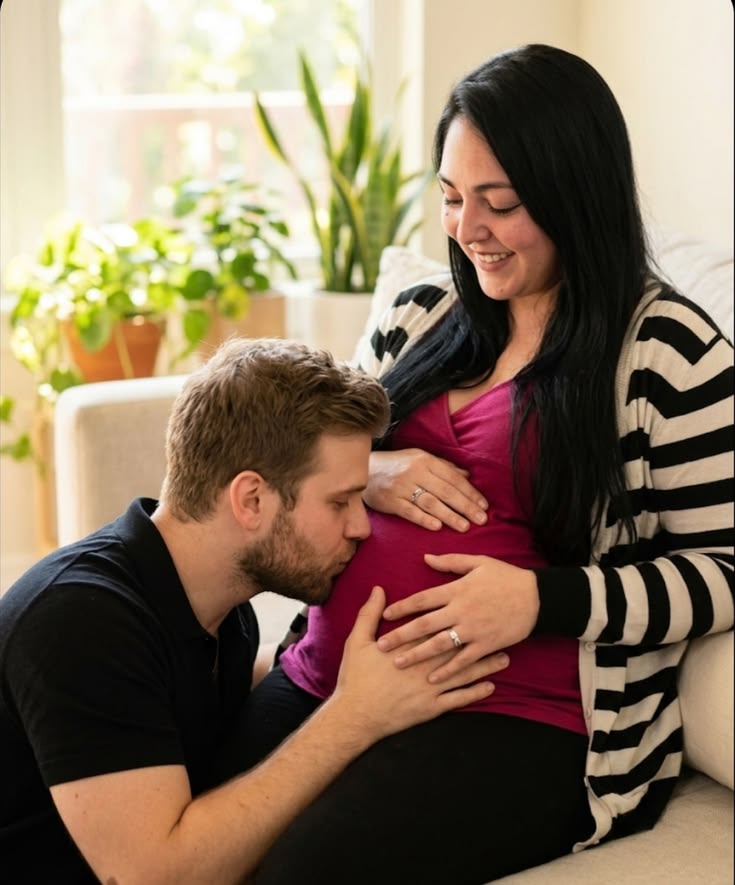
This is also a good time to start building your support system, whether that’s your partner, family, friends, or a community of other expecting parents. Pregnancy can be physically and emotionally demanding, and you really don’t have to carry it all alone. If you have people who’ve offered to help “whenever you need it,” this is the stage to start figuring out what that help could actually look like.
Use this window to also start thinking about baby gear and, if you’re the planning type, putting together a baby registry- it makes it so much easier for people who want to help to know exactly what would be useful. If it’s your first baby, a childbirth or prenatal class can also help calm a lot of the “what’s actually going to happen” anxiety, and honestly, this is a good time to enjoy the calmer energy while it lasts.
The Third Trimester: The Final Stretch
This is where things get real physically, a bit more uncomfortable. Your baby is growing rapidly, which means more pressure, more frequent bathroom trips, and possibly trouble sleeping (the irony of preparing for sleepless nights by not sleeping).
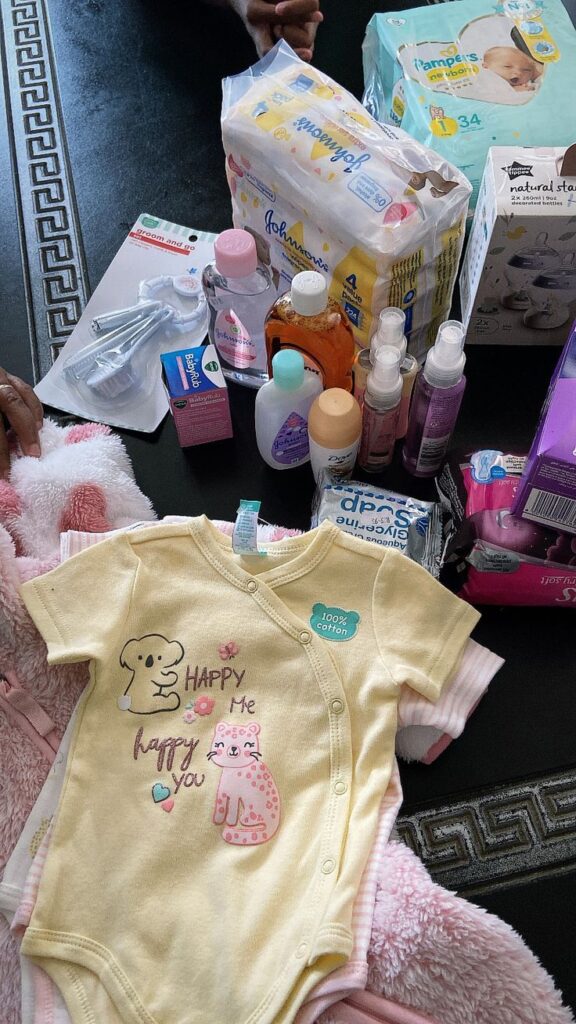
By around 36 weeks, pack your hospital bag- comfy clothes, toiletries, important documents, and an outfit for the baby to come home in. Finalize your birth plan, but hold it loosely; birth doesn’t always go exactly as planned, and that’s okay. Set up the sleeping space, install the car seat (and get it checked if you can), and wash baby clothes and linens with something gentle and fragrance-free. rest. Seriously. Sleep now is an investment in your sanity later.
The Newborn Stage: Surviving and Loving, the First Few Months
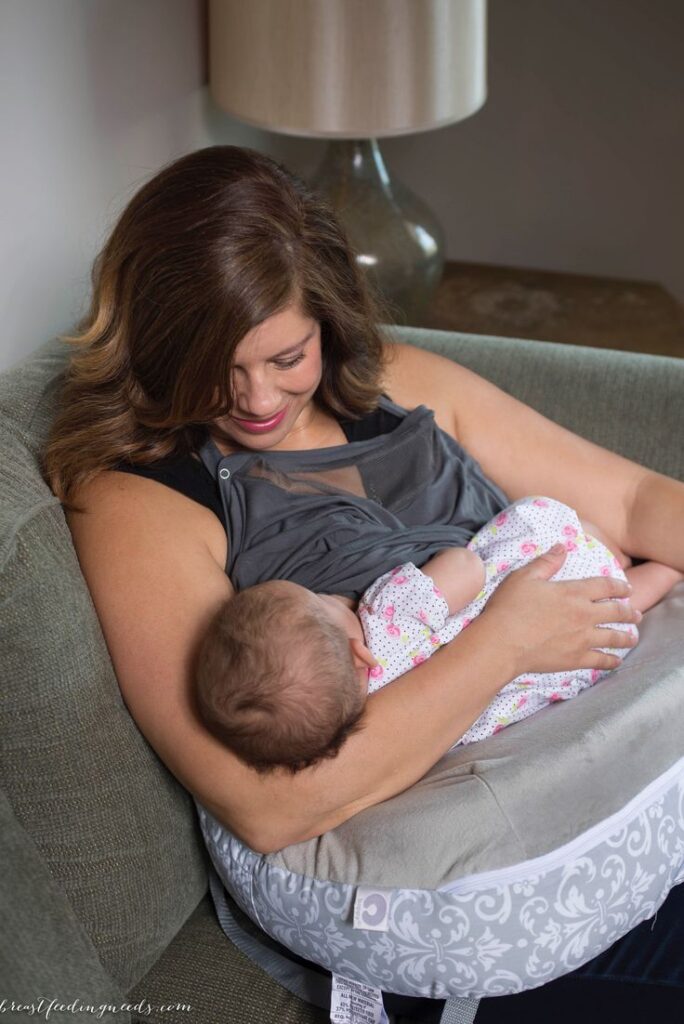
Nothing, and we mean nothing, quite prepares you for bringing a newborn home. It’s a beautiful blur of love, exhaustion, and constant learning. The good news: newborns don’t come with a manual, but they do come with some predictable patterns once you know what to look for.
Feeding happens often every 2 to 3 hours, including overnight, whether you’re breastfeeding, formula feeding, or doing both. Tiny tummies need tiny, frequent meals.
Sleep totals around 14-17 hours a day, just not in one convenient block. Their internal clock hasn’t developed yet, so day and night don’t mean much to them yet.
Diapers multiply fast. Six to ten wet diapers a day is actually a good sign that feeding is on track.
Crying is their main language. Hunger, discomfort, tiredness, a diaper change, or just needing to be held over time, you’ll start picking up on the differences.
One thing that often gets overlooked in all this: you matter too. The postpartum period — sometimes called the “fourth trimester” is a huge adjustment, physically, emotionally, and mentally. It’s completely normal to feel overwhelmed, teary, or a little lost in those early weeks.
Skin-to-skin contact is wonderful for bonding and can help regulate baby’s heart rate, temperature, and breathing. And don’t be afraid to ask for help, whether it’s a partner, family member, friend, or postpartum doula, accepting support isn’t a failure, it’s smart parenting. If feelings of sadness, anxiety, or disconnection linger beyond a couple of weeks, talk to your healthcare provider — postpartum depression and anxiety are medical conditions, not character flaws, and support is genuinely available.
The Infant Stage (3-12 Months)):Milestones, Growth, and Finding Your Rhythm
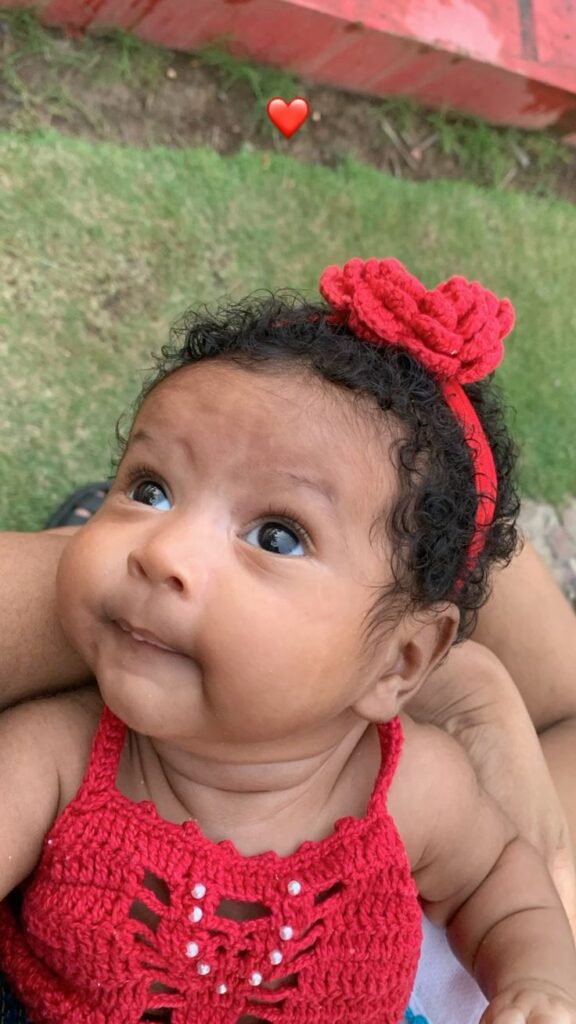
By now, you’ve mostly survived the newborn fog, and things start to feel a little more predictable. Babies at this stage are growing fast, physically, mentally, and emotionally, and watching them discover the world is genuinely one of the best parts of parenting.
Around 4-6 months, babies often start rolling over, reaching for objects, and showing interest in food. Around 6-9 months, comes sitting up without support, babbling (“ba-ba,” “da-da”), and starting on purees or soft solids depending on your pediatrician’s guidance. By 9-12 months, many babies are crawling, pulling themselves up to stand, and some even take their first steps close to their first birthday, though plenty don’t walk until well after, and that’s just as normal.

A gentle reminder: milestones are guides, not deadlines. Babies develop at their own pace, and “normal” has a wide range. If you ever have concerns, your pediatrician is your best resource, not Google at 2 am. We’ve all been there, but try to resist.
This stage is often when more structured routines start to take shape: naps, bedtime rituals, and feeding schedules. They don’t have to be rigid, but a loose rhythm can genuinely help everyone feel a bit more settled. When introducing solids (usually around 6 months), start with single-ingredient purees or soft finger foods, watch for any reactions, and introduce new foods one at a time, a few days apart.
The Toddler Years: Big Feelings, Big Personalities
Welcome to toddlerhood, where your sweet, cuddly baby suddenly has opinions. Strong ones. About everything. The color of their cup. Which sock goes on which foot (apparently it matters, a LOT).
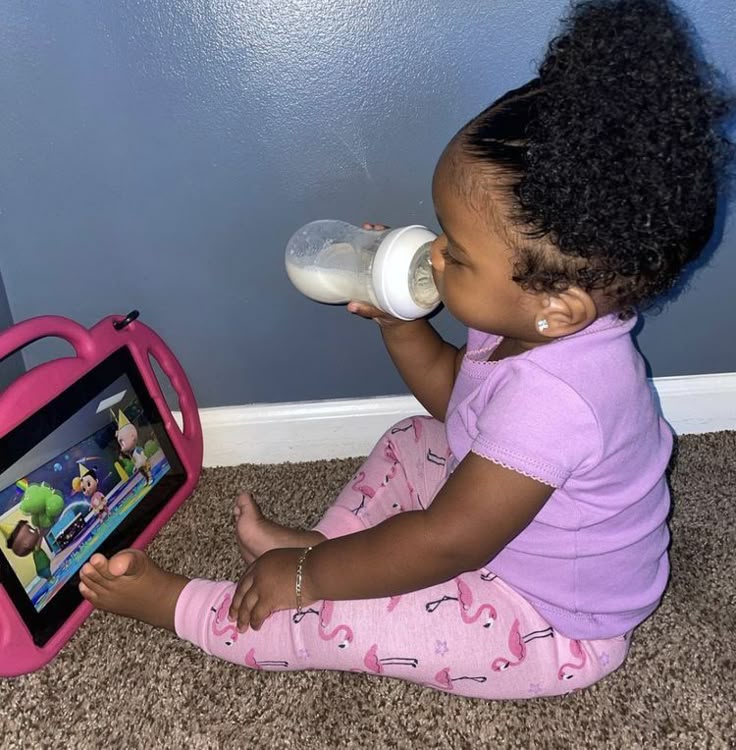
Toddlers (roughly ages 1-3) are going through massive developmental leaps, language explosion, growing independence, and emotional development that’s still very much under construction. Tantrums aren’t a sign you’re doing something wrong; they’re a sign your toddler’s brain is still learning how to handle big emotions with very limited tools. When they happen, staying calm, validating the feeling, holding consistent boundaries, and avoiding power struggles where you can goes a long way even when every instinct says otherwise.
Language development moves fast during this stage, from single words to short sentences. Reading daily, asking questions, naming objects, having real conversations, and keeping screen time in check all help build vocabulary faster than you’d expect.
Potty training has no “perfect age.” Most toddlers show readiness somewhere between 18 months and 3 years staying dry longer, showing interest in the toilet, or telling you when they’re wet are all good cues to watch for.
Independence becomes the theme of the day. “Me do it!” becomes a common phrase, and letting toddlers feed themselves, pick their own (questionable) outfit combinations, or help with small tasks builds real confidence, even if it takes three times as long and leaves a mess.
Toddler-Proofing: Round Two
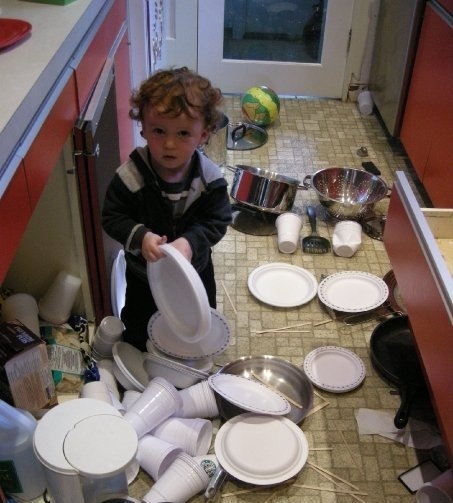
As mobility increases, so does curiosity, and toddlers are remarkably creative at finding trouble. This is the stage to take a fresh look at your home through tiny, determined eyes: secure heavy furniture that could tip over, cover electrical outlets, install safety gates near stairs, lock cabinets containing anything hazardous, and move breakables and chemicals well out of reach. What was “babyproofed” for a newborn often needs a serious upgrade once a toddler can climb, open, and reach things you didn’t think were possible.
Baby Essentials: What You Actually Need
New parents get bombarded with products that promise to make everything easier. Some genuinely help, but you don’t need all of it, especially not on day one. Here’s what actually covers the basics:
Feeding: bottles, burp cloths, bibs, and nursing supplies if breastfeeding
Sleep: crib or bassinet, fitted sheets, swaddles or sleep sacks
Diapering: diapers, wipes, changing pad, diaper cream
Travel: car seat, stroller, baby carrier
Clothing: onesies, sleepwear, socks, and weather-appropriate outfits
Start simple. You’ll quickly learn what your baby and your routine actually need, and you can always add from there.
The Stuff Nobody Warns You About
No baby guide for new parents would be complete without talking about the hard stuff.
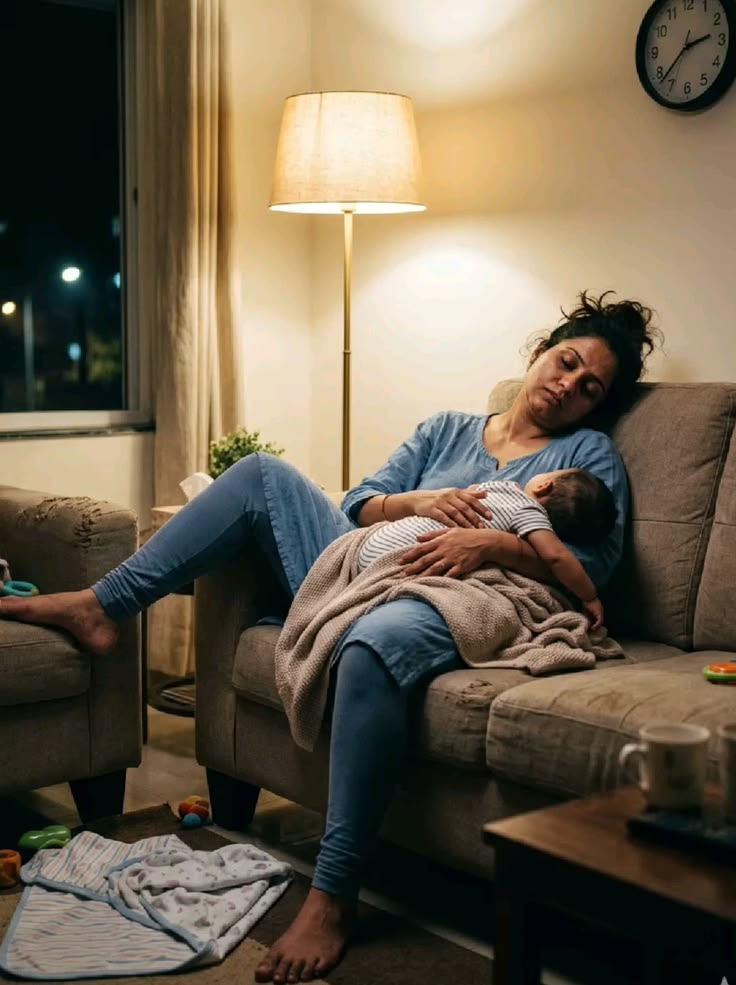
Every parent runs into the same handful of challenges, even if no one talks about them out loud: sleep deprivation that seems to defy physics, feeding struggles that feel way more complicated than they should, postpartum recovery that takes longer than you expect, the juggling act of work and parenting, and that quiet, constant hum of “am I doing this right?”
Here’s something every new parent needs to hear: you do not have to be a perfect parent. Your baby doesn’t need perfection. They need love, safety, consistency, and care, and the fact that you’re here, reading this, trying to get it right, already says a lot about the kind of parent you’re going to be. Give yourself grace as you learn. Everyone does.
Final Thoughts On Your Baby Guide for New Parents
If there’s one thing every parent, new or experienced, needs to hear, it’s this: there’s no such thing as a “perfect” parent, only present ones. You will make mistakes. You will Google things you’re embarrassed to ask out loud. You’ll have days where you feel like you’re failing, and days where you feel like you’ve got this whole parenting thing figured out (spoiler: the figuring-it-out days are temporary too).
From pregnancy to toddlerhood, you’re not just raising a child; you’re growing right alongside them. Trust yourself, keep learning, ask for help when you need it, and remember that every stage, no matter how hard it is, is temporary.
Welcome to parenthood. It’s messy, magical, and absolutely worth it.
Written by Osigwe Lynda Chioma