
The Ultimate Groom’s Wedding Checklist
Disclosure: Some of the links in this post are affiliate links. This means if you click on the link and purchase an item, I will receive an affiliate commission at no extra cost to you.
Planning a wedding can feel like a lot, especially when there are so many details to remember. The groom has an important role in the process too. From choosing the right outfit to preparing for the ceremony, there are plenty of things to handle before the big day.
You do not have to figure everything out at once. A clear checklist can help you stay organized and know what needs your attention.
This guide breaks everything down into simple steps. It covers the early planning stage, wedding outfits, rings, vendors, ceremony details, the wedding day, and the little things that are easy to forget.
If you are also working on the bridal party, How to Pick Bridesmaid Dress Colors That Match Your Wedding can help you keep the bridesmaid look connected to the overall wedding style.
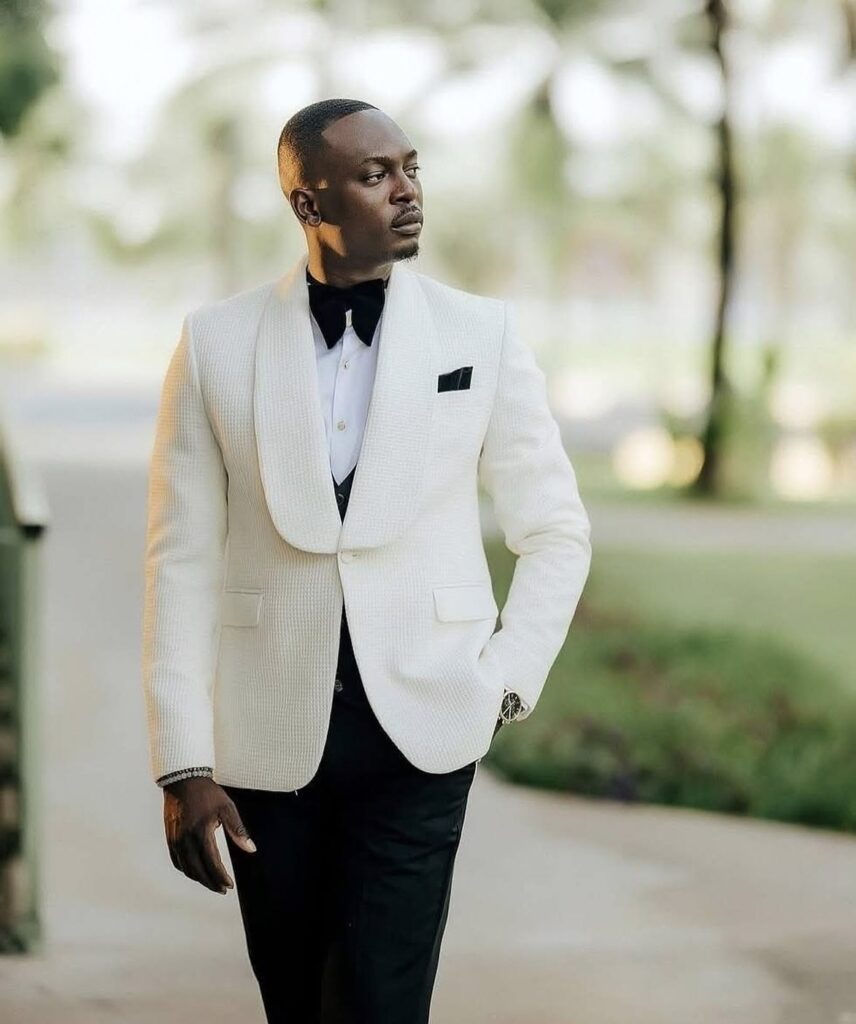
What Should the Groom Be Responsible For?
The groom does not have to handle every wedding task alone. However, there are certain things that are worth taking responsibility for.
These can include your wedding outfit, wedding ring, groomsmen, personal vows, transportation, and some vendor decisions.
You should also stay involved in the budget and major planning choices. Even if you and your partner divide the tasks, regular conversations can help you stay on the same page.
The goal is not to take over the planning. It is to make sure both of you feel involved and prepared.
Bookmark this post: 33 Bridesmaid Hairstyles Everyone Will Love

1. Set Your Wedding Budget
Before making major decisions, sit down with your partner and discuss the wedding budget.
Talk about how much you can realistically spend. Then decide which parts of the wedding matter most to both of you.
You may want to spend more on the venue, photography, food, or entertainment. Another couple may care more about flowers, outfits, or their honeymoon.
Knowing your priorities makes it easier to decide where the money should go.
It is also important to leave room for unexpected expenses. Small costs can add up quickly during wedding planning.
If you want a clearer picture of your overall wedding finances, How Much Does a Wedding Really Cost? can help you understand the expenses you may need to prepare for.

2. Choose Your Wedding Attire
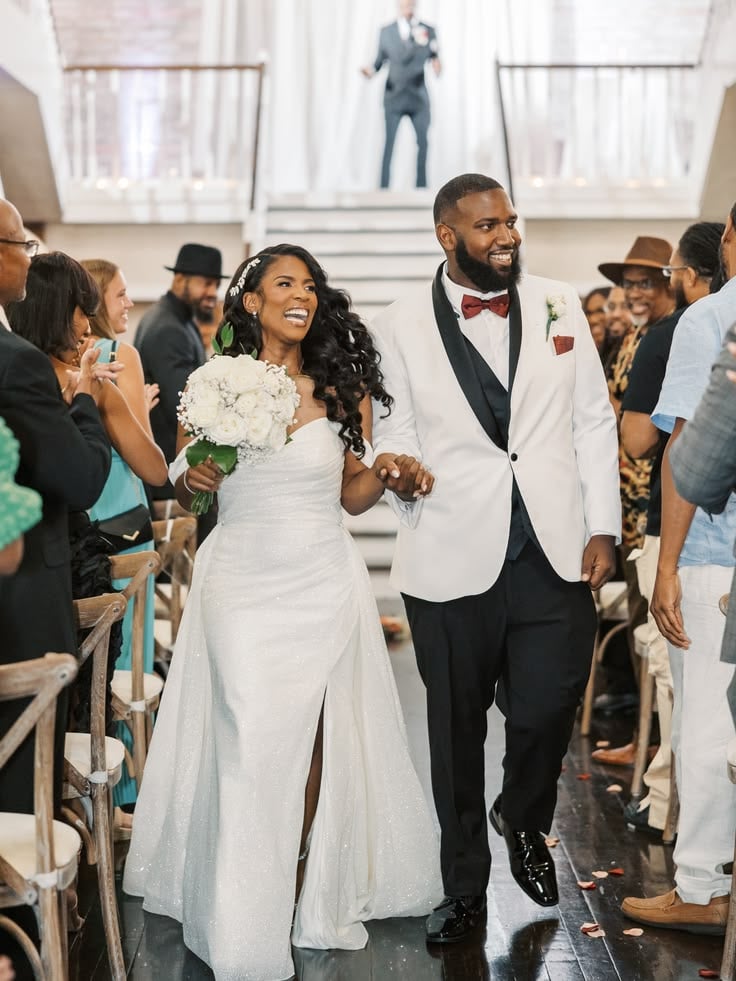
Your wedding outfit is one of the biggest decisions you will make as the groom.
Start by thinking about the wedding style. A formal evening wedding may call for a tuxedo, while a relaxed outdoor celebration may suit a well fitted suit.
Consider the wedding colors too. Your outfit should complement your partner’s dress and the overall wedding palette.
You should also think about comfort. You will be wearing the outfit for several hours, so make sure you can move comfortably.
Do not leave your outfit until the last minute. Give yourself enough time for fittings and possible alterations.
You will love this post: Indoor vs Outdoor Weddings: Which Is Right for You?

3. Decide on Your Wedding Ring
Your wedding ring is something you will wear long after the wedding day.
Think about the metal, design, width, and finish. You should also consider how the ring feels on your finger.
Some grooms prefer simple bands, while others like textured or more detailed designs.
Try different options before making your final decision. The ring should look good, but it should also feel comfortable for everyday wear.
If you and your partner are making several important wedding decisions together, How to Create a Realistic Wedding Budget can help you keep those choices within your planned spending.

4. Choose Your Groomsmen
Think carefully about the people you want standing beside you.
Your groomsmen can be brothers, close friends, cousins, or other important people in your life.
Once you have your group, speak with them early. Let them know the wedding date and what you expect from them.
They may need to budget for suits, travel, accommodation, bachelor events, and other wedding related expenses.
Being clear from the beginning gives everyone enough time to prepare.
Check this out: 43 Elegant Wedding Decor Ideas for Every Budget

5. Plan Your Groomsmen’s Outfits
Once your groomsmen are confirmed, decide what they will wear.
You can choose matching suits or give them a little flexibility within a specific style.
Think about the bridesmaid dresses when choosing their colors. The two sides of the bridal party should complement each other without looking identical.
Decide on the shoes, shirts, ties, pocket squares, and other accessories too.
Then give everyone clear information about where to get their outfits and when they need to be ready.

6. Organize Your Wedding Day Accessories
It is easy to focus on the suit and forget the smaller details.
Make a list of everything you need. This can include your shoes, belt, watch, cufflinks, socks, tie, pocket square, and any other accessories.
Lay everything out before the wedding day. This gives you time to notice anything that is missing.
You should also decide where you will keep important items during the wedding. A trusted member of the wedding party can help look after them.
This might be helpful: 27 Wedding Theme Ideas That Never Go Out of Style

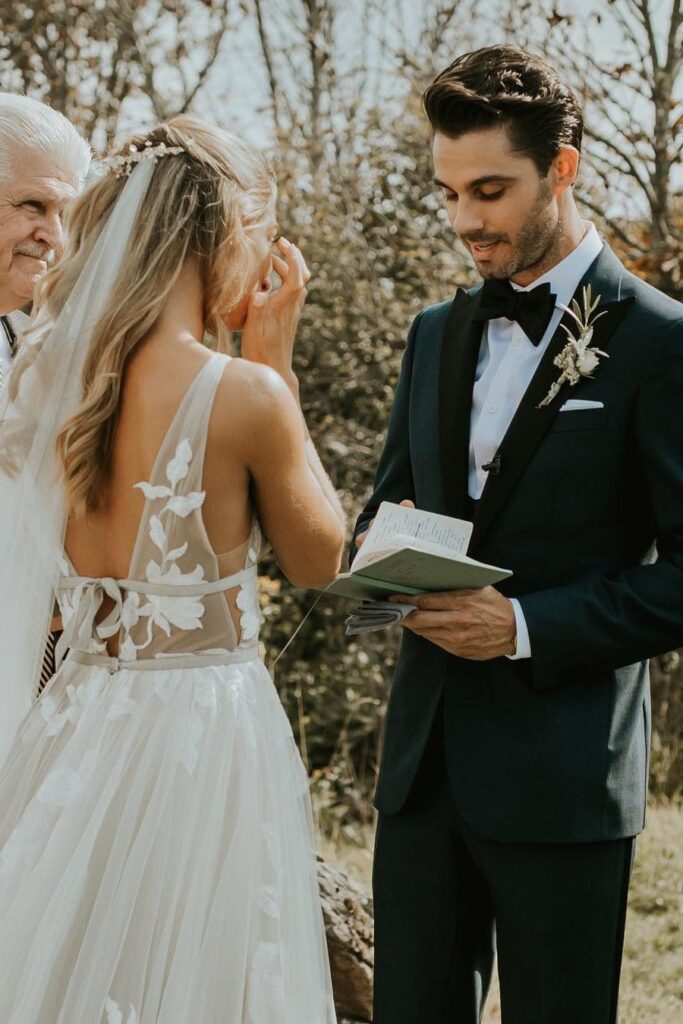
7. Write Your Wedding Vows
If you are writing your own vows, do not wait until the night before.
Start by thinking about what you want to say to your partner. You can talk about your relationship, your favorite memories, what you admire about them, and what you promise for your future together.
Keep the words natural. Your vows do not need to sound like a movie speech.
Write a first draft, read it aloud, and make changes until it sounds like you.
Practice before the ceremony too. This can make you feel more comfortable when the moment arrives.
8. Choose Your Wedding Vendors
The groom should know which vendors are involved in the wedding. You do not need to manage every vendor, but you should understand what each one is responsible for.
This can include the photographer, caterer, DJ, florist, decorator, transportation team, and venue staff.
Keep a list of their names and contact details. It is also useful to know when each vendor is expected to arrive.
This will make the wedding day easier if a question comes up and your partner is busy with something else.
See what is everyone is reading: How to Save Money for Your Wedding Without Sacrificing Style

9. Help Choose the Wedding Venue
The venue affects almost every other part of the wedding. It can influence the decorations, guest experience, photos, food, and even your outfit.
Take time to visit potential venues with your partner. Look at the space, parking, bathrooms, seating, lighting, and facilities.
Ask about what is included in the package. Some venues provide tables and chairs, while others require you to rent them separately.
If you are still comparing options, How to Choose the Perfect Wedding Venue can help you know what to consider before making a decision.

10. Finalize the Guest List Together
The guest list can become one of the more difficult parts of wedding planning.
You and your partner should discuss who you both want to invite. Start with your closest family and friends before adding other guests.
Be realistic about the number of people your budget and venue can handle.
It is also helpful to decide early whether children, plus ones, and distant relatives will be included.
Once the list is settled, keep the final version somewhere both of you can access.
This might be what you are looking for: Wedding Expenses Couples Forget to Budget For

11. Plan the Bachelor Celebration
Your bachelor celebration does not have to be a huge event.
Think about what you and your closest friends would genuinely enjoy. You could have dinner, take a short trip, attend a game, or simply spend an evening together.
Set a budget before making plans. Remember that your groomsmen may already be paying for wedding outfits and travel.
The most important thing is spending quality time together before the wedding.

12. Confirm Transportation
Transportation is easy to overlook until the wedding day arrives.
Decide how you, your partner, the bridal party, and important family members will get to the ceremony and reception.
Confirm pickup times and locations with the driver or transportation company.
You should also know how you will get back after the reception. If you are leaving for your honeymoon immediately, make sure your luggage and transportation plans are already arranged.

13. Prepare Your Wedding Speech
If you are giving a speech at the reception, start preparing early.
Thank your parents, your partner’s family, your wedding party, and everyone who helped make the celebration possible.
Keep the speech personal and fairly short. A few genuine stories are usually more memorable than a long list of names.
Practice it several times before the wedding. You do not need to memorize every word, but knowing the main points will help you feel more confident.
If you are also planning the reception schedule, Wedding Reception Timeline That Keeps Guests Engaged can help you understand how your speech fits into the evening.

14. Check the Ceremony Details
Before the wedding day, make sure you understand what will happen during the ceremony.
Know where you need to stand, when you will enter, where the rings will be, and when you will exchange vows.
Talk to the officiant if you are unsure about anything. It is much easier to ask questions before the wedding than to discover something on the day.
You should also make sure your groomsmen know where they need to be and when they need to arrive.
If you want to understand the ceremony from beginning to end, Wedding Ceremony Order Explained can help you prepare.
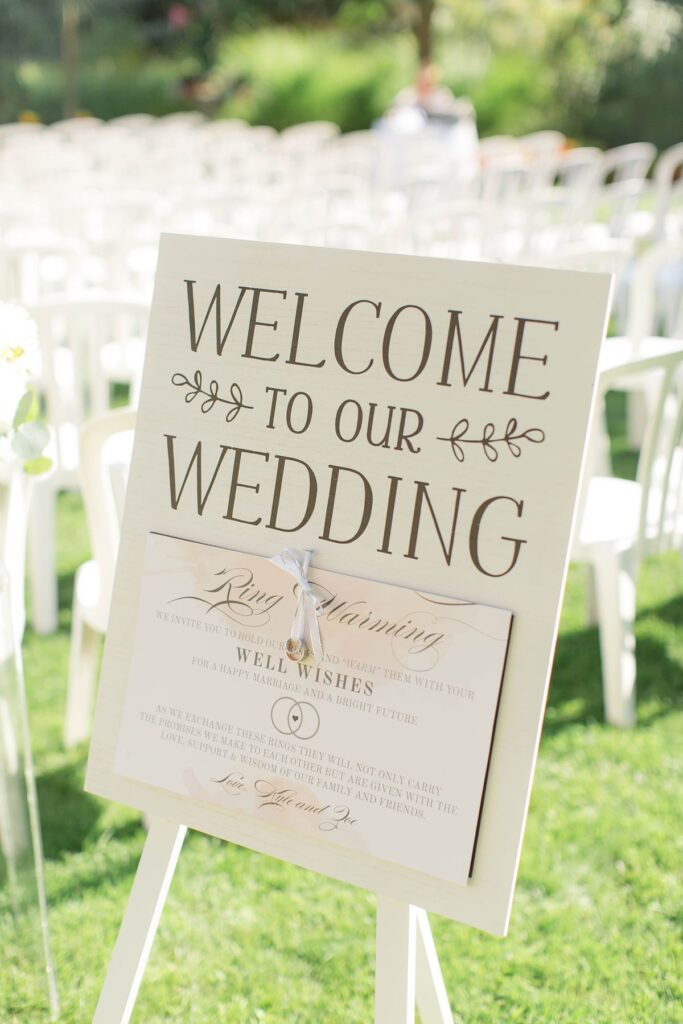
15. Confirm the Wedding Rings
Do not assume the rings are automatically ready because you ordered them weeks ago.
Check that both rings fit correctly and that the engraving is accurate if you requested one.
Keep the rings somewhere safe before the wedding. On the wedding day, make sure the person responsible for them knows exactly where they are.
If you are responsible for carrying the rings, do not leave them in a random pocket or bag.
Choose one secure place and keep them there until the ceremony.

16. Prepare for the Wedding Rehearsal
The rehearsal is a good opportunity to understand how the ceremony will work.
Pay attention to where everyone stands and when each person moves. Ask questions if something is unclear.
Your groomsmen should also know what they are expected to do.
After the rehearsal, take a moment to check that your outfit, rings, transportation, and other important details are ready.
A little preparation at this stage can prevent unnecessary stress later.

17. Check in With Your Partner
Wedding planning can become so busy that couples forget to simply talk to each other.
Take some time to ask your partner how everything is going. Find out if there is anything she needs you to handle.
You do not need to solve every problem yourself. Sometimes, simply knowing that you are paying attention can make the planning process feel easier.
This is also a good time to talk about the things that matter most to both of you on the wedding day.

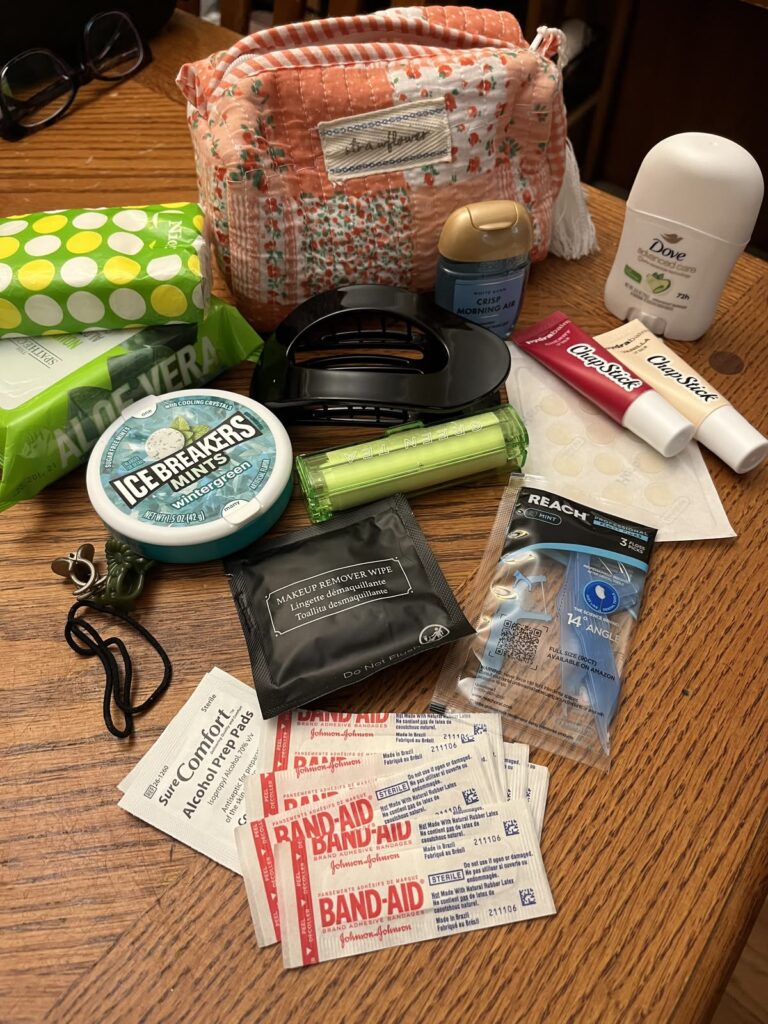
18. Prepare an Emergency Kit
An emergency kit can save you from small problems on the wedding day.
Pack items such as tissues, pain relief, mints, stain remover, safety pins, a small sewing kit, phone charger, and bandages.
You can also add deodorant, breath freshener, and any personal items you may need.
Give the kit to a trusted groomsman or keep it somewhere easy to reach.
You may never need most of it, but having it nearby can make unexpected problems much easier to handle.
19. Get a Good Night’s Sleep
The night before your wedding is not the time for an all night celebration.
Try to finish your major tasks early. Lay out your clothes, charge your phone, and confirm your morning plans.
Then give yourself time to relax.
You may feel excited or nervous, and that is completely normal. Getting enough rest can help you feel more comfortable and present during the wedding.

20. Eat Before the Ceremony
Wedding mornings can become surprisingly busy.
You may be taking photos, getting dressed, talking with your groomsmen, and handling last minute details.
Make sure you eat something before the ceremony. Choose a meal that gives you energy without making you feel too full.
Keep some water nearby too. You will probably be talking and moving around more than usual.

21. Keep Your Phone Charged
Your phone can be useful on the wedding day, but you do not want to spend the entire day checking it.
Charge it fully the night before. Give it to a trusted person if you do not want to carry it around.
That person can handle urgent calls from vendors or guests while you focus on the celebration.
You can then enjoy the day without constantly worrying about messages.

22. Have Your Honeymoon Plans Ready
If you are leaving for your honeymoon soon after the wedding, prepare everything ahead of time.
Check your travel documents, luggage, accommodation details, transportation, and payment methods.
Pack before the wedding day if possible. You do not want to be searching for clothes or documents after a long reception.
Keep important travel information somewhere secure and easy to access.

23. Thank Your Groomsmen
Your groomsmen have probably spent time, money, and energy helping you prepare.
Take a moment to thank them personally.
You can give them a small gift, write a note, or simply speak to each person before or during the wedding.
A genuine thank you can mean a lot. It also gives you a chance to recognize the people who stood beside you during the planning process.

24. Be Present on Your Wedding Day
Once the wedding day arrives, remember that not everything needs your attention.
You have already done the planning. Now it is time to enjoy the result.
Trust your vendors and wedding party to handle small problems. Spend time with your partner, greet your guests, dance, take photos, and enjoy the moments you will remember later.
The wedding does not have to be perfect to be meaningful.

Groom’s Wedding Week Checklist
During the final week, go through your important details one more time.
Confirm your outfit and accessories. Check your wedding ring. Speak with your groomsmen and confirm arrival times.
Make sure transportation is arranged. Check the rehearsal schedule and confirm any remaining vendor details.
Pack your honeymoon luggage if you are traveling soon after the wedding.
Most importantly, avoid taking on unnecessary tasks at the last minute. The goal is to arrive at your wedding feeling prepared rather than exhausted.

Frequently Asked Questions
What should the groom do the week before the wedding?
The groom should confirm his outfit, ring, transportation, groomsmen, speech, rehearsal plans, and honeymoon arrangements. He should also check in with his partner and make sure any important tasks are handled.
Does the groom need to help plan the wedding?
Yes. The groom does not need to handle every task, but being involved in important decisions can make the planning process easier for both partners.
What should the groom bring on the wedding day?
Bring your wedding outfit, shoes, accessories, ring, phone, charger, personal items, and anything needed for your speech or vows.
When should the groom prepare his wedding outfit?
Start early enough to allow time for fittings and alterations. Your final fitting should happen before the wedding so there is time to fix any problems.
What should the groom do on the morning of the wedding?
Eat a good breakfast, stay hydrated, get dressed on time, check in with your groomsmen, and leave enough time to reach the ceremony without rushing.
Final Thoughts
The groom has plenty to do before the wedding, but you do not need to handle everything at once.
Start with the major decisions. Then work through your outfit, ring, groomsmen, vendors, ceremony, reception, and honeymoon plans.
A checklist makes it easier to see what is finished and what still needs attention.
Most importantly, remember that the wedding is about celebrating your marriage. Once the planning is done, give yourself permission to enjoy the day.
Stand beside your partner, appreciate your family and friends, and take in the moments that happen around you.
You will not remember whether every tiny detail was perfect. You will remember how the day felt.