
Could Your Wedding Timeline Be Setting You Up for a Stressful Day?
Disclosure: Some of the links in this post are affiliate links. This means if you click on the link and purchase an item, I will receive an affiliate commission at no extra cost to you.
Your wedding day should be one of the happiest days of your life, but a poorly planned schedule can turn it into a stressful experience. Imagine spending your morning rushing between appointments, arriving late for photos, or discovering that your reception is starting much later than expected.
These problems can take away from the joy of the day, even when every other detail is beautiful.
A wedding timeline helps you understand what needs to happen, when it should happen, and how much time each activity requires. It keeps your vendors on the same page and gives you a clearer picture of how the day will unfold.
However, creating a good schedule involves more than choosing times for your ceremony, photos, and reception. You also need to think about travel, preparation, unexpected delays, and the people who will be helping you.
If you are still organizing your big day, you may also find it helpful to read How to Choose a Wedding Photographer. Your photographer will need enough time to capture important moments without making you feel rushed. Planning photography around the rest of your schedule can make a real difference to your experience.
So, could your wedding timeline be setting you up for a stressful day? Here are the common problems to watch out for and how to create a schedule that allows you to enjoy your celebration.
1. You Have Not Given Yourself Enough Time to Get Ready

One of the easiest ways to start your wedding day feeling stressed is to underestimate how long it takes to get ready. Hair, makeup, dressing, and taking photographs before the ceremony can take several hours, especially when your bridal party is involved.
For example, you might assume that everyone can finish getting ready in two hours. However, your makeup artist may need extra time, someone may arrive late, or your dress may require a little adjustment. Before you know it, you are running behind schedule before the ceremony has even started.
Start by asking your hair and makeup artists how long they need for each person. Give them an accurate headcount and discuss the order in which everyone will be prepared.
If you have several bridesmaids, make sure the schedule allows enough time for each person without making the morning unnecessarily long.
It is also helpful to get certain things ready the night before. Arrange your accessories, shoes, invitation details, and other items you want photographed in one place. Pack your emergency kit and confirm that everyone knows when and where to arrive.
Most importantly, include a little extra time in your schedule. You do not need to fill every minute with an activity. Having room to breathe can help you stay calm, even if something takes longer than expected.
Save this post: How to Create a Realistic Wedding Budget
2. Your Wedding Schedule Has No Room for Unexpected Delays
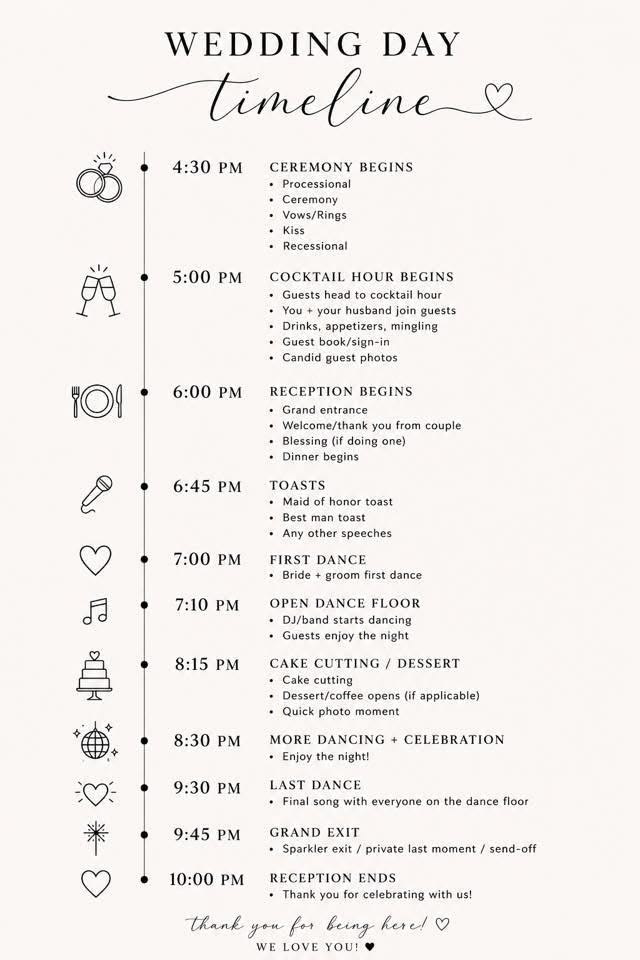
Even the most carefully planned wedding can experience delays. Traffic may be heavier than expected, a vendor may need extra setup time, or guests may take longer to move between locations.
The problem begins when your timeline assumes that everything will happen exactly as planned. If your ceremony ends fifteen minutes late and the next activity has no flexibility, the delay can affect the rest of your day.
This is why you should build small time cushions into your schedule. If travelling between the hotel and ceremony venue usually takes thirty minutes, consider allowing more time for wedding day traffic.
If your ceremony is expected to last thirty minutes, avoid scheduling the next activity as though everyone will be ready to move immediately.
You should also think about the time needed for guests to find their seats, family members to gather for photographs, and vendors to prepare each space. These small details may seem unimportant while planning, but they can affect the entire schedule.
A flexible timeline does not mean leaving everything uncertain. It means being realistic about how long activities take and accepting that a few things may not happen at the exact minute you planned.
If you are trying to avoid unnecessary expenses while making these decisions, read The Hidden Reason Weddings Go Over Budget. Poor timing can sometimes lead to additional charges, particularly when vendors need to stay longer than expected.
3. You Are Trying to Fit Too Many Activities Into One Day

It is natural to want your wedding day to include every special moment you have imagined. You may want getting ready photographs, a first look, family portraits, a beautiful ceremony, cocktail hour, a grand entrance, speeches, dinner, cake cutting, and dancing.
The challenge is that every activity takes time. When you try to squeeze too many things into a short schedule, you may spend the day watching the clock instead of enjoying the celebration.
Start by identifying the moments that matter most to you and your partner. Perhaps you want to spend more time taking photographs together, enjoy a relaxed meal with your guests, or have enough time to greet family and friends. Make room for those priorities before adding smaller activities.
You can also combine certain tasks when it makes sense. For example, your photographer may be able to capture detail photographs while you finish getting ready. Family photographs can be organized in advance so that people know when they are needed.
Avoid filling every gap with another activity simply because there is time available. Quiet moments can be valuable too. You may appreciate having a few minutes to freshen up, drink some water, or spend time with your partner before joining your guests.
Planning your wedding should feel exciting, not like creating a schedule that you must follow every second. A realistic timeline gives you structure while leaving room to enjoy the moments that make the day special.
You will love this post: Single-Tier vs Multi-Tier Wedding Cakes
4. You Have Not Considered How Your Vendors Work Together
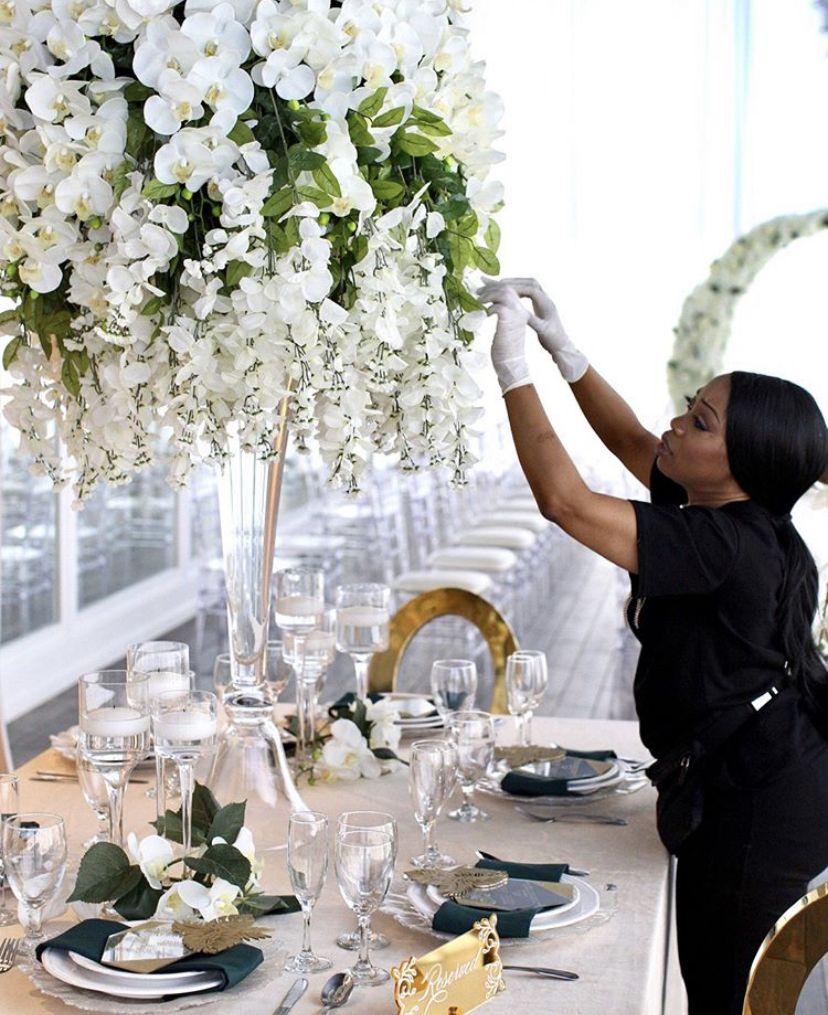
Your wedding vendors may be excellent at their individual jobs, but they still need a clear schedule to work together smoothly. Your photographer, caterer, florist, DJ, planner, and venue team may all depend on one another at different points during the day.
For example, your florist may need access to the ceremony space before the photographer can capture the finished decorations. Your caterer may need the room prepared before guests enter for the reception. If everyone arrives or starts working at the wrong time, one delay can affect several other activities.
Create a schedule that includes vendor arrival times, setup periods, important moments, and the time each team needs to finish its work. Share the schedule with your planner or designated coordinator so that everyone understands the plan.
It is also worth reviewing The One Wedding Vendor Most Couples Regret Hiring Too Late as you organize your team. Booking essential vendors early gives you more time to discuss their requirements and understand how their services fit into your schedule.
Do not assume that every vendor automatically knows what the others are doing. Confirm important details in advance, including when the venue will be accessible, when deliveries should arrive, and who will communicate changes on the day.
Clear communication can prevent confusion and help your wedding day run more smoothly.
Pin this post: Wedding Cake Flavors Guests Actually Love.
5. Your Ceremony and Reception Locations Are Too Far Apart
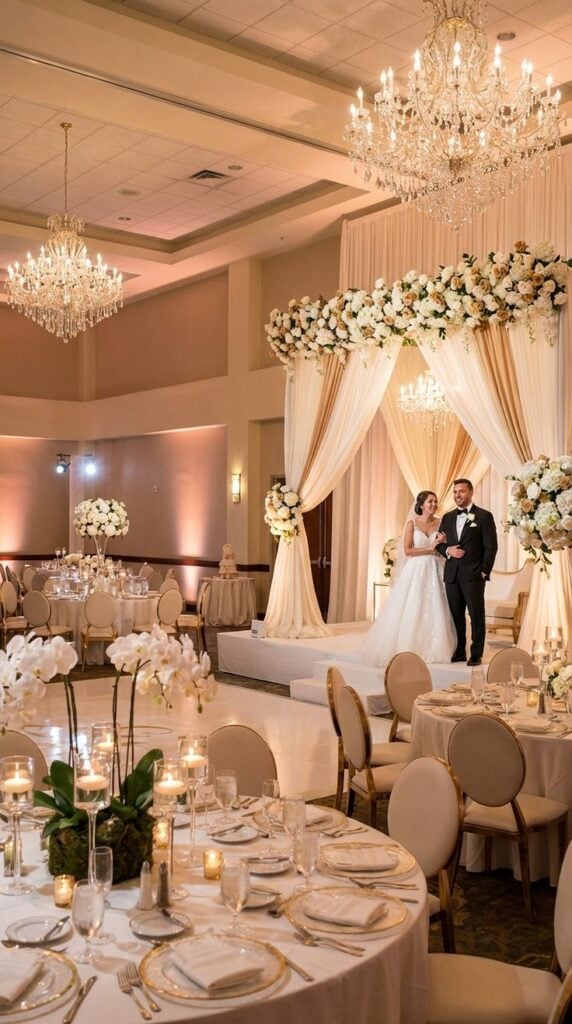
Having your ceremony and reception at different locations can make your wedding day feel special, but it also requires careful planning. If you do not allow enough time for travel, you may find yourself rushing from one venue to the next while your guests wait for the celebration to continue.
Before finalizing your schedule, check the distance between both venues and consider how long the journey may take during your wedding day. Remember that traffic conditions can change, particularly during busy periods.
You should also think about parking, gathering guests, and helping older relatives or guests with mobility needs.
If possible, visit both locations around the time your wedding activities will take place. This can give you a better idea of the journey and help you decide how much time to set aside.
You should also discuss the travel arrangements with your wedding planner and transportation provider. If you are providing transportation for guests, make sure the vehicles can accommodate everyone comfortably. Give guests clear directions and let them know when they need to leave the first venue.
Another option is to hold your ceremony and reception at the same location. This can reduce travel time and make the day easier to coordinate. However, if you prefer two venues, there is no reason to change your plans.
You simply need to build the journey into your timeline instead of treating it as an afterthought.
Keep this handy: Wedding Cake Sizes: How Much Cake Do You Really Need?
6. You Have Scheduled Your Photos Without Enough Time

Wedding photographs are important because they preserve moments you may want to remember for years. However, photography can become a source of stress when you try to fit too many pictures into a short period.
Think about all the photographs you may want. There could be portraits of you and your partner, family photographs, bridal party pictures, detail shots, and candid moments throughout the day. Each group takes time to organize, especially when several relatives or friends need to be gathered.
Talk to your photographer before creating the final schedule. Explain which photographs matter most to you and ask how much time they recommend for each session.
Your photographer can help you organize the shots in a way that works with your ceremony and reception plans.
It can also help to prepare a family photo list in advance. Write down the group combinations you want and choose someone who knows both families to help gather people when needed. This can prevent you from spending valuable time searching for relatives while everyone else waits.
You do not have to photograph every possible combination to have a beautiful wedding album. Focus on the people and moments that matter most to you.
See what everyone is reading now: Wedding Cake Styles Explained
7. You Have Not Planned Enough Time for Guests to Settle In
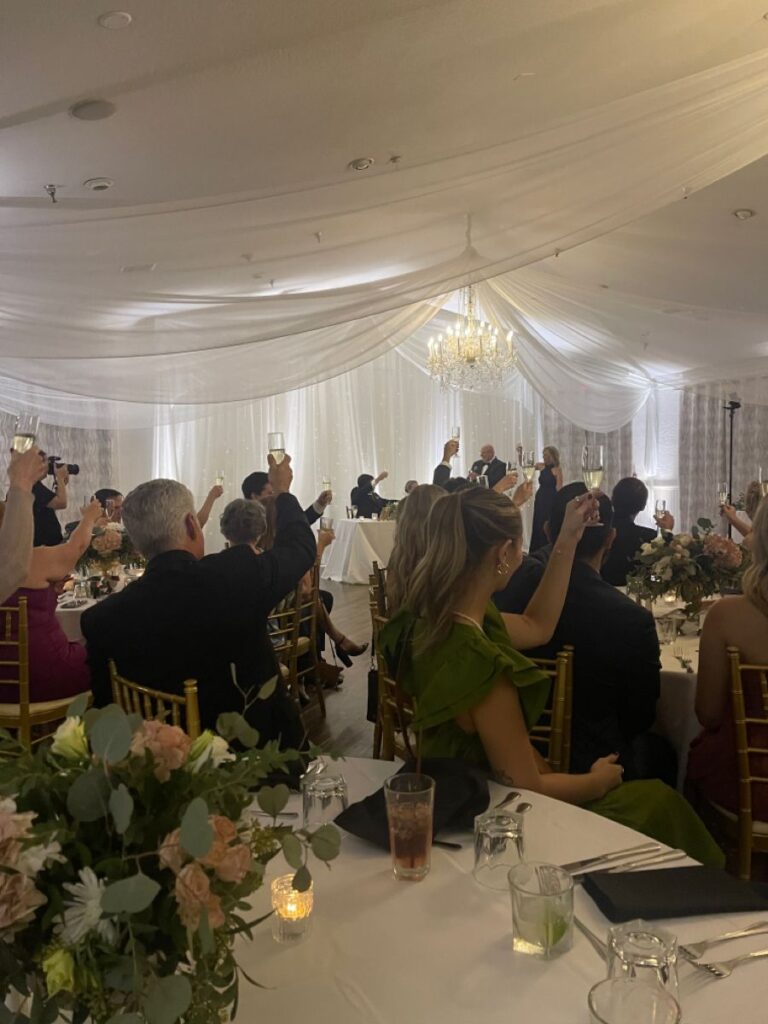
Your guests need time to arrive, find parking, locate their seats, greet familiar faces, and get comfortable before the ceremony begins.
If your schedule does not account for these things, the ceremony may start late or guests may feel rushed.
Include a clear arrival time on your invitations and provide directions to the venue. If your ceremony begins at 3:00 p.m., for example, you may ask guests to arrive earlier so they have enough time to settle in. The appropriate arrival window will depend on your venue, guest count, and ceremony arrangements.
You should also decide how guests will be welcomed. Ushers can help people find their seats, while a welcome sign can make the entrance easier to navigate. If your venue has several entrances or separate areas for the ceremony and reception, give guests clear instructions.
Think about guests who may need extra assistance. Older relatives, families with young children, and people with mobility needs may require more time to get comfortable. Making the experience easier for them can also help your ceremony begin more smoothly.
Your invitations play an important role here. Review Wedding Invitation Wording Examples to make sure your invitation communicates the essential details clearly. Guests should know where to go, when to arrive, and whether there are any special instructions they need to follow.
8. Your Wedding Day Has No Time for a Proper Meal

With so many things happening on your wedding day, eating can easily become an afterthought. You may be busy getting ready, taking photographs, greeting guests, or checking that everything is in place.
Starting the day without food can leave you tired and uncomfortable, especially if you have several hours of activities before the reception meal. Your partner and wedding party may experience the same problem.
Plan simple meals and snacks that fit around your preparation schedule. You do not need an elaborate breakfast, but you should have something filling enough to keep you comfortable.
Keep drinking water throughout the day, particularly if you will be moving between locations or spending time outdoors.
Ask someone you trust to make sure food and drinks are available while you get ready. This could be a member of your wedding party, a family member, or your coordinator. Choose foods that are easy to eat and less likely to spill on your outfit.
It is also important to schedule your reception meal realistically. Discuss dinner service with your caterer and consider how long speeches, entertainment, and other activities will take. If you want guests to enjoy their meals without constant interruptions, avoid packing too many formal activities into the same period.
Your wedding day is a celebration, and you deserve to enjoy it too. Taking care of your basic needs can help you feel more present and comfortable throughout the day.
Check this out: Why Your Wedding Still Feels Disorganized (Even With a Planner)
9. You Have Not Decided Who Will Manage the Timeline

Even a detailed wedding schedule can become difficult to follow if nobody is responsible for coordinating it. You should not have to spend your wedding day checking the time, calling vendors, and reminding everyone what comes next.
Choose someone who can oversee the schedule and communicate with the people involved. If you have hired a wedding planner or coordinator, discuss their responsibilities before the event.
Make sure they understand the order of activities and know which moments are most important to you.
If you are not hiring a professional coordinator, consider asking a reliable person who is comfortable managing details. However, avoid giving this responsibility to someone who should be enjoying the day as a close family member or member of your wedding party.
The person managing the schedule should have a copy of the final timeline, vendor contact information, and the details needed to make small adjustments. They should also know who has the authority to approve changes if something unexpected happens.
You and your partner should be able to focus on your celebration rather than solving every problem as it appears. Having someone coordinate the day can help you relax and trust that the important details are being handled.
See what is trending now: 15 Wedding Planning Mistakes That Can Cost You Thousands
10. How to Create a Wedding Timeline That Actually Works
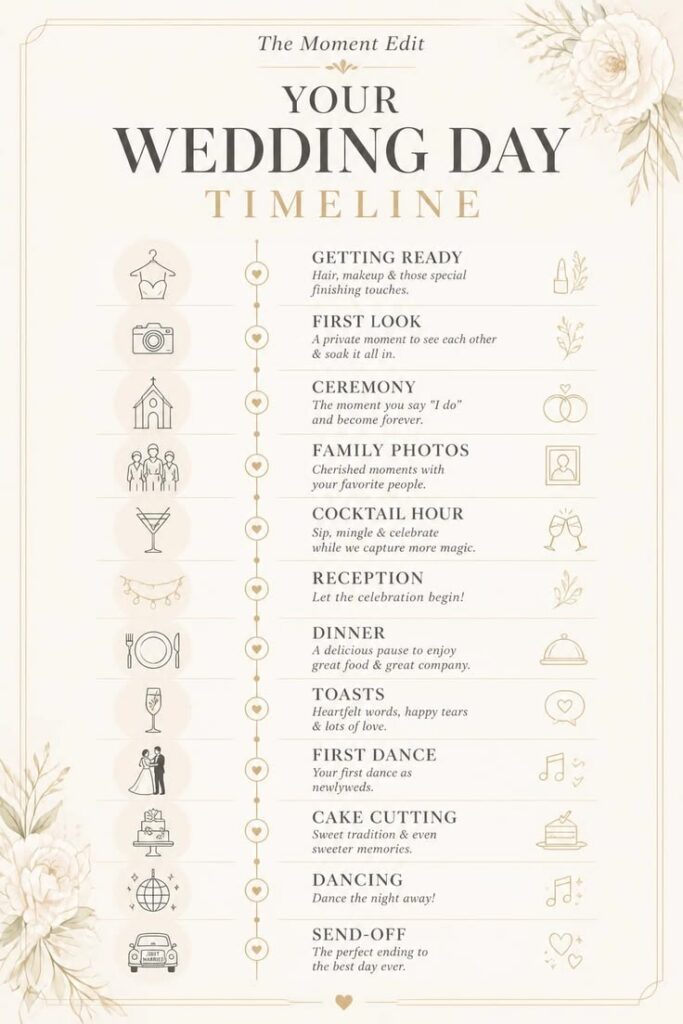
Now that you understand the problems that can make a wedding schedule stressful, it is time to create one that supports the kind of day you want.
Start with the fixed events. These usually include the ceremony start time, venue access times, and any restrictions set by your venue or vendors. Work backward from those points to decide when preparation, transportation, photography, and setup need to happen.
Next, speak with your vendors. Ask how much time they need and whether there are any requirements that could affect the schedule. Your photographer may need a particular window for portraits, while your caterer may need access to the reception space before guests arrive.
Once you have the main activities in place, add realistic time allowances for moving between them. Include breaks for eating, drinking water, and freshening up. Leave a little flexibility so that one delay does not immediately affect everything else.
Share the completed schedule with the people who need it. Your coordinator, photographer, caterer, transportation provider, and other essential vendors should understand their responsibilities.
Give members of your wedding party the information they need without overwhelming them with details that do not concern them.
Finally, review the schedule a few days before the wedding. Confirm arrival times, transportation arrangements, and any last-minute changes. Make sure everyone knows who to contact if a problem comes up.
A good wedding timeline is not about controlling every second. It is about giving your day enough structure to run smoothly while leaving room for genuine moments, unexpected laughter, and time with the people you love.
Don’t forget to save this: 23 Elegant Wedding Invitation Designs
Frequently Asked Questions
How far in advance should I create my wedding timeline?
Start a rough timeline while planning your wedding, then refine it as you confirm your venues and vendors. Finalize the main details several weeks before the wedding and confirm the important timings with your vendors closer to the date.
How much extra time should I allow between wedding activities?
There is no single rule that works for every wedding. Consider the activity, location, guest count, and possibility of delays. Allow extra time for travel, photographs, outfit changes, and activities that involve gathering several people together.
Who should be responsible for keeping the wedding on schedule?
A wedding planner or day-of coordinator is often the best choice. If you are not hiring one, ask a reliable person who understands the schedule and can communicate with vendors without taking on too many other responsibilities.
What should I do if my wedding ceremony starts late?
Stay calm and let your coordinator communicate with the relevant vendors. They can determine whether the delay affects the rest of the schedule and make adjustments where possible. Avoid trying to solve every issue yourself while preparing for the ceremony.
Should I share my wedding timeline with guests?
Guests do not usually need the full vendor schedule. Instead, share the information they need, such as arrival times, ceremony details, transportation arrangements, and the location of the reception. You can provide additional instructions through your invitations or wedding website.
Final Thoughts
Your wedding timeline can influence how you experience the entire day. When your schedule is too tight, you may spend more time rushing between activities than enjoying the celebration you worked so hard to plan.
The good news is that many timing problems can be avoided with realistic planning, clear communication, and a little flexibility. Give yourself enough time to get ready, account for travel, coordinate your vendors, and leave space for breaks. Decide which moments matter most to you and make sure your schedule reflects those priorities.
Remember that your wedding does not have to follow every minute perfectly to be beautiful. A few small delays do not mean the day has gone wrong. What matters is that you and your partner have the chance to celebrate your commitment and enjoy the people who came to share the moment with you.
Create a timeline that supports your wedding rather than controls it, and you will give yourself a much better chance of enjoying the day as it unfolds.