

The Ultimate Baby Guide for New Parents: Everything You Need From Pregnancy to Toddlerhood
Written By Chinaza Benita Eze

There is truly nothing in the world that compares to the moment you meet your baby for the first time. The rush of gratitude, wonder, and love that washes over you when you realize this tiny human is yours to care for and protect. It is one of life’s most beautiful experiences, and yet it also marks the beginning of a journey that can feel as overwhelming as it is rewarding.
The days that follow often move quickly. Visitors come and go with gifts, advice, and good intentions. Feeding schedules begin to shape your routine, sleep becomes less predictable, and before long, you find yourself carrying a question that almost every new parent asks at some point: Am I doing this right?
That question does not mean you are failing. If anything, it means you care deeply about giving your child the best possible start. Most parents carry worries that rarely get discussed, the fear of making mistakes, the pressure of being responsible for someone who depends on them completely, and the challenge of navigating so much conflicting advice.
This guide was created with that reality in mind. Covering everything from pregnancy preparation and newborn care to feeding, sleep, development, toddlerhood, and parental wellbeing, this guide is designed to help you feel more informed and confident at every stage.
Think of it as a trusted resource you can return to whenever you need practical guidance, reassurance, or simply the reminder that you are not alone in figuring things out.
Getting Your Home and Heart Ready During Pregnancy
Keeping Baby Prep Simple and Practical

In the final stretch of pregnancy, it’s easy to feel the pressure to create a picture-perfect nursery, complete with matching furniture, themed wall murals, and Pinterest-style decorations. In reality, those extras carry far less importance than we’re often led to believe.
What truly matters is focusing on the essentials that directly support your baby’s safety and your day-to-day routine in those early weeks.
Instead of getting caught up in aesthetics, prioritize a firm, flat sleep surface in a well-ventilated space, a safe crib or bassinet, and a setup that makes feeding and diaper changes easier for you. These are the things that will actually shape your experience once the baby arrives.
Having enough burp cloths on hand, keeping feeding options flexible (breastfeeding, bottle-feeding, or both), and making sure the sleep area is completely free of soft items all carry far more practical value than decorative details.
The goal is not to build a perfect nursery, but to create a calm, functional space that supports both you and your baby without adding unnecessary pressure.
Choosing a Pediatrician Before Baby Arrives
Locking in a pediatrician before your due date is one of the highest-impact decisions you can make during pregnancy, yet it’s often pushed to the bottom of the list by first-time parents.

Many pediatric clinics offer prenatal consultations, short visits where you meet the doctor, ask questions, and get a feel for whether their communication style and approach to care align with what you want for your baby.
Having that relationship in place before delivery means you’re not making rushed decisions in the middle of an already overwhelming first week with a newborn. It also gives you clarity on what to expect and who to contact when questions start coming up.
Before choosing, ask about their approach to feeding, sleep, vaccinations, and how they handle after-hours concerns. These are usually the areas where new parents need the most support, especially in those early days.
Preparing Emotionally Before the Due Date
Pregnancy preparation that ignores the emotional side often leaves a gap that shows up more clearly in the postpartum period than most people expect. When the focus is only on physical readiness, the reality of the early weeks after birth can feel more overwhelming than anticipated.
Childbirth classes that go beyond labor and include what happens after delivery can help set more realistic expectations. Instead of an idealized version of new parenthood, you get a clearer sense of the adjustment period, the recovery process, and the emotional shifts that often come with it.
Open conversations with your partner or support person are just as important. Talking through expectations, nighttime responsibilities, and how you’ll both ask for help when things get difficult creates a shared understanding before the baby arrives. These are the kinds of agreements that matter most when sleep is limited and emotions are stretched.
Navigating the Newborn Phase as a New Parent
What the First Three Months Actually Feel Like
The newborn stage is often called the “fourth trimester,” and that framing helps reset expectations in a way that makes the experience easier to navigate.

Your baby has just left the only environment they have ever known, and their entire system is adjusting to light, sound, temperature, and the absence of constant motion and warmth. There is no schedule yet, no predictable rhythm, or even a clear pattern, and that is not a reflection of your parenting.
Most newborns sleep between 14 and 17 hours daily, but rarely in stretches longer than two to three hours, which is why even the most well-rested parent enters a new kind of exhaustion in those first weeks.
Accepting that this phase is temporary, not permanent, is one of the most grounding things you can hold onto during it.
Safe Sleep: The Foundation of Newborn Care
Safe sleep is the one area of newborn care where there is no room for shortcuts, and understanding the guidelines clearly before the baby comes home matters a lot. The American Academy of Pediatrics recommends placing your baby on their back on a firm, flat surface in a sleep space that is completely free of loose bedding, pillows, bumpers, and stuffed animals.
Room-sharing, where your baby sleeps in their own safe space in your room rather than in your bed, is recommended for at least the first six months and has been shown to significantly reduce the risk of SIDS.
This setup also makes nighttime feedings less disruptive.

Reading What Your Baby Is Trying to Tell You
A newborn communicates entirely through crying, and that single tool covers hunger, tiredness, discomfort, overstimulation, and the simple need to be held close.

Learning your specific baby’s cries happens through time and repetition, not through any app or special method, and most parents notice distinct patterns emerging within the first few weeks.
Responding consistently and warmly to your newborn’s cries in the early months builds the foundation of trust and secure attachment that shapes how they connect with you and with the world as they grow. The idea that responding too quickly spoils a newborn is a myth that child development research has thoroughly set aside.
Feeding Your Baby: What Every New Parent Needs to Know
Breastfeeding your Baby
Infant feeding is one area where new parents hear a lot of opinions, and it can quickly become overwhelming.
What matters most is that your baby is fed regularly and gets enough nutrition.

Breastfeeding has clear benefits for nutrition and immunity. If you choose to breastfeed, getting help early can make things easier. A lactation consultant can guide you through the first days and help you understand what to do.
Many hospitals also have lactation support before you leave after birth. Even if feeding seems to be going fine, asking for help can still make things clearer and easier.
Formula Feeding Without the Pressure
Formula is a safe option for feeding your baby. It provides the nutrients your baby needs to grow and develop. Choosing a formula does not mean you are giving less care to your child.
Formula feeding can be used from birth or alongside breastfeeding.
Some parents also choose to combine breastfeeding and formula feeding. This is called supplementing. It can help when breast milk is not enough, when feeding schedules are hard, or when parents prefer a mixed approach.
Let your pediatrician know how your baby is being fed and how your baby is growing. This helps them give you the right advice for your baby.
Introducing Solid Foods at the Right Time
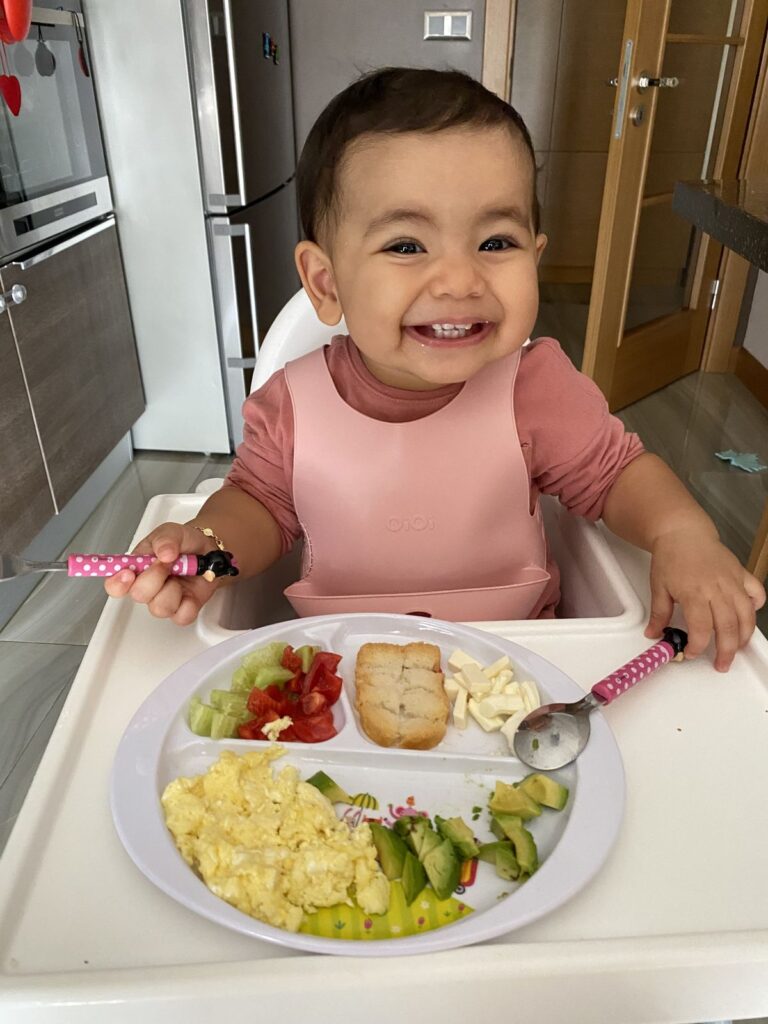
Solid foods are usually introduced between four and six months, but readiness signs matter more than a fixed date. Look for a baby who can hold their head steady, sit with minimal support, and show interest in food by watching you eat or opening their mouth when food comes near.
Start with single-ingredient foods and introduce one new food at a time, then wait for a few days before trying another. This makes it easier to notice how your baby responds.
Breast milk or formula still provides most of your baby’s nutrition at this stage. Early solids are mainly for exposure, learning textures, and getting familiar with food.
Baby Sleep: An Honest Guide for New Parents
Why Sleep Feels So Hard in the Early Months

Sleep deprivation in the newborn stage is more than ordinary tiredness. It affects mood, memory, decision-making, and even how you feel about yourself. Newborns have small stomachs that empty quickly, no developed day-night rhythm, and a natural need to stay close to a caregiver, which is why long stretches of sleep are rare in the early weeks.
A baby’s internal clock for day and night usually starts to develop around three to four months. Before then, sleep patterns are unpredictable, and this is normal development, not a sign that something is wrong.
Sharing night duties, sleeping when your baby sleeps, and letting go of expectations about “normal sleep” are some of the most helpful ways to get through this stage.
Building Toward Consistent Sleep
A simple, repeated bedtime routine helps your baby start to understand when it’s time to sleep, even in the early months. It doesn’t have to be anything complex. A warm bath, a short feed, and quiet time in a dim room can send a clear signal that sleep is coming. When this is done consistently, many babies slowly begin to adjust to the pattern.
White noise can also help during sleep. It covers background sounds in the house so your baby is not easily disturbed while sleeping.
A dark room, a simple routine, and white noise together help create a calm sleep space for your baby. These small steps make night sleep easier for many families before any form of sleep training is even needed.
Sleep Training: Making the Decision That Fits Your Family
Sleep training is a personal choice, not a requirement. Most families only consider it after about four to six months, and after getting advice from a pediatrician. At this stage, many approaches can work, as long as they are used consistently and suit your baby’s age and needs.
Choosing a method that fits your comfort level is just as important as the method itself. When the approach keeps changing, it often takes longer for both parent and baby to adjust, and the process becomes more stressful.
Developmental Milestones Every New Parent Should Understand
What to Expect in the First Year
Milestones are not strict deadlines. They are more like a general guide to help you understand how your baby is developing over time. Most pediatricians focus on a range of normal development rather than fixed dates.

Around two months, many babies begin to smile in response to people and follow faces with their eyes. By four months, head control improves and early laughter may start. At around six months, rolling over, sitting with support, and more active babbling are common.
By nine months, many babies start crawling, pulling themselves up, and responding to simple words or their own name. By twelve months, some begin cruising along furniture, saying a few simple words, and showing strong attachment to familiar people.
When to Talk to Your Pediatrician About Development
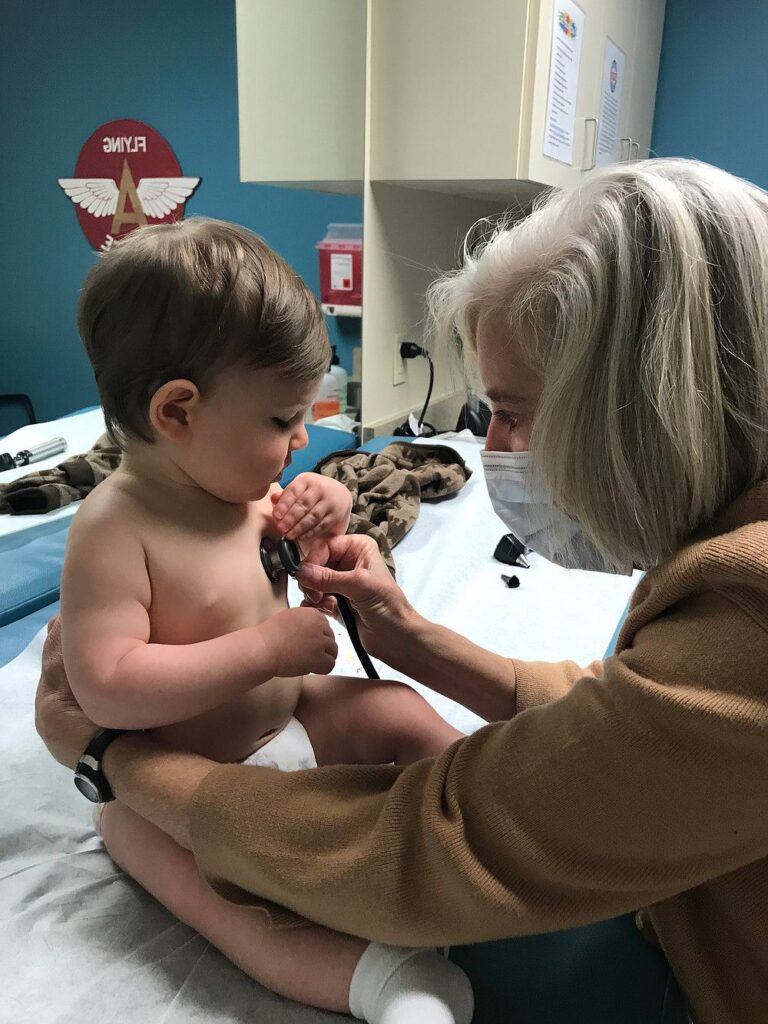
Every baby develops at their own pace, and it is normal for children to reach milestones at slightly different times. Still, there are some signs that are worth discussing with your pediatrician.
For example, you may want to bring it up if your baby is not making eye contact by around two months, not babbling by six months, not responding to their name by twelve months, or has stopped doing things they were able to do before.
If you have concerns about your baby’s development, it is always okay to ask questions. Getting support early can help identify any issues and provide the right help if needed.
Most importantly, pay attention to what you are seeing day to day. You spend more time with your baby than anyone else, and your observations can be valuable when discussing your child’s development with a pediatrician.
Toddlerhood: Growth, Big Feelings, and What Comes Next
Understanding Your Toddler Between 12 and 36 Months
Toddlerhood can feel like a whole new chapter. The baby who once depended on you for everything is now walking, exploring, making choices, and letting you know exactly what they want.
During this stage, your child’s language skills grow quickly, but they still cannot always find the words to explain what they are feeling. This is one reason toddlers often become frustrated, upset, or emotional over things that may seem small to adults.
Tantrums are a normal part of toddler development. They do not mean you are doing anything wrong, and they do not mean something is wrong with your child. Many toddlers have strong feelings but do not yet know how to handle them.

What helps most is staying calm, setting clear limits, and responding with patience. Over time, your child learns from these moments and begins to understand how to express their needs and feelings in healthier ways.
How Play Shapes a Toddler’s Development
Play is how toddlers learn best, you do not need expensive toys or a strict schedule. Simple things like blocks, crayons, cardboard boxes, water, or sand, along with your attention, are enough to support learning.
Through play, toddlers build language, creativity, problem-solving skills, and early social understanding.

Reading together every day is one of the most helpful habits at this stage. It supports language growth, bonding, and early reading skills at the same time. Toddlers often ask for the same books again and again. This is not boredom, it is how they learn and remember new things.
Your Wellbeing Matters Too: A Note for New Parents
Postpartum Mental Health Is Part of the Parenting Journey
Postpartum depression and anxiety are common after birth. They affect both mothers and fathers, and they are not a sign that you are doing anything wrong. They can be caused by changes in hormones, lack of sleep, major life adjustment, and the pressure of caring for a newborn.
What matters is recognizing when something feels off and getting support early.
Persistent sadness, feeling disconnected from your baby, intrusive or anxious thoughts that will not quiet down, or a sense that something feels deeply wrong beyond ordinary tiredness are all signs worth bringing to your healthcare provider without delay.
This Journey Is Yours to Figure Out

The season you are in right now is temporary, even on the days it does not feel that way. Every phase of early parenthood asks something new of you, stretches you in ways you did not see coming, and quietly builds something in you that only this experience can build.
Save this guide, return to it as your baby grows through each new stage, and share it with someone in your circle who is walking this path for the first time. Every question you carry is a valid one, every hard day you push through counts, and every moment you show up for your child, including the imperfect ones, is exactly what they need from you.