

The Ultimate Baby Guide For New Parents: Everything You Need From Pregnancy To Toddlerhood
The moment people find out they’re expecting a baby, life suddenly feels different. Excitement mixes with uncertainty, advice starts pouring in from every direction, and simple questions can quickly turn into hours of online searching. From understanding pregnancy changes to preparing for sleepless nights and toddler tantrums, the journey can feel overwhelming, especially for first-time parents. They start looking for baby guide for new parents.

I know how easy it is to feel lost in the sea of parenting information available today. Every parent wants to make the right choices, but knowing where to start isn’t always obvious. That’s why this Baby Guide for New Parents brings together the essential information you need in one place.
There is no shortage of parenting advice online, but not all of it is easy to understand or practical for everyday life. Many new parents find themselves jumping from one website to another, trying to figure out what is best for their growing family. Having a reliable resource that covers every stage of early parenthood can make a world of difference.
Whether you’re preparing for your baby’s arrival, learning how to care for a newborn, or navigating the energetic toddler years, this guide will walk you through each stage with practical advice, helpful tips, and easy-to-understand information. You’ll discover what to expect during pregnancy, how to handle common newborn challenges, ways to support healthy growth and development, and strategies for managing the ups and downs of toddlerhood.
Think of this guide as a trusted companion designed to help make your parenting journey a little less stressful and a lot more enjoyable. No matter where you are on the path to parenthood, you’ll find valuable insights to help you feel informed, prepared, and confident every step of the way.
Why This Topic Is Important
Bringing a baby into the world changes almost every aspect of life. Many people spend months preparing for pregnancy and birth. However, they often feel unprepared when reality arrives. Questions appear daily. Concerns grow quickly. New responsibilities demand attention from morning until night.
That is why a comprehensive Baby Guide for New Parents matters. It helps parents understand what to expect before challenges arise. It also provides direction during moments of uncertainty.

I often notice that many parents receive conflicting advice. Family members share one opinion. Friends offer another. Social media adds even more confusion. As a result, simple parenting decisions can become stressful.
A detailed Baby Guide for New Parents removes much of that uncertainty. Instead of guessing, parents can make informed decisions. They can understand each developmental stage. They can also build confidence throughout their parenting journey.
From pregnancy through toddlerhood, every stage brings unique experiences. Each phase requires different skills, knowledge, and preparation. Therefore, understanding these stages helps parents provide the best possible care.
Read this next: The Ultimate Baby Guide for New Parents: Everything You Need From Pregnancy to Toddlerhood
The Ultimate Baby Guide For New Parents: Everything You Need From Pregnancy To Toddlerhood
Understanding Pregnancy: The First Step
Pregnancy marks the beginning of an incredible journey. During this period, a baby’s body develops rapidly. At the same time, parents prepare emotionally and physically for major life changes.
Many expectant parents focus heavily on the delivery day. However, the months before birth deserve equal attention. Healthy habits during pregnancy support both mother and baby.

Regular prenatal appointments help monitor growth and development. These visits allow healthcare providers to identify concerns early. They also provide opportunities to ask important questions.
Nutrition plays a major role throughout pregnancy. A balanced diet supports fetal development and maternal health. Fruits, vegetables, whole grains, and protein-rich foods contribute essential nutrients.
Hydration remains equally important. Water supports circulation and nutrient delivery. It also helps maintain overall wellness.
Exercise often benefits pregnant women as well. Walking, stretching, and low-impact activities can improve comfort and energy levels. However, every pregnancy differs. Therefore, professional medical guidance remains essential.
Preparing Your Home Before Baby Arrives
Preparation reduces stress after delivery. Parents who organize early often feel more confident when bringing their newborn home.
Start by creating a safe sleeping space. Babies need a firm mattress and a clutter-free sleep environment. Avoid placing pillows, blankets, or stuffed toys inside the crib.

Next, organize essential supplies. Diapers, wipes, clothing, feeding items, and bathing products should remain easily accessible.
Many parents focus heavily on purchasing products. However, emotional preparation matters just as much. Discuss parenting expectations with your partner. Talk about responsibilities. Create realistic plans for daily routines.
Additionally, prepare for unexpected changes. Babies rarely follow perfect schedules. Flexibility often becomes one of the most valuable parenting skills.
A reliable Baby Guide for New Parents encourages practical preparation rather than perfection. No home becomes completely ready. However, thoughtful planning makes the transition smoother.
The First Days With Your Newborn
The newborn stage feels exciting and overwhelming. Many parents experience both emotions simultaneously.
Newborns spend much of their time sleeping, feeding, and adjusting to life outside the womb. Despite this simplicity, their needs require constant attention.

Feeding often becomes the primary focus. Whether parents choose breastfeeding or formula feeding, consistency matters. Babies require frequent nourishment because their stomachs remain very small.
Many new parents worry about feeding schedules. However, newborns usually communicate hunger clearly. Crying, rooting, and sucking motions often signal feeding time.
Sleep patterns surprise many families. Newborns sleep frequently but rarely for long periods. Consequently, parents often experience interrupted rest.
During these early weeks, remember that adjustment takes time. Every family develops routines at a different pace.
This stage also involves numerous emotions. Joy, exhaustion, excitement, and worry often appear together. These feelings remain completely normal.
A good Baby Guide for New Parents acknowledges these realities. Parenting involves learning through experience. No parent handles everything perfectly.
Understanding Newborn Development
Babies grow remarkably fast during their first year. Development occurs in several areas simultaneously.
Physical growth often attracts the most attention. Parents eagerly track weight gain and height increases. However, cognitive and emotional development matter equally.
Newborns quickly learn to recognize voices. They become familiar with faces. They also begin responding to sounds and visual stimuli.
Eye contact represents an important milestone. Smiling often follows shortly afterward. These small moments create powerful emotional connections.

Tummy time supports physical development. It strengthens muscles needed for crawling, sitting, and walking later.
Consistency helps support healthy development. Talking, reading, and singing expose babies to language from an early age.
If available, add an internal link here to a post about developmental milestones or early childhood learning.
Establishing Healthy Sleep Habits
Sleep remains one of the biggest concerns for new parents. Many families struggle during the first months.
Babies need significant amounts of sleep. However, they do not initially understand day and night patterns.

Creating simple bedtime routines helps over time. Consistent activities signal that sleep approaches. A bath, feeding session, or quiet story often works well.
Keep sleep environments calm and comfortable. Minimize distractions when possible.
Many parents search for quick solutions. Unfortunately, healthy sleep habits develop gradually. Patience plays a crucial role.
Remember that sleep patterns evolve as babies grow. What works during the newborn stage may change several months later.
A trusted Baby Guide for New Parents emphasizes realistic expectations. Progress usually happens slowly rather than overnight.
Feeding Your Baby Successfully
Feeding supports growth, development, and emotional bonding. Therefore, understanding feeding basics helps parents feel more confident.
Breast milk provides nutrients specifically designed for infants. Formula offers another reliable option when breastfeeding proves difficult or unsuitable.
Parents should focus on ensuring their baby receives adequate nourishment. Every family’s feeding journey looks different.

Burping remains important after feeding sessions. It helps reduce discomfort caused by swallowed air.
As babies grow, feeding schedules often become more predictable. Parents gradually learn to recognize hunger cues before crying begins.
Many feeding challenges improve with time and practice. Seeking guidance from healthcare professionals can also provide reassurance.
The best Baby Guide for New Parents focuses on supporting healthy babies rather than promoting unrealistic expectations.
Introducing Solid Foods
Most babies eventually transition from milk-based feeding to solid foods. This milestone excites many parents.
Signs of readiness often include improved head control and increased interest in food. Babies may watch others eat with curiosity.
Start with simple foods. Introduce new options gradually. This approach helps identify possible sensitivities while encouraging acceptance of different flavors.

Patience remains important during this stage. Babies often need multiple exposures before accepting unfamiliar foods.
Allow exploration. Mealtimes should encourage learning rather than pressure.
Additionally, continue monitoring developmental progress. Eating involves coordination, sensory processing, and motor skills.
A complete Baby Guide for New Parents treats feeding as both a nutritional and developmental experience.
Building Strong Parent-Child Bonds
Connection forms the foundation of healthy development. Babies thrive when they feel secure and loved.
Bonding begins through everyday interactions. Holding, talking, comforting, and responding to needs all strengthen attachment.
Eye contact creates meaningful communication. Gentle touch provides reassurance. Consistent care builds trust over time.

Parents sometimes worry about doing enough. However, simple interactions often matter most.
Reading together encourages language development while strengthening relationships. Singing creates comfort and familiarity. Play supports learning and emotional growth.
Strong bonds help children develop confidence as they grow. These early relationships influence future social and emotional development.
Every Baby Guide for New Parents should emphasize connection. Parenting involves much more than meeting physical needs. It also involves nurturing emotional security.
Baby-Proofing Your Home
As babies become more mobile, curiosity increases dramatically. They want to touch, explore, and investigate everything around them. Therefore, creating a safe environment becomes essential.
Many hazards seem harmless to adults. However, they can pose serious risks to young children. Sharp corners, electrical outlets, loose cords, and cleaning products require special attention.
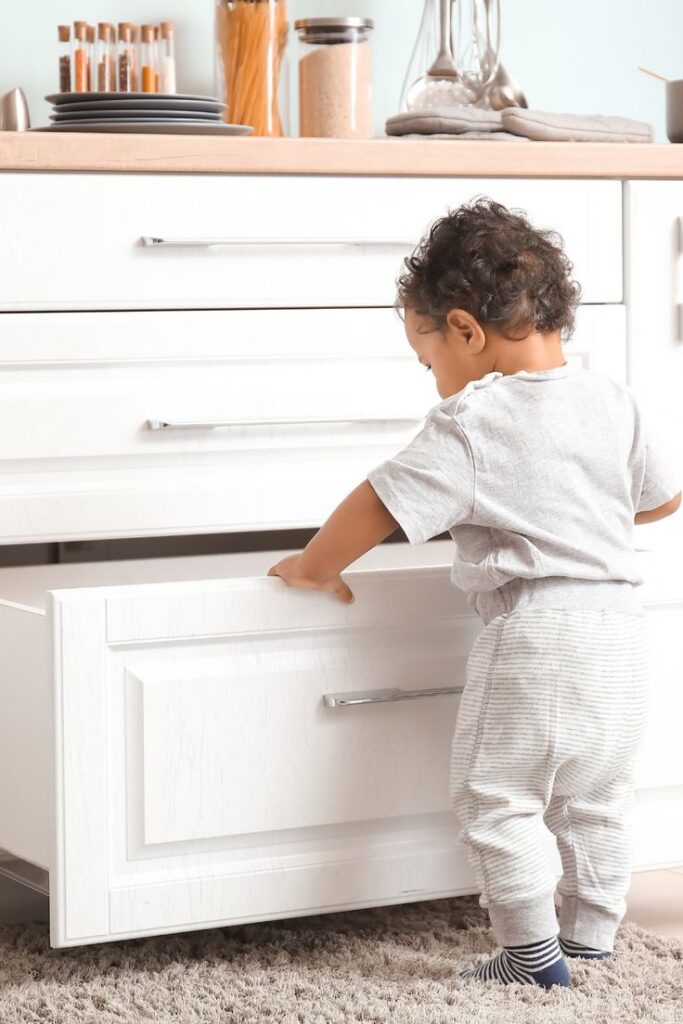
Start by viewing your home from a child’s perspective. Get down to their level and look around. You may notice dangers that previously went unnoticed.
Install safety gates near stairways. Secure heavy furniture to walls. Keep medications and household chemicals out of reach.
Kitchen safety deserves extra focus. Store sharp utensils carefully. Turn pot handles inward while cooking. Keep hot drinks away from edges.
A thorough Baby Guide for New Parents always emphasizes prevention. Small safety measures can prevent major accidents.
As your child grows, review safety precautions regularly. New abilities often create new risks. A baby who could not reach a shelf last month may reach it today.
Understanding Developmental Milestones
Every child develops at their own pace. However, developmental milestones help parents track progress and identify potential concerns.
During the first year, babies learn rapidly. They roll over, sit independently, crawl, and eventually take their first steps. These achievements represent important physical milestones.
Language development also begins early. Babies start with cooing and babbling. Eventually, they form recognizable words.

Social milestones matter just as much. Babies learn to smile, respond to familiar faces, and engage with caregivers.
Parents often compare their children to others. However, comparison rarely helps. Development varies naturally among children.
Instead, focus on steady progress. Celebrate achievements without creating unnecessary pressure.
You may also want to link to a blog post about child development stages if your website covers related topics.
A reliable Baby Guide for New Parents encourages observation rather than comparison. Every child follows a unique developmental path.
Managing Teething Challenges
Teething can test both children and parents. As teeth emerge, discomfort often increases. Consequently, many babies become fussier than usual.
Common signs include drooling, chewing on objects, irritability, and disrupted sleep. These symptoms can appear weeks before a tooth becomes visible.

Provide safe teething toys for comfort. Chilled teething rings often help soothe sore gums. Gentle gum massage may also provide relief.
During this stage, patience becomes extremely important. Babies cannot explain their discomfort. Instead, they express frustration through crying and clinginess.
Maintain normal routines whenever possible. Familiar patterns provide reassurance during uncomfortable periods.
A practical Baby Guide for New Parents prepares families for these temporary challenges. Fortunately, teething discomfort eventually passes.
Encouraging Language Development
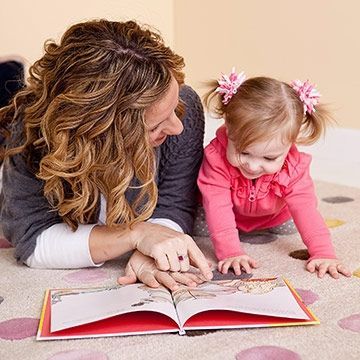
Language skills begin developing long before children speak their first words. Every interaction contributes to communication growth.
Talk to your child throughout the day. Describe activities, objects, and experiences. These conversations expose children to new vocabulary.
Reading remains one of the most effective language-building activities. Even very young babies benefit from hearing stories.
Ask simple questions during playtime. Encourage responses, even if they come through gestures or sounds.
Avoid assuming children are too young to understand. They absorb far more information than many adults realize.
Songs, nursery rhymes, and storytelling also strengthen language skills. Repetition helps children recognize patterns and remember words.
If your blog includes educational content, consider adding an internal link to a post about reading benefits for young children.
A strong Baby Guide for New Parents highlights the power of everyday communication. Small interactions create lasting developmental benefits.
Supporting Emotional Development
Emotional growth deserves as much attention as physical development. Children need guidance as they learn to understand feelings.

Babies rely on caregivers for emotional security. Consistent responses help them feel safe and valued.
As toddlers grow, emotions become more intense. Frustration, excitement, sadness, and anger often appear suddenly.
Help children identify their feelings. Use simple language during emotional moments. For example, explain that they seem upset or frustrated.
Avoid dismissing emotions. Instead, acknowledge feelings while teaching appropriate behavior.
Children learn emotional regulation through observation. Therefore, model calm responses whenever possible.
The best Baby Guide for New Parents recognizes that emotional intelligence develops gradually. Learning these skills takes time and practice.
Handling Toddler Tantrums Effectively

Few parenting challenges feel as exhausting as toddler tantrums. However, tantrums represent a normal part of development.
Toddlers experience strong emotions. Yet they lack the communication skills needed to express themselves effectively. As a result, frustration often leads to emotional outbursts.
Remain calm during tantrums. Your reaction influences the situation significantly. Speaking loudly usually increases distress rather than reducing it.
Set clear boundaries while offering comfort. Children need both structure and support.
Try identifying common triggers. Hunger, fatigue, overstimulation, and frustration frequently contribute to tantrums.
Consistency matters greatly during this stage. Children learn expectations through repeated experiences.
A comprehensive Baby Guide for New Parents explains that tantrums do not indicate failure. They simply reflect normal developmental challenges.
Teaching Positive Behavior
Discipline means teaching, not punishing. Effective discipline helps children understand expectations and develop self-control.
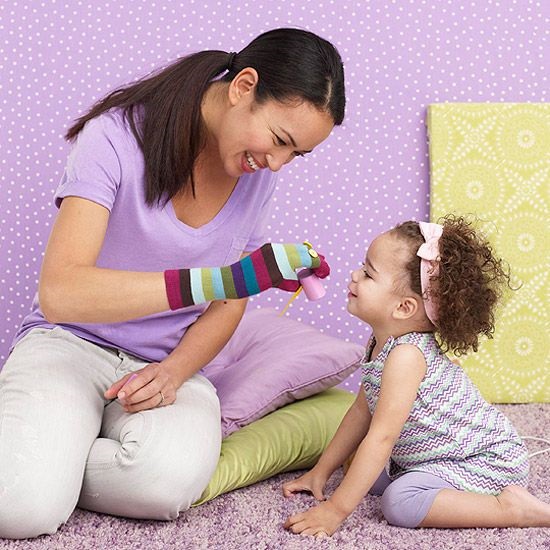
Start with clear and age-appropriate rules. Young children respond best to simple instructions.
Praise positive behavior whenever possible. Recognition encourages children to repeat desirable actions.
Focus on consistency rather than severity. Children learn more effectively when expectations remain predictable.
Natural consequences often provide valuable lessons. For example, a child who throws a toy may temporarily lose access to it.
Avoid lengthy lectures. Toddlers have limited attention spans. Short explanations usually work better.
A trustworthy Baby Guide for New Parents promotes guidance over punishment. Positive teaching strategies build stronger parent-child relationships.
Encouraging Social Skills
Social development begins early. Children learn important relationship skills through interactions with family members and peers.
Play provides valuable opportunities for learning. During play, children practice sharing, cooperation, and communication.

Model respectful behavior at home. Children often imitate what they observe.
Arrange opportunities for social interaction when appropriate. Playgroups, family gatherings, and community activities can help.
Teach kindness through daily examples. Encourage empathy by discussing how actions affect others.
Remember that social confidence develops gradually. Some children warm up quickly. Others need more time.
A detailed Baby Guide for New Parents recognizes these differences. Social growth rarely follows a strict timeline.
Maintaining Your Child’s Health and Wellness
Good health habits support lifelong well-being. Therefore, establishing healthy routines early provides lasting benefits.

Schedule regular health checkups. These visits monitor growth, development, and overall wellness.
Nutrition continues to play a central role throughout childhood. Offer a variety of nutrient-rich foods and encourage balanced eating habits.
Physical activity also supports healthy development. Active play strengthens muscles, coordination, and cardiovascular health.
Sleep remains equally important. Adequate rest supports learning, mood regulation, and physical growth.
Hygiene habits deserve attention as well. Teach handwashing and other basic health practices from an early age.
A complete Baby Guide for New Parents emphasizes prevention and consistency. Small daily habits often produce significant long-term benefits.
Common Parenting Mistakes to Avoid
Every parent makes mistakes. In fact, mistakes often create valuable learning opportunities. However, understanding common challenges can help reduce unnecessary stress.
One common mistake involves unrealistic expectations. Children develop gradually. Expecting perfection often creates frustration for both parents and children.
Another mistake involves excessive comparison. Every child grows differently. Constant comparison can undermine confidence and create unnecessary worry.
Some parents focus heavily on correcting mistakes. Meanwhile, they overlook opportunities to praise positive behavior.
Others attempt to control every situation. However, flexibility remains essential throughout parenthood.
Avoid seeking perfection. Parenting requires adaptation, patience, and continuous learning.
The most effective Baby Guide for New Parents acknowledges reality. Successful parenting involves progress rather than perfection.
Final Thoughts
Parenthood brings countless unforgettable moments. Some days feel rewarding and joyful. Others feel exhausting and challenging. Nevertheless, every stage offers opportunities for growth and connection.
This Baby Guide for New Parents serves as a practical resource for navigating the journey from pregnancy to toddlerhood. Understanding each developmental stage helps parents make informed decisions and build confidence.
Remember that no parent knows everything. Questions will arise. Challenges will appear. Unexpected situations will occur. However, knowledge, preparation, and patience make a significant difference.
Focus on creating a safe, loving, and supportive environment. Celebrate small victories. Learn from setbacks. Most importantly, enjoy the unique journey of watching your child grow.
See this next: The Ultimate Soft Life Guide for Stay at Home Moms: Creating a Peaceful Balance and Fulfilling Home Life
Parenthood does not require perfection. It requires commitment, consistency, and care. With the right information and realistic expectations, families can navigate each stage with greater confidence and peace of mind.
Written by Edeh Blessing